












Blue Light Therapy: What It Is, What It Does, and When It Helps

"Blue light" has a complicated reputation. For the last decade, most of the conversation around blue light has been about avoiding it - blue light blocking glasses, night mode on phones, warm-toned bedroom lighting. All of that is real and valid.
But blue light isn't universally harmful. In the right context, at the right time, delivered in a controlled way - blue light therapy is an established approach for specific conditions supported by clinical evidence.
The confusion comes from conflating two very different things: chronic, uncontrolled evening blue light exposure from screens (harmful to sleep) and targeted blue light therapy used deliberately at appropriate times (beneficial for mood, skin, and circadian health).
This article explains what blue light therapy actually is, what it's good for, what the side effects are, and how to use it - including at home.
Let’s discuss this in more detail in this blog and understand scientifically backed strategies for helping you wake up refreshed and rested.
What Is Blue Light Therapy?
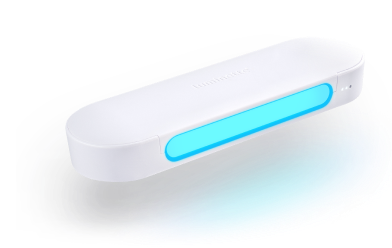
Blue light therapy is the deliberate use of blue-wavelength light (roughly 400–495nm) for a range of medical and wellness applications. Depending on the application, the device, the intensity, and the timing, it can serve several distinct functions:
Dermatological application - killing acne-causing bacteria on the skin surface using high-intensity blue light in clinical or home devices. Consult a dermatologist before use.
Circadian rhythm regulation - using blue-enriched bright light in the morning to suppress residual melatonin, advance the sleep-wake cycle, and improve alertness and mood.
Mood support - bright light therapy for winter blues typically includes significant blue wavelength content, which appears to be part of why it's effective.
Neonatal jaundice - blue light phototherapy is used in hospitals to manage hyperbilirubinemia in newborns under medical supervision.
These are very different applications that happen to share the same wavelength range. A device for acne is not the same as a device for seasonal low mood, and neither is the same as the phototherapy unit in a neonatal ward. Understanding the intended application helps you choose the right device.
Blue Light Therapy Benefits
1. Skin and Acne
This is the most commercially widespread application of blue light therapy and has the most accessible evidence base for home users.
Propionibacterium acnes (now reclassified as Cutibacterium acnes) - the bacteria responsible for inflammatory acne - produces porphyrins as a metabolic byproduct. These porphyrins are photosensitive and absorb blue light at around 415nm. When exposed to blue light at sufficient intensity, the porphyrins generate reactive oxygen species that destroy the bacteria from within.
What blue light therapy does for skin:
Reduces inflammatory acne lesions (papules, pustules)
Kills acne-causing bacteria without antibiotics
Reduces sebum production in some protocols
Has anti-inflammatory effects on surrounding tissue
Studies have demonstrated meaningful reductions in acne lesion counts with blue light support. Results are most consistent for mild to moderate inflammatory acne; blue light is less effective for comedonal (non-inflammatory) acne, which is driven by clogged pores rather than bacterial overgrowth.
2. Mood and Circadian Regulation
This is where blue light therapy's relationship with circadian biology becomes a benefit rather than a hazard - specifically when it's used at the right time.
The melanopsin receptors in the retina that blue light activates are the same ones involved in circadian entrainment. In the morning, activating these receptors:
Suppresses residual melatonin, clearing morning grogginess
Triggers cortisol release, promoting alertness
Sends a strong "start of day" signal to the brain's master clock
Supports serotonin production, which influences mood
Blue light therapy for winter blues is one of the more evidence-backed applications in this category. Seasonal low mood is caused by insufficient light exposure during autumn and winter months disrupting circadian timing and serotonin/melatonin balance.
Blue light is not the only part of the light spectrum involved in these effects. The full spectrum of visible light also plays a role, although blue wavelengths appear to be particularly important for regulating the circadian rhythm and promoting alertness.
3. Sleep Timing and Circadian Disorders
Blue light therapy for sleep sounds counterintuitive given the widely reported harm of blue light at night. The distinction is timing.
Morning blue light exposure anchors the circadian rhythm. When your body clock receives a clear, bright morning signal - including blue wavelengths - it sets the phase of the entire 24-hour cycle more accurately. The result:
More reliable sleep onset at the appropriate evening time
Stronger melatonin rise in the evening
More consistent sleep architecture
Reduced social jet lag
For people with delayed sleep phase disorder (can't fall asleep until very late), shift work sleep disorder, or jet lag, morning blue-enriched light therapy is one of the primary interventions.
In short: blue light in the morning supports sleep. Blue light in the evening disrupts it. Same wavelength, opposite outcomes depending on timing.
4. Mood Support Beyond Winter
Growing evidence suggests that bright light therapy, including blue-enriched light, may also help support mood beyond the winter months. This remains an active area of research, and while the evidence is growing, its use outside seasonal low mood is not yet routine.
5. Neonatal Jaundice
Although this is not a home application, blue light phototherapy (430–490nm) is used in hospitals under medical supervision to manage neonatal hyperbilirubinemia. It has been used safely for many years in this clinical setting.
What Blue Light Therapy Is Good For?
It is good for:
Mild to moderate inflammatory acne
Morning alertness and circadian rhythm anchoring
Sleep timing regulation when used strategically in the morning
Supporting mood in low-light seasons
Neonatal jaundice (clinical setting)
It is not suitable for:
Comedonal (non-inflammatory) acne - different mechanism required
Severe depression, which requires appropriate medical care
Deep skin conditions - blue light penetrates only the surface layer
Vitamin D production - wrong wavelength (needs UVB)
Insomnia driven by anxiety or behavioral factors rather than circadian misalignment
Blue Light Therapy Side Effects
Blue light therapy is generally well tolerated, but it's important to be aware of the possible side effects before getting started.
For skin applications:
Temporary redness and dryness of the treated area
Increased photosensitivity - skin may be more reactive to sunlight after a session
Occasional mild peeling or flaking
Eye sensitivity if the eyes are not adequately protected during facial use
Most dermatological side effects are mild and transient. They tend to be more pronounced with clinical-intensity devices than home devices. If any side effects persist or worsen during acne therapy, contact your doctor.
For circadian and mood applications:
Headache, particularly in the first few sessions if duration or intensity is too high
Eye strain
Nausea - usually caused by starting with too long a session or sitting too close
Agitation or difficulty sleeping if used at the wrong time (too late in the day)
These side effects typically resolve by reducing session duration, increasing distance from the device, or adjusting timing. Starting with shorter sessions (10–15 minutes) and building up is sensible for new users. If symptoms are severe or do not improve with these adjustments, seek medical advice.
More serious considerations:
People with macular degeneration, retinal conditions, or certain photosensitive conditions should consult a doctor before any light therapy
Some medications increase photosensitivity - antibiotics (tetracyclines), some antidepressants, and certain diuretics among them
People with bipolar disorder should use mood-directed light therapy only under medical supervision, as it can trigger manic episodes
Blue light and eyes: For circadian/mood applications, light therapy devices are designed to be used with open eyes at a safe distance - the light reaches the retina indirectly. For skin/acne applications, eyes should always be covered or protected, as direct high-intensity blue light exposure to the eyes at close range is not what these devices are designed for.
Blue Light Therapy Glasses: What They Are and How They Differ
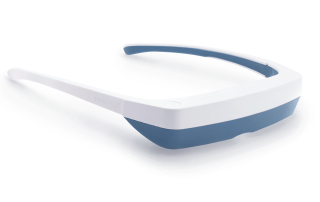
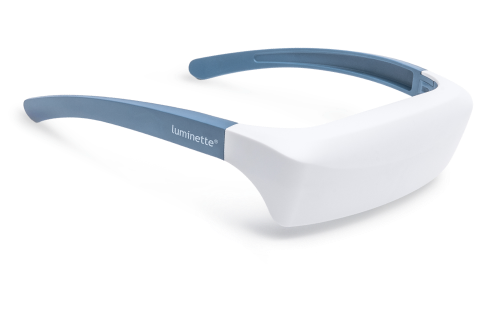
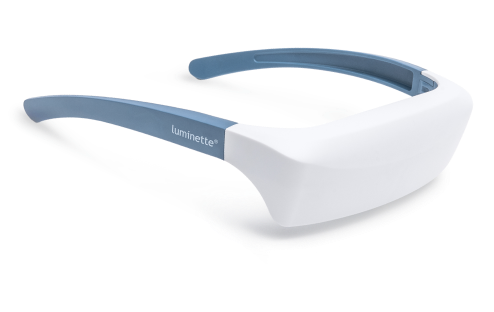
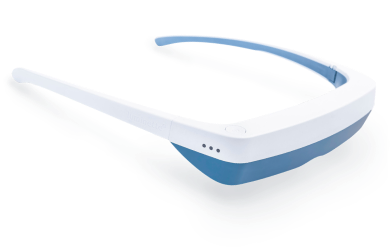
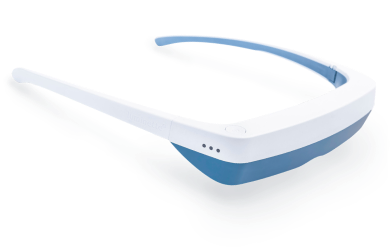
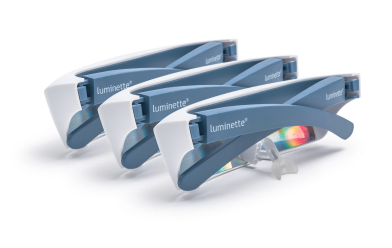
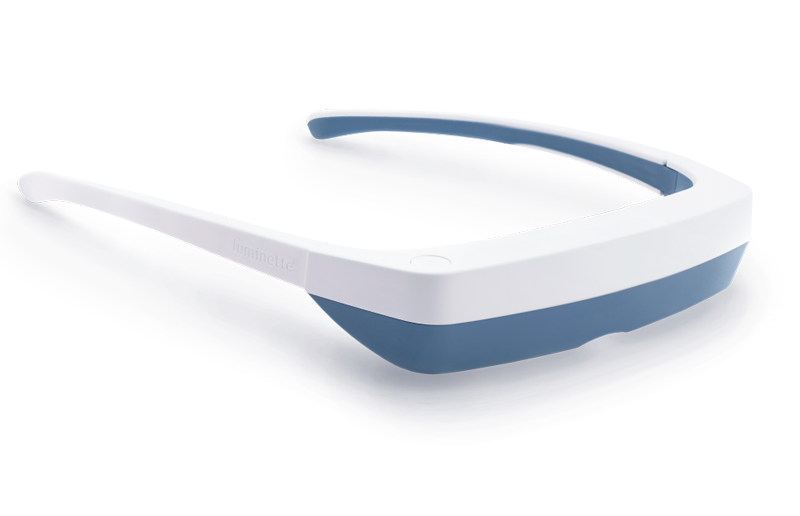
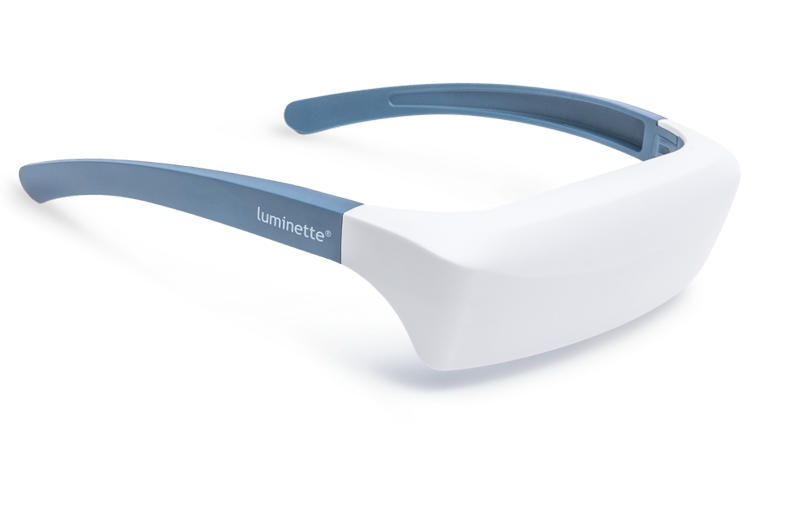
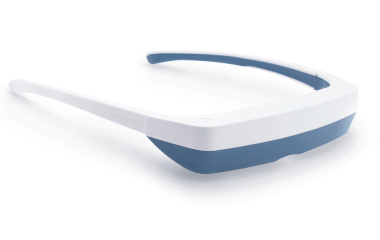
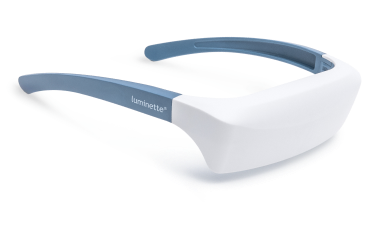
Blue light therapy glasses - not to be confused with blue light blocking glasses - are wearable devices that position light therapy close to the eyes for circadian and mood applications. They deliver the same biological signal as a traditional light therapy box but in a portable, hands-free format.
The distinction matters:
Blue light blocking glasses filter out blue wavelengths, typically worn in the evening to reduce screen-related melatonin suppression
Blue light therapy glasses deliver blue-enriched light to the eyes, worn in the morning for circadian entrainment and mood benefits
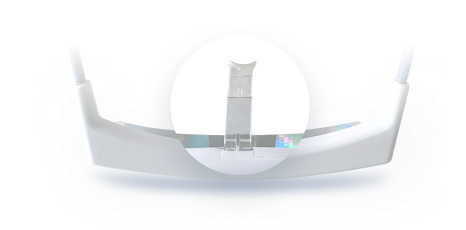
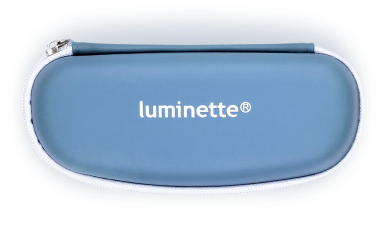
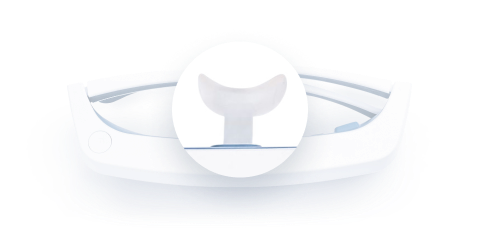
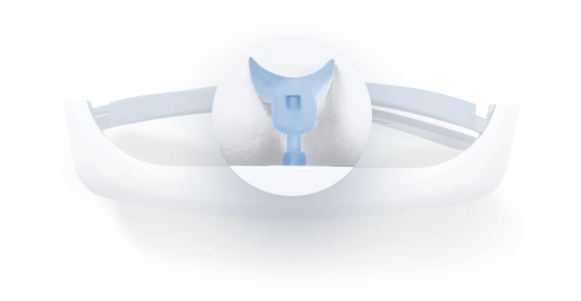
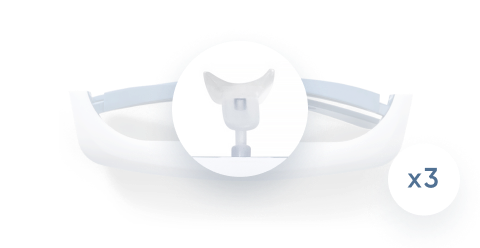
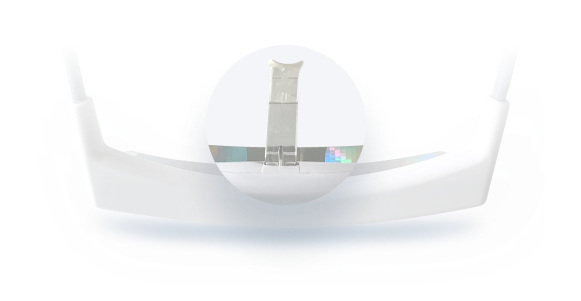
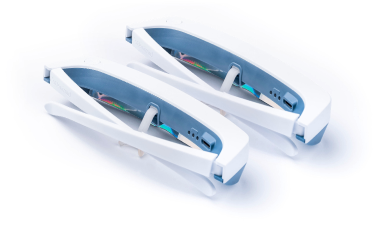
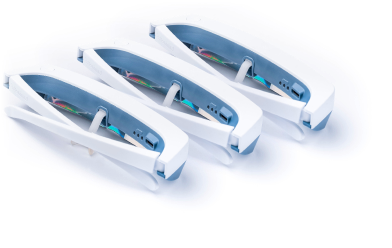
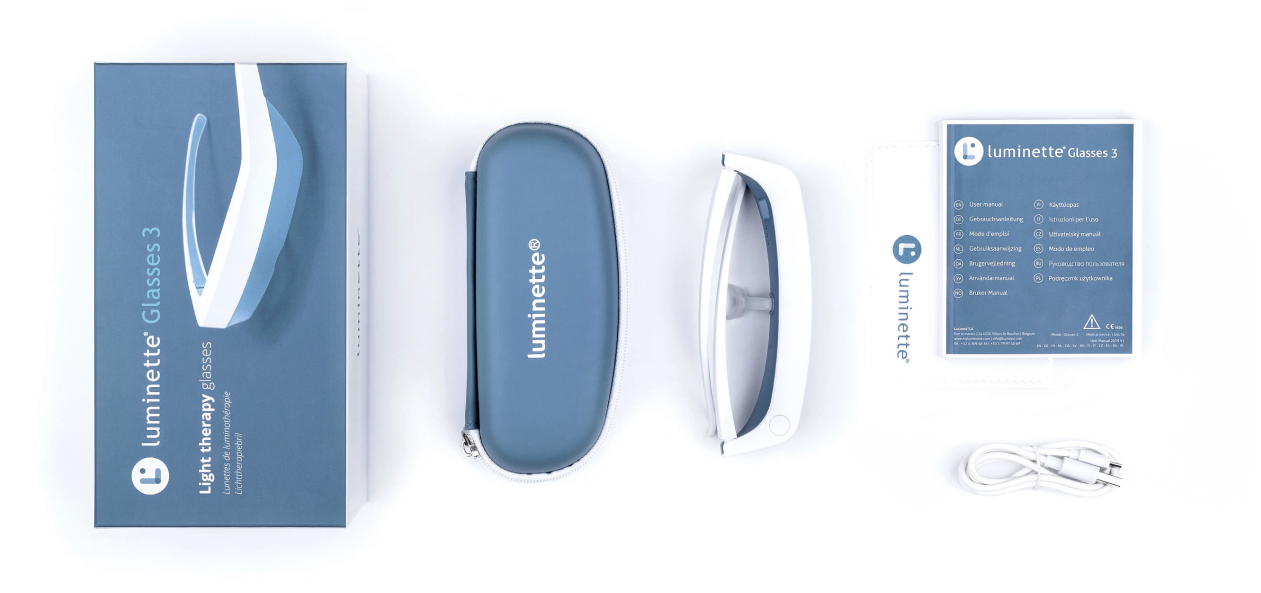
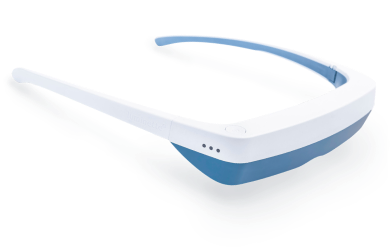
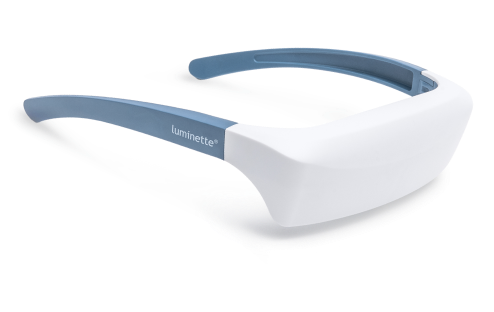
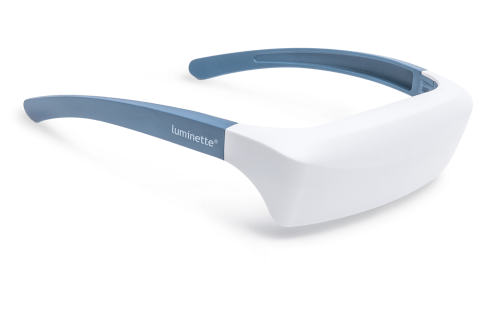
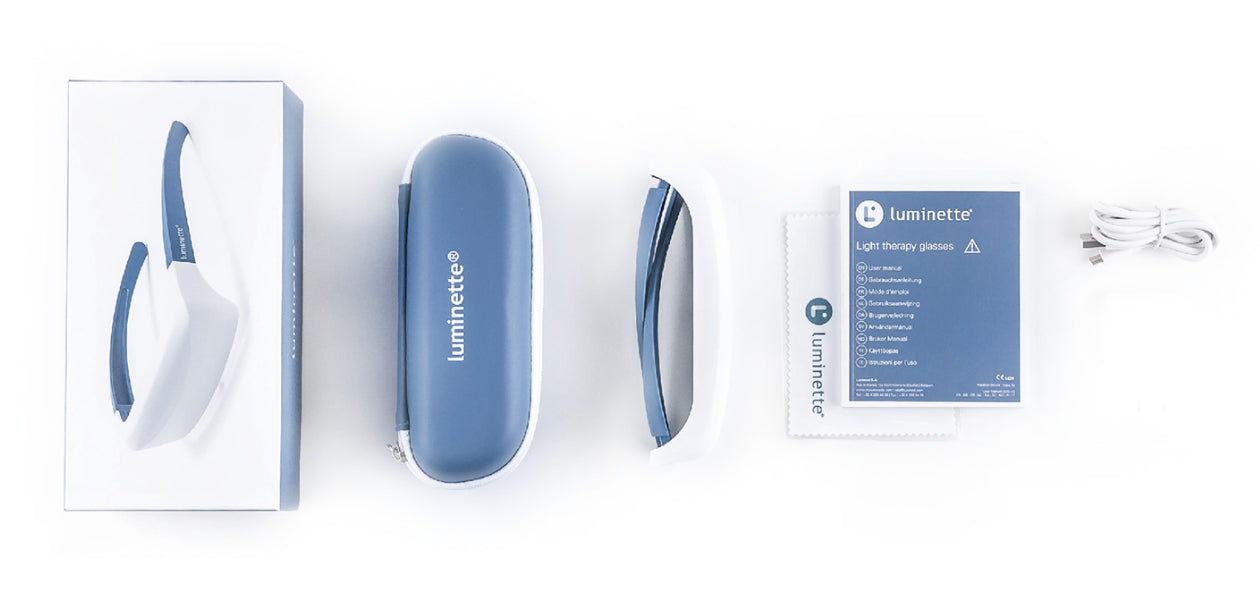
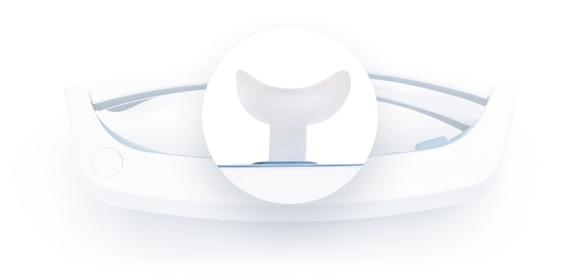
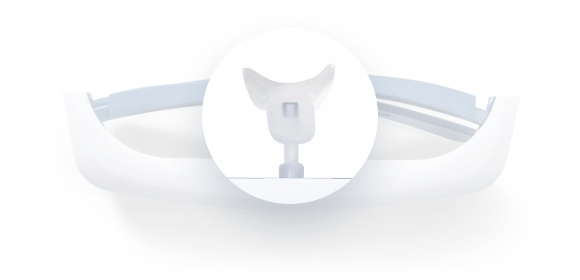
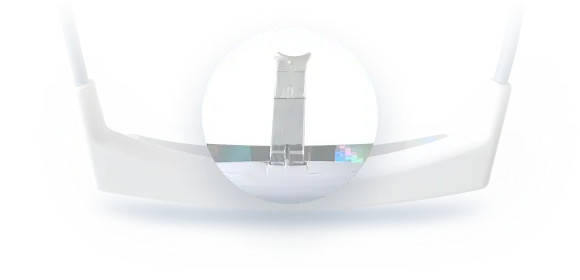
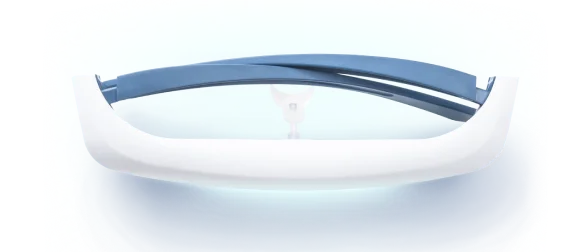
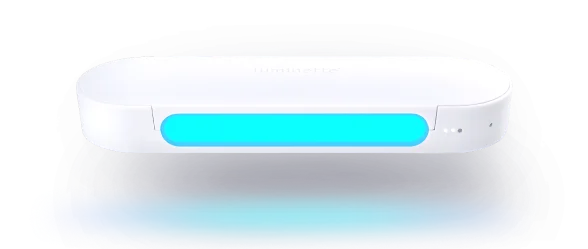
The Luminette light therapy glasses applies this approach in a wearable format. Rather than requiring you to sit in front of a stationary lamp, it delivers light close to the eyes using a design evaluated in clinical studies, while allowing you to go about your morning routine.
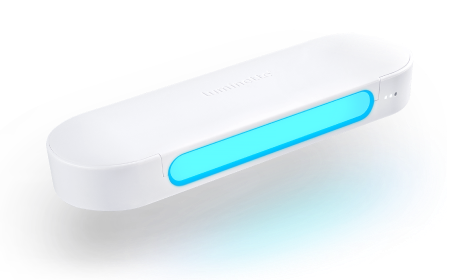
Consistency is essential for light therapy to be effective. Light therapy only works if you do it daily. A stationary box requires you to sit still for 20–30 minutes every morning. A wearable device lets you have breakfast, exercise, get dressed, or commute while your session runs.
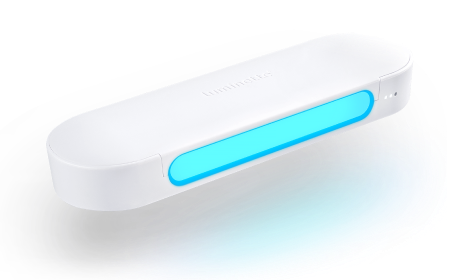
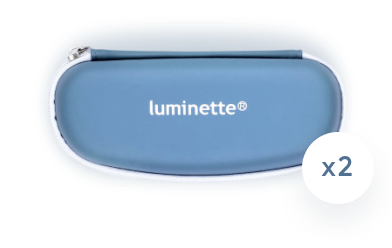
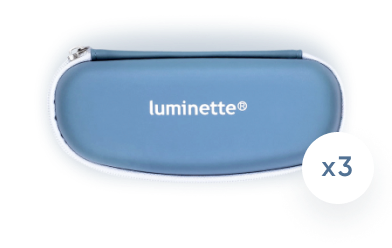
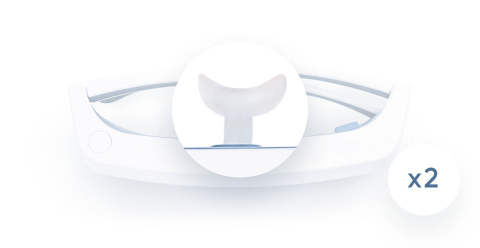
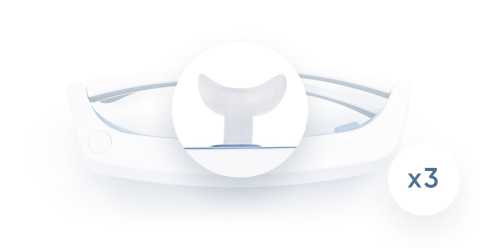
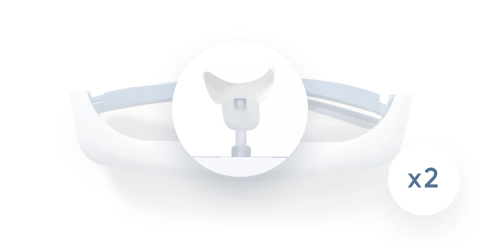
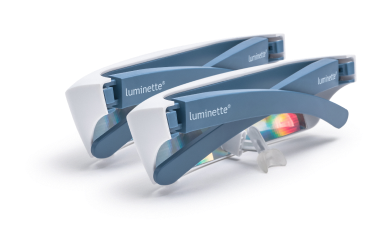
The Luminette 3 offers three adjustable intensity settings, making it suitable for different sensitivity levels and seasonal requirements. The Luminette 2 covers the same core function at a more accessible price point. Both have been evaluated in clinical studies for circadian rhythm and mood regulation.
Blue Light Therapy at Home: Practical Guide
Device type: Light therapy box (10,000 lux) or wearable light therapy glasses Session duration: 20–30 minutes Timing: Within one hour of waking - this is the most critical variable Frequency: Daily, throughout autumn and winter at minimum; year-round for circadian disorders Timeline for results: Mood improvement typically within 2–4 days of consistent use; circadian resetting takes 1–3 weeks
Maximize effectiveness by:
Using it at the same time each morning
Not using it in the afternoon or evening - this can delay sleep
Combining with consistent wake times - light therapy works best when anchored to a regular schedule
Starting with shorter sessions if you're sensitive and building up
How Blue Light Therapy Compares to Other Light Therapy
Blue light therapy is often confused with other forms of light therapy because the terminology used in consumer marketing can be misleading.
Bright white light therapy (full spectrum): Most commonly used for mood and circadian applications. It contains blue wavelengths alongside the rest of the visible spectrum. Most light therapy boxes marketed for winter blues use full-spectrum or white light rather than pure blue light. The blue component plays an important role, but it is only one part of the overall spectrum.
Pure blue LED therapy: More targeted, typically used for acne or research applications. It is not commonly used to support seasonal low mood.
Red light therapy: Different wavelength range entirely (620–750nm). Used for wound healing, anti-aging skin applications, muscle recovery, and joint pain. No meaningful circadian effect.
UV phototherapy: Ultraviolet wavelengths for skin conditions like psoriasis and eczema, and for vitamin D synthesis. Medical setting, specialist supervision. Completely different from blue light therapy.
Infrared therapy: Beyond the visible spectrum entirely. Used for deep tissue applications. Not relevant to blue light applications.
The Right Time of Day Is Everything
One point that cannot be overstated for circadian applications: blue light therapy for sleep and mood works based on timing, not just exposure.
The same bright blue-enriched light that improves mood and anchors your circadian rhythm in the morning will delay sleep onset and suppress melatonin if used in the evening. The 8 a.m. session that helps you feel alert and well-regulated is the same thing as the 9 p.m. session that keeps you wired until 2 a.m.
This is not a side effect or a risk of blue light therapy in general - it's the mechanism working exactly as it should. Light in the morning advances your clock. Light in the evening delays it. When used at the right time, blue light therapy is a powerful tool. Get it wrong, and it's counterproductive.
For most people, the morning window - within 30–60 minutes of waking - is when circadian light therapy produces the best results. This is also when it's hardest to fit in, which is one reason wearable formats have a practical advantage over stationary boxes for real-world use.
In summary
Blue light therapy is not one thing - it's a wavelength range with several distinct medical and wellness applications depending on how it's used.
For skin, blue light can help reduce inflammatory acne by targeting acne-causing bacteria through a photochemical mechanism. For mood, circadian health and sleep regulation, bright light can be an effective tool when used in the morning. For neonatal jaundice, blue light phototherapy is used in hospitals under medical supervision.
The same blue light that disrupts sleep when you're scrolling your phone at midnight is the blue light that can help reset your body clock when you use it intentionally at 7 a.m. Context, timing, and application determine whether it helps or hurts.
If you're considering blue light therapy for seasonal low mood or sleep, consistency matters most. Whether you use a traditional light therapy box or a wearable device like Luminette, morning use and regular daily sessions offer the best chance of seeing results. Give it two to four weeks before assessing the effects.
FAQ
Blue light therapy has several distinct applications: treating inflammatory acne by killing acne-causing bacteria, improving mood and treating winter blues as part of a broader light therapy protocol, supporting circadian rhythm regulation when used in the morning, and treating neonatal jaundice in clinical settings. Each application uses different device types, intensities, and protocols.
For skin, the primary benefit is reducing inflammatory acne lesions through a photochemical mechanism that destroys acne bacteria. For mood and sleep, the benefits include improved alertness, reduced winter blues symptoms, better circadian timing, and more reliable sleep onset in the evening. These effects are linked to morning light's influence on melatonin, cortisol and the body's circadian rhythm.
Yes, though most are mild. For skin applications: temporary redness, dryness, and increased sun sensitivity. For circadian applications: occasional headache, eye strain, or nausea if session duration or intensity is too high at the start. More seriously, people with retinal conditions, certain photosensitive medications, or bipolar disorder should consult a doctor before use. Evening use can delay sleep onset - a significant effect if timing is wrong.
Yes, when used correctly - in the morning. Morning blue-enriched light therapy anchors the circadian rhythm, which makes evening melatonin production more reliable and sleep onset easier. Blue light in the evening has the opposite effect. The same wavelength that supports sleep when used at 7 a.m. disrupts it when used at 9 p.m.
They are opposite tools. Blue light blocking glasses filter out blue wavelengths - worn in the evening to reduce melatonin suppression from screens. Blue light therapy glasses deliver blue-enriched light to the eyes - worn in the morning for circadian entrainment and mood benefits. Luminette light therapy glasses are in the second category.
Yes. For winter blues support and circadian applications, 10,000 lux light therapy boxes and wearable light therapy glasses like Luminette are designed for home use and are clinically validated.
It depends on the application. For mood, most people notice improvement within 2–4 days of consistent morning use. For circadian regulation, meaningful clock shifting typically takes 1–3 weeks of daily sessions.


