



















The Power of Natural Light in Boosting Mood

In our fast-paced modern world, where many of us spend the majority of our days indoors, it's easy to underestimate the profound impact that natural light can have on our mood and well-being. The hustle and bustle of daily life often confines us to artificial environments, where fluorescent lights dominate. But have you ever stopped to wonder why natural light is so crucial for our mental and emotional health? In this article, we will explore the remarkable ways in which natural light affects mood and why it's essential for our overall well-being. We'll also delve into the differences between natural and artificial light when it comes to their impact on our emotional state.
What Is Natural Light?
Natural light, often referred to as daylight, is the broad-spectrum illumination produced by the sun that includes all visible wavelengths—from the warm reds of sunrise and sunset to the bright blues of midday. Unlike artificial light, natural light shifts in intensity and characteristics throughout the day, providing the body with important time-of-day signals. These natural variations provide the body with signals that contribute to synchronizing the biological clock and regulating the sleep-wake cycle. In short, natural light provides important cues for the biological clock and contributes to synchronizing our sleep-wake rhythm with the day-night cycle.
Benefits of Natural Light
Now that we understand the science behind how natural light affects mood, let's explore some of the benefits in more detail:
- Enhanced Productivity: Exposure to natural light in workplace environments has been associated with certain indicators of well-being, job satisfaction, and work performance.
- Improved Sleep Quality: Regular exposure to natural light during the day contributes to providing cues to the biological clock and may be associated with the sleep-wake rhythm.
- Better well-being: Exposure to natural light during the day has been associated with certain indicators of well-being and mood.
Why Can Natural Light Influence Mood?
Natural light plays an important role in how our body adapts to the day-night cycle. Beyond allowing us to see, light received by the eyes provides the brain with information about the time of day. These signals contribute to the functioning of the biological clock and the regulation of the sleep-wake cycle. Daytime light exposure therefore helps reinforce the difference between periods of wakefulness and rest.
The relationship between light and mood is more complex and does not rely on a single mechanism. Light can influence biological processes related to alertness and the circadian rhythm, which may in turn be associated with how we feel during the day. Research has also observed associations between greater exposure to natural light and certain indicators of well-being and mood. These findings need to be interpreted in context, as mood depends on many factors and light does not act alone.
Natural light is also closely linked to our everyday environment. Greater exposure to daylight may go hand in hand with spending more time outdoors and being more physically active, two factors that are themselves associated with well-being. It is therefore difficult to attribute all observed effects to light alone. What is better established is the role of light as an important environmental signal for the biological clock.
Natural Light Versus Artificial Light
Natural and artificial light can provide very different exposure conditions. Daylight naturally varies throughout the day, particularly in intensity and light characteristics. Indoors, exposure depends instead on the type of lighting used, its position, and the amount of time spent in that environment. These differences matter because the light received by the eyes provides our body with important information about the time of day.
Natural light remains an important source of daytime light, but it is not always easy to get enough exposure. Winter months, dark mornings, days spent at the office, or working indoors can significantly reduce the amount of time spent in sufficiently bright natural light. This does not mean that all artificial light is bad or that it produces no biological signal: its effects depend in particular on its intensity, characteristics, and the time of exposure.
This is where light therapy can be useful. Rather than trying to perfectly reproduce natural light, it uses a light source designed to provide targeted light exposure at a chosen time of day. The question is therefore less about “natural or artificial?” and more about which light, at what intensity, for how long, and at what time of day?
What Is the Impact of Natural Light on Mood
Natural light can influence mood in several ways. Here are some key mechanisms:
Sleep-wake rhythm regulation: Light received during the day provides important signals to the biological clock and contributes to synchronizing the sleep-wake cycle with the day-night cycle.
Alertness and attention: Light also plays a role in regulating alertness throughout the day. Sufficient exposure to light during daytime hours may contribute to maintaining an appropriate level of alertness for the time of day.
Well-being and mood: Research has observed associations between exposure to natural light and certain indicators of well-being and mood. These findings should be interpreted with caution, as mood depends on many factors and cannot be attributed to light alone.
Bringing the Benefits of Natural Light Indoors with Light Therapy
Natural light is an important source of daytime light, but it is not always easy to get enough exposure, particularly in winter or when you spend a lot of time indoors. Light therapy can then offer a practical way to incorporate targeted light exposure into your routine.Light therapy uses a sufficiently intense light source to provide targeted light exposure. Light received by the eyes provides signals to the biological clock and can contribute to regulating the sleep-wake cycle and daytime alertness. The aim is not to perfectly reproduce natural light, but to provide controlled light exposure when exposure to daylight is limited.
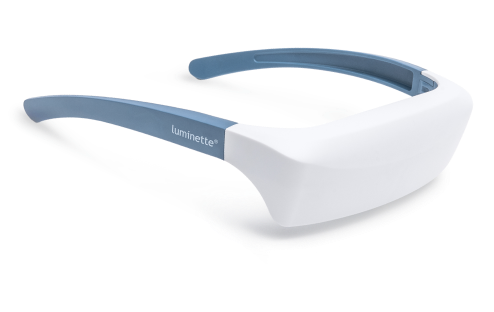
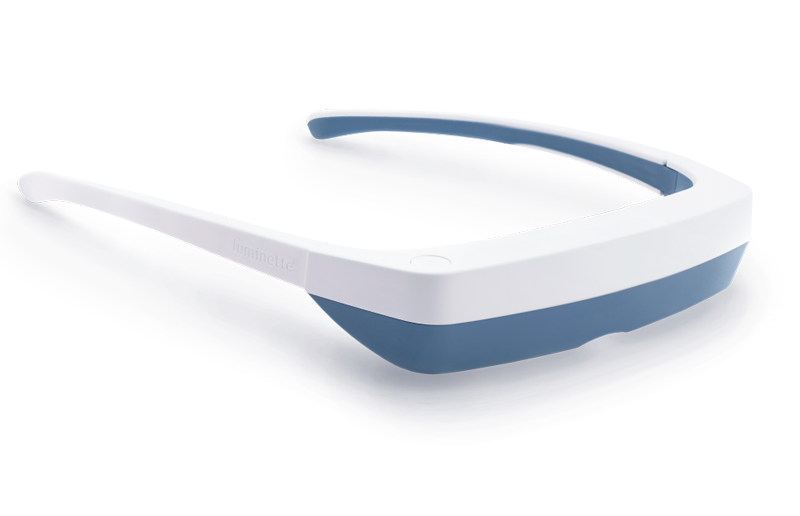
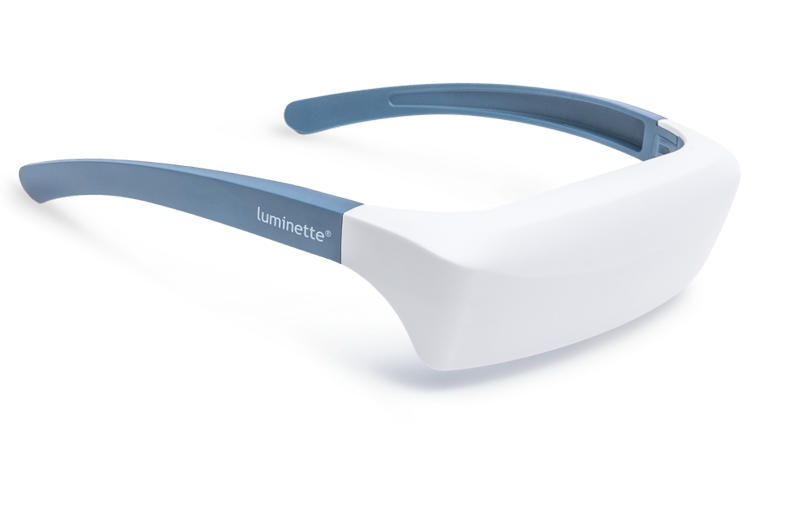
Luminette 3—Light Therapy That Fits Into Your Routine
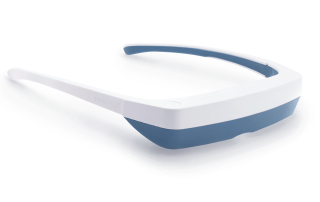
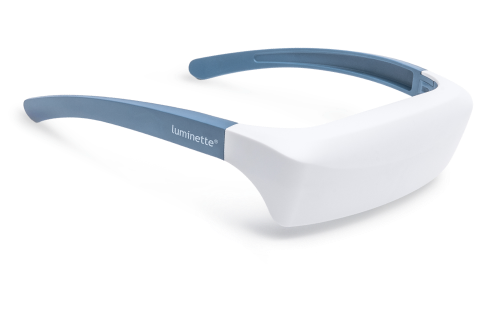
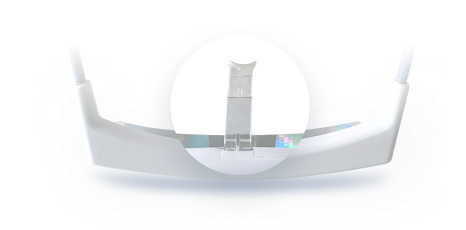
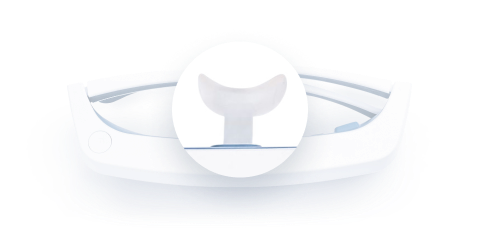
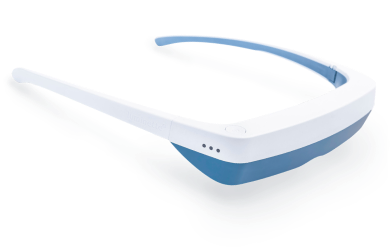
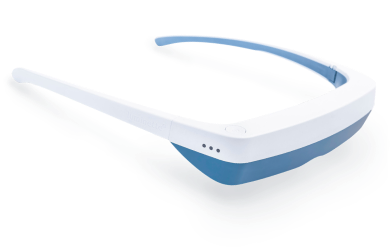
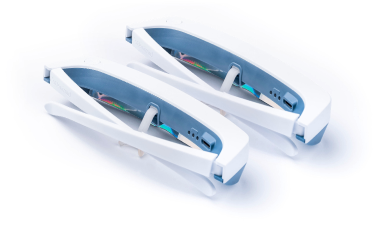
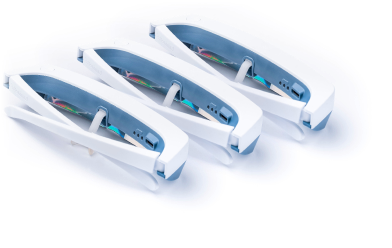
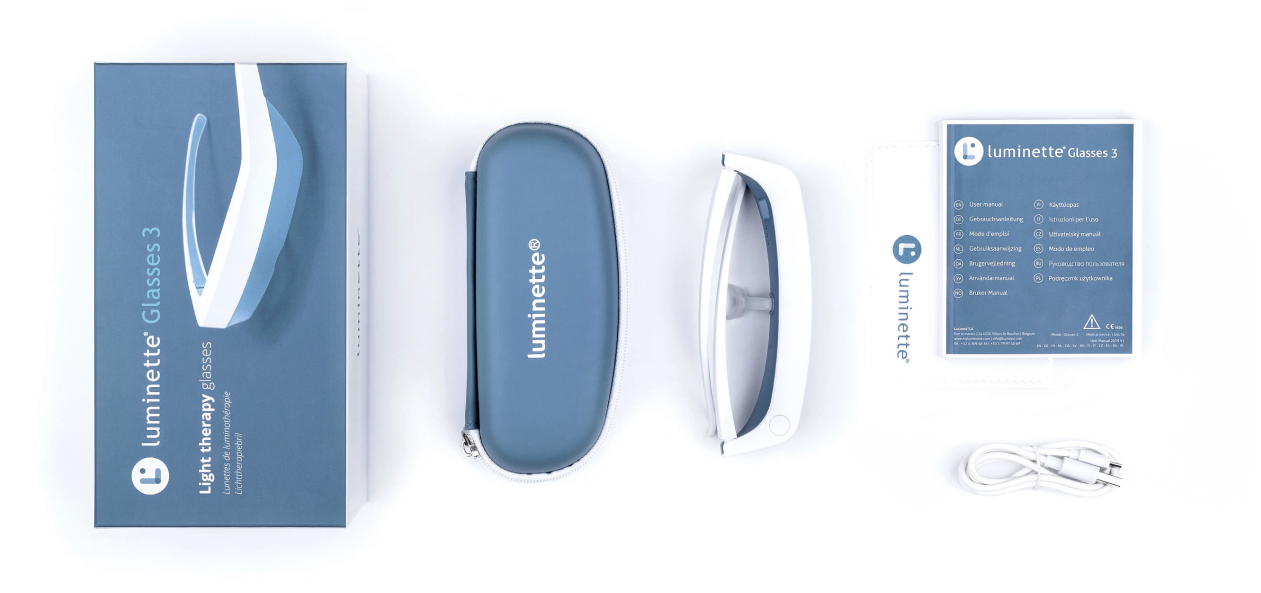
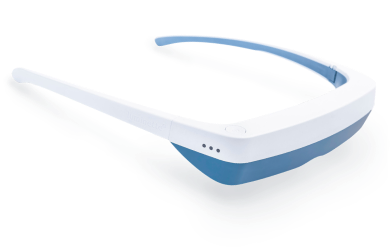
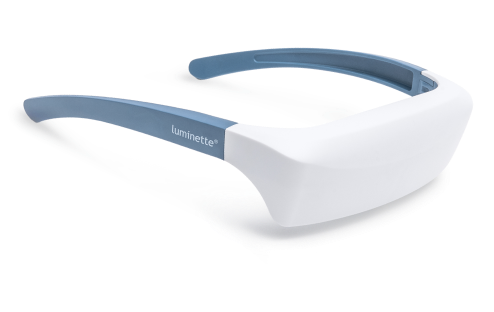
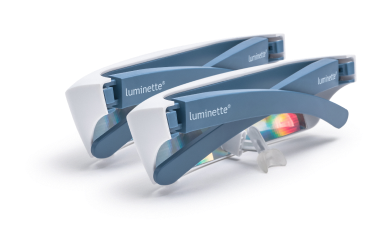
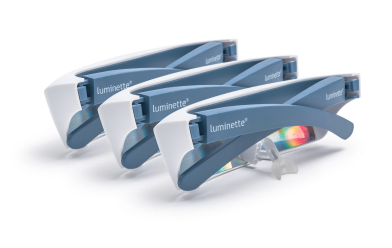
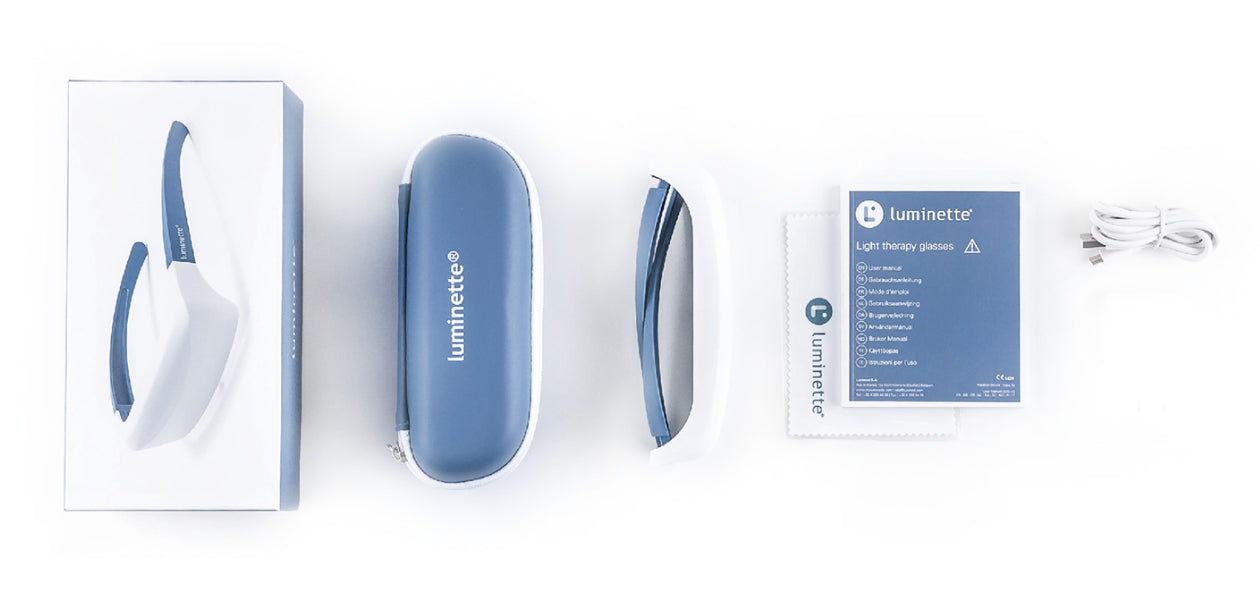
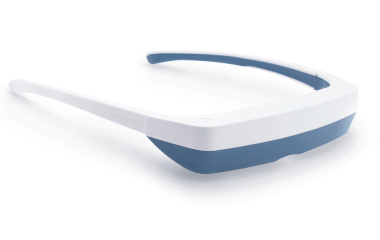
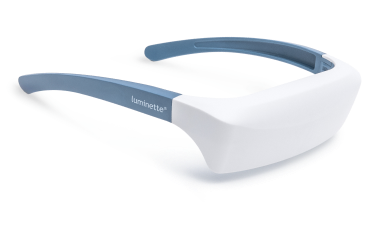
Designed for daily use, Luminette 3 is a lightweight, hands-free pair of light therapy glasses that can easily fit into your routine. Its portable design allows you to continue certain activities during a session, such as reading, having breakfast, or checking your emails. The blue-enriched white light is directed toward the eyes from above the field of vision. Depending on the intensity selected, a 20- to 30-minute session can be incorporated into your daily routine.
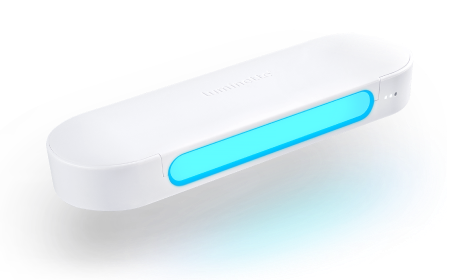
Drive — 2-in-1 Light Therapy Lamp
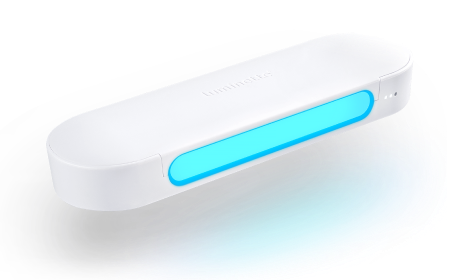
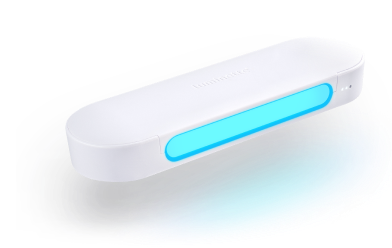
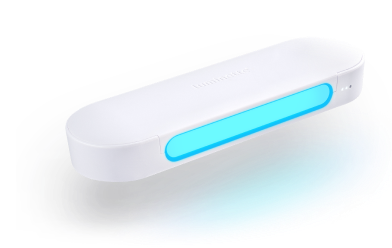
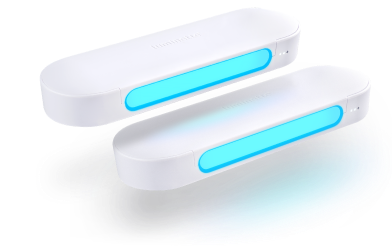
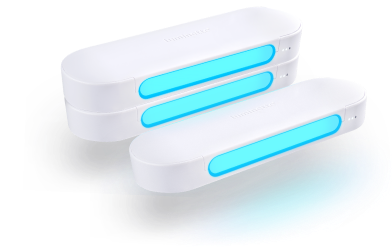
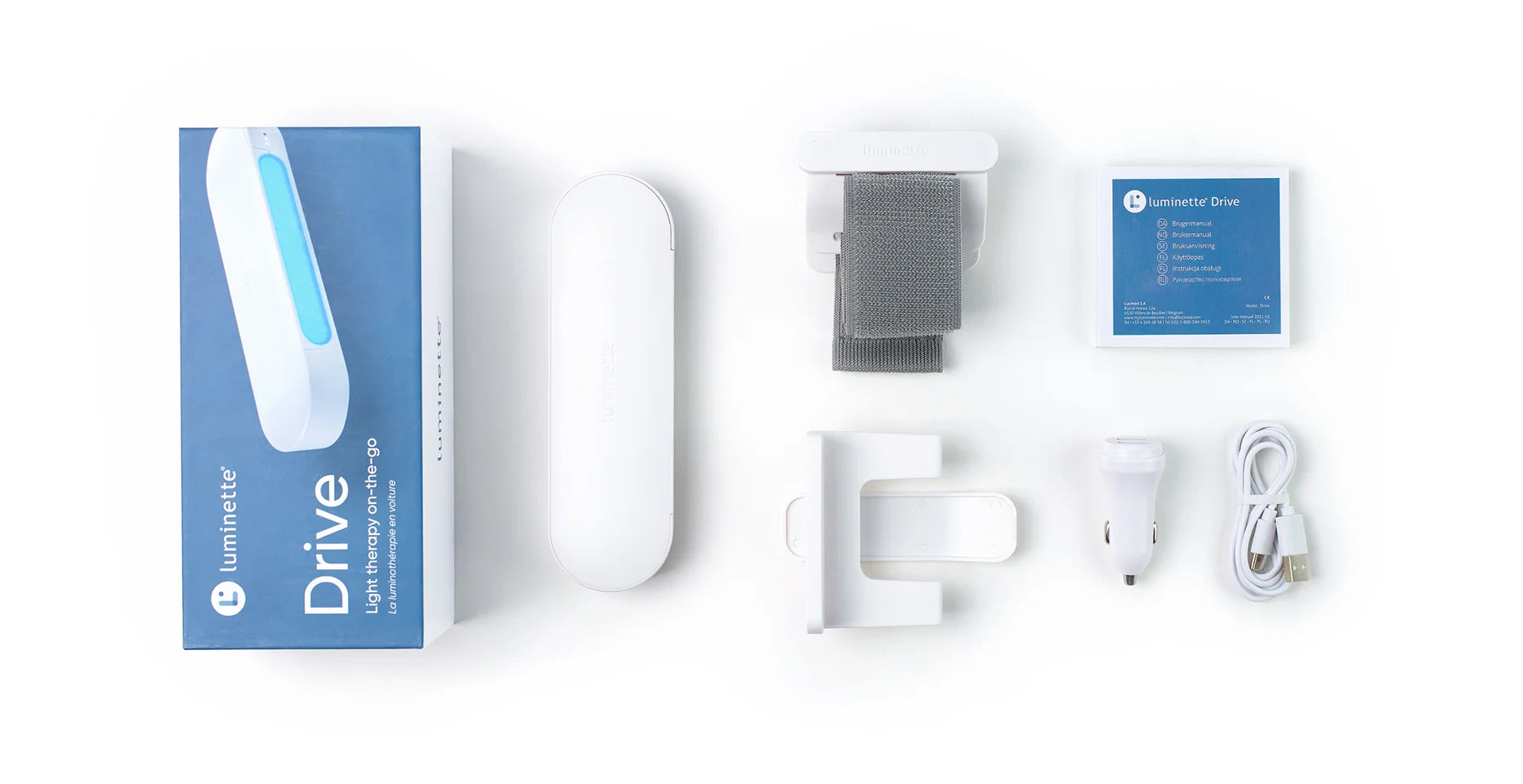
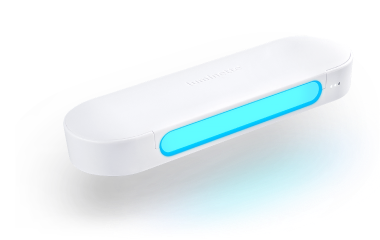
For those who prefer a stationary option, Drive is a compact device that can be used in front of a computer screen or during a car journey. It can therefore fit into a work routine or a morning commute without requiring you to wear light therapy glasses.
A Simple Way to Incorporate Light Therapy Into Your Routine
When natural light is limited, light therapy can be a practical way to incorporate targeted light exposure into your day. Luminette 3 allows you to continue certain activities during a session, while Drive offers a stationary option for the desk or certain journeys. In both cases, the goal is to choose a format that fits easily into your routine and that you can use regularly.
What Research Says About Natural Light and Mood
Research has examined the relationship between exposure to natural light and different indicators of well-being and mood. The findings suggest an association between greater exposure to daylight and certain aspects of well-being, although mood also depends on many other factors.
Conclusion
Natural light plays an important role in our everyday environment, particularly by providing signals to the biological clock and contributing to our sleep-wake rhythm. When exposure to daylight is limited, light therapy can be a practical way to incorporate targeted light exposure into your routine.
For people who spend a large part of their day indoors, making the most of natural light during the day remains a simple habit to incorporate whenever possible. When this is not enough or is not always practical, a light therapy session can complement this routine.
FAQ
There is no single amount of time that works for everyone. Exposure to natural light depends on factors such as the season, time of day, weather, and how much time you spend outdoors. When daylight exposure is limited, particularly in winter or when you spend a lot of time indoors, light therapy can be a practical way to incorporate targeted light exposure into your routine.
No. Natural and artificial light can provide different exposure conditions, including differences in intensity, light characteristics, and timing.Does light therapy work on cloudy days or in winter?Yes. Light therapy can be used when exposure to natural light is limited, particularly during the winter months or on very cloudy days.
Yes. Light therapy can be used when exposure to natural light is limited, particularly during the winter months or on very cloudy days.
For Luminette, use is generally recommended in the morning as part of a daily 20- to 30-minute session, depending on the intensity selected. Follow the usage recommendations provided with your device.


