




















Blue Monday et lunettes de luminothérapie : une façon plus lumineuse de vaincre le blues hivernal
Sleep & Circadian

Pourquoi ai-je du mal à me réveiller en me sentant reposé ?
Si vous vous réveillez le matin en vous sentant vaseux et sans énergie, vous n’êtes pas seul. Selon une étude de 2023, jusqu’à 60 % des jeunes adultes ne se sentent pas reposés après le réveil. De plus, ne pas dormir suffisamment n’est pas la seule raison d’un manque d’énergie le matin.
Plusieurs facteurs biologiques, environnementaux et psychologiques entrent en jeu lorsque l’on passe du sommeil à l’éveil. L’un des phénomènes les moins souvent évoqués qui peut rendre cette transition difficile est l’inertie du sommeil.
Exposition à la lumière naturelle
Votre corps est régi par une horloge biologique interne qui réagit aux signaux lumineux. Lorsqu’il est exposé à la lumière naturelle tout au long de la journée, ce système se met en marche et vous aide à rester éveillé et en forme.
En l’absence de lumière naturelle, le système se met en veille, ce qui vous aide à obtenir le repos dont vous avez besoin la nuit. Malheureusement, lorsque vous n’êtes pas suffisamment exposé à la lumière naturelle, ce système peut se dérégler, perturber le rythme naturel et provoquer des troubles du sommeil.
Alors, comment vous sentir reposé en renforçant ce cycle naturel ?
Essayez de vous exposer à la lumière du soleil au moins 30 minutes par jour, de préférence le matin après votre réveil. Cela aidera votre corps à réguler les niveaux de mélatonine, l’hormone du sommeil, et facilitera l’endormissement, le maintien du sommeil et le réveil en pleine forme.
La luminothérapie est une alternative idéale pour ceux qui ne peuvent pas profiter d’une exposition suffisante à la lumière naturelle. C’est un excellent moyen de reproduire l’exposition au soleil afin de réguler votre mélatonine et d’aligner votre cycle jour-nuit.
Lorsque vous utilisez des systèmes comme la lampe de luminothérapie Drive de Luminette, cela signale au cerveau qu’il est temps de se réveiller, renforçant ainsi un cycle veille-sommeil régulier.
La luminothérapie peut être particulièrement utile si vous vivez dans une région où la lumière du matin est rare ou si votre emploi du temps vous empêche de profiter de la lumière naturelle.
Utiliser quotidiennement des systèmes de luminothérapie peut améliorer considérablement votre sommeil et vous aider à vous réveiller plus frais et plus énergique.

Ne pas dormir suffisamment
Si vous vous réveillez soudainement d’un sommeil paradoxal profond, votre cerveau peut déclencher une inertie du sommeil. Cette transition brutale ne lui laisse pas le temps de se préparer progressivement à l’état d’éveil, ce qui entraîne désorientation et fatigue.
Privation de cycle de sommeil
Vous pouvez vous retrouver pris dans le cycle de l’inertie du sommeil si vous avez l’habitude de ne pas dormir suffisamment. Lorsque vous êtes en manque de sommeil, votre corps réclame davantage de repos, et se réveiller ressemble alors à une tâche herculéenne.
Qualité de sommeil insuffisante
Passer un certain nombre d’heures au lit ne suffit pas pour dormir de manière réparatrice. Il faut des cycles de sommeil adaptés, avec du sommeil paradoxal et du sommeil non paradoxal, pour se sentir pleinement reposé.
Si vous souffrez de troubles médicaux comme l’apnée du sommeil, vos cycles peuvent être perturbés la nuit, ce qui entraîne un sommeil de mauvaise qualité. Lorsque vous vous réveillez après un tel sommeil, votre cerveau n’est pas complètement reposé, et vous vous sentez étourdi et fatigué, même après 8 à 9 heures passées au lit.
Luminette 3 : lunettes de luminothérapie révolutionnaires
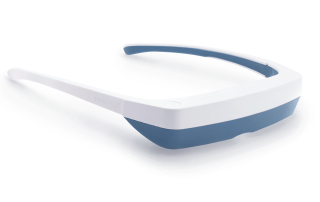
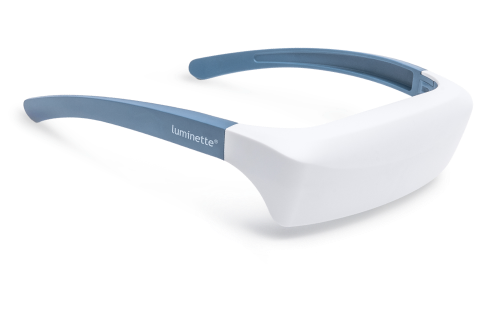
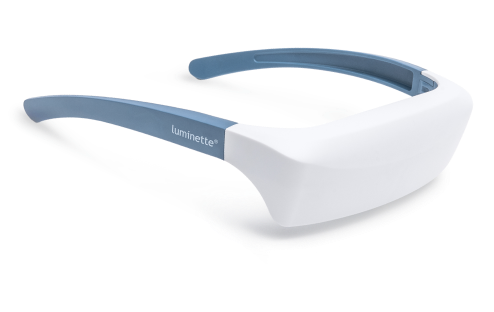
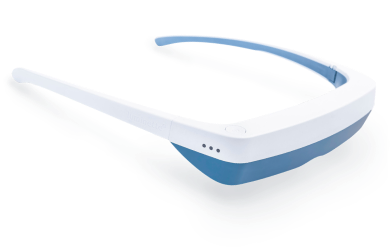
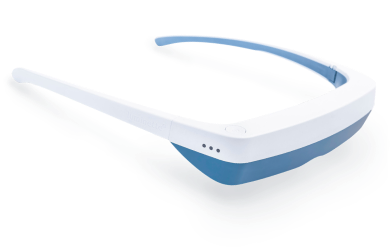
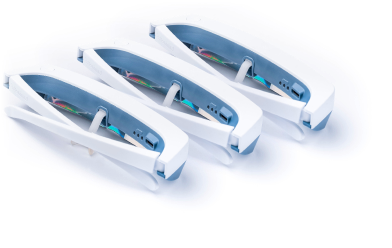
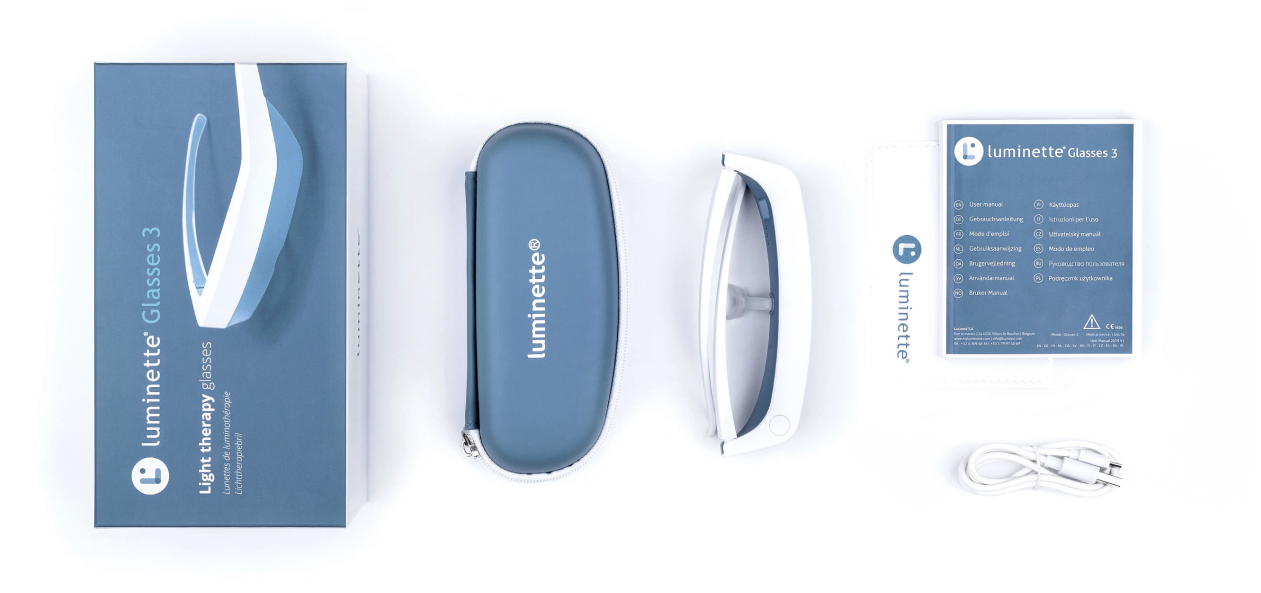
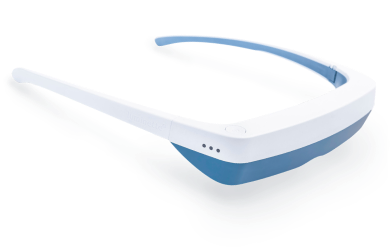
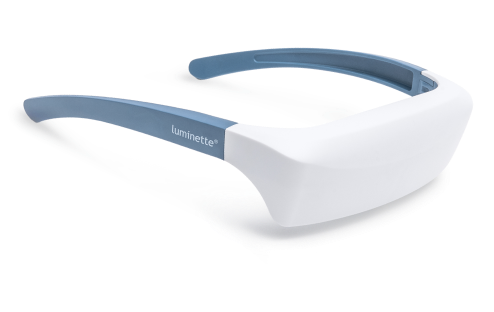
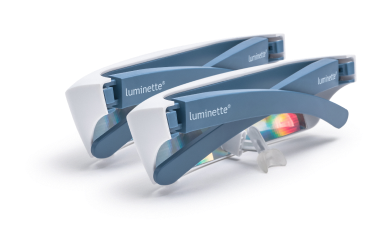
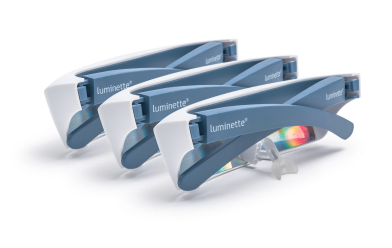
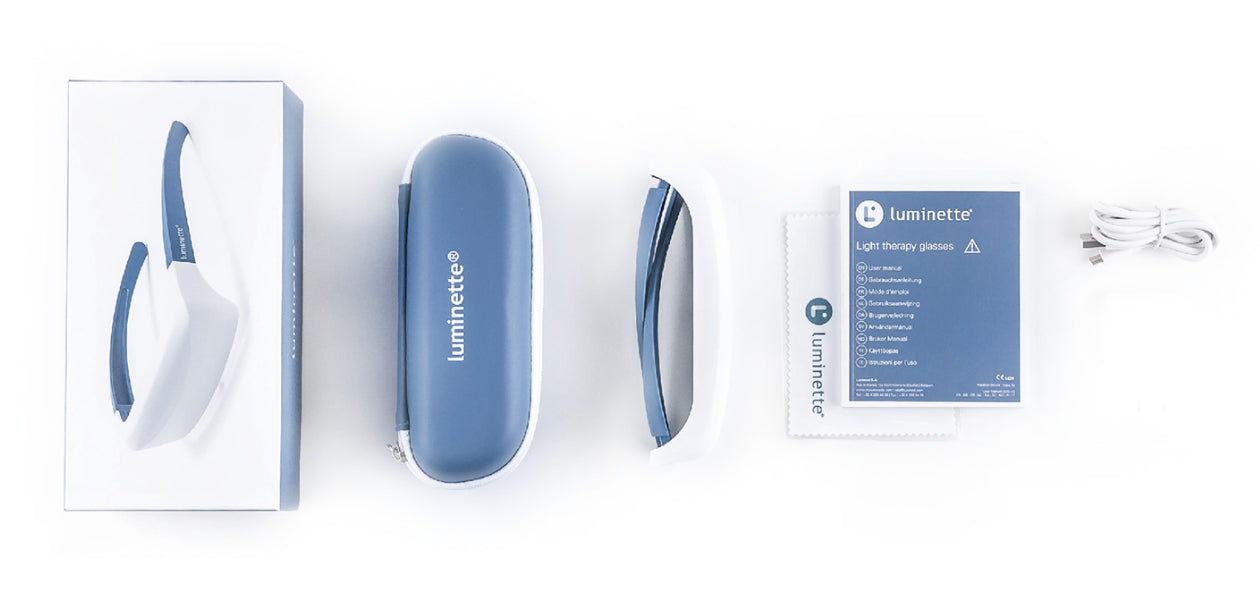
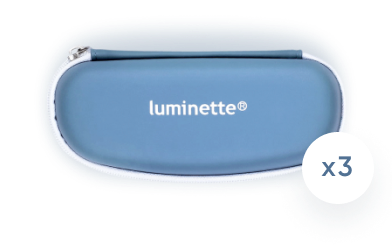
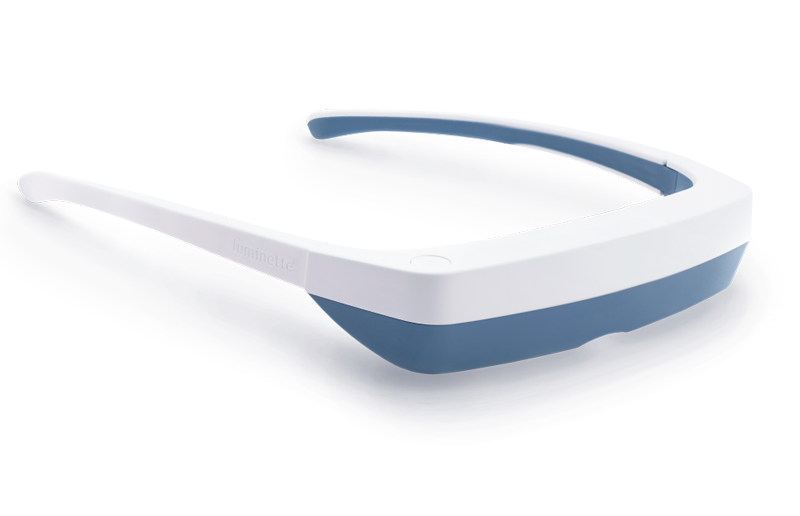
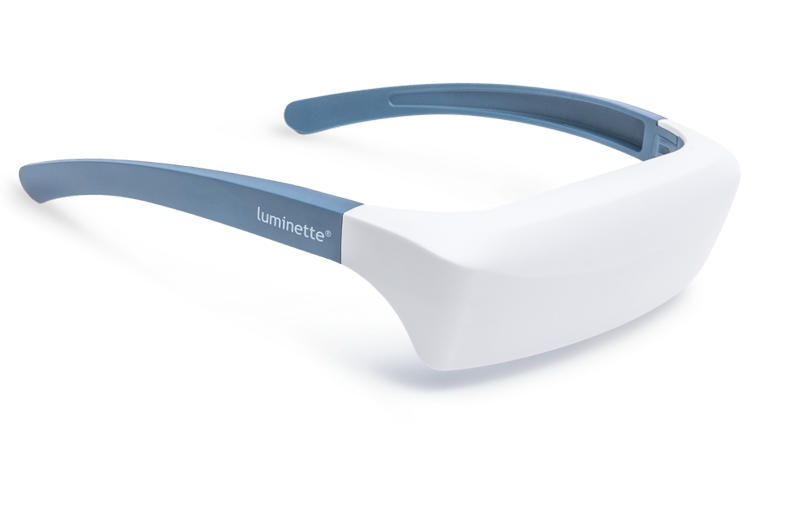
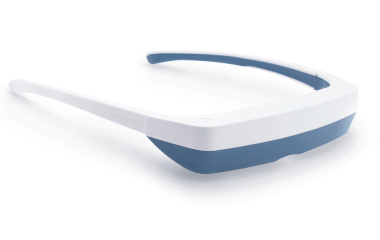
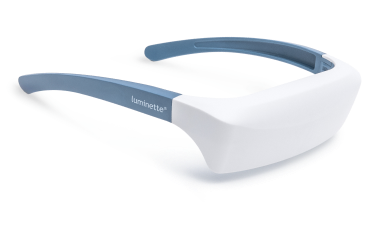
La Luminette 3 offre une solution mains libres contre la somnolence matinale en diffusant une luminothérapie ciblée pendant que vous vaquez à vos activités quotidiennes. Ces lunettes innovantes émettent une lumière blanche enrichie en bleu à 1 500 lux, calibrée pour signaler à votre cerveau qu’il est temps d’être alerte et éveillé. Contrairement aux boîtiers de luminothérapie traditionnels qui exigent de rester immobile, la Luminette 3 vous permet de poursuivre votre routine matinale, que vous preniez votre petit-déjeuner, lisiez ou vous prépariez pour le travail.
Le système optique breveté place la lumière au-dessus de votre champ de vision, vous offrant ainsi les bienfaits thérapeutiques sans éblouissement ni gêne pour vos activités quotidiennes. Avec seulement 65 grammes, ces lunettes légères sont suffisamment confortables pour être portées pendant les séances recommandées de 20 à 60 minutes. Des études cliniques ont montré que 68 % des utilisateurs ont constaté une amélioration de la qualité du sommeil, tandis que 58 % ont remarqué une hausse de leur niveau d’énergie et une diminution de la fatigue.
Luminette Drive : luminothérapie portable pour un mode de vie actif
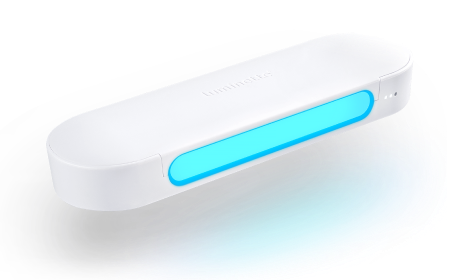
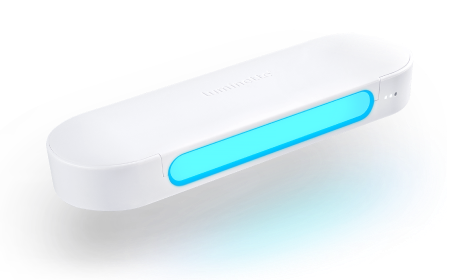
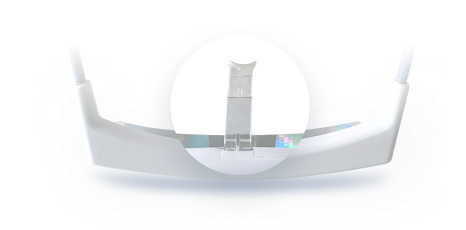
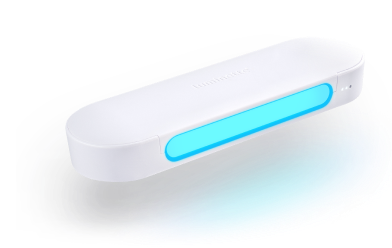
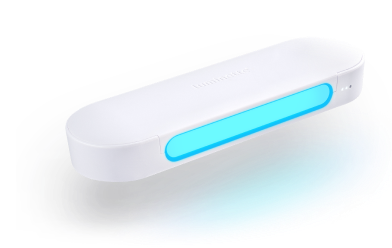
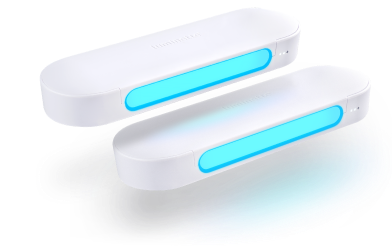
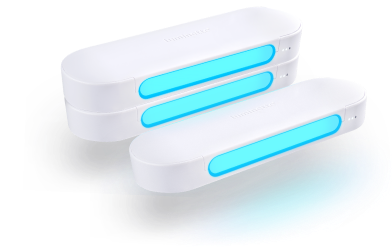
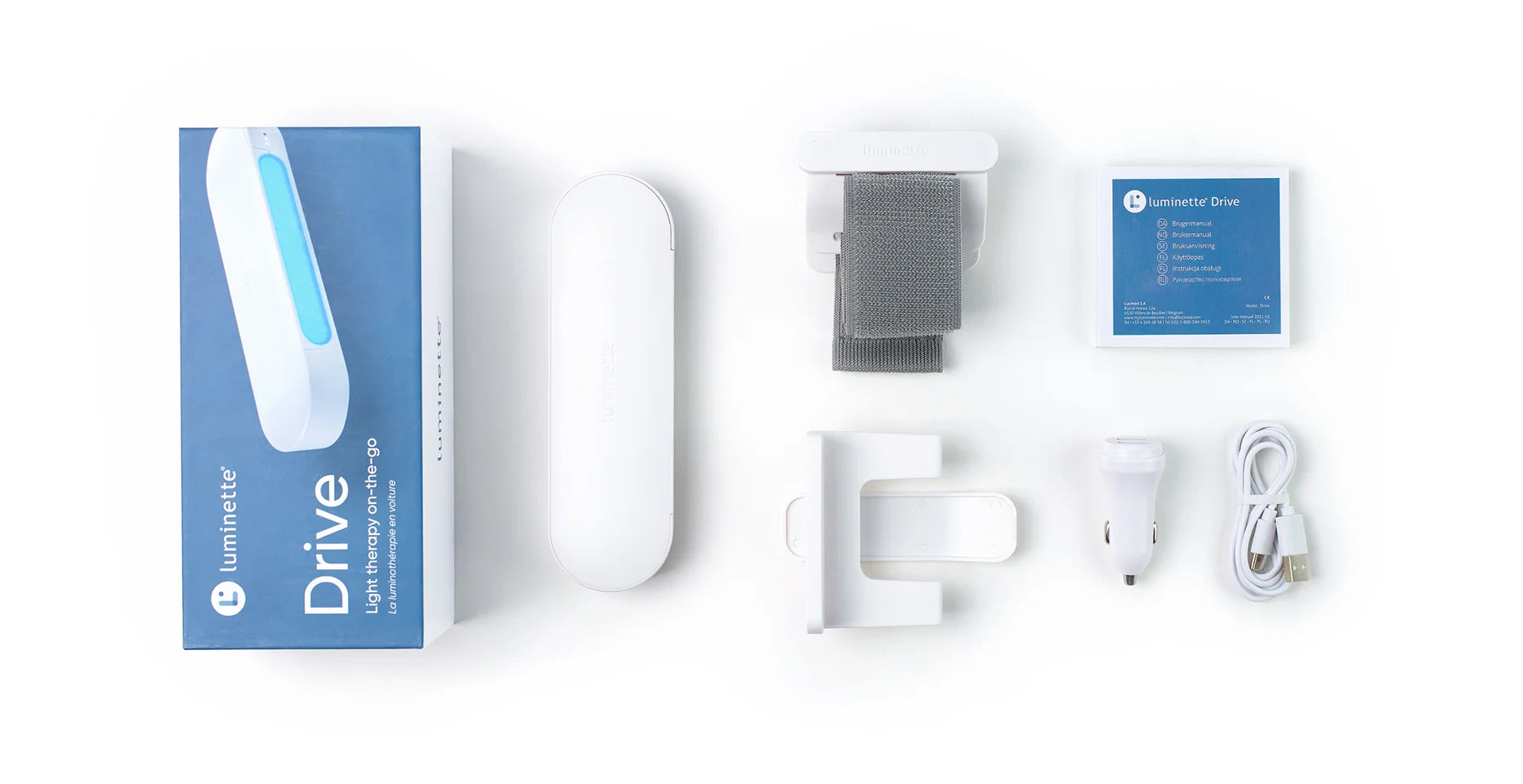
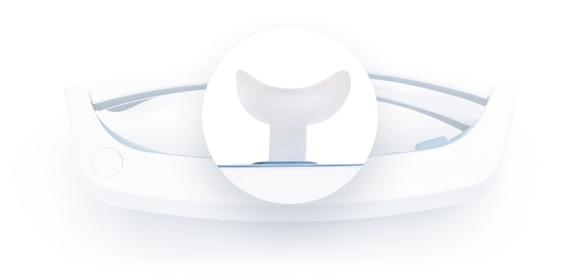
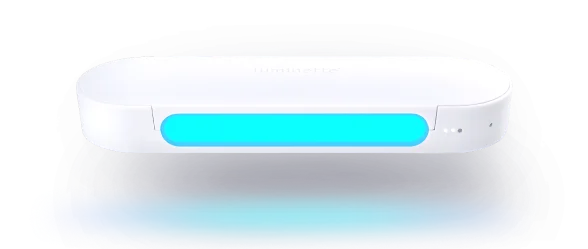
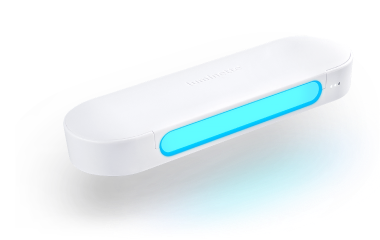
Pour ceux qui peinent à gérer les trajets du matin ou passent de longues heures devant un ordinateur, la Luminette Drive offre une solution unique 2-en-1. Ce dispositif compact et portable se fixe facilement au pare-soleil de votre voiture ou au bord de votre écran d’ordinateur, vous permettant de recevoir une luminothérapie pendant les activités que vous faites déjà.
Le système de clip magnétique du Drive permet une installation et un retrait en quelques secondes seulement. Avec trois intensités lumineuses réglables et des séances de 20 à 45 minutes, vous pouvez personnaliser votre exposition à la lumière selon vos besoins et votre sensibilité. L’appareil utilise une lumière bleue de faible intensité positionnée au-dessus de votre ligne de regard, afin de ne pas nuire à la sécurité de conduite ni à votre productivité au travail.
| Créneau horaire |
Objectif |
Type de lumière |
Exemple |
| Matin, 0 à 60 min après le réveil |
Avance de phase et vigilance |
Luminothérapie ou lumière blanche enrichie en bleu, fort éclairement |
Session Luminette 3 de 20 à 40 min |
| Travail en journée |
Vigilance soutenue |
Lumière de travail neutre ou froide, modérée à intense |
Éclairage de bureau 4000 à 5000 K, pauses à la lumière du jour |
| Soir, 2 h avant le coucher |
Préservation de la mélatonine |
Lumière chaude, tamisée, diffuse |
Lampes 2200 à 2700 K, faible éblouissement, pas d’écrans lumineux |
| Créneau horaire |
Objectif |
Type de lumière |
Exemple |
| Matin, 0 à 60 min après le réveil |
Avance de phase et vigilance |
Luminothérapie ou lumière blanche enrichie en bleu, fort éclairement |
Session Luminette 3 de 20 à 40 min |
| Travail en journée |
Vigilance soutenue |
Lumière de travail neutre ou froide, modérée à intense |
Éclairage de bureau 4000 à 5000 K, pauses à la lumière du jour |
| Soir, 2 h avant le coucher |
Préservation de la mélatonine |
Lumière chaude, tamisée, diffuse |
Lampes 2200 à 2700 K, faible éblouissement, pas d’écrans lumineux |

Qu’est-ce que l’inertie du sommeil ?
In simple words, sleep inertia refers to grogginess and impaired performance immediately after waking up.
While we have all experienced sleep inertia occasionally, it becomes a problem when it lasts for several minutes or even hours.
The phenomenon was first identified in the 1950s among US Air Force pilots. The pilots reported feeling especially groggy, which impairs their performance and cognitive ability during early morning flight drills. When you wake up, different parts of your brain don't activate at the same speed. Your motor functions might be working, but you prefrontal cortex - responsible for decision-making , attention, and complex thinking - takes longer to fully "boot up." This creates the sensation that your mind is lagging behind your body. Sleep inertia occurs because your brain needs time to transition from sleep mode to wake mode. During sleep, your brain produces adenosine and other sleep-promoting chemicals. Upon waking, these substances don't immediately disappear, leaving you feeling drowsy and mentally foggy until your system clears them out.
Most people experience sleep inertia for 15-30 minutes after waking. However, severity can vary based on several factors including which sleep stage you wake up from, how much sleep debt you have accumulated, your individual body's clock timing, and environmental factors like light exposure. Waking up from deep sleep typically causes more severe inertia than waking from lighter sleep stages.
While mild morning grogginess is normal, sleep inertia becomes concerning when it lasts longer than an hour after waking, significantly impacts your daily performance, occurs despite getting adequate sleep, or interferes with safety-sensitive activities like driving. Today's lifestyle factors such as irregular sleep schedules, blue light exposure before bed, and poor sleep quality can worsen sleep inertia, making it more severe and longer-lasting than our ancestors likely experienced.
FAQ
Si vous voulez vous réveiller en vous sentant reposé, faites régulièrement de l’exercice, limitez votre consommation de caféine et d’alcool, et évitez les écrans avant le coucher. Ces habitudes aideront votre corps à réinitialiser son horloge biologique et vous offriront un sommeil plus réparateur.
Si vous voulez vous réveiller en vous sentant reposé, faites régulièrement de l’exercice, limitez votre consommation de caféine et d’alcool, et évitez les écrans avant le coucher. Ces habitudes aideront votre corps à réinitialiser son horloge biologique et vous offriront un sommeil plus réparateur.
Si vous voulez vous réveiller en vous sentant reposé, faites régulièrement de l’exercice, limitez votre consommation de caféine et d’alcool, et évitez les écrans avant le coucher. Ces habitudes aideront votre corps à réinitialiser son horloge biologique et vous offriront un sommeil plus réparateur.
Si vous voulez vous réveiller en vous sentant reposé, faites régulièrement de l’exercice, limitez votre consommation de caféine et d’alcool, et évitez les écrans avant le coucher. Ces habitudes aideront votre corps à réinitialiser son horloge biologique et vous offriront un sommeil plus réparateur.
Si vous voulez vous réveiller en vous sentant reposé, faites régulièrement de l’exercice, limitez votre consommation de caféine et d’alcool, et évitez les écrans avant le coucher. Ces habitudes aideront votre corps à réinitialiser son horloge biologique et vous offriront un sommeil plus réparateur.
Si vous voulez vous réveiller en vous sentant reposé, faites régulièrement de l’exercice, limitez votre consommation de caféine et d’alcool, et évitez les écrans avant le coucher. Ces habitudes aideront votre corps à réinitialiser son horloge biologique et vous offriront un sommeil plus réparateur.
Un sommeil réparateur et relaxant est nécessaire si vous voulez atteindre une productivité maximale et maintenir votre bien-être général. Malheureusement, tout le monde n’a pas la chance d’accueillir le matin avec entrain et enthousiasme.
Une nuit de sommeil réparatrice repose sur l’interaction entre la génétique, l’hygiène du sommeil et des routines matinales personnalisées. Même si vous n’avez pas de prise sur la génétique, vous pouvez faire beaucoup pour bien gérer les deux autres facteurs.
Comprendre la science du sommeil et adopter des habitudes matinales efficaces est essentiel si les matins sont difficiles pour vous et que vous voulez vous réveiller en pleine forme.
Voyons cela plus en détail dans cet article et découvrons des stratégies étayées par la science pour vous aider à vous réveiller frais et reposé.


