













Světelná terapie v létě: Potřebujete ji stále?

Většina lidí odkládá zařízení pro světelnou terapii, jakmile přijde léto. S dřívějšími východy slunce, delšími večery a množstvím přirozeného denního světla se zdá, že už ho není potřeba. Ne vždy tomu tak ale je.
To, zda vám světelná terapie prospívá, neurčuje pouze roční období. Záleží na tom, kdy a kolik jasného světla skutečně přijímáte. Pokud trávíte většinu rán uvnitř, dojíždíte do práce nebo trávíte den před obrazovkou, můžete i v létě přijímat mnohem méně jasného světla, než si myslíte.
Proto někteří lidé používají světelnou terapii i během teplejších měsíců. Cílem není nahrazovat kratší zimní dny, ale jednoduše poskytnout jasné světlo v době, kdy ho tělo nejvíce potřebuje. Jinými slovy, delší dny automaticky neznamenají, že dostáváte jasné ranní světlo, které vaše tělo potřebuje.
Je světelná terapie pouze na zimu?
Vůbec ne. Světelná terapie je často spojována se zimou, protože se široce používá k tomu, aby lidem pomohla vyrovnat se s omezeným denním světlem během chladnějších měsíců. Postupem času to vedlo mnoho lidí k domněnce, že je užitečná pouze v době krátkých dnů.
Ve skutečnosti světelná terapie nesouvisí s ročním obdobím, ale s vystavením světlu. Jejím účelem je poskytnout jasné světlo v době, kdy ho tělo nejvíce potřebuje, zejména ráno. Toto světlo pomáhá podporovat váš cirkadiánní rytmus, vnitřní biologické hodiny, které regulují váš cyklus spánku a bdění. Jedním z hlavních časových signálů pro tělo je okamžik, kdy světlo dopadá do očí. Silný signál ranního světla pomáhá tělu rozlišit začátek dne od večera a podporuje stabilnější denní rytmus.
Když je ranního světla málo nebo přichází příliš pozdě během dne, váš cirkadiánní rytmus se může vychýlit z rovnováhy bez ohledu na roční období. Stejně snadno k tomu může dojít i v létě, pokud trávíte většinu rán uvnitř nebo máte nepravidelný režim. Proto může světelná terapie některým lidem prospívat po celé léto.
Položte si jednu jednoduchou otázku: kolik času skutečně trávíte ráno venku? Pokud se probouzíte uvnitř, dojíždíte autem nebo veřejnou dopravou a zbytek dne trávíte pod umělým osvětlením, můžete přijímat mnohem méně jasného světla, než si uvědomujete. Běžné vnitřní osvětlení poskytuje přibližně 300 až 500 luxů, zatímco jasné letní ráno venku může snadno překročit 10 000 luxů. I když rozdíl není na první pohled zřejmý, množství světla dopadajícího do vašich očí se výrazně liší.
Pro mnoho lidí není problémem nedostatek denního světla venku, ale nedostatek vystavení tomuto světlu během části dne, kdy na něm záleží nejvíce. Světelná terapie je navržena tak, aby poskytovala jasné světlo v situacích, kdy ho vaše každodenní prostředí neposkytuje.
Kdo může mít ze světelné terapie prospěch i v létě?
Navzdory rozšířenému přesvědčení není světelná terapie užitečná jen v zimě. Některým lidem může prospívat po celé léto v závislosti na jejich každodenním vystavení světlu, nikoli na samotném ročním období. Pokud ráno nemáte dostatek jasného světla — nebo se mu vystavujete později, než vaše tělo potřebuje — může mít světelná terapie stále své místo.
Zde jsou některé z nejčastějších situací, kdy k tomu může dojít.
Lidé, kteří pracují uvnitř. Pokud trávíte většinu dne v kanceláři, můžete dostávat mnohem méně přirozeného světla, než si uvědomujete. Brzké dojíždění, hodiny pod umělým osvětlením a málo času stráveného ráno venku mohou omezit vaše vystavení jasnému světlu, a to i v létě. Práce u okna může prostor opticky prosvětlit, ale množství světla dopadajícího do vašich očí je často mnohem menší, než by bylo venku.
Lidé, kteří pracují na noční směny nebo v nepravidelnou dobu. Práce v noci nebo střídání směn často znamená, že vaše vystavení světlu již neodpovídá přirozenému cyklu dne a noci. V takových situacích může řízení vystavení světlu podle vašeho rozvrhu — nikoli podle ročního období — pomoci podpořit váš cirkadiánní rytmus. Protože každý směnný režim je jiný, ideální načasování vystavení světlu by mělo být přizpůsobeno vaší individuální rutině.
Častí cestovatelé. Pásmová nemoc se neomezuje jen na zimu. Ať už cestujete pracovně, nebo na dovolenou, překročení několika časových pásem může dočasně narušit váš cirkadiánní rytmus. Správně načasované jasné světlo může vašemu tělu pomoci rychleji se přizpůsobit jak po příjezdu, tak po návratu domů. Díky tomu může být snazší vrátit se po cestě k obvyklému režimu, zejména pokud cestujete často.
Lidé vystavení velmi pozdnímu západu slunce. V některých oblastech trvá v létě denní světlo až do pozdního večera. U některých lidí může toto dlouhodobé vystavení světlu ztížit dodržování brzkého času usínání. Delší pobyt venku za jasných letních večerů může také přirozeně prodloužit dobu vystavení světlu. V takových situacích může ranní jasné světlo — a omezení vystavení jasnému světlu později večer — pomoci podpořit pravidelnější režim spánku a bdění.
Lidé, kteří vstávají brzy. Pokud pravidelně vstáváte velmi brzy kvůli práci nebo cvičení, delší letní večery mohou ztížit dodržování brzkého času usínání. V důsledku toho může být obtížnější dostatečně se vyspat a zároveň zachovat stejnou brzkou ranní rutinu. Ranní světlo může pomoci podpořit pravidelný rytmus a usnadnit dodržování vašeho obvyklého režimu.
V každé z těchto situací nezáleží jen na množství světla, ale také na tom, kdy mu jste vystaveni. To je jeden z důvodů, proč přínosy světelné terapie nejsou omezeny na zimní měsíce.
Jak používat světelnou terapii v létě, aniž by narušila spánek
Používání světelné terapie v létě se řídí stejnými základními principy jako v zimě: nejdůležitějším faktorem je, kdy ji používáte. Pro většinu lidí je nejlepší ráno, ideálně během první hodiny po probuzení, kdy má jasné světlo na váš cirkadiánní rytmus největší vliv.
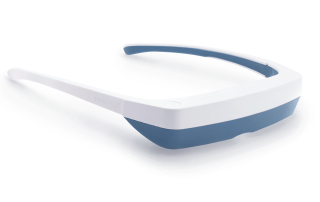
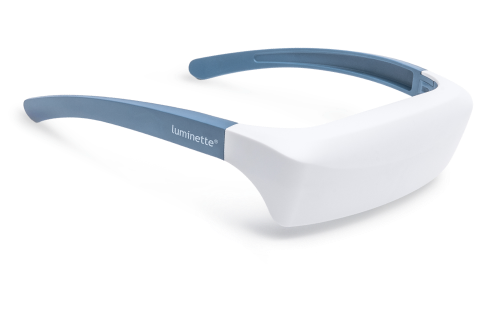
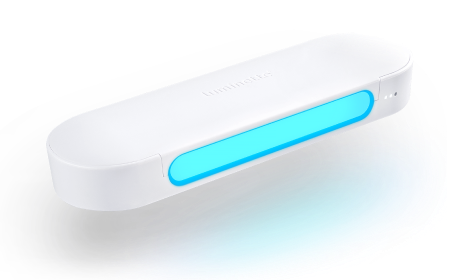
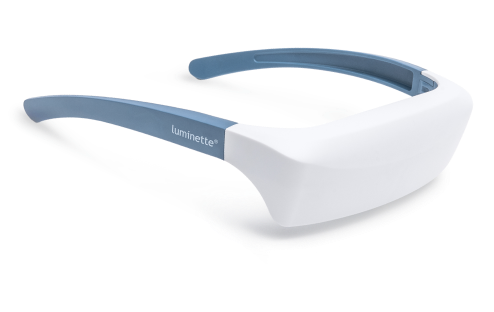
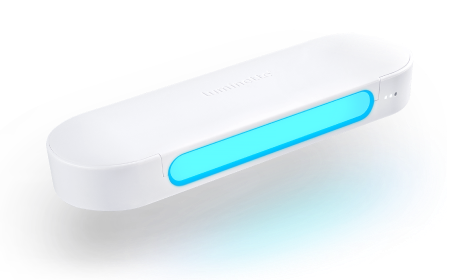
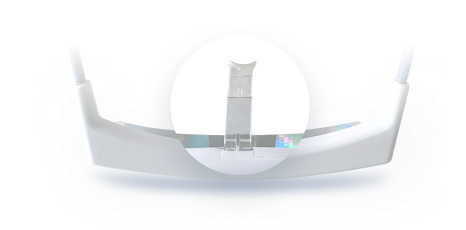
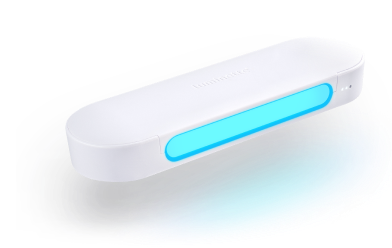
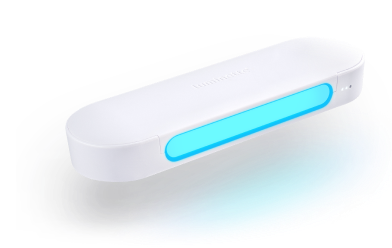
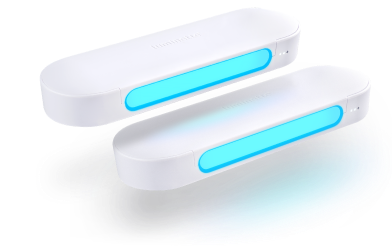
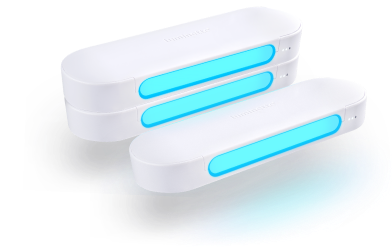
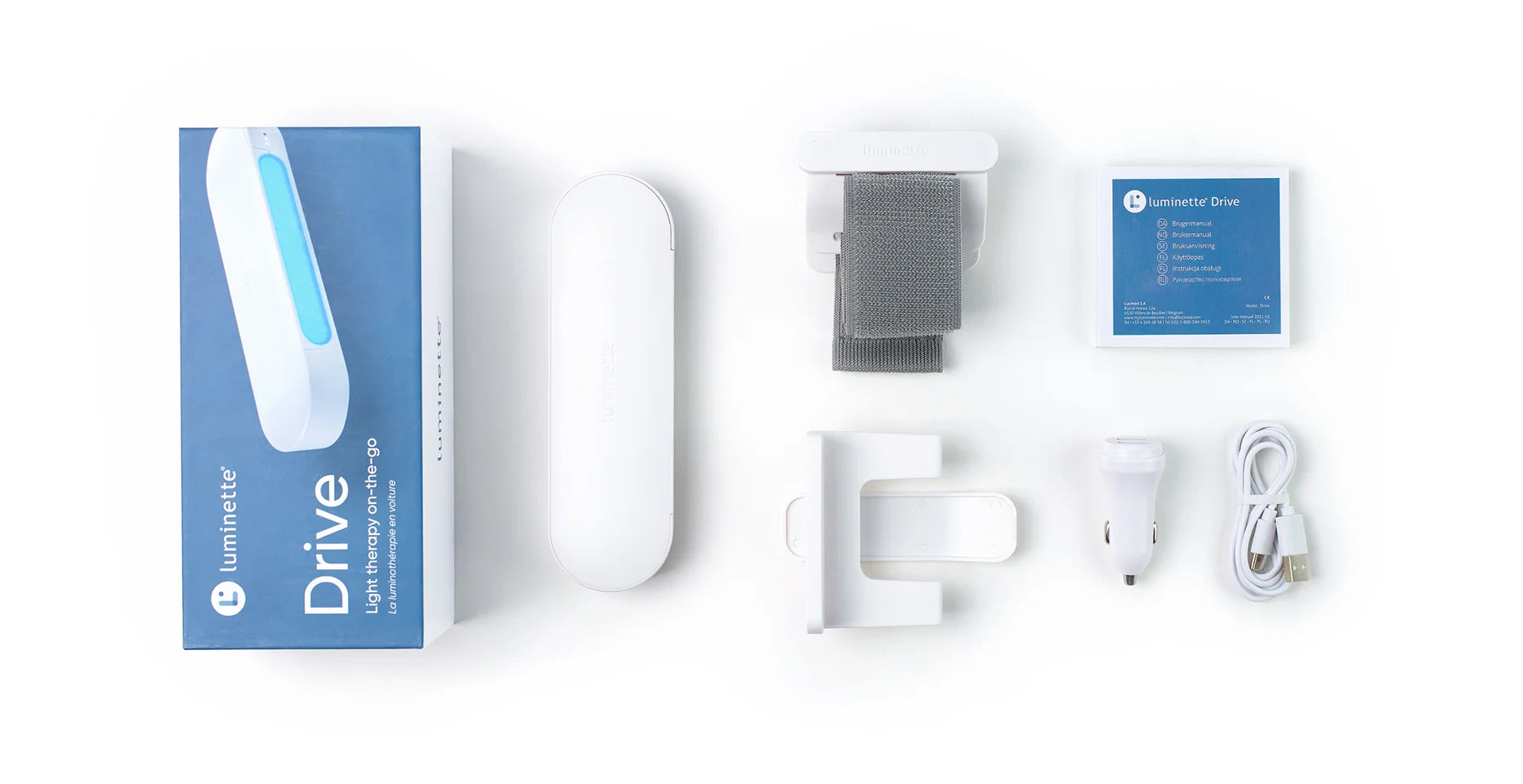
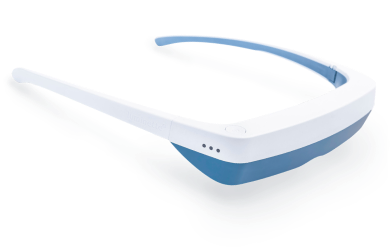
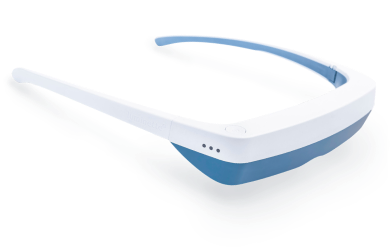
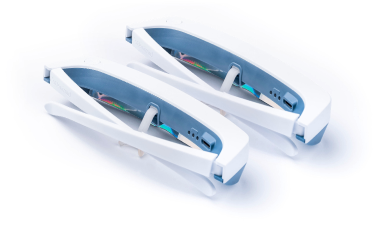
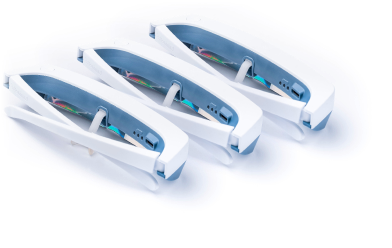
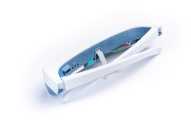
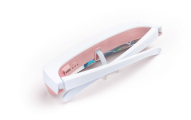
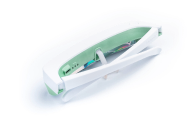
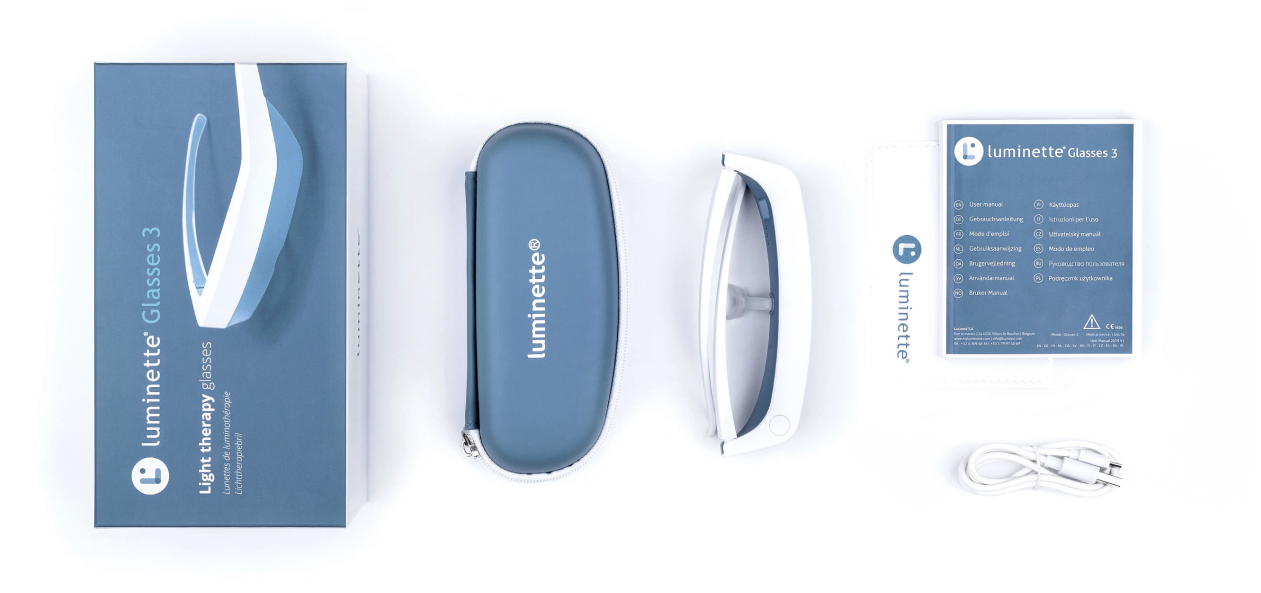
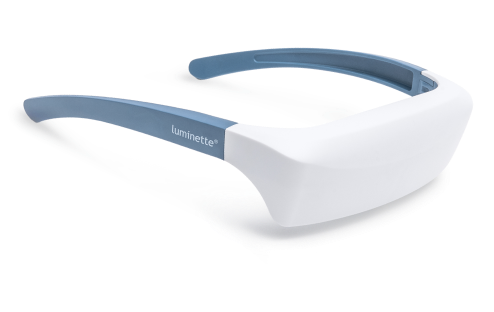
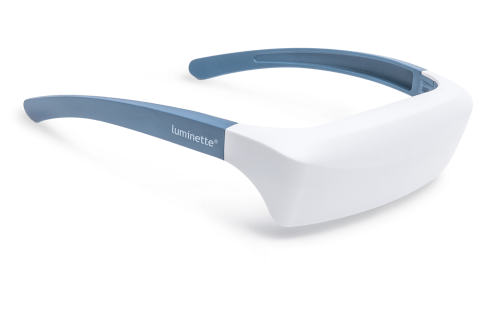
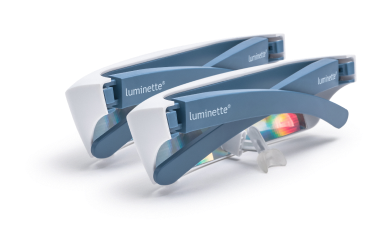
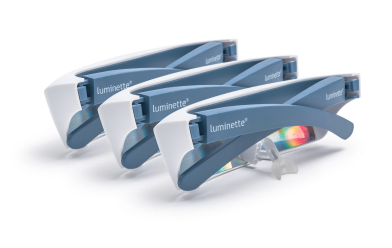
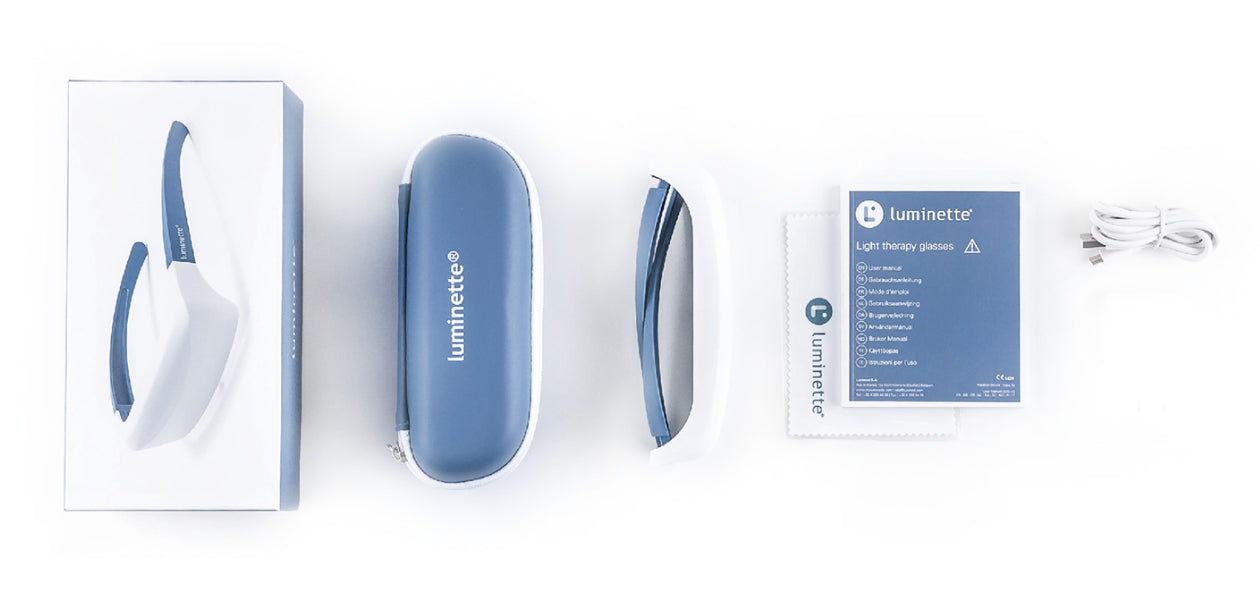
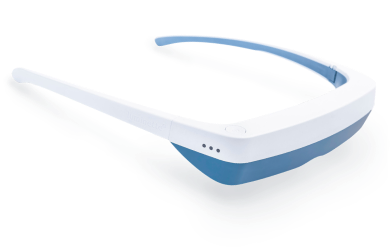
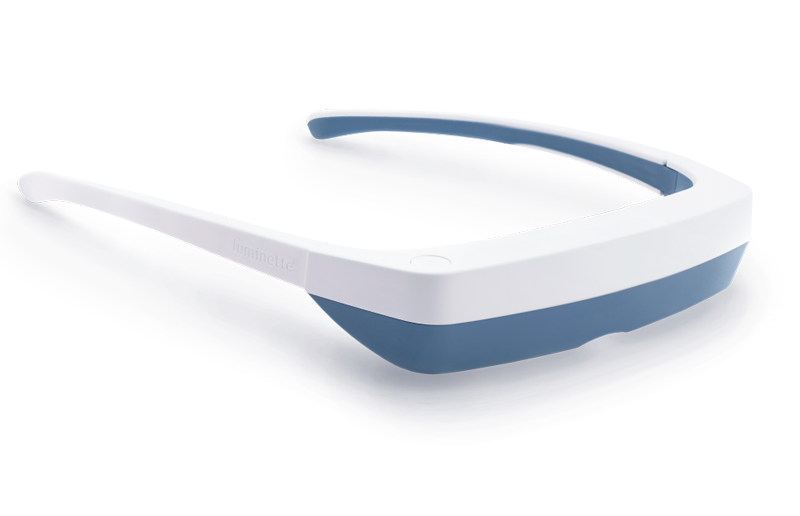
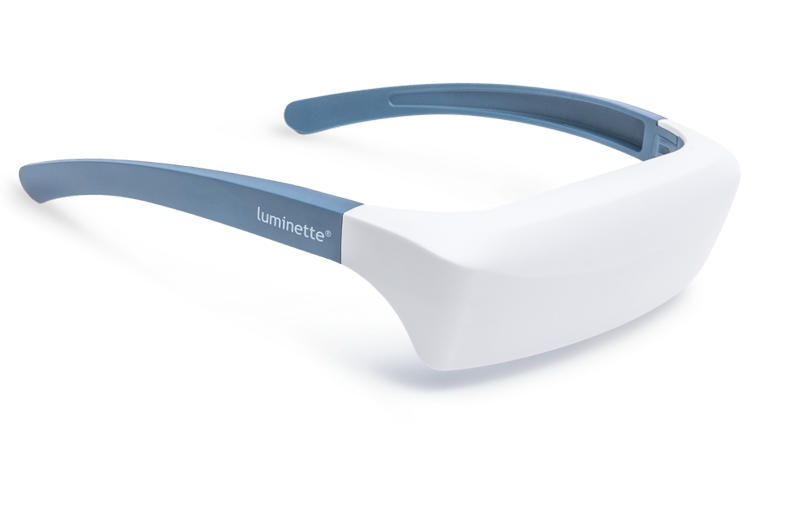
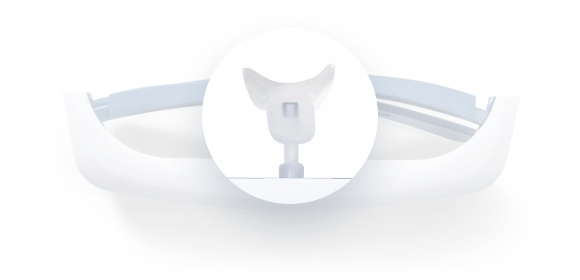
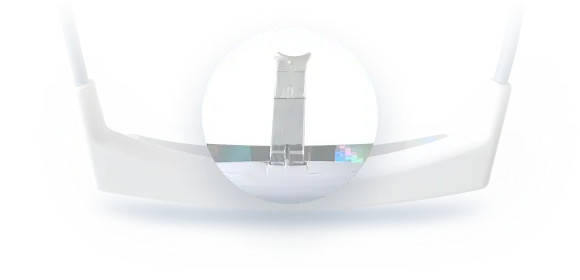
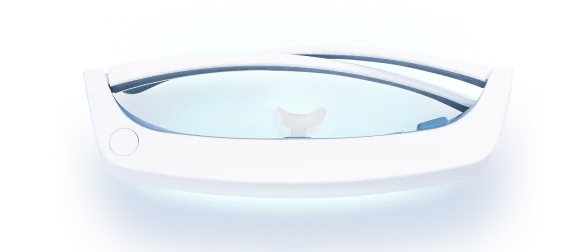
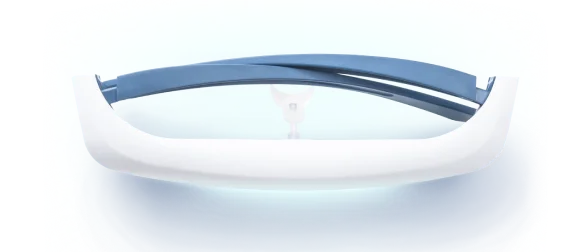
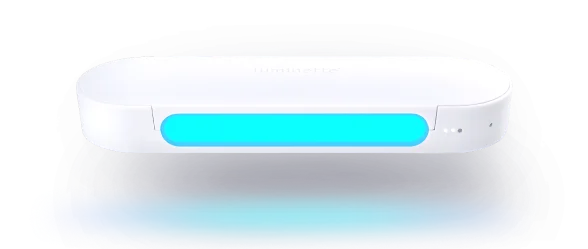
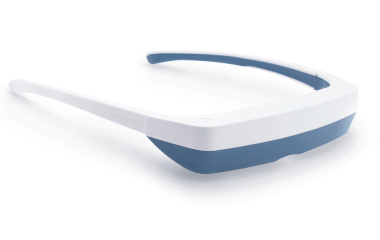
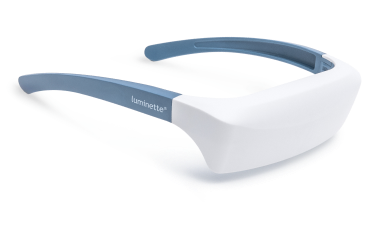
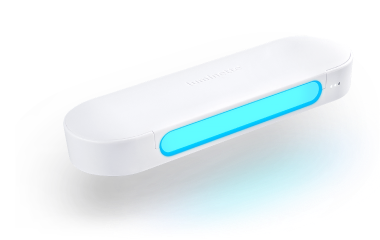
Pravidelnost je stejně důležitá jako načasování. Pravidelné používání světelné terapie každé ráno obecně poskytuje konzistentnější světelný signál než příležitostné používání. Nejjednodušší způsob, jak si tento návyk vytvořit, je začlenit jej do činnosti, která už je součástí vaší rutiny, například do snídaně, čtení e-mailů nebo přípravy na den. Nositelné přístroje, jako je Luminette to usnadňují, protože vám umožňují pokračovat v běžných činnostech během sezení. Pro řidiče platí, Řiďte poskytuje také praktickou možnost použití během ranní cesty do práce.
Doporučená délka sezení závisí na typu používaného přístroje. Tradiční lampy pro světelnou terapii s intenzitou 10 000 luxů se obvykle používají 20 až 30 minut. Nositelné přístroje, jako je Luminette, jsou navrženy k nošení v blízkosti očí a pracují s nižší intenzitou světla, obvykle mezi 500 a 1 500 luxy. Stejně jako u každého přístroj pro světelnou terapii, je důležité řídit se pokyny výrobce.
V létě stojí za zvážení také vaše celkové vystavení světlu. Protože denní světlo přirozeně trvá déle, obecně je nejlepší používat světelnou terapii ráno a vyhnout se dalším sezením později během dne. U některých lidí může dodatečné jasné světlo večer ztížit usínání nebo dodržování obvyklého spánkového režimu.
Může světelná terapie pomoci s potížemi se spánkem v létě?
Ano, v některých situacích. Světelná terapie nepůsobí přímo na spánek. Místo toho pomáhá podporovat váš cirkadiánní rytmus, vnitřní hodiny těla, které regulují cyklus spánku a bdění. Při používání ráno může pomoci udržovat pravidelnější denní rytmus, což může být obzvlášť užitečné, pokud delší denní světlo ztěžuje dodržování vašeho obvyklého spánkového režimu. Tím, že posiluje vystavení jasnému světlu na začátku dne, pomáhá světelná terapie poskytovat cirkadiánnímu rytmu jasnější časový signál, i když večery zůstávají déle světlé.
Světelná terapie funguje nejlépe v kombinaci s dalšími zdravými spánkovými návyky. Pravidelný spánkový režim, omezení vystavení jasnému světlu večer a případné používání zatemňovacích závěsů mohou pomoci udržet stabilní cirkadiánní rytmus. Tyto návyky společně vytvářejí jasnější rozdíl mezi dnem a nocí a pomáhají tělu udržovat pravidelnější denní rytmus.
Světelná terapie nenahrazuje správné spánkové návyky ani lékařskou péči. Pokud máte dlouhodobé potíže se spánkem, je důležité obrátit se na zdravotnického pracovníka.
Často kladené otázky
Záleží spíše na vašem denním režimu než na ročním období. Pokud většinu rán trávíte uvnitř, pracujete na noční směny nebo pravidelně cestujete mezi časovými pásmy, vaše vystavení jasnému světlu může být omezené i v létě. V těchto situacích může být světelná terapie prospěšná po celý rok.
Ano, pokud se používá příliš pozdě během dne. Jasné světlo večer může u některých lidí oddálit spánek, zejména v létě, kdy denní světlo trvá déle. Proto se světelná terapie obecně doporučuje ráno, ideálně brzy po probuzení a podle pokynů k vašemu zařízení.
Principy jsou stejné, ale v létě je načasování ještě důležitější. Protože denní světlo přirozeně trvá až do pozdějších večerních hodin, obecně je nejlepší používat světelnou terapii ráno a vyhýbat se sezením později během dne.
Záleží na zařízení, které používáte. Tradiční lampy s intenzitou 10 000 luxů se obvykle používají 20 až 30 minut, zatímco nositelná zařízení mohou mít jinou doporučenou délku sezení. Vždy dodržujte pokyny výrobce a zaměřte se na pravidelné používání, místo abyste sezení zbytečně prodlužovali.
Pro většinu lidí je nejvhodnější doba během první hodiny po probuzení. Ranní světlo má největší vliv na cirkadiánní rytmus, zatímco jasné světlo později během dne může u některých lidí oddálit spánek. Nositelné zařízení, jako je Luminette, usnadňuje začlenění světelné terapie do běžné ranní rutiny.


