



















Mother's Day Gift Ideas: Thoughtful Ways to Surprise Mom This Year

Most people don't find Mother's Day shopping difficult because they don't care.
They find it difficult because they care a lot and don't want to get it wrong. A candle feels generic. Jewelry feels safe but impersonal.
A spa voucher is fine, but also somehow predictable. And the longer you spend scrolling through gift guides, the more everything starts to blur together into the same handful of categories.
The gifts that actually land - the ones that get mentioned years later - tend to share a specific quality: they show that the giver paid attention to something real about the person's daily life. Not what a gift guide said moms like. What this particular mom actually does, struggles with, enjoys, or has mentioned wanting more of.
That's the approach this guide takes.
Gifts That Support Her Energy - the Underrated Category
Here's something that doesn't appear in most Mother's Day gift guides despite being genuinely useful: a lot of mothers are tired in a way that sleep alone doesn't fix.
The kind of fatigue that accumulates from years of running on other people's schedules, getting up before the rest of the house, managing the invisible logistics of family life - that kind of tiredness often has a circadian component. The body clock gets disrupted by inconsistent schedules, insufficient morning light exposure, and the general reality of spending most waking hours indoors. The result is a version of low-grade sluggishness that becomes background noise, something you stop noticing because it's always there.
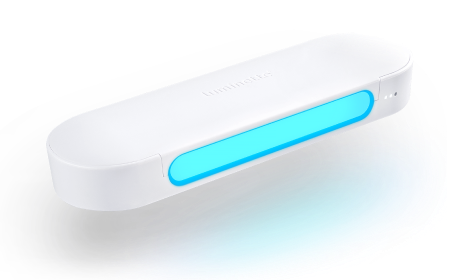
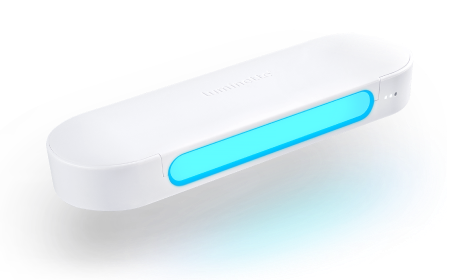
Bright light therapy addresses this directly. It works by delivering high-intensity, blue-enriched light to the eyes in the morning, which gives the body clock the signal it needs to run properly - the same signal that natural outdoor morning sunlight provides, artificially reproduced for people who aren't getting it naturally. The effects are real and well-documented: more stable daytime energy, easier morning waking, better mood regulation, and over time, improved sleep quality.
What makes this relevant as a Mother's Day gift is the format question. Traditional bright light therapy lamps require you to sit near them for 20–30 minutes, which is genuinely useful if your mornings include extended sitting time. Many mothers' mornings don't. They involve getting other people ready, making breakfast while answering questions, and generally being the operational center of a household that has other priorities.
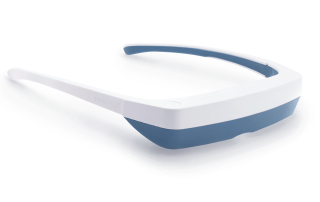
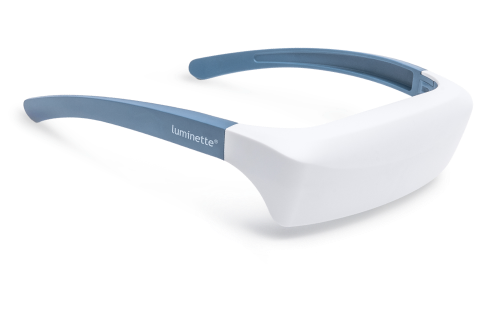
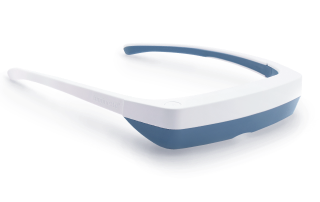
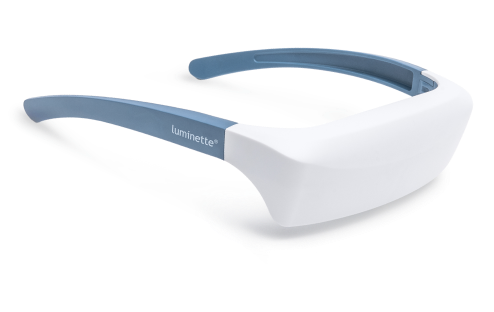
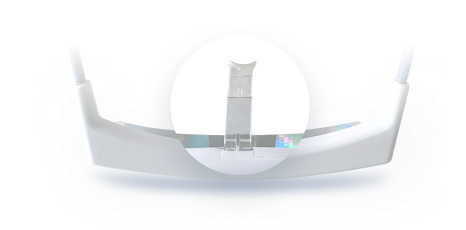
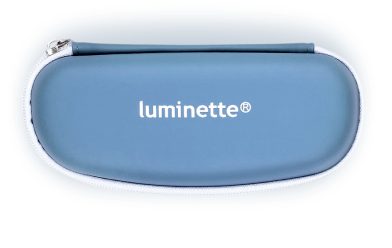
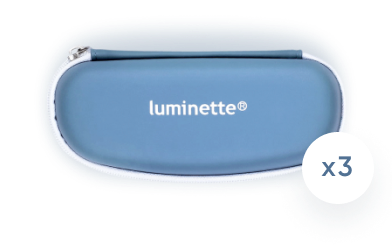
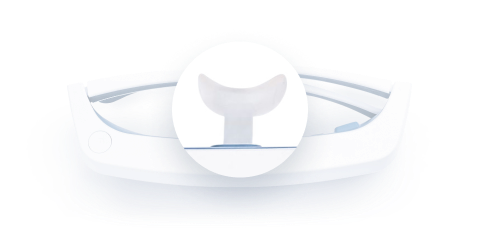
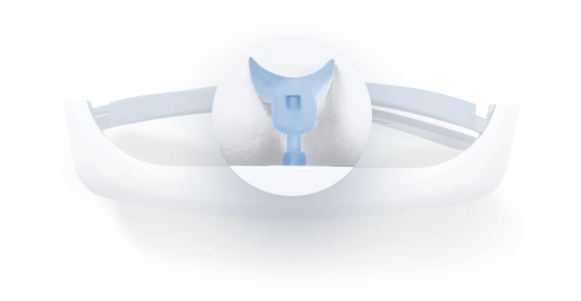
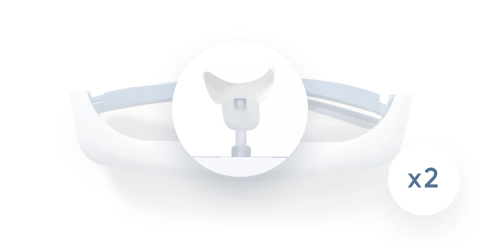
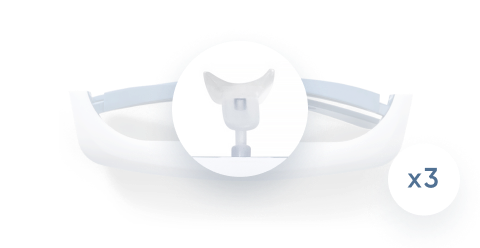
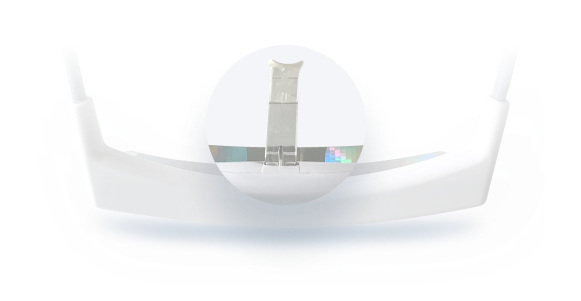
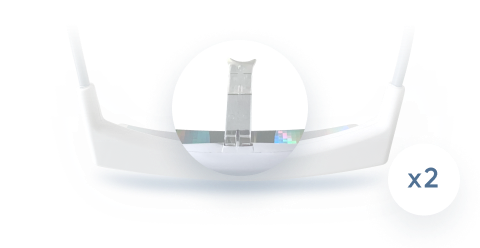
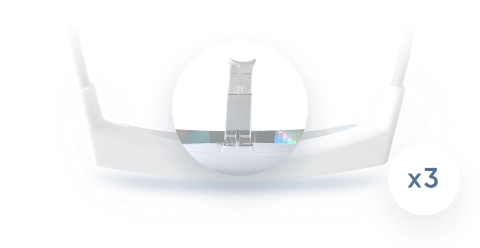
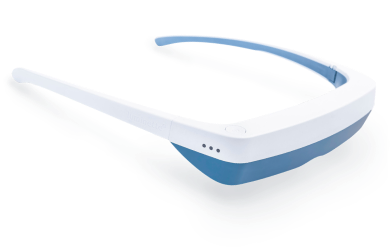
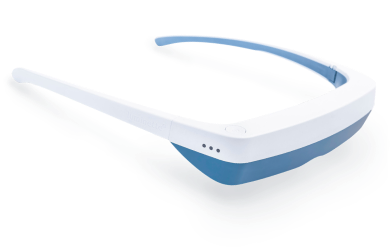
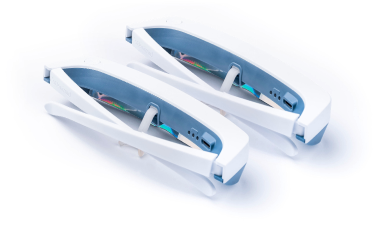
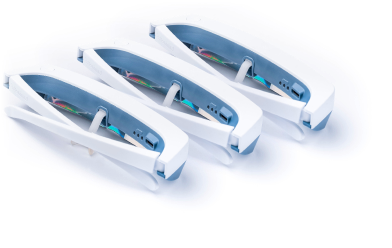
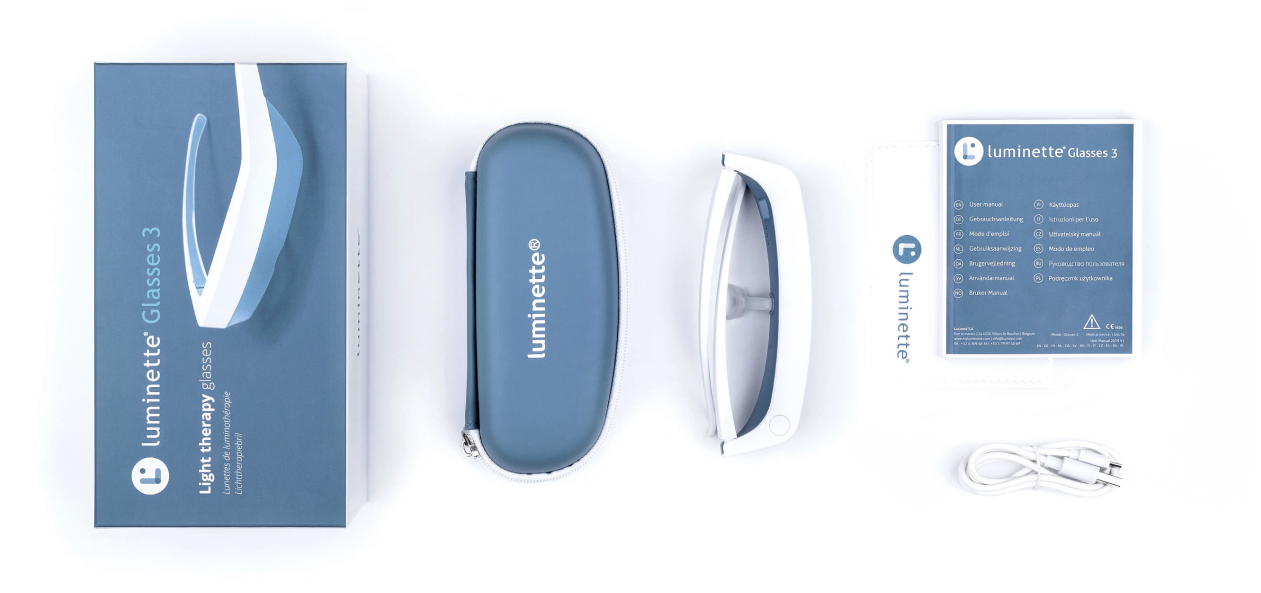
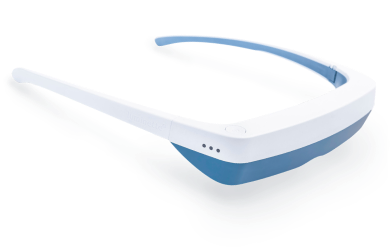
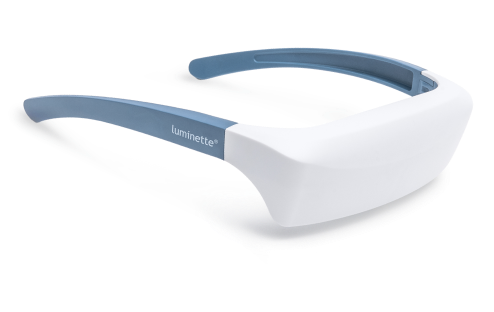
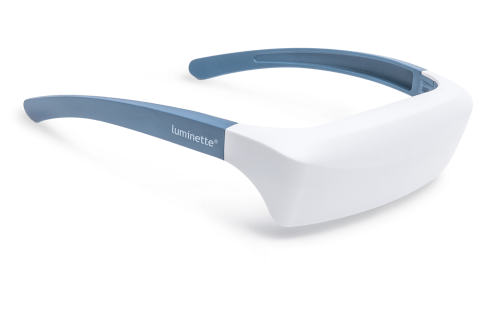
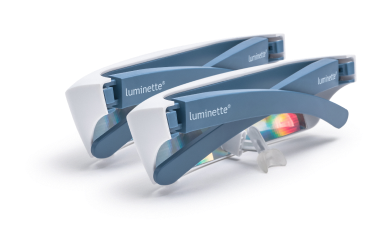
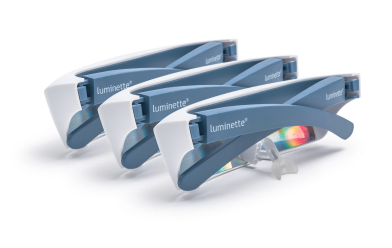
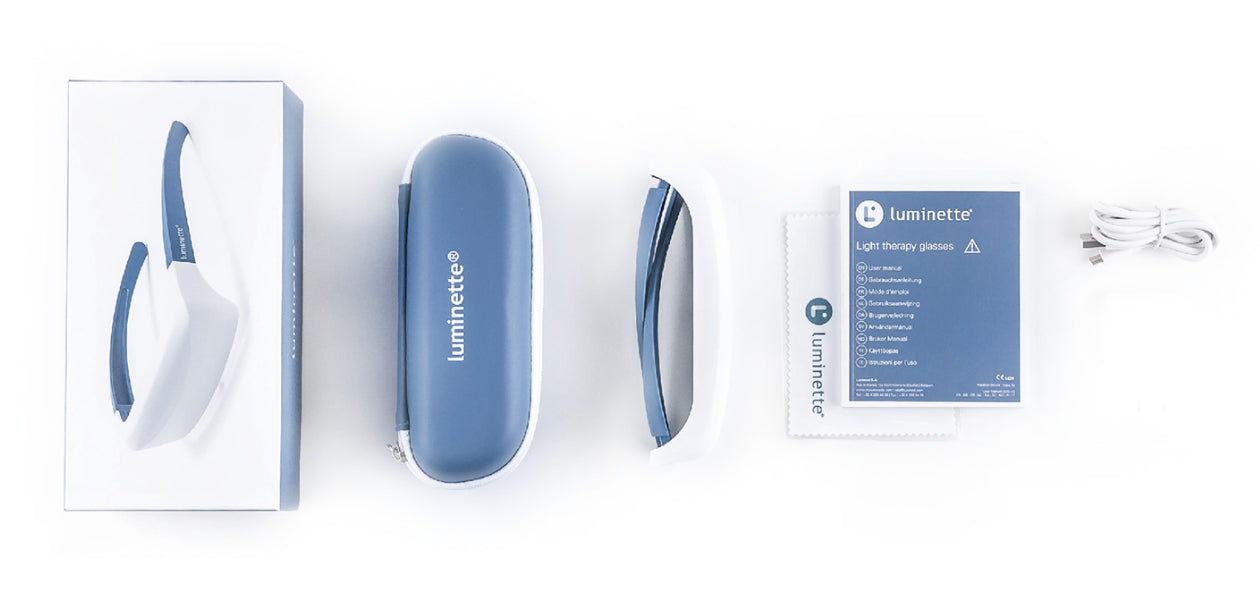
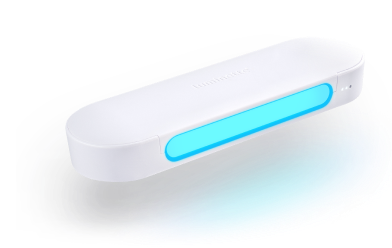
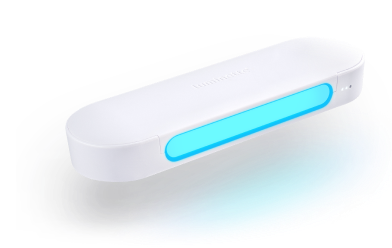
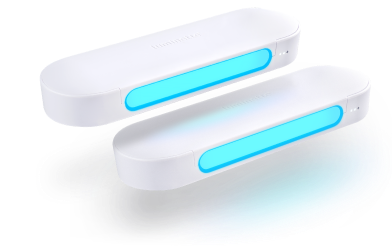
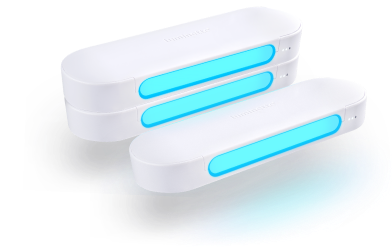
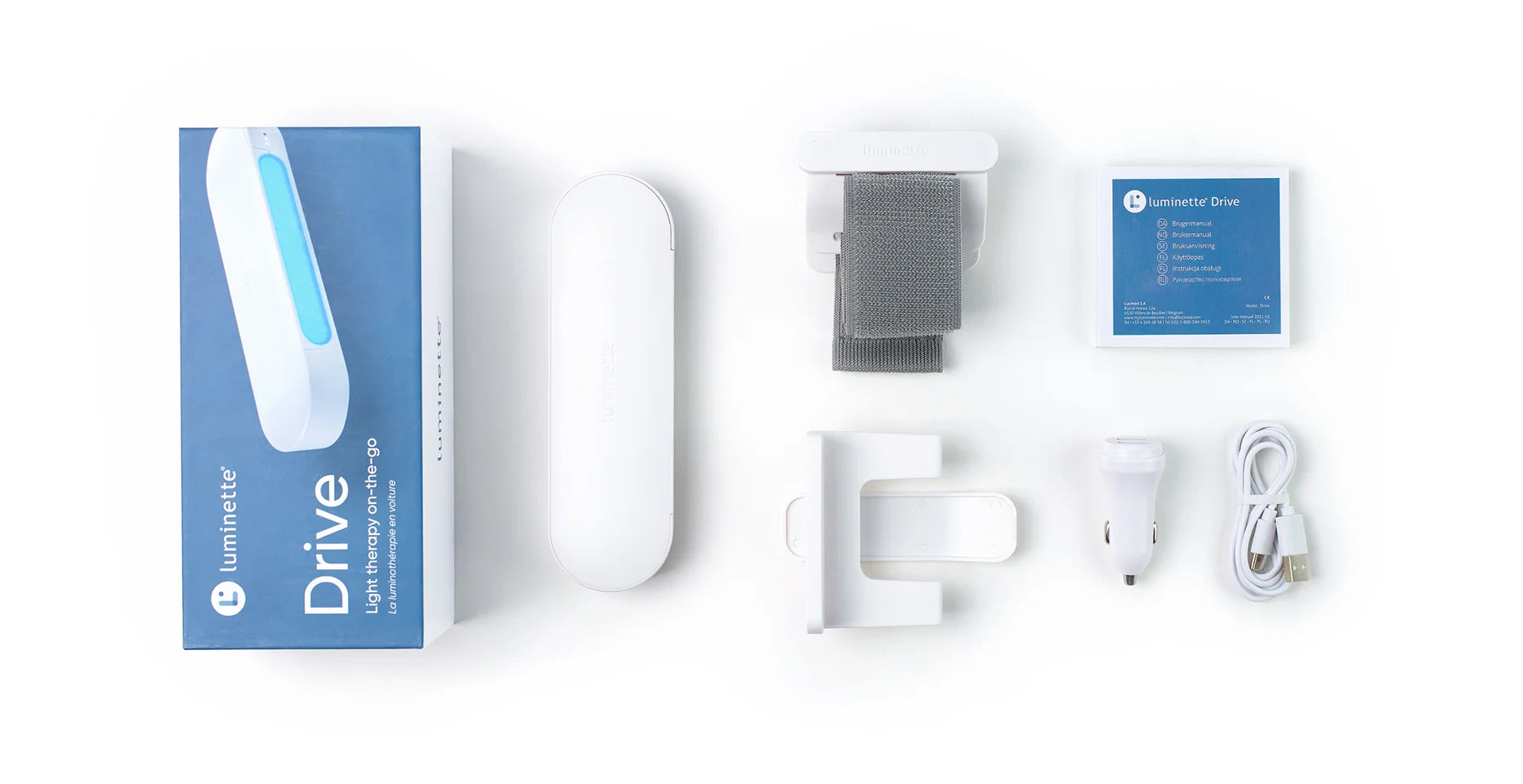
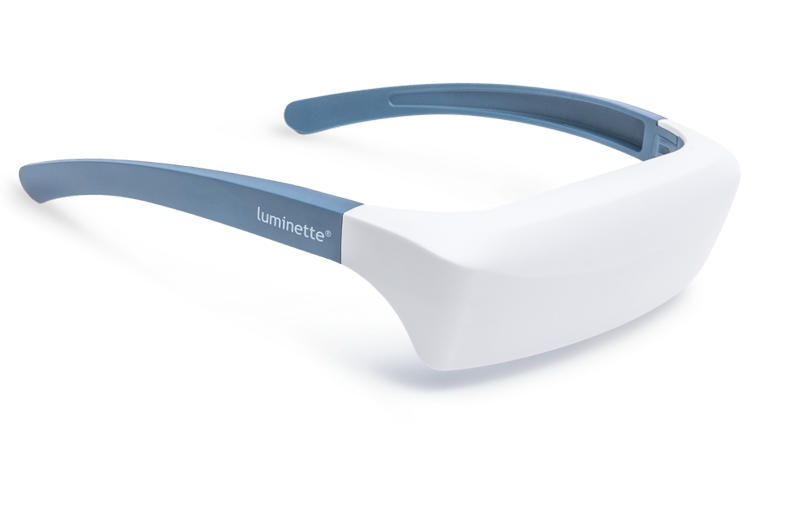
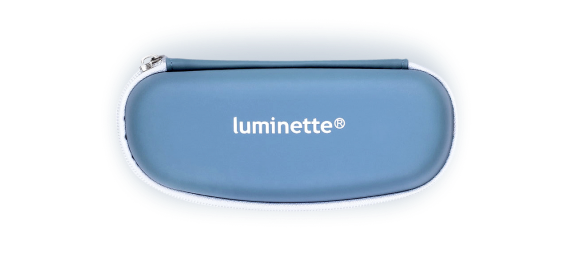
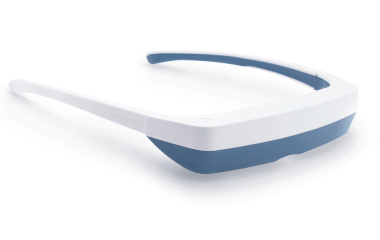
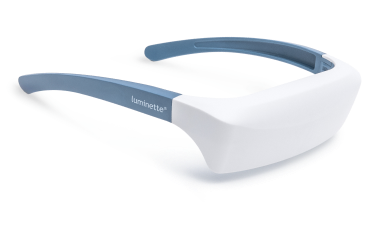
Luminette designed their light therapy glasses specifically around this problem. You wear them while doing whatever the morning requires - making coffee, helping with school bags, catching up on messages - and the therapy happens in the background. No sitting still, no dedicated session time, no reorganizing a morning that's already fully scheduled. For a mom whose mornings run on other people's needs, the wearable format is what makes this practical rather than aspirational.
It's an unusual gift. It's also the kind of gift that gets used every single day, which is a quality that most Mother's Day presents don't have.
Classic Gifts That Still Work - and Why
Not every gift needs to be innovative. Some categories have stayed popular for decades because they reliably work.
Flowers are still meaningful, especially when they reflect something specific - her favorite variety rather than the default bouquet, or a plant she can keep rather than a cut arrangement that lasts a week. The gesture of a well-chosen bouquet is real. The problem is when flowers are chosen by default rather than with thought.

Jewelry works well when it carries personal significance - a birthstone for a grandchild, a piece that matches something she already wears and loves, or something with a particular meaning to your family. Generic jewelry, however beautiful, lands differently than something chosen specifically for her.
Experiences often become the gifts mothers remember longest. A day entirely organized by someone else, where she doesn't have to plan anything - a lunch reservation, an afternoon at a place she's mentioned wanting to visit, a cooking class or a gallery trip or simply a long walk somewhere she loves. The experience itself matters less than the quality of being properly taken care of for a day rather than doing the taking care.
Books remain a consistently good option for mothers who read, with one caveat: the book needs to be chosen for her, not for a general "mom" category. Something by an author she's mentioned, in a genre she loves, or on a topic she's been curious about beats a bestseller chosen because it appeared on a gift guide.
Personalized Gifts - Why They Work and How to Do Them Well
Personalization is one of those ideas that sounds right but gets executed badly often enough that it's worth thinking through carefully.
The version that works: something that reflects a specific memory, inside reference, or detail about her life that only you would know. A photo book built around a particular trip or era rather than a generic family photo compilation. A piece of jewelry engraved with a date that means something. A custom illustration of a place that matters to her.
The version that doesn't work as well: personalization as a label - putting her name on something that's otherwise generic, or a "World's Best Mom" category of gifts that signal effort without demonstrating knowledge of the actual person.
A handwritten letter, written with real specificity about what you value and remember, often outperforms any physical gift. It costs nothing and requires only genuine attention. Many mothers keep these far longer than any object.
Technology Gifts for Moms Who Appreciate Them
Technology gifts work well when they solve a real problem rather than adding complexity. The key is knowing whether your mom is someone who enjoys exploring new devices or someone who prefers things that simply work without a learning curve.
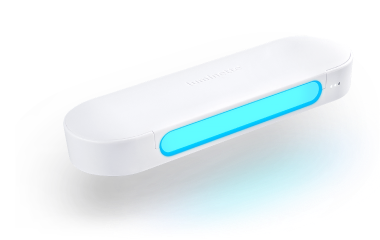
For moms who are comfortable with technology and interested in wellness: light therapy devices, quality sleep trackers, and devices that support energy and daily rhythm sit at a useful intersection of practical and thoughtful. These aren't novelty gadgets that get used twice - they're tools that affect daily life in ways she'll notice.
For moms who prefer simplicity: smart speakers, high-quality reading lights, and devices with minimal setup and clear single-purpose function tend to land better than multi-feature gadgets with complex interfaces.
The worst technology gift is one that requires someone else to set it up for her or that creates new problems to manage. The best technology gift is one that makes something in her daily life noticeably easier without requiring her to learn much.
Experiences as Gifts - What Makes Them Actually Work
Experience gifts succeed or fail based almost entirely on execution. A gift certificate for a spa, handed over with the implication that she should go ahead and book it, is only nominally an experience gift - it's actually a task. The experience gift that works is one where everything is arranged, and all she has to do is show up.
Book the reservation. Arrange the logistics. Handle whatever coordination is needed. The actual experience - a meal, an afternoon out, a day trip, time at a place she loves - matters less than the fact that someone else handled all the planning.
For families with young children, one of the most meaningful things is simply dedicated time that belongs entirely to her - where she's not on call, not the default person to ask, not mentally tracking what needs to happen next. This doesn't require spending money. It requires genuine coordination from everyone else.
Matching the Gift to the Person
The categories above only work if the starting point is actually her rather than a general idea of what mothers like. A few questions worth sitting with before deciding:
What does she complain about - not dramatically, but in passing? Tiredness, lack of time to herself, things she never gets around to doing? Complaints are usually direct statements about unmet needs.
What has she mentioned wanting but not prioritized for herself? Many mothers are good at providing for everyone else's preferences and quietly deferring their own. A gift that addresses something she's mentioned wanting but hasn't acted on shows real attention.
What does her daily morning look like? This matters particularly for gifts like Luminette's light therapy glasses - the format works specifically because it fits into existing morning activity rather than adding something new to a schedule that's already full.
What does she do for herself when she has time? That reveals what she actually finds restorative, which is the most useful information for choosing something she'll genuinely use rather than something she'll appreciate symbolically and set aside.
FAQ
Specificity. The gifts that get remembered are the ones that demonstrate knowledge of the actual person - something that couldn't have been given to any mom, only to her. That comes from paying attention to her life, her preferences, and what she's mentioned over the past year.
Completely, provided they're chosen with care. A practical gift that addresses something real in her daily life - something she uses every day and is quietly glad to have - can be more meaningful than something purely decorative. The distinction is between practical-as-thoughtful and practical-as-lazy. The first requires knowing her life well. The second involves buying the first useful thing you thought of.
Take the statement at face value and work around it. She probably does want something - more likely time, rest, or to feel genuinely taken care of for a day. An experience where everything is organized for her, or something that quietly improves her daily routine without asking anything of her, tends to work well.
Bright light therapy is worth considering seriously here. Luminette makes wearable light therapy glasses that deliver clinical-grade morning light exposure while she goes about her normal routine - no sitting still, no dedicated session time. For a mom whose energy dips seasonally or who mentions struggling with mornings, it's the kind of gift that makes a noticeable difference in daily life.
A few weeks is enough for most things. The bigger risk isn't leaving it too late - it's leaving the thinking too late. The time-sensitive part is deciding what would actually be right for her, not the purchase itself.


