













White Light Therapy

White light therapy has been used for decades to help people cope with reduced exposure to natural daylight, particularly during winter and extended periods of overcast weather. Reduced daylight is often associated with lower energy levels, changes in mood, and disruptions to the sleep-wake cycle.
The concept is straightforward: you expose yourself to a bright artificial light designed to reproduce key characteristics of natural daylight. Your body then receives a light signal similar to the one provided by morning daylight.
Whether dark winter mornings leave you feeling sluggish or you simply struggle to feel fully alert after waking up, white light therapy offers a non-invasive way to support your circadian rhythm. A typical session lasts around 30 minutes.
What Is White Light Therapy?
White light therapy uses bright artificial light containing a broad range of visible wavelengths to reproduce key characteristics of natural daylight. Unlike coloured light approaches, such as red, blue or green light, white light combines multiple wavelengths rather than relying on a single colour.
This is important because the human body has evolved to respond to the natural light-dark cycle. During winter, when exposure to natural daylight decreases, some people may experience lower energy levels, changes in mood or disruptions to their sleep-wake cycle. On a clear day outdoors, daylight can reach 10,000 lux or more, whereas indoor lighting typically provides only 300 to 500 lux.
In a wellness context, the terms white light therapy lamp and white light therapy device generally refer to products designed to deliver bright white light towards the eyes without UV exposure. Different light therapy colors have been studied for different applications. White light is the most commonly used for supporting the circadian rhythm and supporting daytime alertness. Sessions typically last between 20 and 60 minutes, most often in the morning, and fit easily into a daily routine.
What Does White Light Therapy Do?
In simple terms, white light therapy helps synchronize your internal body clock with the natural day-night cycle. This happens through a series of biological processes that are triggered when your eyes are exposed to bright light.
Light stimulates specialized cells in the retina containing melanopsin. Unlike rods and cones, which are responsible for vision, these cells primarily help regulate the circadian rhythm. When exposed to bright light, they send signals to the suprachiasmatic nucleus (SCN) — the brain's master clock — which helps coordinate the body's daily biological rhythms.
Bright light exposure influences several biological mechanisms involved in regulating alertness and the circadian rhythm. It is also associated with pathways involving serotonin, a neurotransmitter involved in mood and wakefulness. At the same time, exposure to bright light helps regulate the body's natural melatonin cycle, helping the body recognize that it is time to be awake.
The timing of your session matters. Morning use helps synchronize your circadian rhythm with the natural light-dark cycle. By contrast, exposure later in the day may delay sleep onset in some people by reducing melatonin secretion when the body is naturally preparing for sleep. For this reason, morning use is generally recommended.
The underlying biological principle remains the same regardless of the type of device you choose. Whether you use a stationary light therapy lamp or wearable light therapy glasses, effectiveness depends primarily on receiving an appropriate light stimulus under the recommended conditions of use.
Key Benefits of White Light Therapy
The benefits of white light therapy are primarily linked to its effects on the circadian rhythm. When used consistently, it is associated with several positive effects on everyday well-being.
Well-being. Regular morning exposure to bright light is associated with better regulation of biological processes involved in alertness and well-being. People who feel more tired, less motivated or experience seasonal changes in their mood often notice gradual improvements after one to two weeks of consistent use.
Sleep quality and circadian rhythm regulation. Morning bright light exposure helps synchronize the body's internal clock with the natural light-dark cycle. It also helps regulate the body's natural melatonin cycle, supporting daytime alertness and contributing to healthy sleep timing in the evening.
Energy and daytime alertness. Morning bright light exposure helps strengthen the body's natural wake-up signal, supporting higher energy levels and better alertness throughout the day.
Focus and cognitive performance. A well-synchronized circadian rhythm also supports attention, concentration and mental clarity. These effects may be particularly noticeable for people working night shifts, frequent travellers and those who spend most of their day indoors.
Seasonal adaptation. During winter, reduced exposure to natural daylight may affect the circadian rhythm in some people. White light therapy offers a practical way to supplement daily light exposure by providing a bright light signal similar to morning daylight.
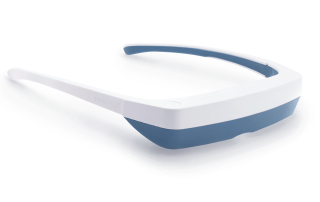
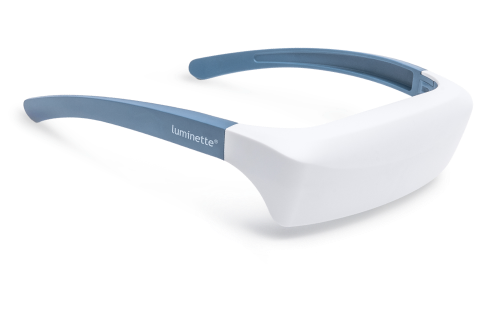
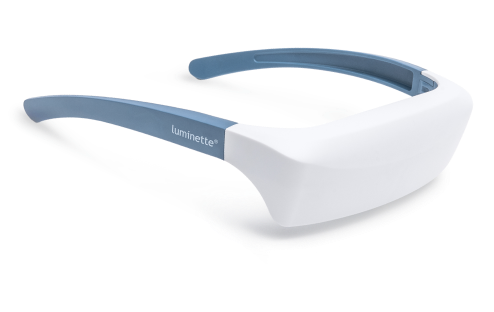
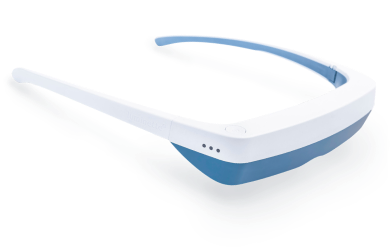
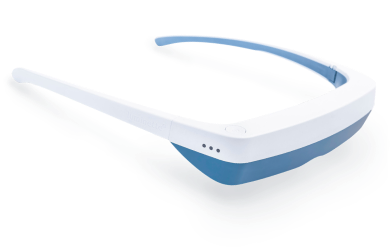
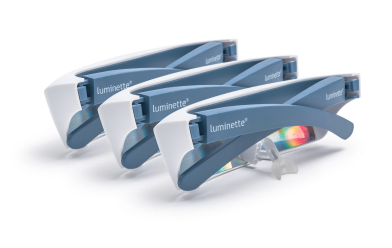
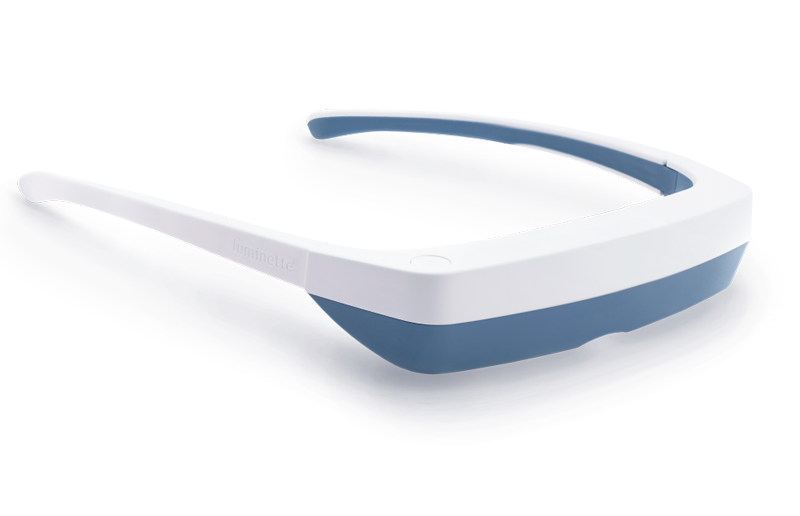
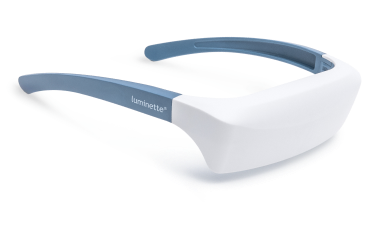
Easy to integrate into your routine. One of the main advantages of white light therapy is its simplicity. It requires no special preparation and fits easily into an existing morning routine. You can sit near a light therapy lamp while having breakfast or wear Luminette 3 light therapy glasses while getting ready for the day.
Bright White Light vs. Other Light Colors
Different light therapy colors have been studied for different applications. Understanding how they differ can help you choose the option that best matches your needs.
Blue light is also studied for its effects on the circadian rhythm. Because it provides a strong alerting signal, exposure in the evening may delay sleep onset in some people. White light contains a range of visible wavelengths, including blue wavelengths and is the most commonly used type of light for supporting the circadian rhythm and daytime alertness.
Red light is primarily studied for its potential effects on the skin and superficial tissues rather than circadian rhythm regulation. Its role in supporting sleep is still being investigated, and current evidence remains limited.
Amber light is commonly used in the evening because it contains very little blue light. Unlike bright white light, which is intended to promote daytime alertness, amber light is designed to minimize the impact of artificial lighting on the circadian rhythm before bedtime.
Some lamps are marketed as full-spectrum because they aim to reproduce a light spectrum similar to natural daylight. White light therapy devices, by contrast, are designed to deliver bright white light without UV exposure in order to provide the light signal needed to support the circadian rhythm.
For supporting the circadian rhythm and daytime alertness, white light is the most widely studied type of light used in light therapy. Once you've identified the light color that best matches your needs, the next step is choosing the right device. Our guide to the types of light therapy devices explains the main options and how they differ.
Does White Light Therapy Work?
Yes. White light therapy has been used for decades, and its effects on circadian rhythm, daytime alertness and reduced exposure to natural daylight have been studied extensively. If you'd like to learn more, you can explore our page dedicated to the scientific research behind light therapy.
A light intensity of 10,000 lux has been widely used as a reference in light therapy research for more than 30 years. At this intensity, a 30-minute morning session is generally considered sufficient to support the circadian system. This duration has become a widely accepted reference because it offers a practical balance between effectiveness and ease of integration into a daily routine.
The 10,000-lux reference applies to stationary light therapy lamps, where illuminance is measured at eye level. Wearable light therapy devices, such as the Luminette, use a different optical design that delivers light directly into the visual field, allowing comparable biological stimulation with lower measured lux levels.
Overall, studies suggest that regular morning exposure to bright light has been linked to better daytime alertness, better circadian rhythm synchronization and more consistent sleep timing. Research has been particularly consistent among people working night or rotating shifts, frequent travellers experiencing jet lag, people living in regions with limited winter daylight, and those who spend most of their day indoors.
Does white light therapy work the same way for everyone? Not necessarily. Some people notice changes in energy levels or alertness within a few days, while others need two to three weeks of consistent daily use. As with many approaches that support the circadian rhythm, consistency is key. Daily use is generally associated with better results than occasional sessions.
How to Use White Light Therapy at Home
Getting started with white light therapy is simple. To get the most from it, four factors matter: timing, session duration, the type of device you use, and consistency.
Timing. Morning is generally the best time to use white light therapy, ideally within the first hour after waking, when your circadian system is most responsive to light.
Duration.
Always follow the manufacturer's instructions for your specific device.
Distance. With a stationary light therapy lamp, sit at the distance recommended by the manufacturer—typically around 20 to 40 cm (8 to 16 inches) for a 10,000-lux device. You do not need to look directly at the light; it simply needs to remain within your field of vision.
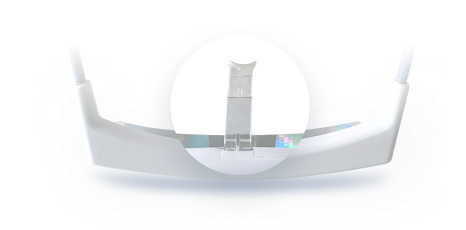
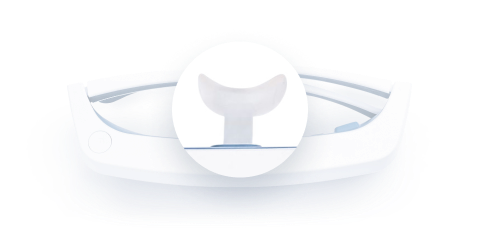
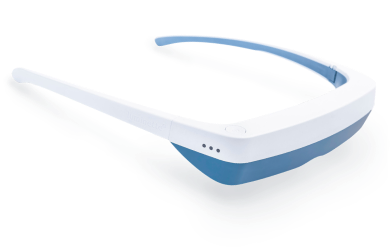
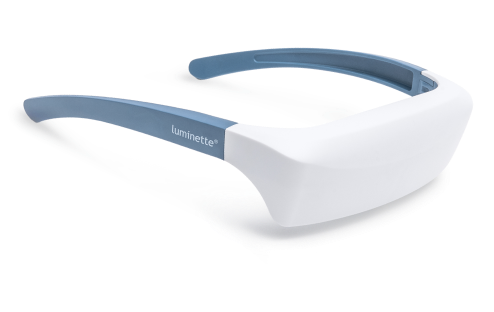
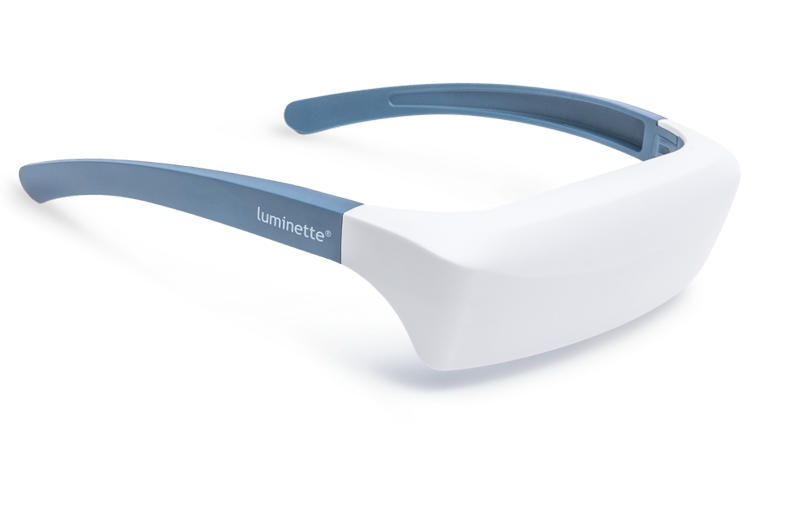
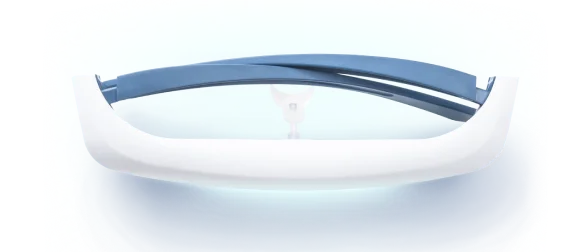
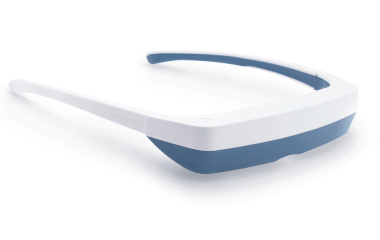
With wearable light therapy glasses, the light is directed towards the eyes from above while remaining outside the direct line of sight. This allows you to move around freely and continue your usual morning activities during the session.
Consistency. The benefits of white light therapy depend on regular use. Occasional sessions are less likely to produce noticeable results, whereas daily use over one to two weeks is often enough for many people to begin noticing the first effects. For ongoing use, Luminette generally recommends consistent daily use for at least one month.
Choosing the right device
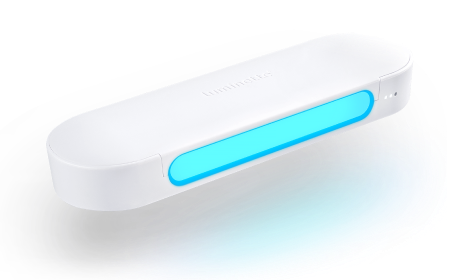
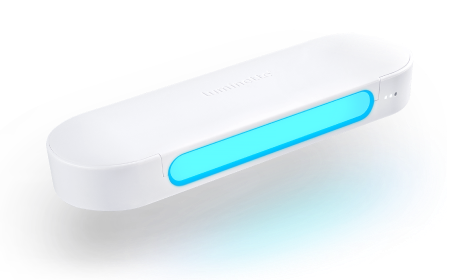
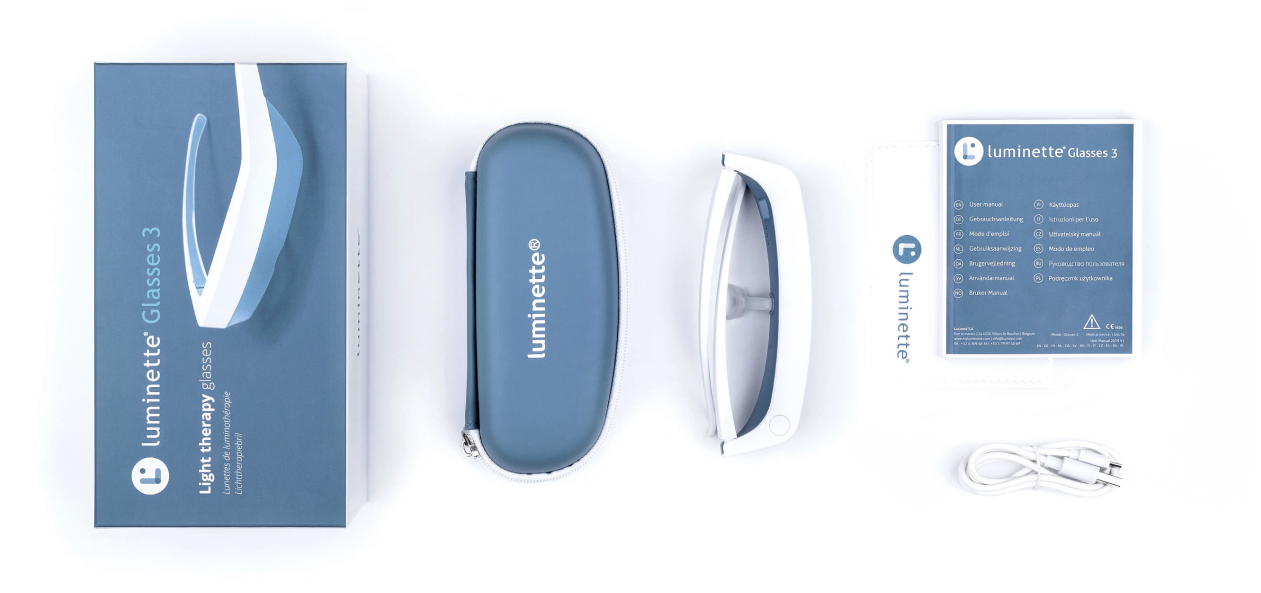
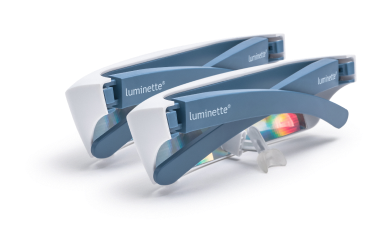
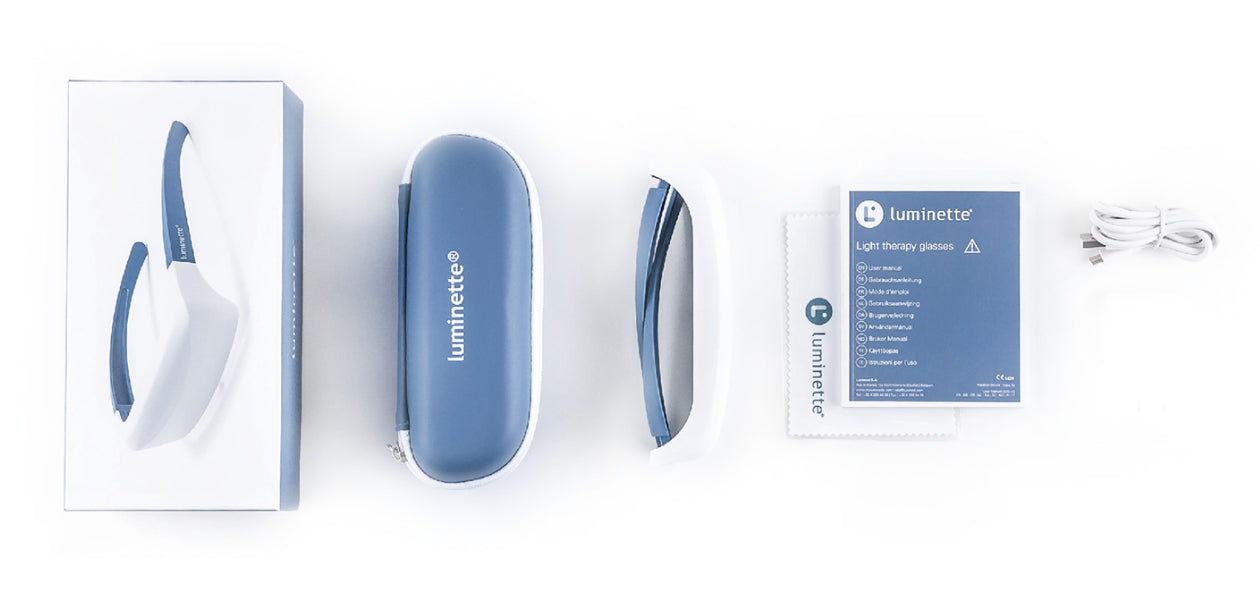
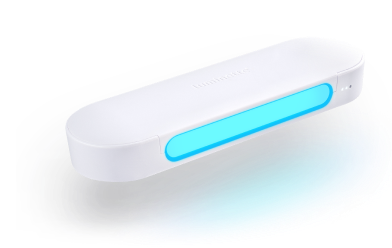
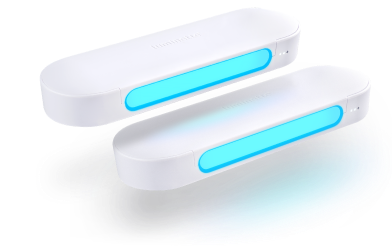
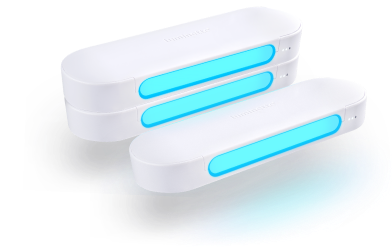
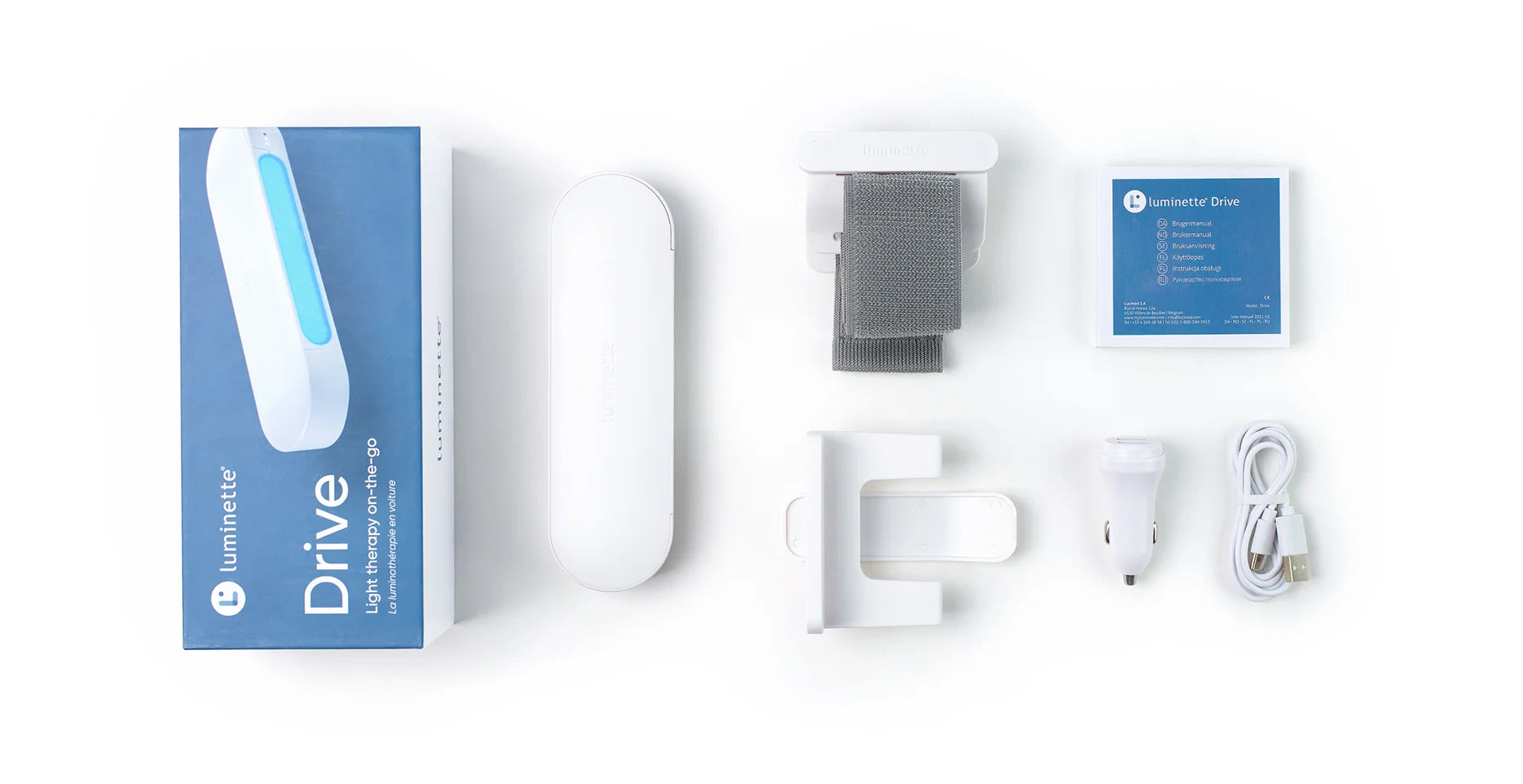
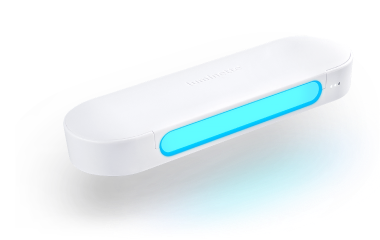
The best device depends on your lifestyle. A stationary lamp is well suited if you usually stay in one place during your morning routine. Wearable light therapy glasses, such as the Luminette 3, allow you to have breakfast, read or get ready while completing your session. If you regularly commute by car in the morning, the Drive is designed to integrate light therapy into your daily journey.
When to seek medical advice
Although white light therapy is generally considered safe when used as directed, you should consult a healthcare professional before starting if you have an eye condition, take photosensitising medication, or have any medical condition that could be affected by exposure to bright light. A healthcare professional can advise whether white light therapy is appropriate for your situation and recommend the most suitable way to use it.
Conclusion
White light therapy is a practical way to compensate for reduced exposure to natural daylight and support the circadian rhythm. When used consistently, it may help promote daytime alertness, healthy sleep timing and everyday well-being, particularly during periods when natural daylight is limited.
The best device depends on your lifestyle and daily routine. If you're looking for a solution that fits easily into your mornings, Luminette 3 light therapy glasses let you complete your session while continuing your usual activities.
FAQ
White light therapy is generally considered safe for most adults when used according to the manufacturer's instructions. Quality devices are designed to deliver bright light without UV exposure. Some people may experience mild, temporary side effects, such as eye strain or a mild headache, when first starting. If you have an eye condition, take medication that increases light sensitivity, or have any concerns about using light therapy, consult a healthcare professional before starting.
Most people begin noticing the first effects after one to two weeks of consistent daily use. Some experience improved daytime alertness within a few days, while others need more time. As with many approaches that support the circadian rhythm, consistency is important—daily use generally produces better results than occasional sessions.
Yes. Daily use is generally recommended for the best results. Depending on the device, sessions typically last 20 to 60 minutes and are easy to incorporate into an existing morning routine. The benefits of white light therapy build over time, making regular use more effective than occasional sessions.
The best option depends on your lifestyle. Stationary light therapy lamps are ideal if you usually stay in one place during your morning routine. Wearable devices, such as the Luminette 3, let you move freely while completing your session, making them well suited to busier mornings. If you regularly drive to work, the Drive is designed to integrate light therapy into your commute.
To help you compare the available options, explore our guide to the types of light therapy devices, which explains the main differences between each format.


