











Light Therapy Devices Explained: What You Need to Know Before Choosing One

Light Therapy Devices Explained
 Light plays an important role in daily routines. Many people look for ways to improve their environment at home, especially during darker months. This is where understanding different light therapy devices becomes essential - because not all light therapy works the same way.
Today, there are many types of devices available. When researching options, you will find questions like “Are all red light therapy devices the same?” or “What type of red light therapy is best?” These are common starting points. However, it is important to know that red light therapy and bright light therapy are two completely different technologies designed for different purposes.
Red light therapy uses specific wavelengths for skin health and muscle recovery. Bright light therapy, on the other hand, works with your body’s natural rhythms to support mood, energy, and sleep patterns.
A clear overview can make the choice much easier.
Types of Devices Available
When exploring light therapy devices, you will encounter different formats designed for various purposes. The most common options include lamps, panels, and wearable devices. Each one fits a different lifestyle, but it is important to understand that these formats serve two distinct types of light therapy.
A red light therapy device typically comes as a lamp or a panel.. A lamp provides targeted light in a fixed position, often placed on a desk or near a chair for skin care or muscle recovery sessions. An infrared light panel is usually larger and designed to cover a wider area. These devices emit specific red and near-infrared wavelengths aimed at skin health and localized relief.
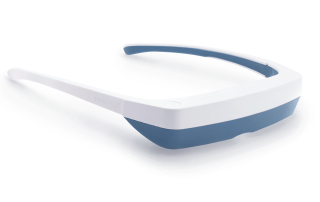
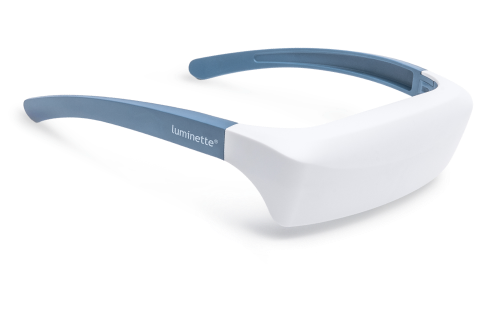
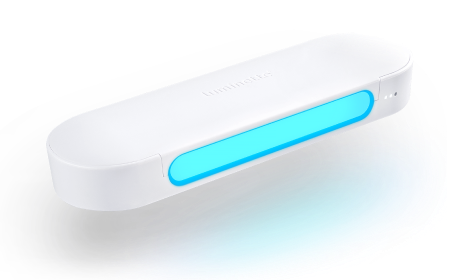
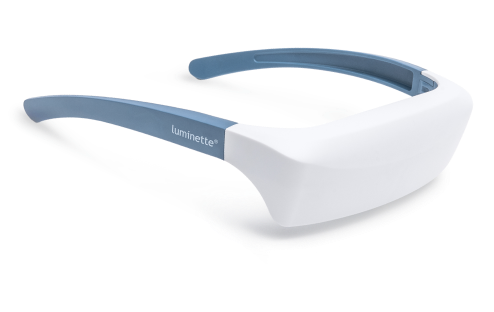
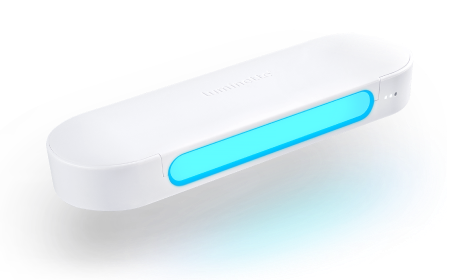
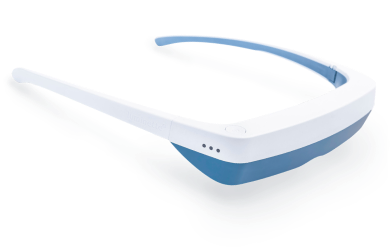
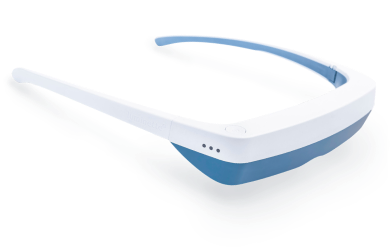
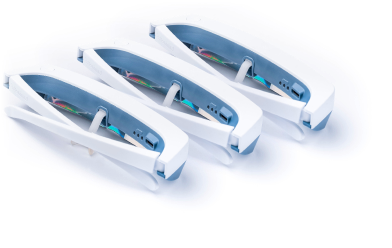
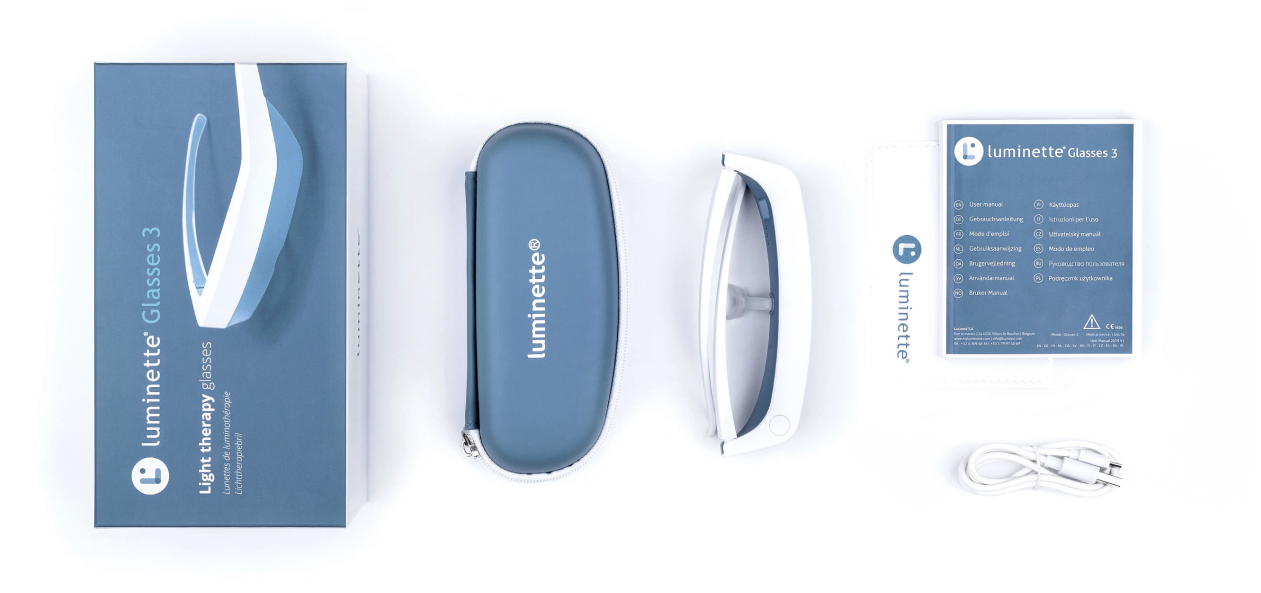
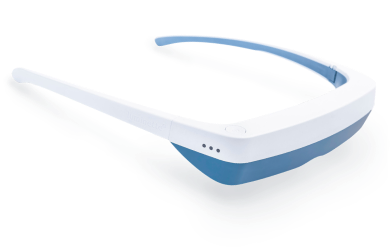
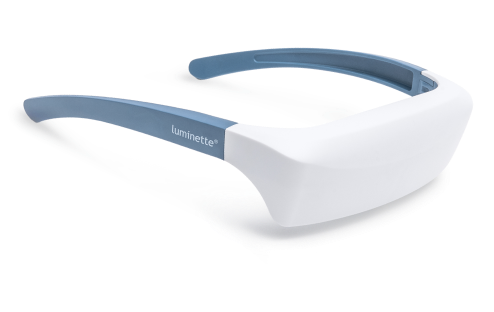
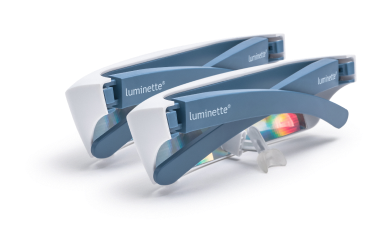
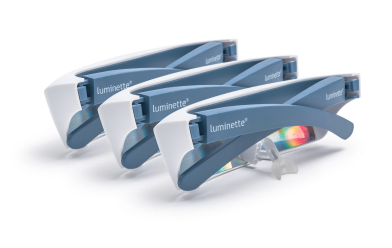
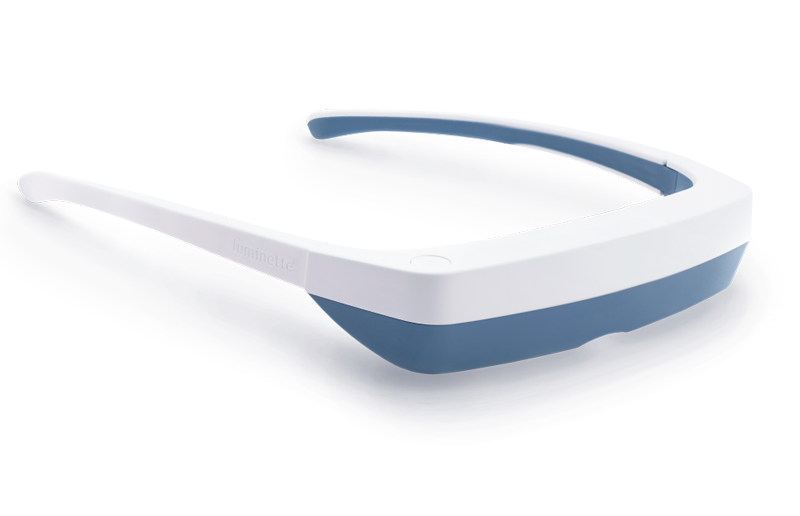
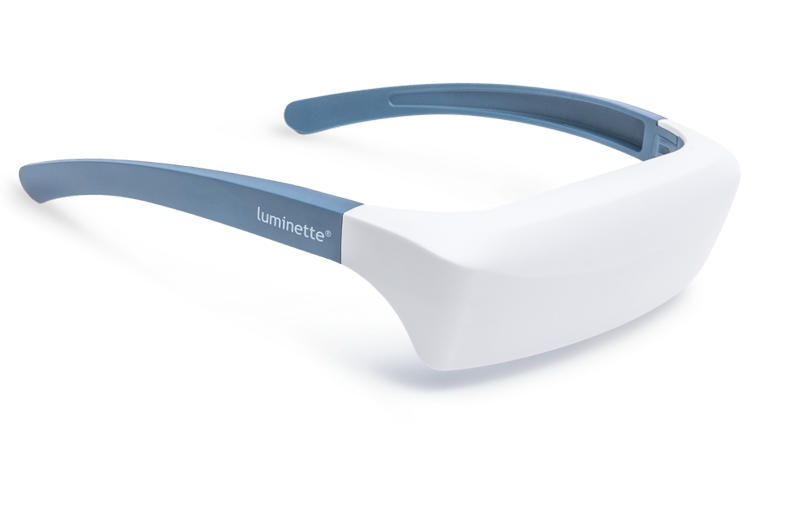
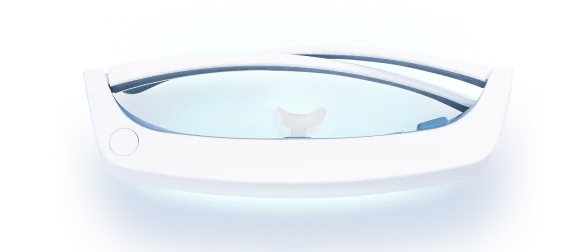
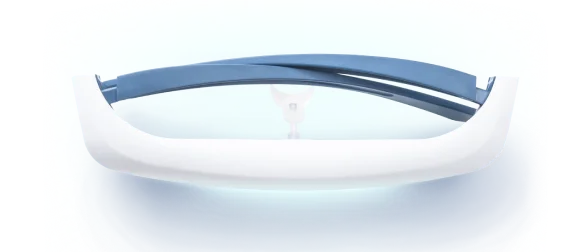
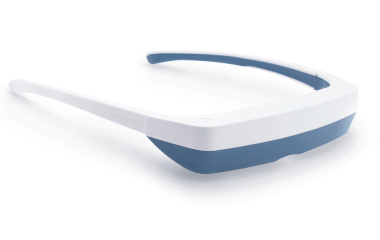
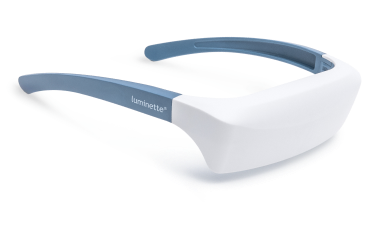
Bright light therapy devices use a different approach entirely. They deliver white, blue-enriched light (without UV) to work with your circadian rhythm. These also come in various formats: traditional lamps that sit on a surface or wearable glasses that offer complete mobility during the morning routine.
Wearable devices offer more flexibility. Instead of staying in one place, users can move freely while receiving light. This makes them a popular choice for busy routines.
When comparing types of light therapy, the key question is not just format, it is purpose. Red light devices focus on localized physical benefits, while bright light devices address energy, mood, and sleep-wake patterns.
Choosing the right format depends on purpose, daily habits, and available space.
How Red Light Technology Works
Red light therapy devices use specific wavelengths of light, typically in the red and near-infrared spectrum (around 600-900 nm). These wavelengths are designed to penetrate the skin for targeted benefits. They are designed to deliver consistent light exposure in a controlled way.

Many people ask, “Is all red light therapy the same?” or “Are all red light therapy devicesthe same?” The answer is no. Devices can differ in wavelength precision, light intensity, size, and design. These factors influence how the device fits into a daily routine.
A red light therapy lamp usually provides focused light for a specific area - face, joints, or targeted zones. An infrared light panel can offer broader coverage for larger body areas. Both are used in different ways depending on personal preference.
People looking for the best home red light therapy often consider how easy the device is to use. Simple controls and comfortable design make a big difference for everyday use.
However, if you are researching red light therapy because you are dealing with seasonal blues, low energy, disrupted sleep, or winter mood swings, you are looking at the wrong technology. For those needs, you want to understand bright light therapy instead, which works in a completely different way with your body’s natural rhythms.
What to Look For Before Buying
Understanding what to look for in red light therapy devices is an important step. Many buyers ask, “What to look for in a red light therapy device?” before making a purchase.
For red light therapy, key factors include wavelength accuracy, light intensity, and coverage area. Smaller devices work well for targeted facial or joint use, while larger panels suit full-body sessions. Also, consider your space and routine. A compact red light lamp suits a desk or bedside table for quick, targeted sessions. A larger infrared light panel requires dedicated space but offers wider coverage for the body.
If you are searching for solutions to seasonal blues, low energy, or disrupted sleep patterns, you need different criteria. For those concerns, you will want a bright light therapy device instead, which should provide:
Light intensity of at least 10,000 lux at the recommended distance
Blue-enriched white light to support your circadian rhythm
UV-free certification for safe daily use
Positioning flexibility: whether a lamp you sit near or wearable glasses that move with you.
Price, reliability, and ease of use matter for both types. Look for trusted brands with clear specifications and straightforward setup.
Comparing Home Solutions
When comparing light therapy devices for home use, the format you choose depends on what you are trying to achieve and how it fits your lifestyle
For red light therapy, home options include stationary lamps for targeted sessions, larger panels for broader coverage, and handheld devices for specific areas. Red light therapy devices for home use work well when you have dedicated time to sit or stand near the device.
Questions like “What to look for when buying red light therapy?” often relate to ease of use and comfort. A simple design can make a big difference over time.
If you are comparing options because you are dealing with seasonal mood swings, low energy, or disrupted sleep, you need to look at bright light therapy solutions instead. The best at-home bright light therapy devices prioritize two things: sufficient light intensity and lifestyle integration. Traditional bright light lamps require you to position yourself nearby during morning use, it is ideal if you have a consistent breakfast or desk routine. Wearable bright light glasses, on the other hand, deliver the same intensity while allowing complete freedom of movement during your morning activities.
Home solutions continue to evolve, offering more choices for different lifestyles.
Finding the Right Fit
Choosing between devices can feel overwhelming at first. There are many options, and each one offers different benefits. Understanding which technology addresses your specific needs simplifies the process significantly..
If you are looking for skin benefits or muscle recovery support, red light therapy devices come in different formats. Some people prefer a red-light lamp for focused facial or joint use. Others choose an infrared light panel for broader body coverage. The best red light therapy depends on the areas you want to target and how much space you have available.
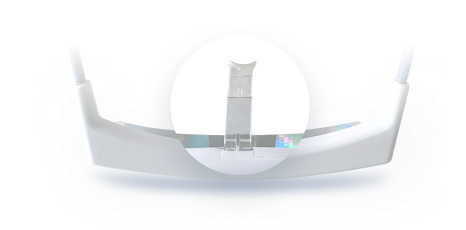
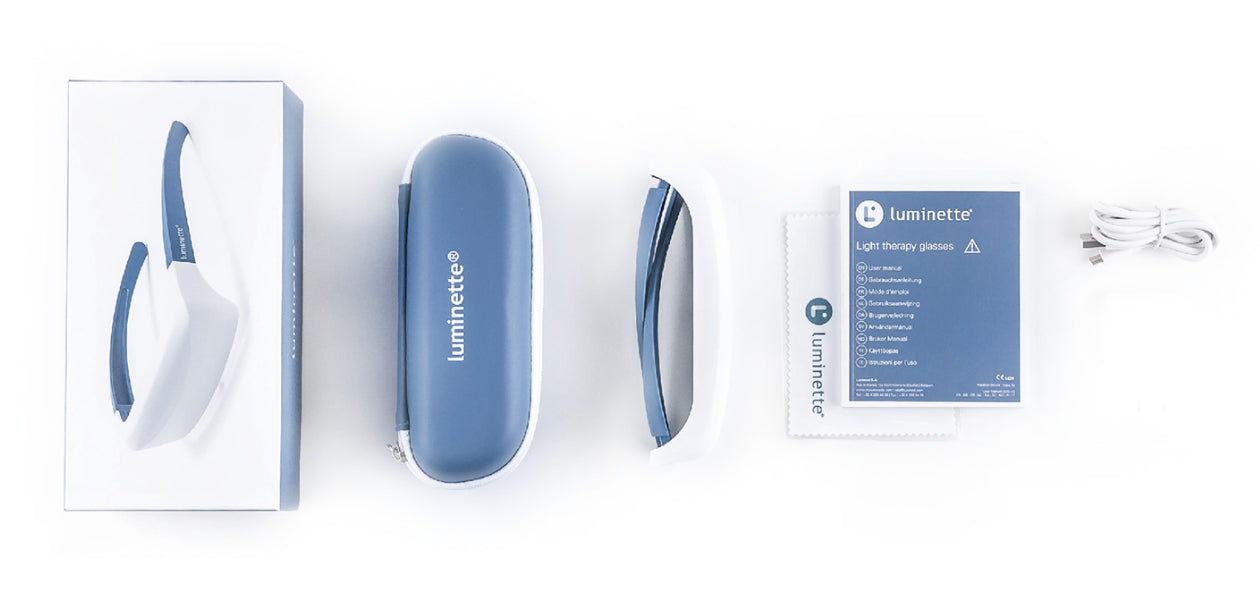
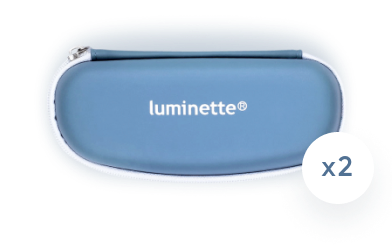
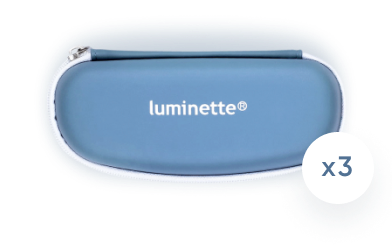
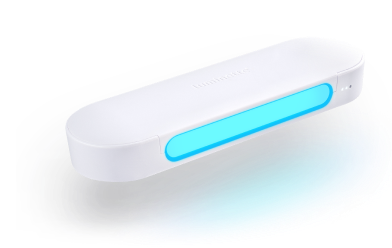
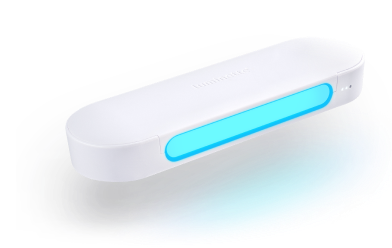
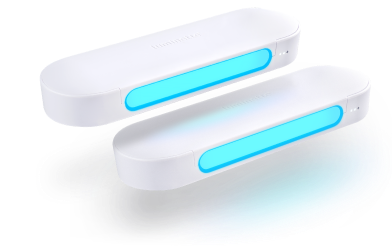
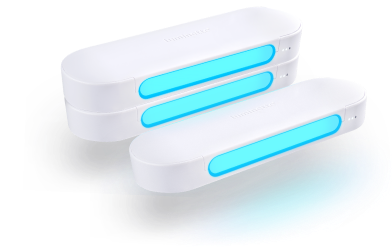
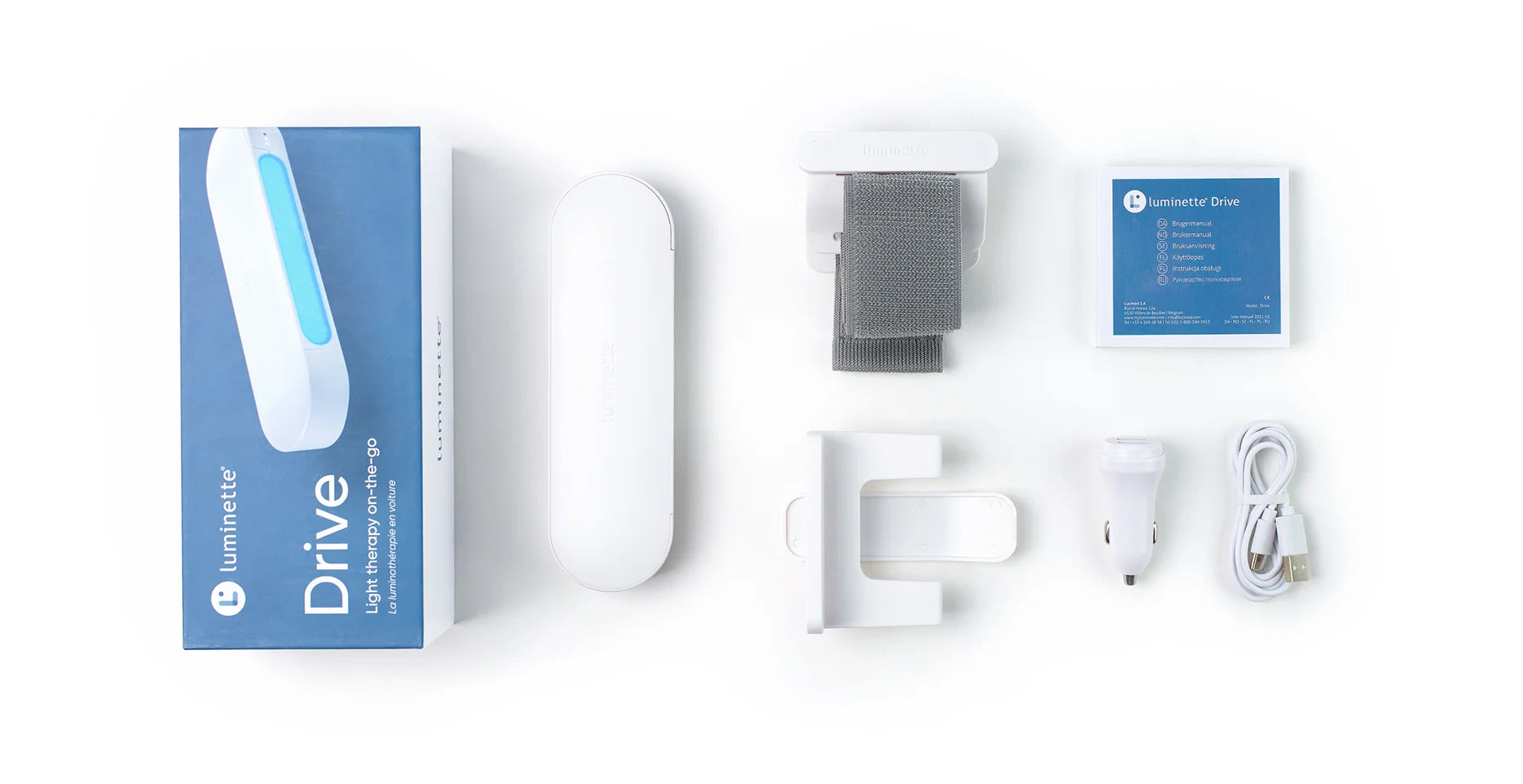
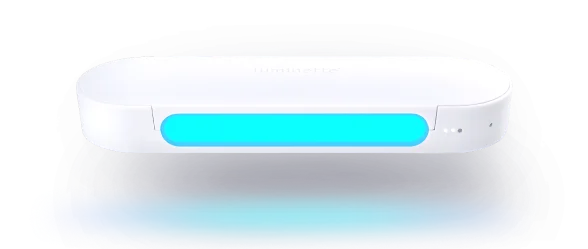
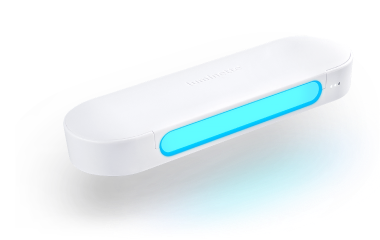
If you came here searching for help with seasonal mood swings or sleep issues, you need bright light therapy instead. Here you have two main options: traditional lamps that deliver light while you sit nearby, or wearable glasses that provide the same intensity with complete mobility. Both formats work: the right choice depends on your morning routine. Luminette offers both solutions: light therapy glasses for maximum flexibility during busy mornings and a lamp option for stationary use.
Understanding how to choose the right device starts with knowing what problem you are actually trying to solve.
Bringing Light Into Your Daily Routine
Light therapy devices can be a simple addition to everyday life. If you are exploring red light therapy for skin benefit or muscle recovery, devices like lamps or panels work well with dedicated sessions. If you are looking for support with emotional blues and disrupted sleep patterns, you need bright light therapy instead.
The right choice depends on your goal, routine, and preferences. Modern devices are designed for easy use, reliable performance, and flexible placement. If you are exploring light therapy devices for home use, start with understanding your aims and what feels practical and comfortable.
A well-chosen device can become a natural part of your daily routine.


