











Light Therapy Glasses Side Effects: What to Expect and How to Avoid Them

If you're thinking about trying light therapy glasses, it's natural to have questions about potential side effects. Any device that directs bright light toward your eyes naturally raises questions about what to expect, and it can be helpful to know what to expect before starting a morning routine.
The short answer is reassuring: when they occur, side effects of light therapy are generally mild and temporary. This article explains what you may experience at first, which reactions can occur, who should speak with a healthcare professional before starting, and how to use light therapy glasses appropriately.
Are Light Therapy Glasses Safe?
When side effects occur, they are generally mild and temporary when light therapy is used as recommended. Light therapy has been studied for several decades, including for its effects on biological rhythms, mood, and alertness. Glasses offer another way to receive light exposure: the light source is worn directly on the face and designed to direct light toward the eyes while you continue with your activities, with your field of vision unobstructed.
Luminette emits neither UV nor infrared light. This avoids the UV exposure associated with some light sources, but the absence of UV does not mean that bright light can never cause discomfort. Some people may experience discomfort from the brightness, particularly at first. Session duration and conditions of use should therefore follow the manufacturer’s recommendations.
When they occur, side effects of light therapy are generally mild and temporary. They may include headaches or eye strain. Here are some of the most commonly reported reactions and a few simple precautions that may help limit them.
What Are the Most Common Light Therapy Glasses Side Effects?
When they occur, side effects of light therapy are generally mild and may be more noticeable at the beginning of use. Some people may experience headaches or eye strain. The Yale School of Medicine's overview of light treatment risks notes headache and eye strain among the possible side effects of light therapy.
Headache. Headaches are one of the possible side effects of light therapy, particularly when starting out. If this happens, shorten the session and gradually resume use, following the recommendations for your device.
Eye strain or tired eyes. Some people may experience eye strain or discomfort around the eyes. To help limit this, follow the recommended session duration for your device and stop the session if the discomfort becomes significant or persists.
Feeling overly alert or restless. Light exposure can influence the sleep-wake rhythm, so the timing of a session matters. To avoid disrupting your rhythm, use the glasses at the recommended time for your goal and follow the manufacturer's instructions and, where relevant, your healthcare professional's advice.
Nausea. Nausea is less commonly reported with light therapy. If you experience it, stop the session and resume more gradually if the discomfort goes away. If symptoms persist, speak with a healthcare professional.
Who Should Be Extra Careful with Light Therapy Glasses?
Some people should speak with a healthcare professional before using light therapy glasses, particularly if they have an eye condition or take medication that may increase sensitivity to light. The Mayo Clinic's guidance on light boxes takes a similar approach. Understanding the potential risks of light therapy glasses starts with considering your own health and circumstances.
Eye conditions. If you have an eye condition, such as glaucoma, cataracts, or a retinal condition, speak with an eye care professional before starting light therapy.
Medication or treatments that may affect light sensitivity. If you regularly take medication and have questions about how it may interact with light exposure, ask your doctor or pharmacist before starting. Light sensitivity can vary considerably from one person to another. A reaction to bright light does not necessarily mean that the device is unsuitable, but it can be a reason to adapt how you use it. If you already know that you are particularly sensitive to bright light, it is worth taking this into account before starting and following the recommended session duration rather than increasing exposure on your own.
Migraine and light sensitivity. People who experience migraines can be particularly sensitive to light, especially during an attack. Light and migraine are the subject of ongoing research, and a recent study published in Cephalalgia found that light intensity and light characteristics can influence visual discomfort in people with migraine. If you know that bright light triggers or worsens your migraines, speak with a healthcare professional before starting light therapy. You may need to adjust session duration or intensity based on your sensitivity.
These precautions do not necessarily mean that light therapy should be avoided. If you have a pre-existing health condition, an eye condition, or take regular medication, speak with a healthcare professional before starting light therapy.
How to Use Light Therapy Glasses to Minimise Side Effects
A few simple precautions can help limit discomfort when using light therapy glasses.
Follow the recommended session duration for your device. For Luminette, the recommended duration depends on the intensity selected: around 45 minutes at 500 lux, 30 minutes at 1,000 lux, or 20 minutes at 1,500 lux.
Choose the right time. The timing of light exposure influences its biological effects. When the goal is to support the sleep-wake rhythm, sessions are generally scheduled in the morning, but the appropriate timing can vary depending on your goal and daily routine.
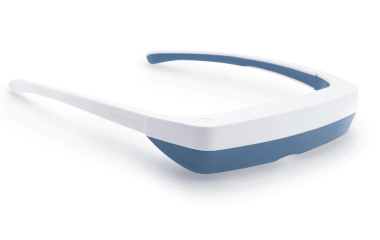
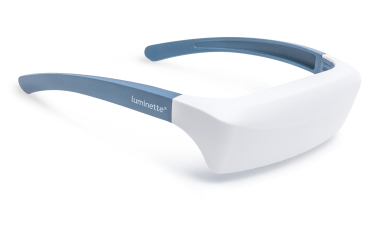
Don't look directly at the light source. Luminette is designed to direct light toward the eyes from above the field of vision. You can therefore continue your normal activities during a session, such as having breakfast, reading, or working.
Keep a regular routine. If you use your glasses over several days, try to keep your sessions at similar times to make them easier to incorporate into your routine.
Take a break if you feel uncomfortable. If you experience a headache, nausea, or significant discomfort, stop the session. If symptoms persist, speak with a healthcare professional.
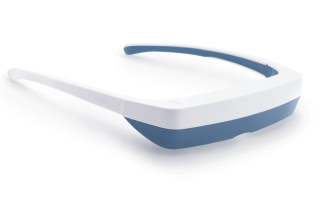
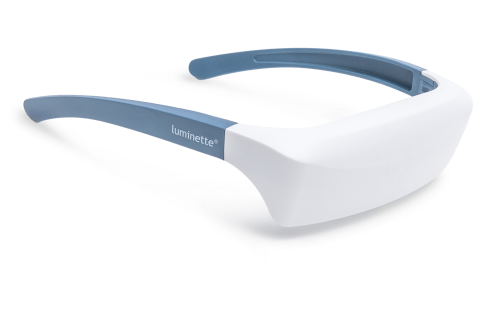
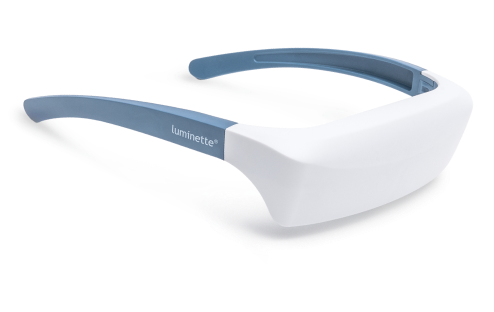
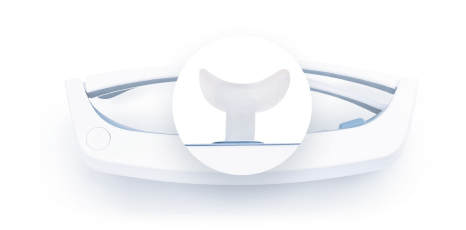
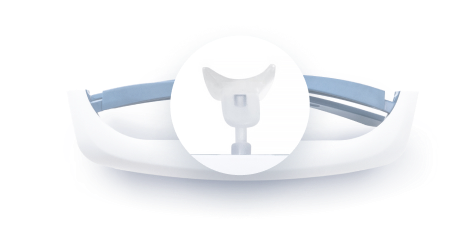
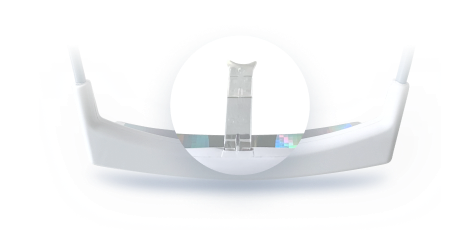
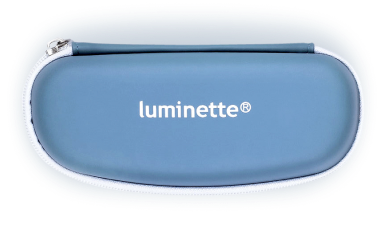
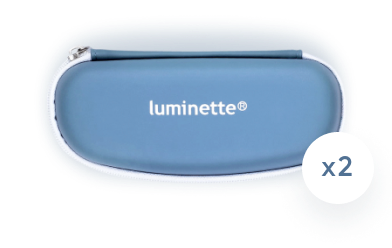
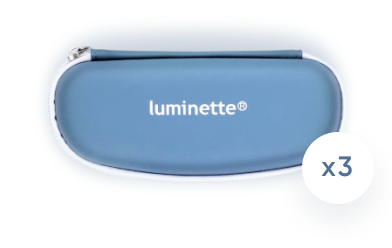
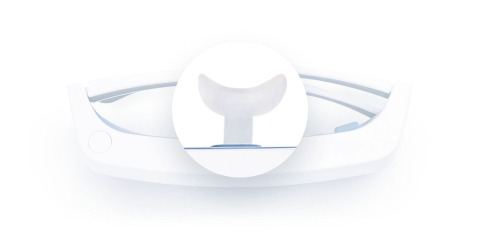
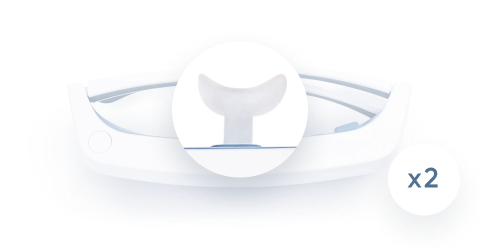
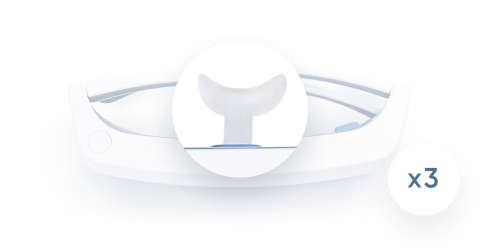
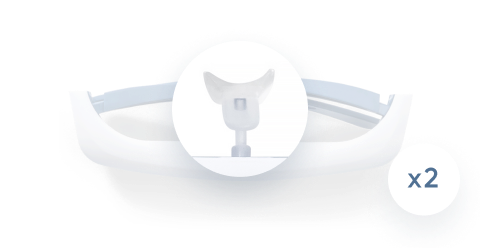
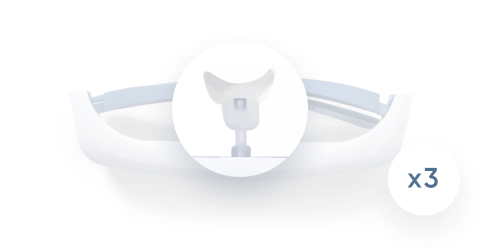
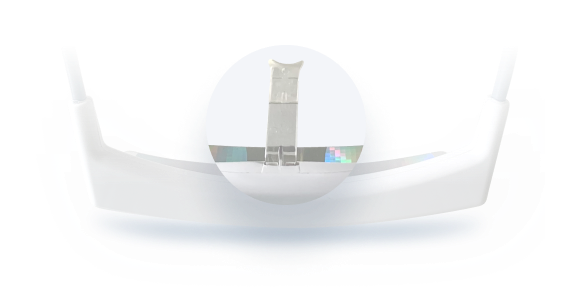
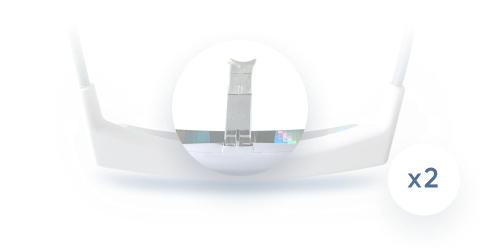
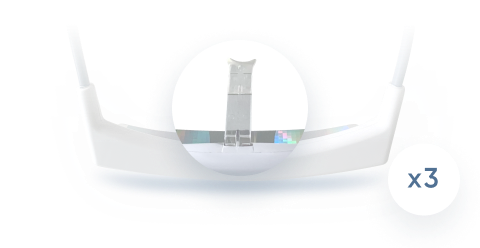
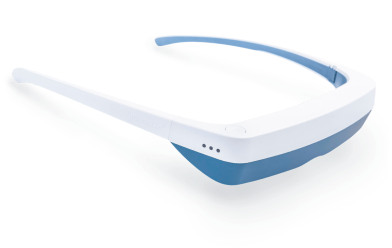
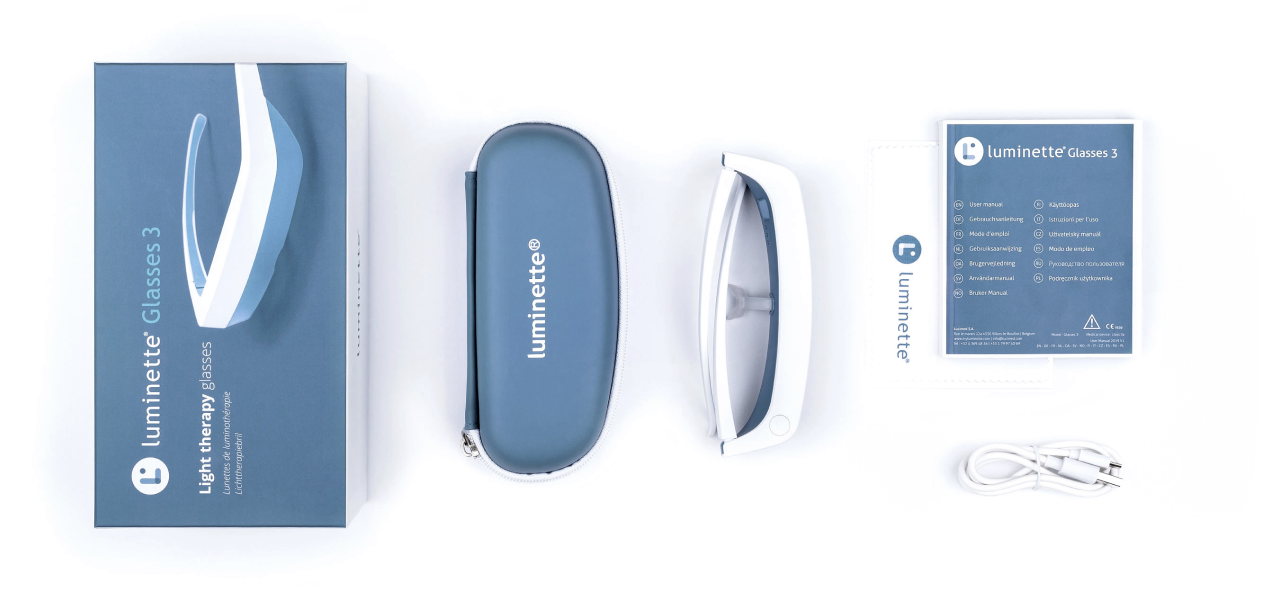
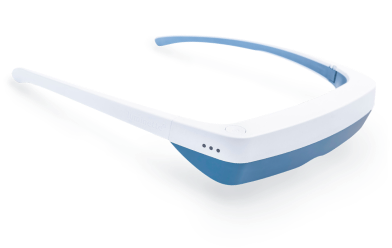
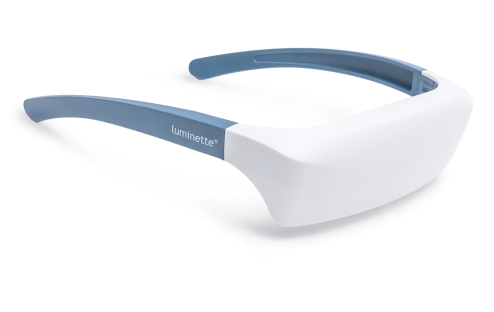
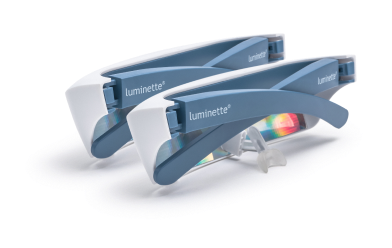
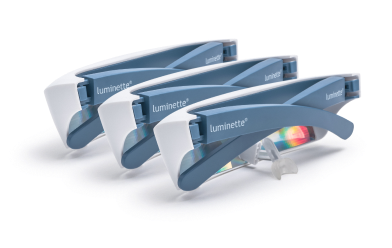
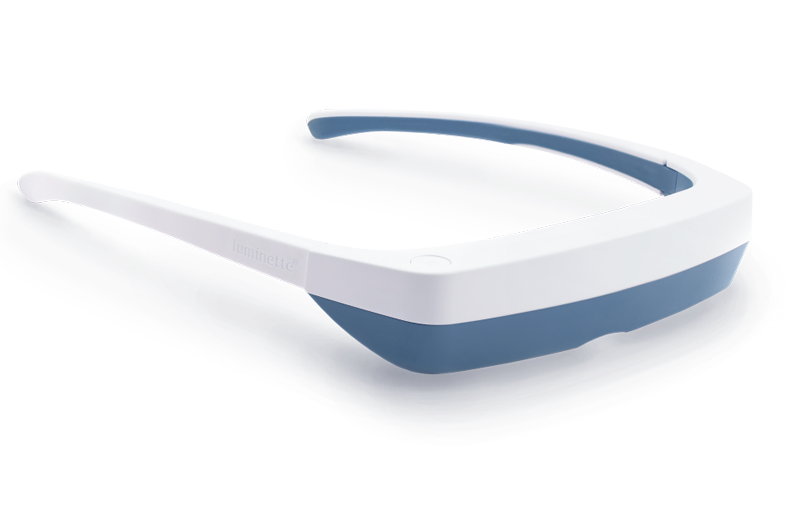
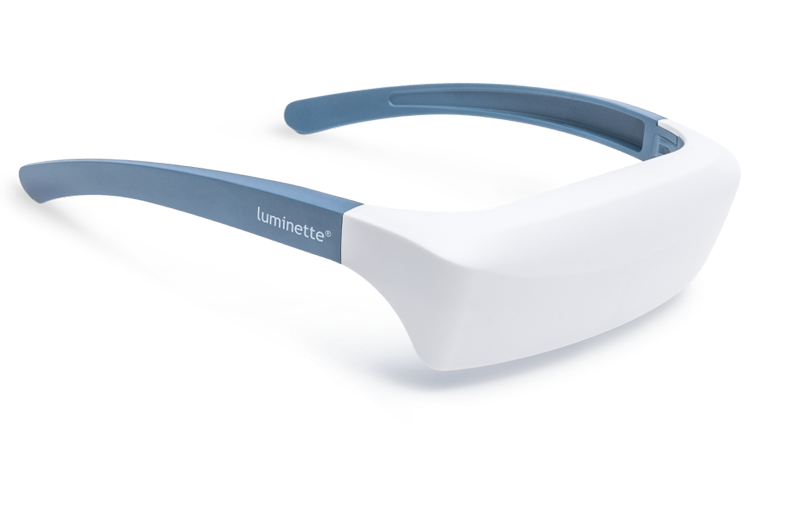
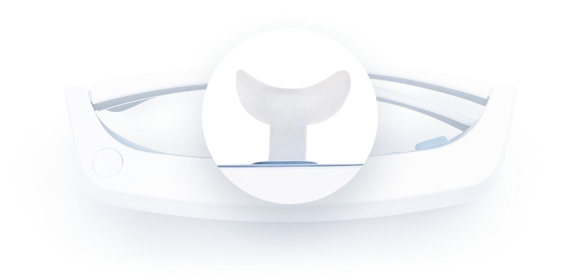
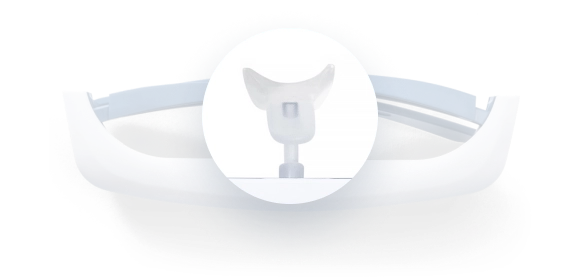
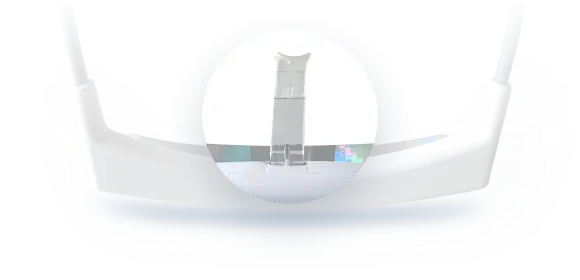
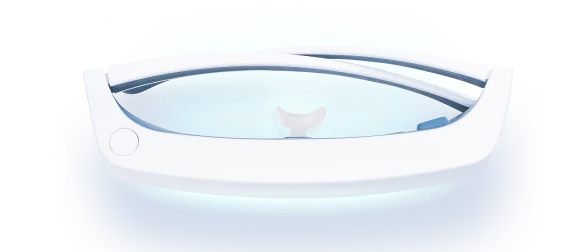
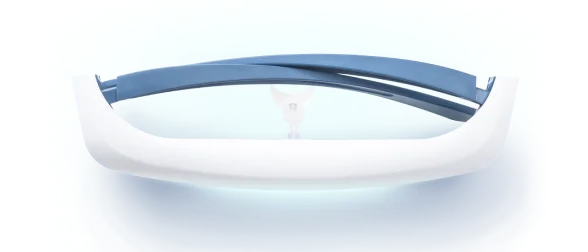
The design of the light therapy device also plays a role in how the light is delivered. Luminette 3 and Luminette 2 use an optical system that directs light toward the eyes from above the field of vision. The light is reflected toward the eyes rather than produced by an LED source positioned directly in front of them, allowing you to wear the glasses while continuing your activities. Among light therapy devices, this indirect design contributes to the comfort of daily sessions.
Do Light Therapy Glasses Damage Your Eyes?
The question of whether light therapy can affect your eyes is understandable, especially since light therapy sessions use a relatively intense light source.
Luminette does not emit UV radiation. This means there is no UV exposure from the Luminette light source during the session. Visible light can also present a photobiological risk under certain exposure conditions. Safety therefore depends on factors including light intensity, spectrum, exposure duration, and the conditions of use.
A 2025 study specifically evaluated the effect of Luminette on retinal function over eight weeks. Participants underwent electroretinography (ERG) at baseline, after four weeks, and after eight weeks. The researchers found no significant differences in retinal function between the Luminette and placebo groups. These findings are reassuring under the conditions studied, but they do not establish the absence of risk with longer-term use beyond the study period.
The way light reaches the eyes also matters. Light therapy glasses are designed to deliver light under specific conditions rather than simply exposing the eyes to the brightest possible source. This is why factors such as the optical design, distance or positioning of the light, exposure time, and spectrum all matter when considering how an individual device should be used.
In other words, a higher lux value does not automatically mean that a device is more effective or more appropriate. The relevant question is how much light reaches the eyes, for how long, at which wavelengths, and under what conditions. Following the instructions for the specific device is therefore more useful than comparing lux figures alone.
It is also important to distinguish light intensity from exposure duration: a more intense light source is not necessarily riskier when used for an appropriate duration and under appropriate conditions. This is why it is important to follow the recommended usage rather than relying on lux alone.
As with any light therapy device, follow the manufacturer's instructions and do not extend or intensify sessions beyond the recommended use. If you have an eye condition or experience persistent eye discomfort or unusual visual symptoms, speak with a healthcare professional.
Conclusion
Light therapy glasses can cause mild, temporary side effects, particularly when you first start using them. Headaches, eye strain, nausea, or feeling overly alert can occur, but they are not experienced by everyone.
Using the glasses as recommended — including following the appropriate session duration and timing — can help you use light therapy comfortably. If you have an eye condition, take medication that may affect light sensitivity, or know that bright light triggers your migraines, speak with a healthcare professional before starting.
With the right precautions and realistic expectations, light therapy glasses can be incorporated into a daily routine without making the process complicated.
FAQ
Yes. Headaches are one of the possible side effects of light therapy, particularly when starting out. If this happens, shorten the session and gradually resume use, following the recommendations for your device. If headaches persist, speak with a healthcare professional.
Some people may experience mild, temporary discomfort when they first start using light therapy glasses. If you experience discomfort, you can shorten the session and gradually resume use. If the discomfort persists, speak with a healthcare professional.
The recommended frequency depends on the device and its intended use. For Luminette, the instructions recommend one session per day, with the duration depending on the intensity selected. Follow the manufacturer's recommendations for your device.
Current evidence does not suggest measurable changes in retinal function with Luminette under the conditions studied in an eight-week study. However, this does not establish the absence of risk beyond the study period. If you have an eye condition or experience persistent eye discomfort or unusual visual symptoms, speak with a healthcare professional.
Yes. Light therapy should be used according to the manufacturer's recommendations. For Luminette, the recommended session duration varies with intensity: around 45 minutes at 500 lux, 30 minutes at 1,000 lux, or 20 minutes at 1,500 lux. Do not extend or intensify sessions beyond the recommended use.


