






















Best Colors for Sleep: What LED Light Colors Will Help You Sleep

Most people know that staring at a bright screen before bed isn't ideal. Fewer people know why - and even fewer understand that it's not just about brightness. The color of light matters just as much, and, in some situations, more.
If you've been scrolling through LED strip settings at 11 p.m. wondering which color will help rather than hinder your sleep, this article gives you a straight answer - and explains the biology behind it.
Why Light Color Affects Sleep at All
Before looking at specific colors, it's useful to understand the mechanism.
Your body regulates sleep through melatonin - a hormone produced by the pineal gland that rises in the evening, peaks in the middle of the night, and drops off before waking. Melatonin production is directly controlled by light exposure. Specifically, it's suppressed by light and rises in darkness.
But not all light suppresses melatonin equally. The key variable is wavelength. Your retina contains specialized photoreceptors - intrinsically photosensitive retinal ganglion cells (ipRGCs) - that are maximally sensitive to short-wavelength blue light, roughly in the 460–480nm range. These cells send signals directly to the brain's master clock (the suprachiasmatic nucleus), which interprets short-wavelength light as "daytime" and suppresses melatonin accordingly.
Long-wavelength light - red and amber - has far less impact on these receptors. Your brain doesn't interpret warm, dim, long-wavelength light as a strong "stay awake" signal the way it reads blue light.
This explains why some light colors are more sleep-friendly than others. The best colors for sleep are those at the warm, long-wavelength end of the spectrum. The worst are at the cool, short-wavelength blue end.
The Best LED Colors for Sleep
Red - The Best Supported Option
Red light sits at the far end of the visible spectrum, around 620–750nm. It has the least impact on melatonin suppression of any visible light color, which makes it the scientifically strongest candidate for the best LED color for sleep.
A study published in the Journal of Athletic Training found that red light therapy in the evening improved sleep quality and melatonin levels in female basketball players. Other research has shown red light exposure before bed does not delay sleep onset the way blue or white light does.
In practical terms: if you want a night light, a reading light, or ambient bedroom lighting in the hours before bed, red or deep amber is the safest choice. It gives you enough light to see without meaningfully disrupting your melatonin production.
Some people find pure red light somewhat unsettling or clinical-feeling. Deep amber - which is slightly warmer and less saturated than pure red - often feels more comfortable while still delivering most of the same melatonin-sparing benefit.
Amber and Warm Orange
Amber light (around 570–620nm) sits just short of red on the spectrum and behaves similarly in terms of circadian impact. It's the color of candlelight and traditional incandescent bulbs - which, not coincidentally, were what humans used for thousands of years before electric lighting and are closely associated with evening relaxation.
Warm orange-amber LED settings are among the best LED light colors for sleep precisely because they feel natural and calming rather than alerting. If your LED strip or smart bulb has a "warm white" or "candlelight" setting with a color temperature below 2700K, that's in this territory.
Warm White (2200K–2700K)
Warm white isn't a saturated color, but it deserves a mention.. Very warm white light - the kind that looks slightly yellow or golden - has a much lower blue content than cool white or daylight bulbs. Used at low intensity in the evening, warm white is a practical and comfortable choice that is less likely to disrupt sleep as aggressively as cooler alternatives.
This is what most sleep researchers and lighting designers recommend for bedroom and evening living space lighting: warm white, dimmed, positioned out of direct line of sight.
The Worst LED Colors for Sleep
Blue - The Main Culprit
Blue light (roughly 400–490nm) is directly in the peak sensitivity range of the melanopsin receptors that signal your brain to suppress melatonin. Evening blue light exposure delays sleep onset, reduces total melatonin output, and shortens sleep duration.
The blue LED setting that looks cool and crisp is actively working against your ability to fall asleep. This applies to cool white LEDs, bright phone screens, LED strip lights on "cool white" or "blue" settings, and most overhead fluorescent or LED office-style lighting.
If you're asking what LED colors help you sleep, blue is the answer to what doesn't.
Cool White and "Daylight" Settings
These typically sit between 5000K and 6500K on the color temperature scale and contain significant blue content. They're excellent for workspaces and daytime alertness - and poor choices for anything within two to three hours of bedtime. Many people have their overhead bedroom lights or LED strips on cool white settings without realizing this is affecting how quickly they fall asleep.
What About "Sleep Noise Colors"? Red Noise, Pink Noise, Brown Noise
A quick note on a separate concept that often gets mixed into searches around "sleep noise colors" and "sleep colors."
Color-coded sound - white noise, pink noise, brown noise, red noise - uses color terminology by analogy with light spectra, describing the frequency distribution of the sound rather than any visual color. These are audio tools, not lighting choices.
White noise: equal energy across all frequencies - consistent, flat hiss
Pink noise: energy decreases at higher frequencies - softer, like steady rain
Brown (red) noise: even more energy at lower frequencies - deeper rumble, like thunder or a strong river current
Green noise: mid-frequency emphasis - nature-like ambient sound
Research on pink noise suggests they can improve sleep quality and reduce the time it takes to fall asleep for some people. They work by masking inconsistent environmental sounds that cause arousals during light sleep stages.
These noise colors may also help support sleep, but they work differently from light and belong to a separate category.
LED Light Colors for Sleep: Practical Setup Guide
Two to Three Hours Before Bed
Switch off overhead cool or white light. Shift to warm, dim sources - bedside lamps with warm white bulbs (2200K–2700K), LED strips set to deep red or amber, or candles if you're inclined. The goal is to stop sending "daytime" signals to your circadian system.
If you use LED strip lights in your bedroom, this is the window where color matters most. Red or deep amber are the best LED light colors to sleep with in this period.
In Bed
If you want any light at all - for reading, for a night light, for ambient comfort - red is the best choice. A dim red or deep amber reading light does the least damage to melatonin of any visible light source.
Avoid using your phone or tablet in bed at full brightness. If you must, enable night mode or a warm color filter and reduce brightness as low as is readable.
Night Lights for Children
Children's melatonin systems are generally more sensitive to blue light than adults'. If you use a night light in a child's room, red or very warm amber is strongly preferable to white, blue, or green. Many commercially sold children's night lights are still white or blue, even though these colors are not ideal for a room intended to support sleep.
Waking Up: Morning Light Matters Too
The same biology works in reverse in the morning. If you struggle to feel alert after waking - particularly in winter - bright, blue-enriched morning light can help support your body's natural circadian rhythm. This is one of the best-established applications of light therapy.
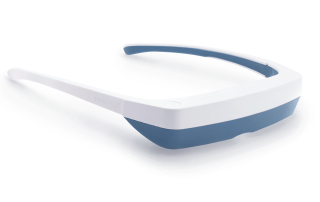
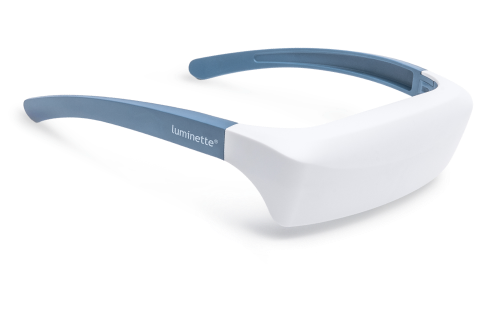
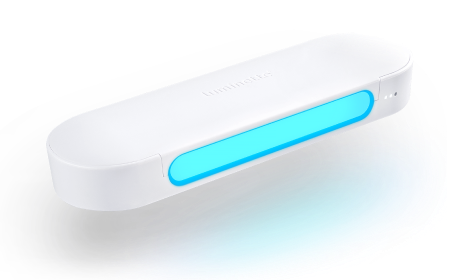
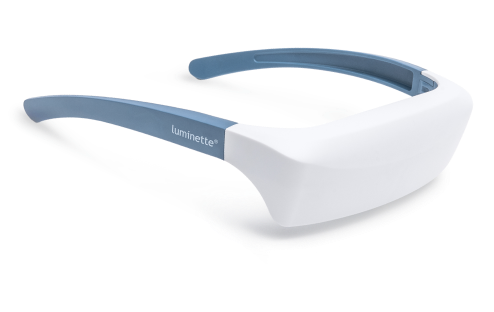
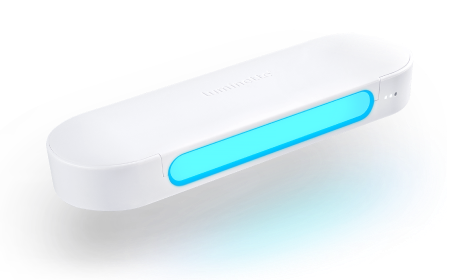
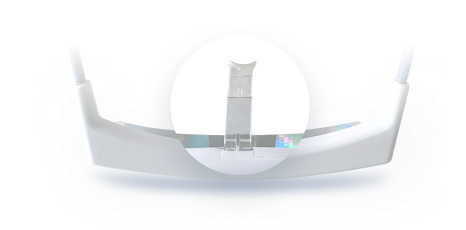
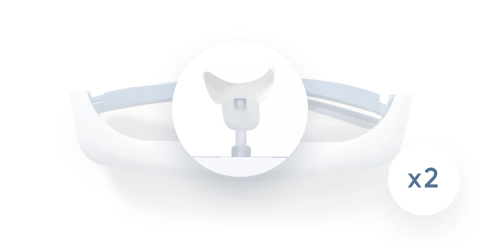
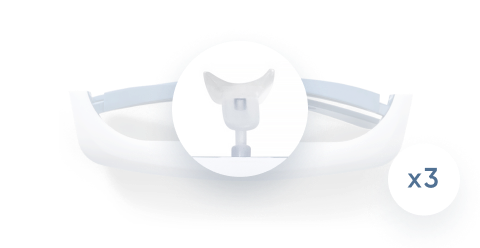
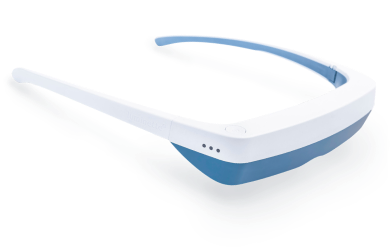
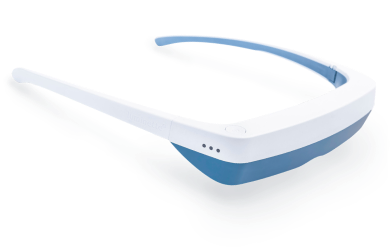
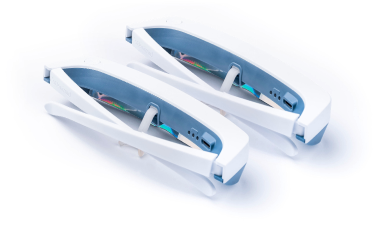
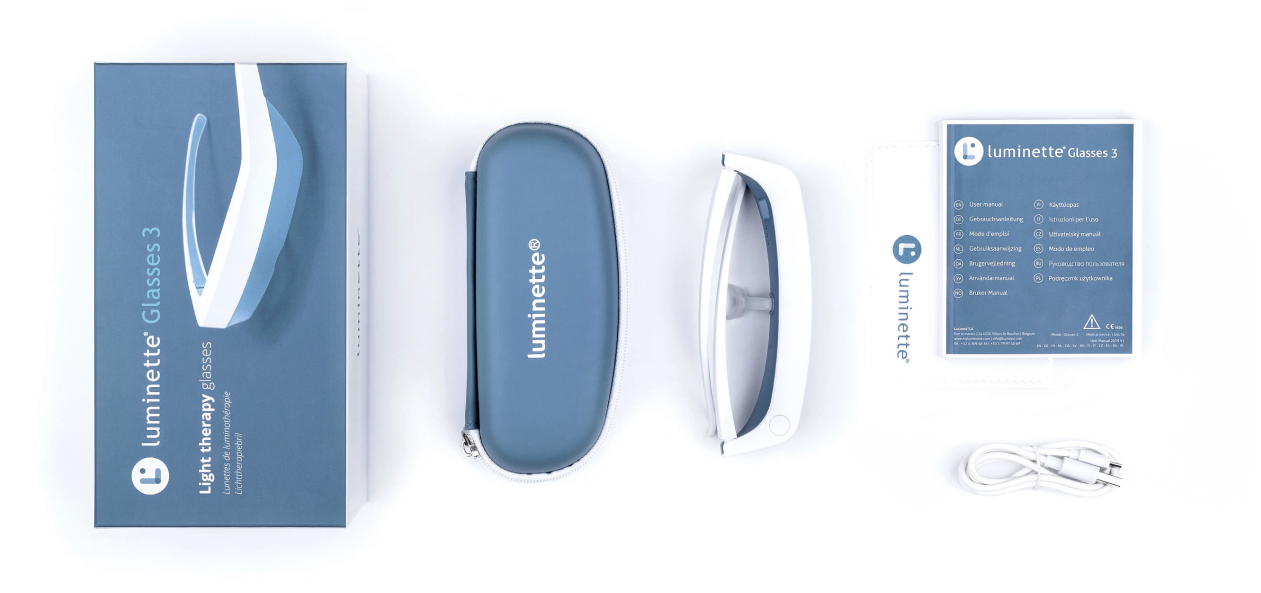
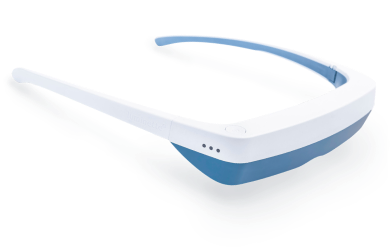
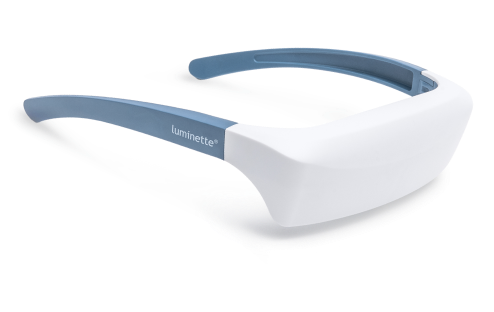
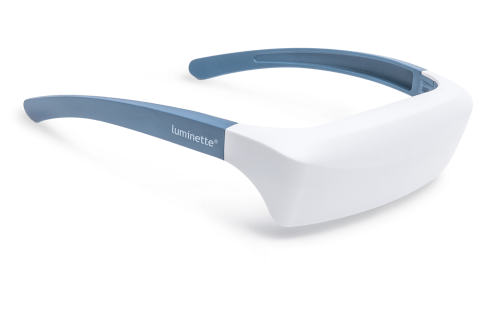
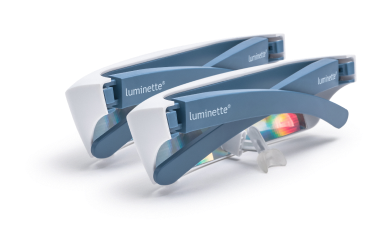
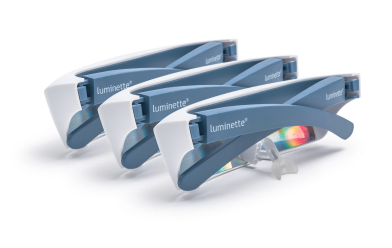
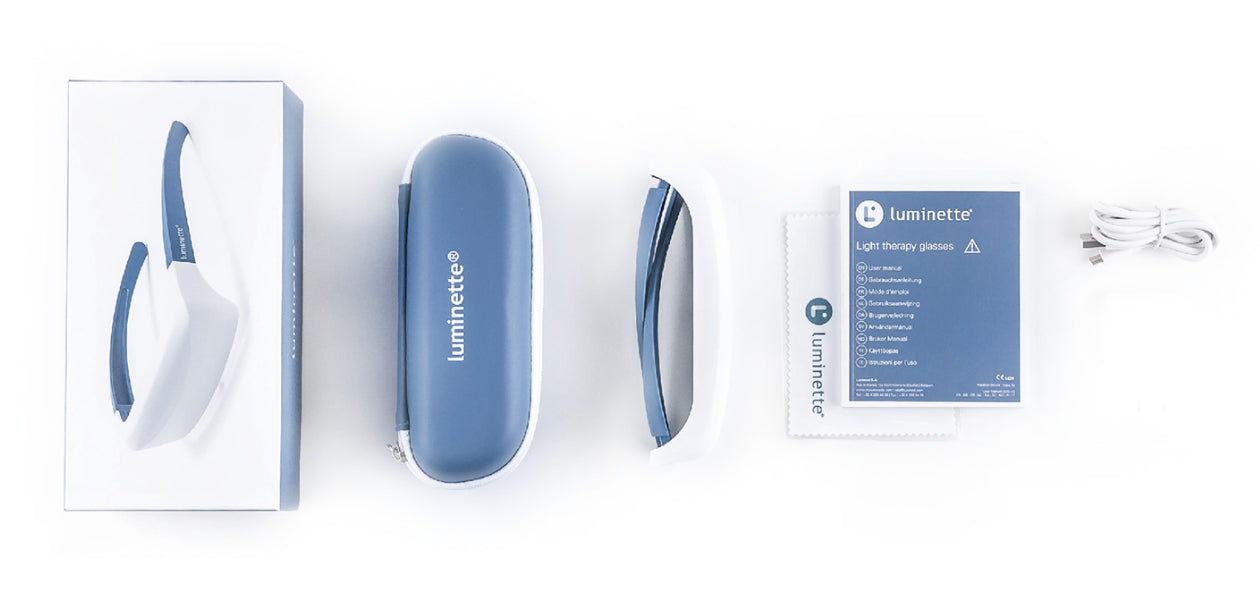
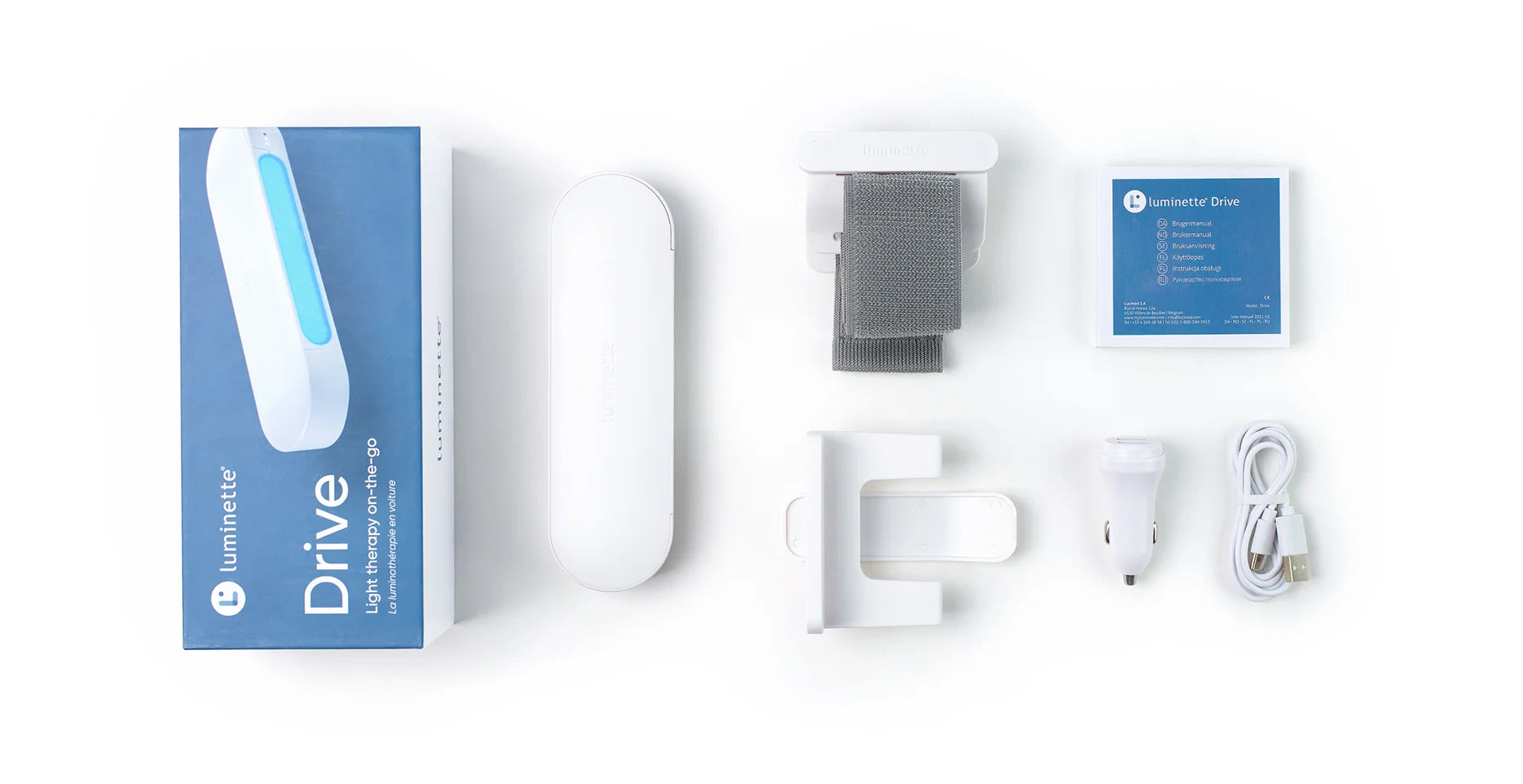
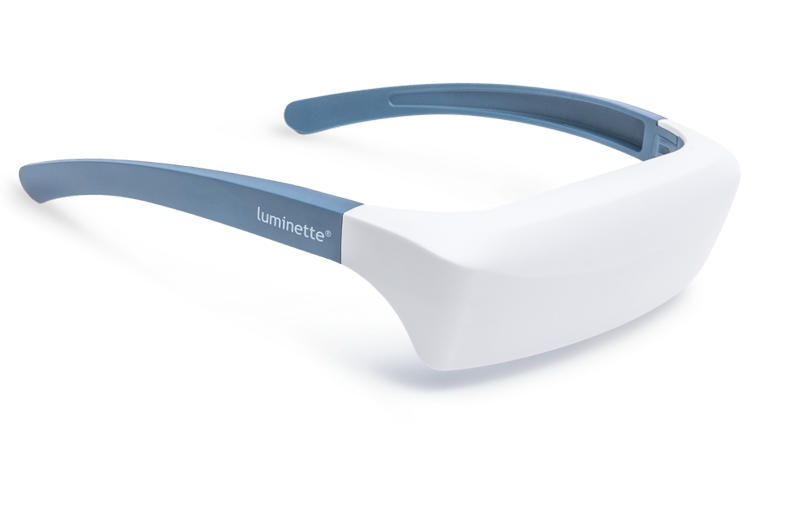
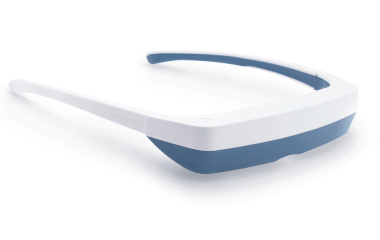
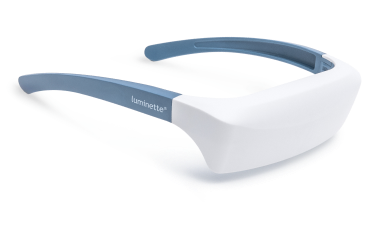
The Luminette light therapy glasses are designed to deliver this light in a practical, wearable format. Instead of sitting in front of a light therapy box, you can complete your morning session while having breakfast, reading, exercising, or getting ready for the day.
The Luminette 3 offers three adjustable light intensity levels to suit different preferences and routines. The Luminette 2 provides the same core light therapy experience in a more affordable model.
Colors That Promote Sleep: Room Design Considerations
Beyond LED settings, the broader visual environment of a bedroom influences sleep quality - though through different mechanisms than light color's effect on melatonin.
Wall colors and soft furnishings affect how mentally activating or calming a space feels. Research and interior design consensus both point toward the same palette:
Blues and blue-greys - somewhat paradoxically given blue light's stimulating effect on circadian biology - are associated with psychological calm and are among the most cited wall colors in sleep-focused bedroom design. The key is that these are reflected colors in a dim room, not emitted light sources. A pale blue-grey wall in low warm lighting is not the same thing as a blue LED at full brightness.
Warm neutrals - soft whites, warm creams, light taupes - create a visually quiet environment without visual stimulation. These are reliable, low-risk choices for sleeping spaces.
Muted greens and sage - soft, desaturated greens - are associated with nature and calm. Like muted blues, they tend to reduce visual arousal in a dim room.
What to avoid: High-contrast patterns, very saturated or bright colors, and anything visually stimulating. A bedroom with a vivid red accent wall and high-contrast geometric patterns is visually activating regardless of what your LEDs are set to.
The distinction to keep in mind: emitted light color (from LEDs, screens, lamps) affects melatonin directly. Reflected color (walls, bedding, soft furnishings) affects psychological arousal and how restful a space feels - a real but different mechanism.
Quick Reference: LED Colors and Sleep Quality
| Color |
Wavelength | Melatonin Impact |
Sleep Rating |
| Red |
620–750nm |
Minimal |
★★★★★ Best |
| Deep amber |
570–620nm |
Very low |
★★★★☆ Excellent |
| Warm white (2200K) |
Mixed, red-dominant |
Low |
★★★★☆ Very good |
| Warm white (3000K) |
Mixed |
Moderate |
★★★☆☆ Acceptable |
| Yellow-green |
565–590nm |
Moderate |
★★☆☆☆ Poor |
| Green |
500–565nm |
Significant |
★★☆☆☆ Poor |
| Cool white (4000K+) |
Mixed, blue-elevated |
High | ★☆☆☆☆ Bad |
| Blue |
400–490nm |
Very high |
★☆☆☆☆ Worst |
| Color |
Wavelength | Melatonin Impact |
Sleep Rating |
| Red |
620–750nm |
Minimal |
★★★★★ Best |
| Deep amber |
570–620nm |
Very low |
★★★★☆ Excellent |
| Warm white (2200K) |
Mixed, red-dominant |
Low |
★★★★☆ Very good |
| Warm white (3000K) |
Mixed |
Moderate |
★★★☆☆ Acceptable |
| Yellow-green |
565–590nm |
Moderate |
★★☆☆☆ Poor |
| Green |
500–565nm |
Significant |
★★☆☆☆ Poor |
| Cool white (4000K+) |
Mixed, blue-elevated |
High | ★☆☆☆☆ Bad |
| Blue |
400–490nm |
Very high |
★☆☆☆☆ Worst |
The Most Common Mistakes People Make with Bedroom Lighting
Keeping overhead lights on until the moment they get into bed. Overhead lighting is typically cool white and high-intensity - exactly the wrong combination for the hour before sleep.
Assuming "dim" cancels out "blue." A dim blue light is still a blue light. Dimming reduces total light exposure but doesn't change the wavelength. A dim red light is far better for sleep than a dim blue light, even if the blue light is very faint.
Using LED strips on default settings. Many LED strips default to white or blue-white. Check what yours is set to and adjust accordingly in the evening hours.
Bright bathroom lighting late at night. Bathrooms often have the brightest, coolest lighting in the home - which means a pre-bed bathroom routine under full fluorescent or cool LED lighting can spike alertness right before you try to sleep. Consider a separate warm, dim alternative or a motion-sensitive night light.
Inconsistent schedules. Light environment matters, but so does consistency. Your circadian system adapts to patterns. Highly variable bedtimes, bright light at irregular hours, and different weekend and weekday schedules undermine whatever you're doing with your LED colors.
Key Takeaways
The best LED colors for sleep are red and deep amber - they have the least impact on melatonin production and allow your body to wind down naturally in the evening. Warm white settings below 2700K are a practical middle ground for general evening lighting.
Blue and cool white are the worst LED colors for sleep - they directly suppress melatonin through the same mechanism that makes morning sunlight alerting.
Green sits in the middle and is often overestimated as a sleep-friendly color based on visual impression rather than biological effect.
An equally important factor is what happens in the morning. A well-anchored circadian rhythm - supported by consistent morning light exposure - makes the evening melatonin rise more reliable and sleep onset easier. If your mornings are dim and inconsistent, your evenings will likely be harder regardless of your LED settings.
Light works in both directions. Reducing stimulating light in the evening and getting enough bright light in the morning are equally important for supporting a healthy circadian rhythm.
FAQ
Red is the best LED color for sleep, based on its minimal impact on melatonin suppression. Red light sits at the long-wavelength end of the visible spectrum and doesn't strongly activate the melanopsin receptors that signal the brain to stay awake. Deep amber is a close second and often feels more comfortable. Both are far better choices than blue, cool white, or green LED settings in the hours before bed.
Yes, significantly. Blue light (roughly 400–490nm) directly activates the photoreceptors most responsible for suppressing melatonin production. Evening exposure to blue light delays sleep onset, reduces total melatonin output, and can shorten sleep duration. This applies to LED strips on blue or cool white settings, phone screens, tablets, and cool overhead lighting - all common sources in most bedrooms.
Green is often assumed to be sleep-neutral but it isn't. While it causes less melatonin suppression than blue light, it still produces a meaningful effect - research suggests roughly twice the melatonin-suppressing impact of red light. Green looks visually calm, but visual impression and biological effect are different things. For sleep, green is notably better than blue but significantly worse than red or amber.
Red or very deep amber. These colors allow enough visibility to navigate safely without meaningfully disrupting melatonin production. This applies to adults and especially to children, whose melanopsin systems are more sensitive to blue light than adults'. Avoid white, blue, or green night lights in sleeping spaces.
The opposite of what helps you sleep - bright, cool, blue-enriched light signals your brain that it's morning and helps suppress residual melatonin. This is why morning light therapy works: delivering bright light early in the day anchors your circadian rhythm, making it easier to feel alert in the morning and sleepy at the appropriate time in the evening.
Red light's main benefit is that it is less disruptive to sleep. Unlike blue or cool white light, it has very little effect on melatonin production. Some studies also suggest that red light exposure may have beneficial effects on certain aspects of sleep. However, the available evidence remains limited and less consistent than the evidence showing the disruptive effects of blue light. At present, the best-supported benefit of red light is its ability to create a more sleep-friendly lighting environment rather than actively improving sleep itself.
Completely different categories that share color terminology. Sleep noise colors (white noise, pink noise, brown noise) refer to the frequency distribution of audio sounds used to mask environmental disturbances during sleep. LED colors for sleep refer to the wavelength of visible light and its effect on melatonin production. Both can contribute to better sleep but through entirely separate mechanisms.


