













Sun Lamp and Vitamin D: What You Actually Need to Know

If you've been searching for a way to feel more energized during gray winter months, you've probably come across two very different suggestions: get more vitamin D, or try a sun lamp. And if you're wondering whether a vitamin D lamp or UV sun lamp for vitamin D can solve both problems at once - that's exactly what this article addresses.
The short answer might surprise you.

What Is a Sun Lamp, and What Does It Actually Do?
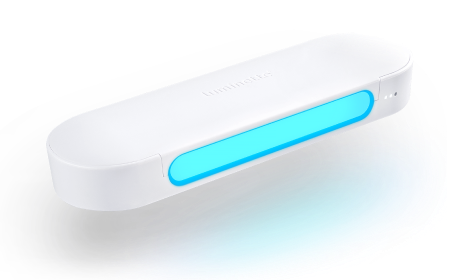
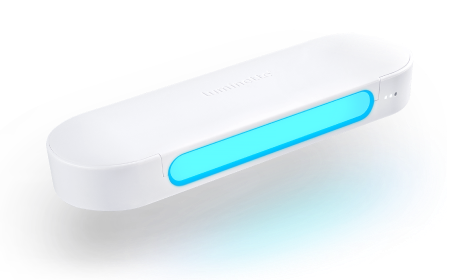
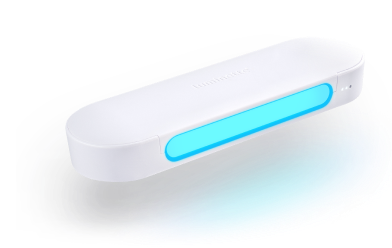
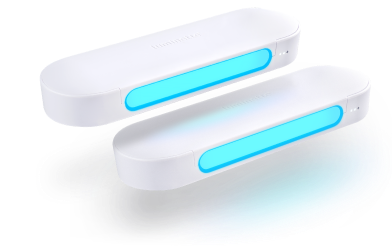
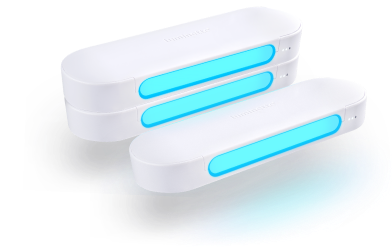
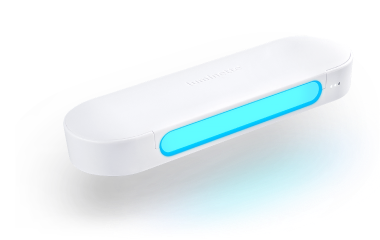
A sun lamp - sometimes called a SAD lamp, light therapy box, or bright light therapy device - mimics the intensity of natural daylight. It's not a tanning lamp. It's not a UV lamp. And no, it doesn't give you vitamin D. We'll come back to that.
What it does do is send a strong signal to your brain: it's daytime. Time to wake up, regulate mood, and sync your internal clock.
Robert Cain, MD, a family medicine practitioner, explains it plainly: "Long periods of dark and a lack of sun exposure get your sleep-wake rhythm thrown off, and sun lamps help reset it."
The mechanism is straightforward. Light exposure in the morning suppresses melatonin (the hormone that makes you sleepy) and supports serotonin production (which stabilizes mood). The result, when used consistently, is often better sleep, higher energy levels, and reduced symptoms of seasonal depression.
Sun Lamp and Vitamin D: A Common Misconception
Here's the thing that trips people up constantly. When people search for a sun lamp for vitamin D or a vitamin D sun lamp, they're usually hoping to find a lamp that does double duty - brighten your mood and fix your vitamin D levels.
That's not how it works.
Standard sun lamps used for light therapy do not emit ultraviolet (UV) radiation. Vitamin D synthesis in the body requires UVB light - the specific wavelength that triggers your skin to produce vitamin D3. Light therapy boxes deliberately filter out UV to make them safe for daily, prolonged use.
So a sun lamp and vitamin D are two separate conversations.
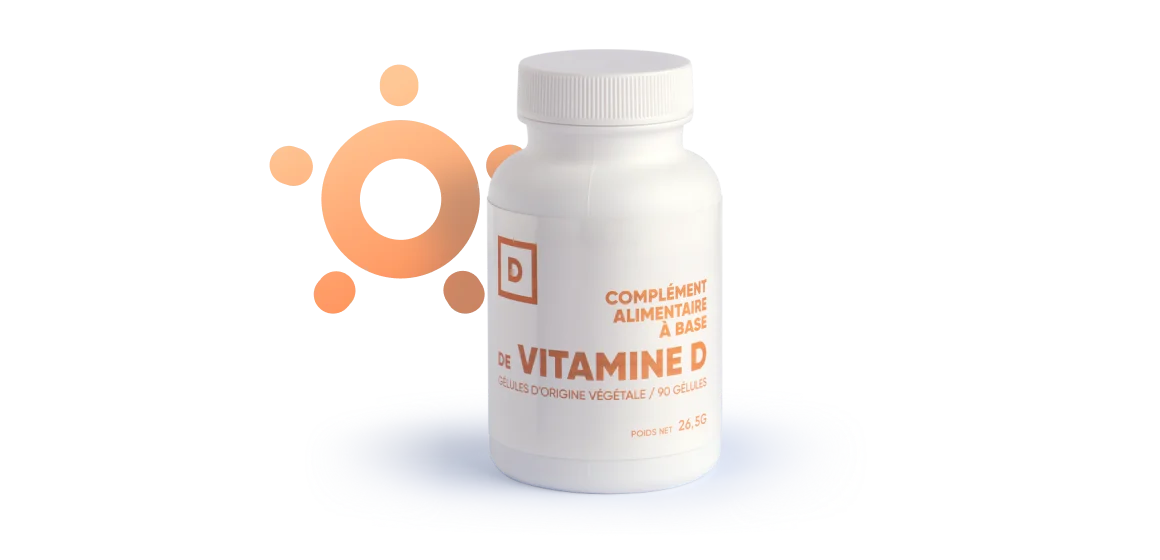
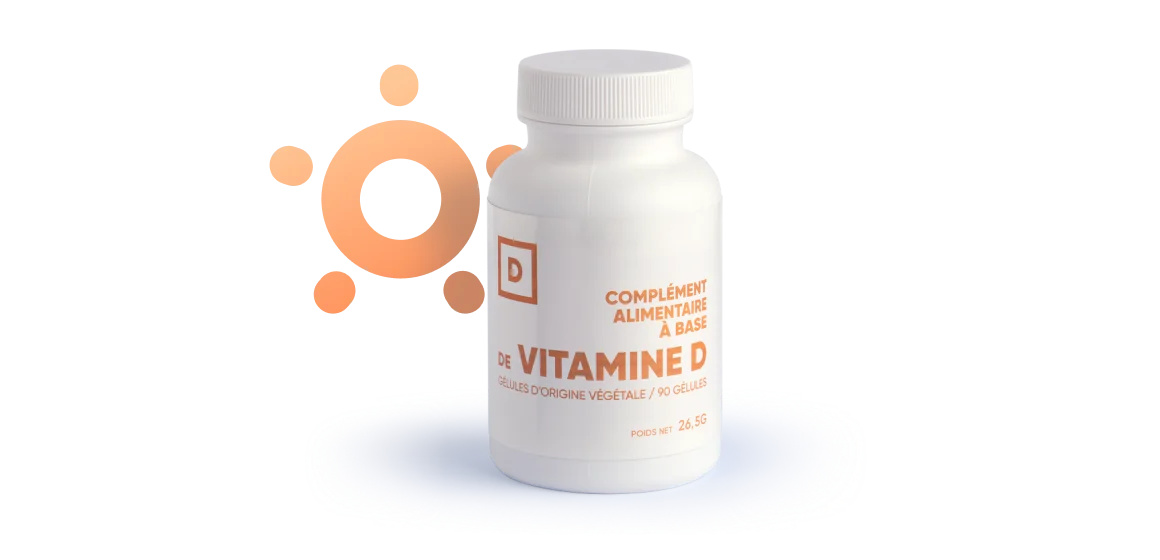
If you're looking for vitamin D support, you need either real sun exposure, UVB phototherapy (a medical treatment), or - most practically - a supplement. Dr. Cain recommends 2,000 IU (50 micrograms) of vitamin D3 daily from October through April for people living in colder climates.
What Does a Sun Lamp Actually Help With?
Light therapy has a solid track record, particularly for:
Seasonal Affective Disorder (SAD) This is the condition most strongly associated with sun lamps. One study found that bright-light therapy is now considered a first-line treatment for SAD - meaning it's recommended before, or alongside, medication in many cases. Users typically notice mood improvements within two to four days of consistent morning use with a 10,000-lux lamp.
Non-seasonal depression Research suggests benefits extend beyond winter depression to some forms of year-round low mood.
Sleep disorders and circadian rhythm disruption Shift workers, frequent travelers, and people with delayed sleep phase syndrome are increasingly turning to light therapy to re-anchor their body clock.
Cognitive conditions There's emerging evidence for benefits in dementia and age-related sleep disruption.
Bipolar disorder (with caution) People with bipolar disorder should use a sun lamp only with a mood stabilizer prescribed by their doctor, as bright light can trigger manic episodes.

How to Use a Sun Lamp Correctly
Getting results from light therapy is less about having the most expensive device and more about consistency and timing.
Morning is non-negotiable. Light therapy works best when used within an hour or so of waking. Using it in the evening can delay your sleep-wake cycle instead of anchoring it.
Position matters. Sit with the lamp about 60–90 cm (two to three feet) away from your face. Don't stare directly into it - the light should reach your eyes indirectly while you eat breakfast, read, or work.
Duration. For a 10,000-lux lamp, 20–30 minutes is the standard recommendation. Lower-lux lamps require longer exposure to achieve the same effect.
Consistency. Daily use during the fall and winter months delivers the most reliable results. Sporadic use is far less effective.
What to Look for in the Best Sun Lamp
If you're shopping for a best sun lamp for vitamin D (even though, as we've covered, no sun lamp actually produces vitamin D), what you're probably really looking for is a lamp that effectively supports mood and energy during low-light months. Here's what matters:
10,000 lux intensity - this is the clinical standard
UV-free - any reputable lamp filters out ultraviolet radiation
White light - the Skin Cancer Foundation notes that full-spectrum and blue-tinged light offer no proven therapeutic advantage and can cause glare
Comfortable for extended use - you'll be sitting in front of it for 20–30 minutes daily
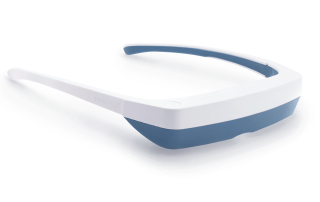
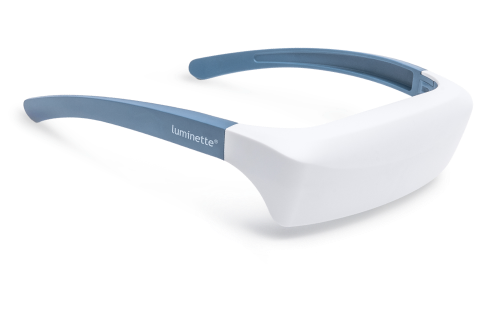
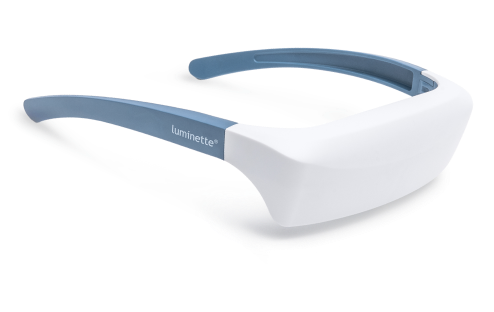
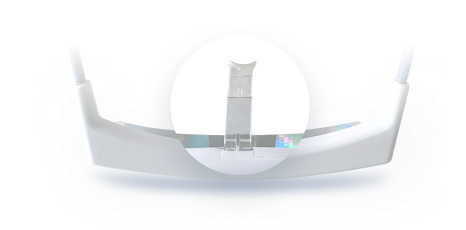
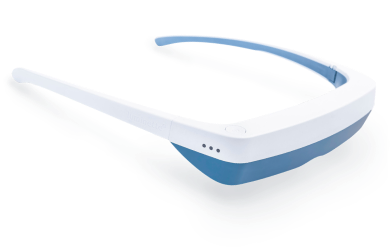
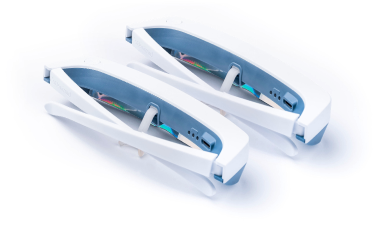
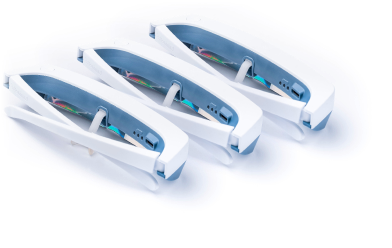
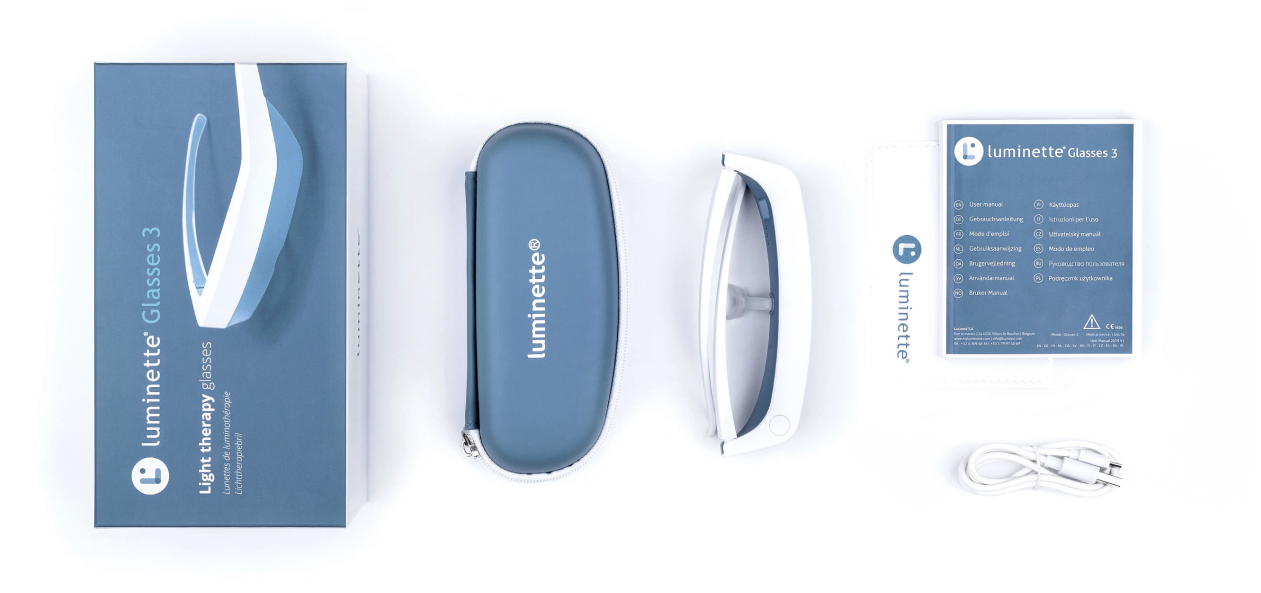
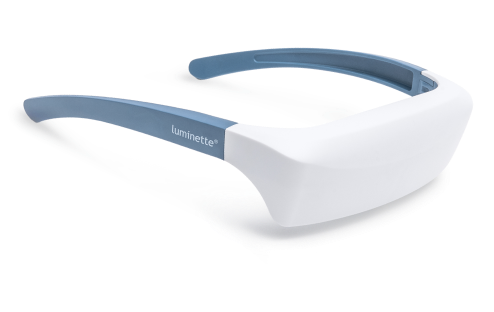
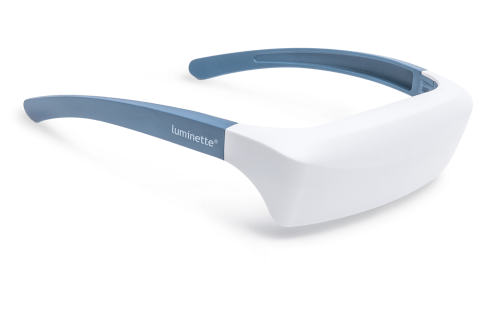
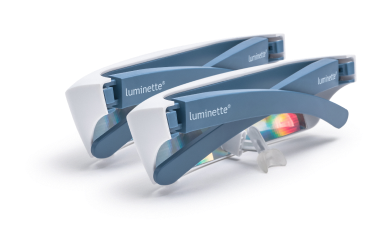
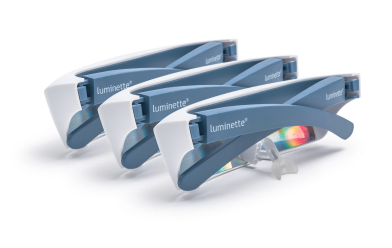
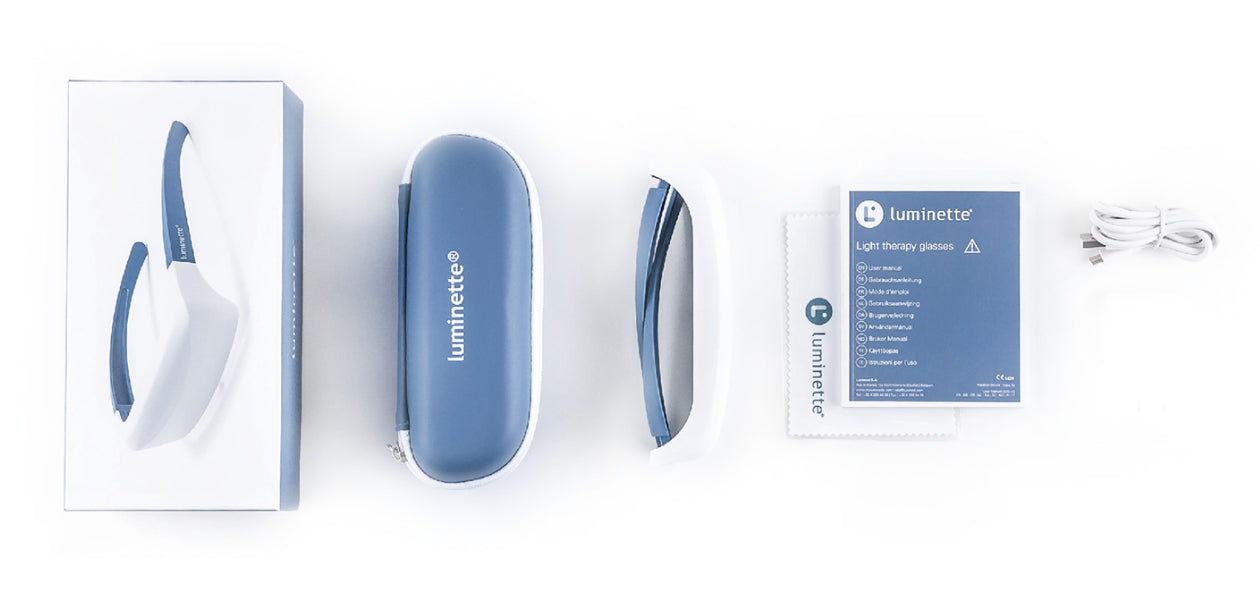
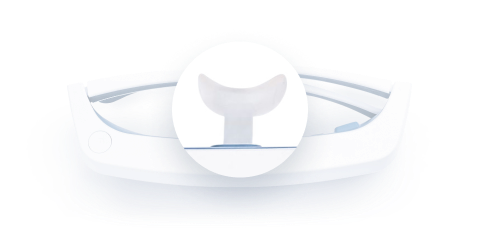
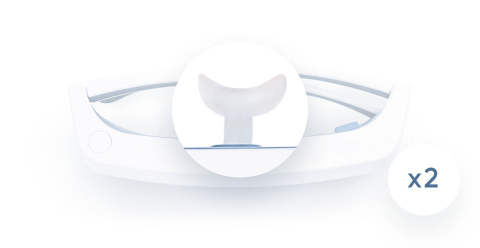
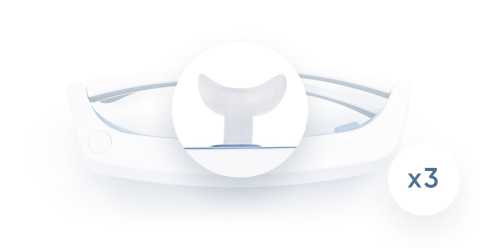
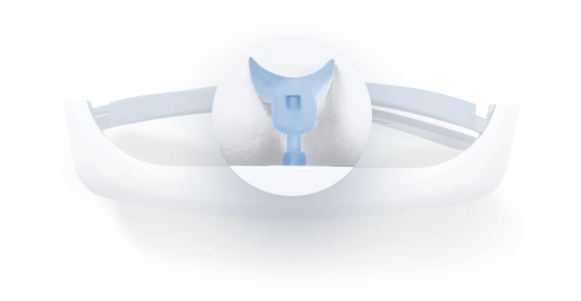
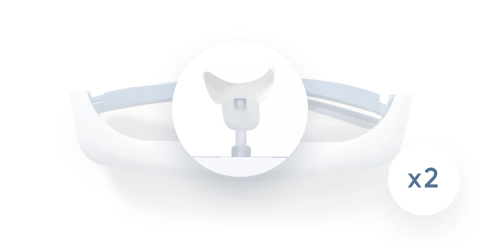
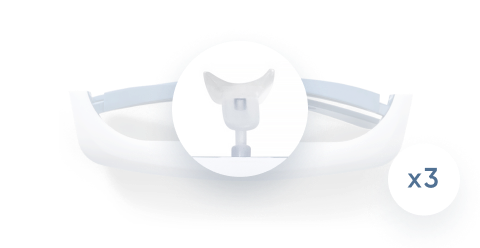
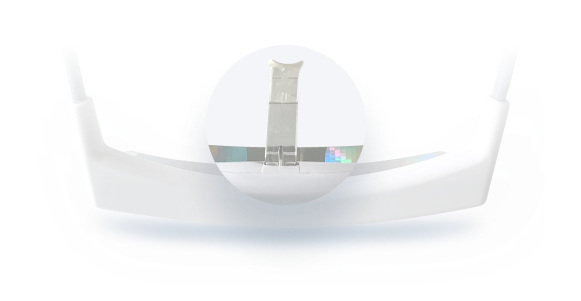
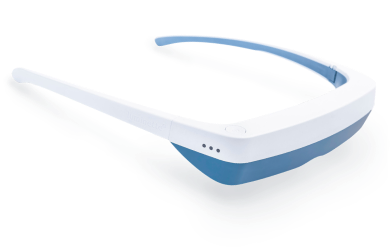
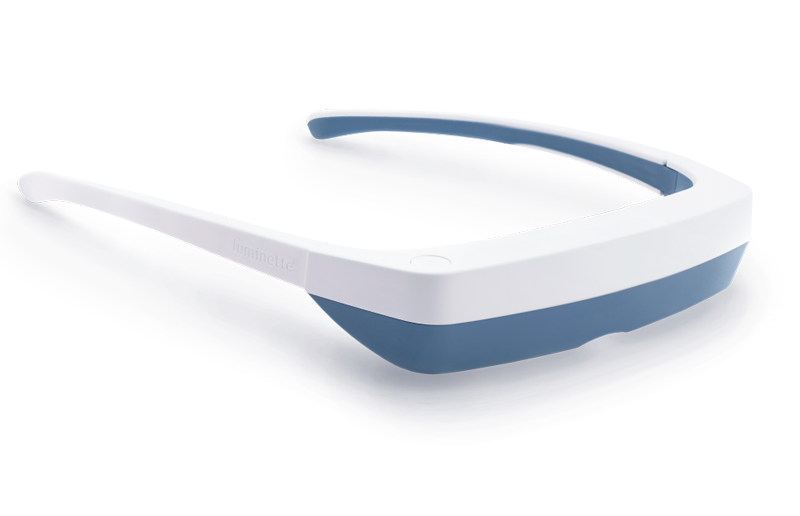
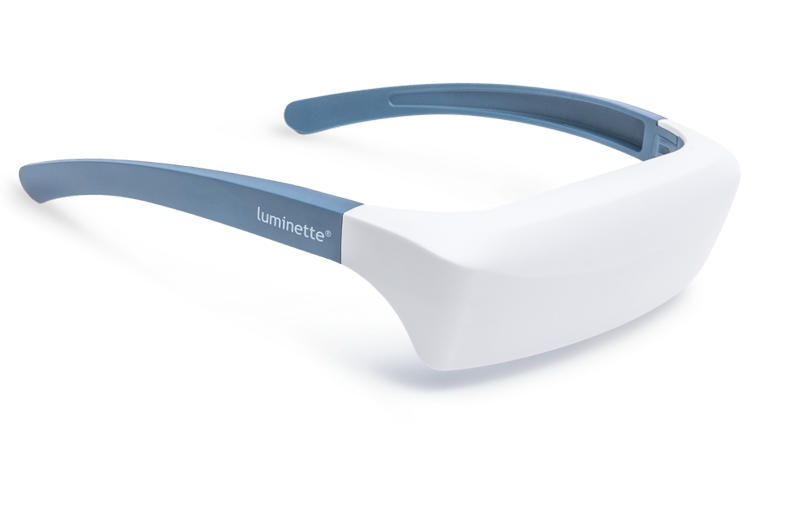
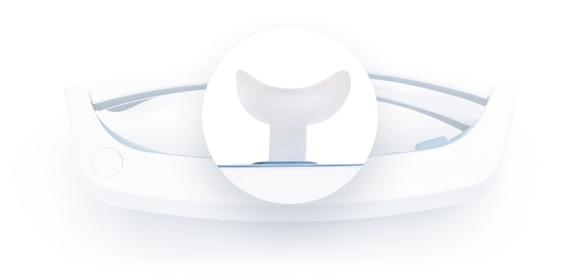
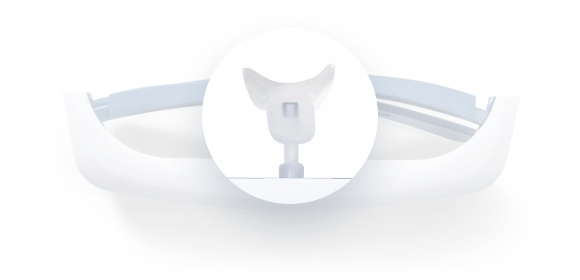
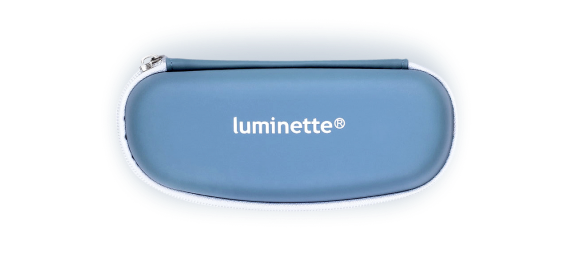
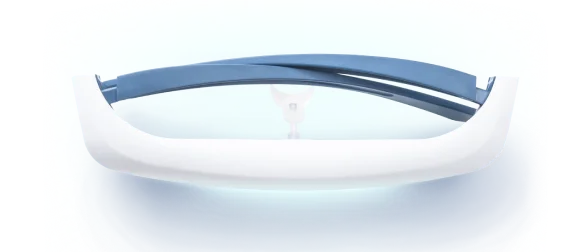
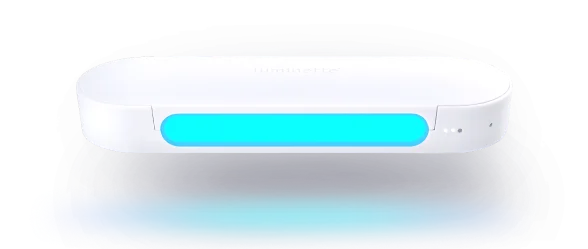
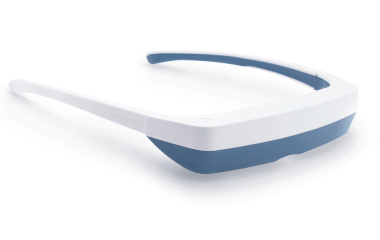
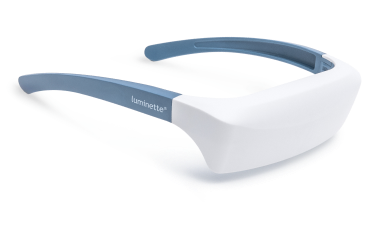
One option worth knowing about is the Luminette light therapy glasses - a wearable format that delivers light therapy without requiring you to sit at a desk. The Luminette 3 is their current flagship model, designed to integrate into your morning routine without disrupting it. There's also the Luminette 2 for those looking for a more accessible entry point.
The advantage of a wearable format like Luminette is that it removes the compliance problem: most people skip their lamp session because they don't want to sit still for half an hour. With glasses, you get your therapy while having breakfast, doing yoga, or getting ready for work.
Are Sun Lamps Safe?
For most people, yes. Side effects are typically mild and include headache, eye strain, or nausea - most often caused by sitting too close or using the lamp for too long at the start. These usually resolve on their own as your body adjusts.
Because reputable sun lamps filter out UV radiation, they carry minimal risk for general use. That said, certain conditions warrant extra caution:
Macular degeneration
Lupus
Existing skin cancers
Diabetes (some forms)
Connective tissue disorders
Certain medications also increase light sensitivity - it's worth checking with your doctor before starting.
Children with SAD can benefit from light therapy, but parental supervision is advised and a pediatrician's input is worth seeking first.
Vitamin D Separately: What to Actually Do
Since light therapy boxes won't address vitamin D deficiency, here's the practical approach most doctors recommend:
Get your levels tested - a simple blood test (25-hydroxyvitamin D) tells you where you stand
Supplement during winter - D3 is better absorbed than D2; 1,000–2,000 IU daily is a common maintenance dose for adults in low-sun climates
Get dietary sources where possible - fatty fish, egg yolks, and fortified foods contribute, but rarely enough on their own to compensate for reduced sun exposure
For more on how sun lamps relate to vitamin D and light therapy, the Luminette blog covers the distinction in more depth.
Conclusion
A sun lamp is a legitimate, evidence-backed tool for improving mood, sleep, and energy during low-light seasons. It is not a source of vitamin D - that's a widespread misconception worth correcting.
If you're dealing with winter fatigue, low mood, or disrupted sleep, a daily 20–30 minute light therapy session in the morning is one of the lowest-risk, most cost-effective interventions available. No prescription needed. No side effects for most people.
Just don't expect it to fix your vitamin D levels. That's a separate problem with a separate solution.
FAQ
No. Standard sun lamps used for light therapy do not emit UVB radiation, which is the specific wavelength required for vitamin D synthesis in the skin. If you have low vitamin D, supplementation or safe sun exposure are the recommended options - a light therapy box will not address the deficiency.
If you want to wake up feeling refreshed, engage in regular exercise, limit your caffeine and alcohol intake, and avoid screens before bedtime. These habits will help your body reset its biological clock, giving you a more restful sleep.
A sun lamp (used for SAD and light therapy) emits bright visible light and deliberately filters out ultraviolet radiation to make it safe for daily use close to the face. A UV lamp, by contrast, emits UVB rays and is used in controlled medical phototherapy settings. They serve completely different purposes and are not interchangeable.
Sun lamps are effective for seasonal affective disorder (SAD), non-seasonal depression, sleep disorders, and circadian rhythm disruption. They work by suppressing melatonin and supporting serotonin production - improving mood and sleep quality, particularly during fall and winter months.
A sun lamp does not contribute to vitamin D levels, so supplementation is still necessary. A common recommendation for adults in cold climates is 1,000–2,000 IU of vitamin D3 daily from October through April. Consult your doctor for a dose based on your bloodwork.
Look for a lamp rated at 10,000 lux, with UV-filtered white light, and a size comfortable for 20–30 minutes of daily morning use. Wearable options like Luminette light therapy glasses offer the same clinical benefit with more flexibility - no need to sit at a desk.


