















Sun Lamps & Vitamin D Light Therapy: Bringing Sunlight Indoors
Light therapy

Sunlight affects how people feel during the day. Many people notice changes in mood and energy when daylight becomes shorter - a phenomenon commonly known as the seasonal blues. During autumn and winter, natural light exposure can be significantly reduced for weeks or even months at a time.
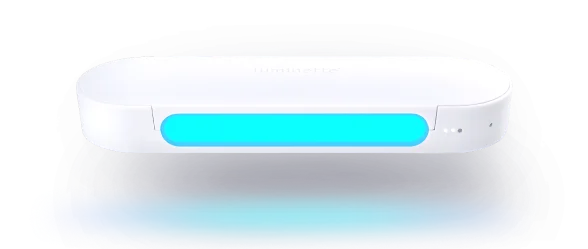
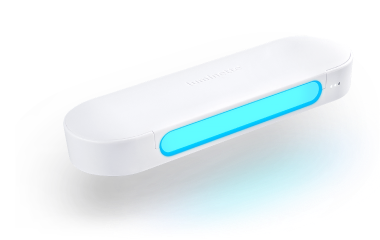
This is why interest in sun lamps and light therapy has grown considerably in recent years. A sun lamp is designed to mimic the brightness of natural daylight. It helps recreate a bright environment indoors - whether during a morning routine, a work-from-home day, or a quiet moment at breakfast.
Before trying one, many people have reasonable questions: Do sun lamps work? Do happy lights work? What exactly is a sun lamp - and is it the same as a vitamin D lamp?
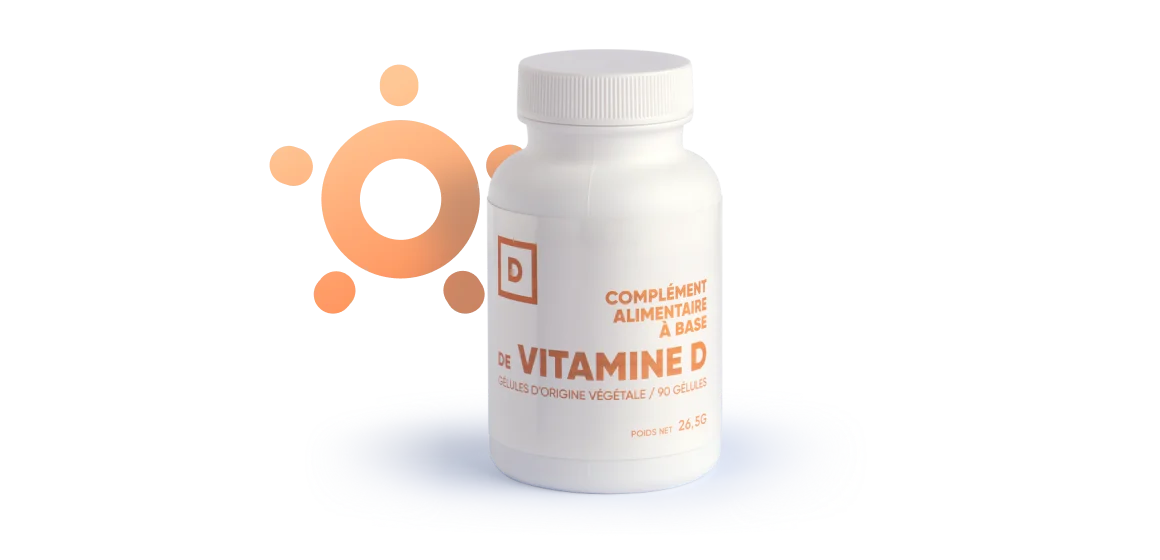
That last question is worth addressing early, because it’s a common source of confusion. Sun lamps used for light therapy and lamps designed to support vitamin D production work through entirely different mechanisms. Understanding the difference helps you choose the right tool for what you actually need.
Let’s discuss this in more detail in this blog and understand scientifically backed strategies for helping you wake up refreshed and rested.
What a Sun Lamp Is
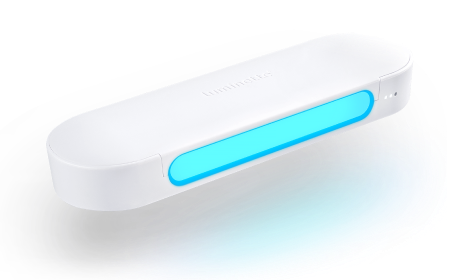
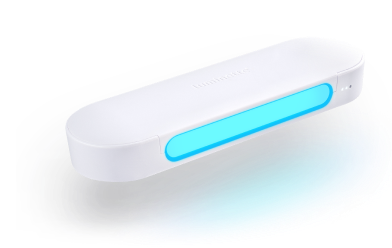
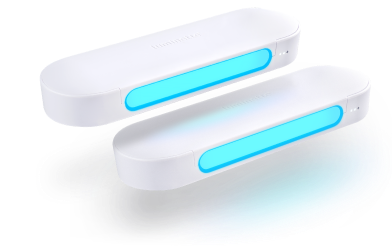
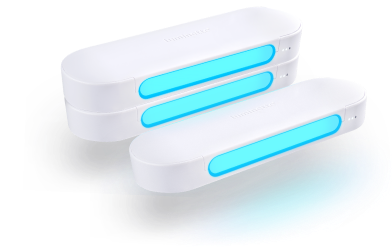
A sun lamp is built on a simple idea: recreate the brightness and tone of natural daylight inside a room. Unlike standard indoor bulbs - which produce warm, dim light - a sun lamp emits strong, balanced light designed to feel closer to the outdoor environment people are naturally exposed to during daylight hours. These devices are sometimes called happy lights, daylight lamps, or sun lamps.
It is worth clarifying a common misconception here. Sun lamps used for light therapy work through the eyes, not the skin. The light enters through the retina and influences the brain’s internal clock - affecting alertness, mood, and sleep-wake cycles. This is a completely different mechanism from how sunlight produces vitamin D, which is a skin-based process that requires UV radiation.
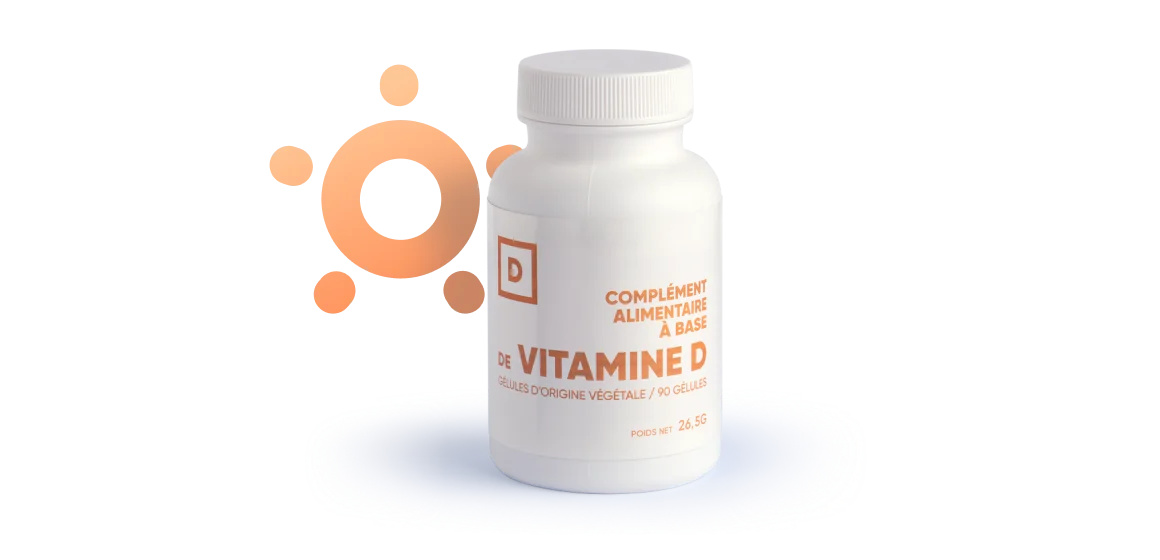
Light therapy lamps - including all Luminette products - are UV-free. They are not designed to stimulate vitamin D production, and they don’t need UV light to do their job.
This distinction matters. A lamp marketed as a “vitamin D lamp” and a lamp designed for light therapy are two different tools, built for two different purposes.

How Do Sun Lamps Work?
So - how do sun lamps work?
The principle is simple. A sun lamp produces high-intensity visible light that closely mimics the brightness of natural daylight. When used at the right time (usually in the morning), this light exposure interacts with the brain’s internal clock through the eyes, helping to regulate alertness, energy levels, and sleep-wake cycles.
This is why placement and timing matter. The lamp doesn’t need to shine directly into your eyes; it simply needs to be within your field of vision while you go about your morning routine. Even 20-30 minutes of consistent daily exposure can be enough to make a noticeable difference during the darker months.
It is also why sunlight lamps are not the same as UV lamps. Sun lamps for light therapy produce bright, visible light - not ultraviolet radiation. They work through the retina, not the skin. No UV light is needed, which is why quality light therapy devices are always UV-free.
A sun lamp for sad, gray days in the office can make a real difference. Many people simply keep one on their desk as a practical part of their daily routine through autumn and winter.
People often search for terms like “do happy lights work,” “do light therapy lamps work,” or “do sunlight lamps work” - and the short answer is yes, when used correctly and consistently.
When used regularly, sun lamps help recreate a sense of daylight indoors.
Sun Lamps vs Natural Sunlight - What Is the Difference
Natural sunlight remains the strongest source of brightness during the day. However, weather conditions and indoor lifestyles often reduce exposure. This is where sun lamps come in. A sun lamp is designed to imitate the brightness and tone of natural daylight, recreating a similar light environment indoors.
That said, it is important to be clear about what a sun lamp does and doesn’t do. Natural sunlight does two distinct things: it stimulates vitamin D production in the skin through UV-B radiation, and it regulates the brain’s internal clock through light entering the eyes. A light therapy lamp addresses only the second mechanism - and intentionally so. Luminette devices are UV-free, meaning they are not designed to produce vitamin D.
So when people ask, "Do sun lamps actually work?” or "Do sunlight lamps work?” - the answer depends on what you’re asking them to do. For supporting alertness, mood, and energy during low-light months, yes. For vitamin D? That’s a different tool entirely.
The goal is not to replace outdoor sunlight entirely. The goal is to bring more light into daily indoor life, at the moments when natural light simply is not available.
Sun Lamps in Daily Life
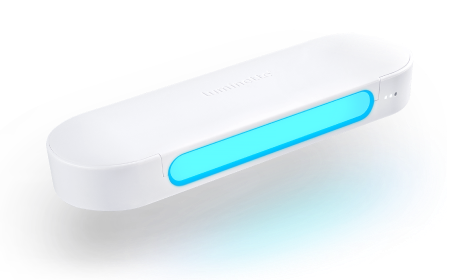
One of the most practical things about sun lamps is how naturally they fit into everyday routines. There is no special setup required: most people simply place a sunlight lamp on their desk, near a breakfast table, or in whatever corner of the home they spend their mornings in.
A sun lamp for sad winter days often becomes part of a morning routine. The bright light helps the room feel active and energized. Reading, working, or planning the day under sunlight lamps feels more natural than sitting in dim lighting.
Creative spaces also benefit from bright light. Artists, designers, and writers often use sun lamps because the light resembles natural daylight. A sun lamp can also improve the atmosphere of a home office.
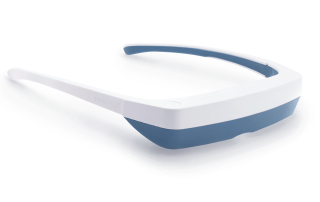
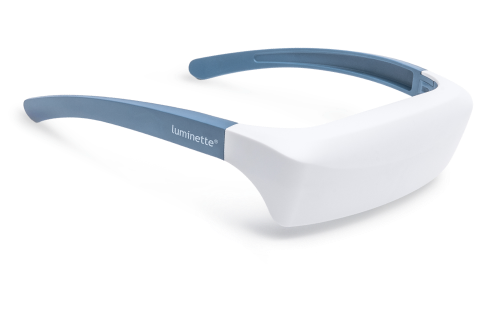
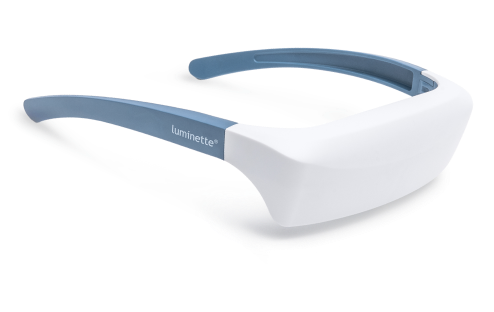
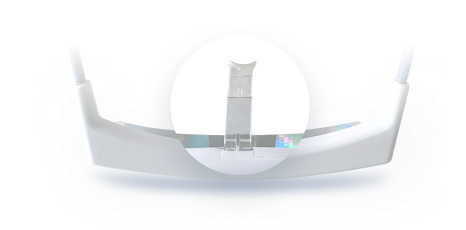
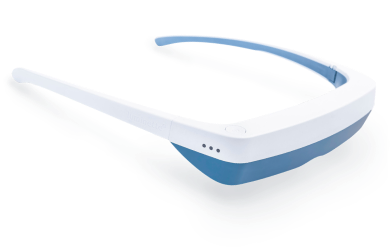
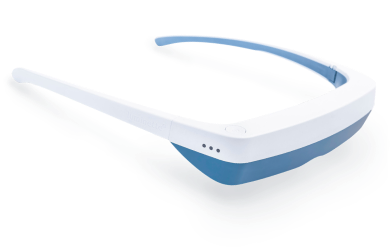
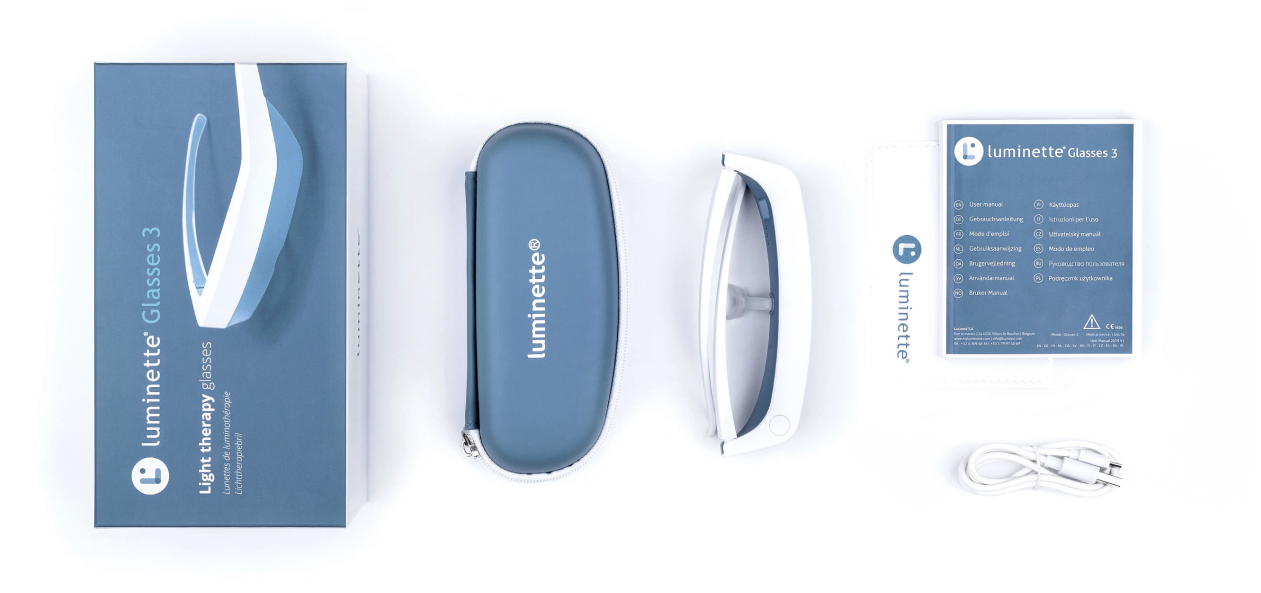
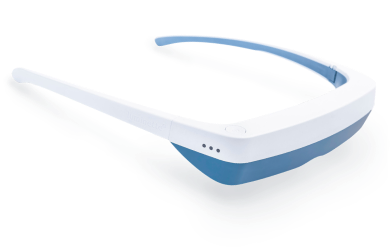
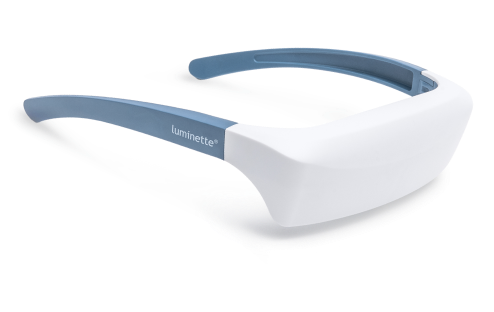
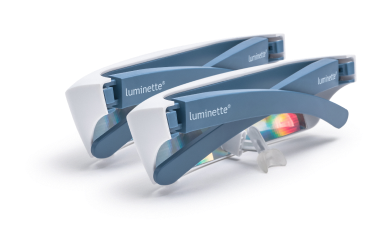
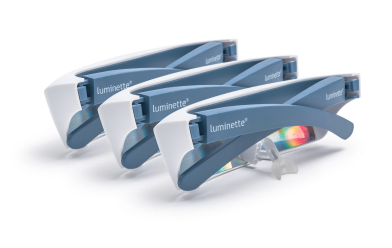
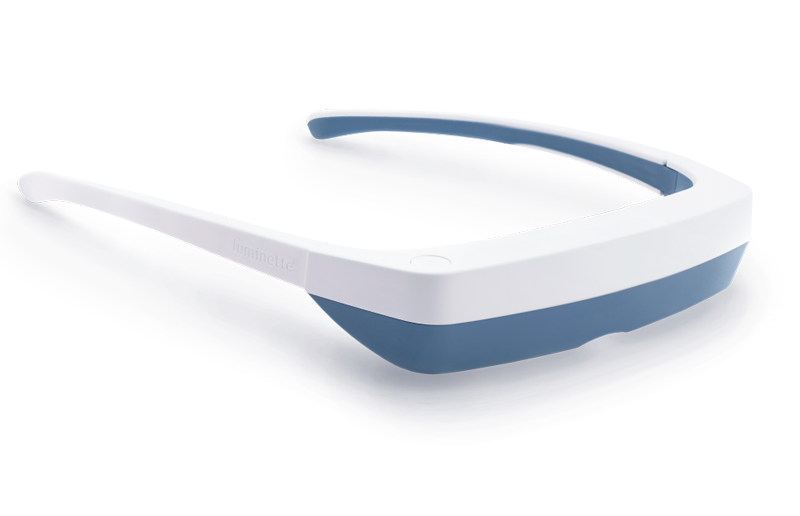
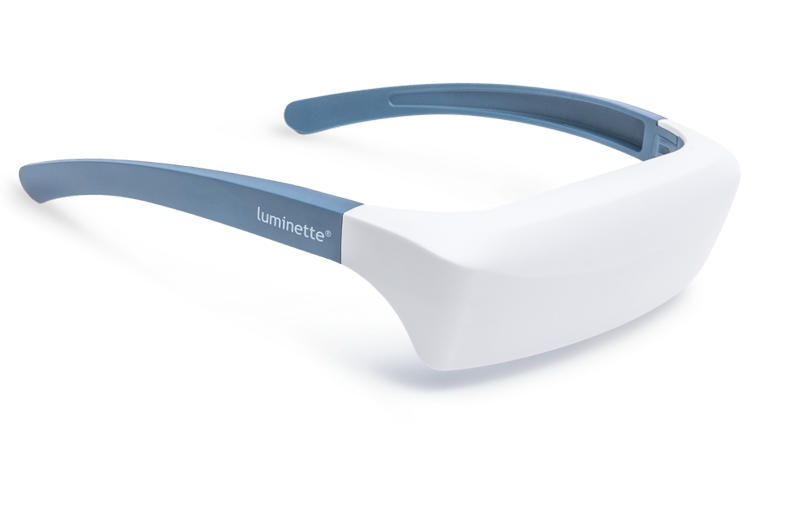
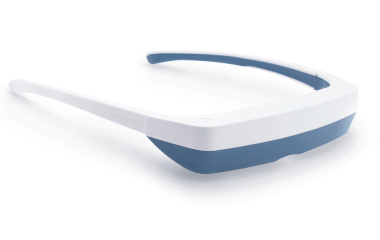
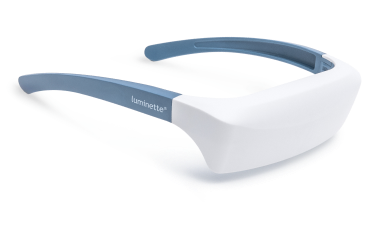
Some people combine sunlight lamps with wearable devices like light therapy glasses. Lamps brighten the entire room, while wearable devices provide focused light.
This combination makes indoor lighting more flexible.
How to Choose the Right Sun Lamp
Not all sun lamps are the same, and a few key factors are worth considering before choosing one. Brightness is the most important starting point. Light therapy lamps are typically rated in lux - and for meaningful effect, you want a lamp that reaches 10,000 lux at the recommended usage distance. This is the intensity most commonly used in light therapy research. Lower-lux lamps may look bright but won’t deliver the same results.
UV output is equally critical and often overlooked. A quality light therapy lamp should be completely UV-free. UV light is not needed for light therapy to work, and its presence would be an unnecessary risk, not a benefit. Always check the specifications before buying.
Size and placement also matter. Compact sunlight lamps work well on desks or breakfast tables; larger models can illuminate a wider area of a room.
Design is another important detail, especially if the lamp will stay permanently on a desk or in a living space. Modern sunlight lamps tend toward clean, simple shapes that blend naturally into home interiors. Also, some people prefer the flexibility of a wearable light therapy device over a traditional lamp. Wearables allow light therapy on the move, while a lamp handles the room environment.
Quality and reliability are also important. A well-designed sunlight device should provide stable light and long-lasting performance.
Many trusted brands also offer quick delivery and easy payment options. This makes starting with sun lamps simple and convenient.

Bringing More Sunlight Into Everyday Life
Indoor environments often lack the natural brightness the body expects, especially during colder seasons. For many people, this shows up as low energy, sluggish mornings, or a general flatness that lifts only when spring returns.
A well-designed sunlight lamp can transform a room. The space becomes brighter, more open, and more comfortable for daily routines.
If you are exploring light therapy for the first time, look for the right brightness level, a UV-free design, and something that fits naturally into your existing routine. The best sun lamp is the one you will actually use every day.
FAQ
A sun lamp is a lighting device designed to imitate natural sunlight. It produces bright light similar to daylight. Unlike standard bulbs, sun lamps produce high-intensity visible light - making them a popular choice during darker seasons.
Yes, when used correctly and consistently. Sun lamps work by delivering bright light through the eyes, which helps regulate the brain’s internal clock - supporting alertness, energy, and mood during low-light months.
Yes, “happy lights” is simply an informal name for the same type of device. Both terms refer to bright light therapy lamps designed to mimic natural daylight. The difference is usually just branding.
Sun lamps produce strong light that enters through the eyes and signals to the brain that it is daytime. This influences alertness and the sleep-wake cycle. Importantly, this process requires no UV light - quality light therapy lamps are always UV-free.
This is exactly when they are most useful. When natural daylight is limited, a sunlight lamp helps maintain consistent light exposure as part of a morning routine, even on the grayest days.


