






















What is the Biological Clock

Your body doesn’t just “get tired” randomly — it follows a daily schedule. That schedule influences when you feel sharp, when you naturally dip, when you feel hungry, and when sleep comes easily. If that timing feels off (late-night alertness, groggy mornings, jet lag that won’t quit), you’re not imagining it: your internal timing system can drift when environmental cues around you are inconsistent.
So, what is a biological clock? It’s the set of mechanisms that keeps your body aligned to a roughly 24-hour rhythm, using signals from the environment — especially light — to keep your days and nights organized.
Why You Can Trust Our Light Therapy Guidance
At Luminette, our work focuses on applying circadian science to everyday routines.The Luminette concept was developed in 2006 as wearable light therapy glasses after 4 years of research at the University of Liège (Belgium), combining sleep medicine and optical physics to make light-based routines more easier to integrate in your daily life. That background shapes how we approach circadian timing: we focus on what actually makes a difference in daily life — consistent cues, practical habits, and making light exposure easier to integrate without turning your morning into a “lab protocol.”
Key Takeaways
A biological clock is less like a stopwatch and more like a conductor. It doesn’t “do” every body function itself — it coordinates timing so your systems operate in the right order: wakefulness during the day, recovery at night, and predictable daily rises and falls in signals that influence energy and sleepiness. The strongest cue keeping this system on schedule is light, which is why bright mornings and darker evenings tend to support a more stable rhythm.
The master controller of this timing system is called the SCN (suprachiasmatic nucleus). It sits in the brain and uses light information to align your internal timing with the outside world. When your mornings are dim and your evenings are bright, the clock often shifts later; when your mornings include stronger light cues, it’s easier to anchor the day earlier and stabilize sleep timing.
This is also why routines matter more than hacks. Your clock responds best to signals that are repeated — not occasional “perfect days.” Once you understand the core mechanism, you can support it with simple daily choices that compound over time. And if winter light changes are part of your struggle, this guide is a useful companion: Sun Lamps for Seasonal Depression
Three main theses of the article:
The biological clock coordinates daily timing across the body, not just sleep.
The SCN (suprachiasmatic nucleus) is the master coordinator, and light is its strongest timing cue.
Consistent morning cues can support the regulation of sleep-wake cycle and steadier day-to-day function.
What Is a Biological Clock And How Is It Controlled By The SCN?
The biological clock is your body’s built-in timing system. It helps you anticipate the day: when to feel alert, when to feel sleepy, and when your body should shift into nighttime recovery mode. The SCN is the part that keeps the overall system “in sync,” using light exposure as the main signal for setting the schedule. That’s why a consistent morning routine can feel like it “locks in” your day, while inconsistent mornings often lead to drifting sleep and unpredictable energy.
In real life, your biological clock responds best to consistent “time cues”, often called zeitgebers — a German term meaning “time givers,” referring to environmental signals (especially light) that synchronize the biological clock.
Light is the strongest cue, but it’s not the only one. The table below shows the most common cues, when they matter most, and what they typically influence—so you can understand which habits actually help the SCN keep your rhythm stable.
Key Time Cues That Help the SCN Regulate Your Biological Clock
| Time Cue (Zeitgeber) |
Primary Influence On The Clock |
When It Matters Most |
Practical Example |
| Morning Light Exposure |
Anchors “day start,” supports earlier alertness and steadier sleep timing |
Within 30–90 minutes after waking |
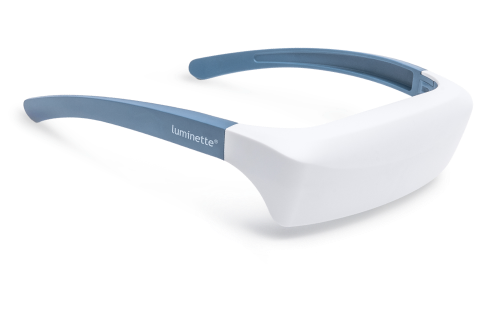
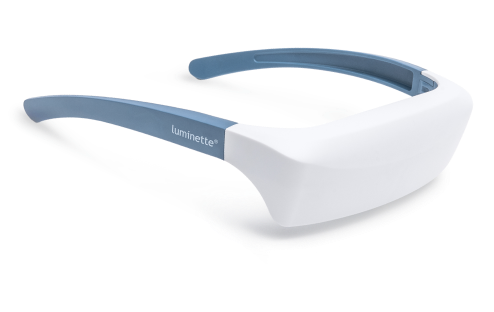
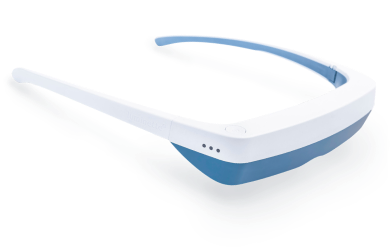
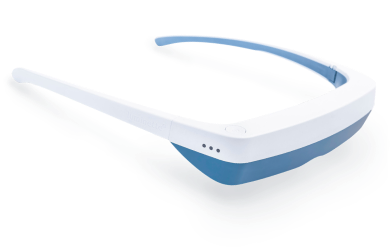
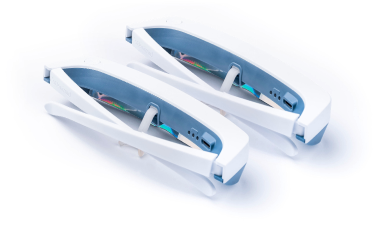
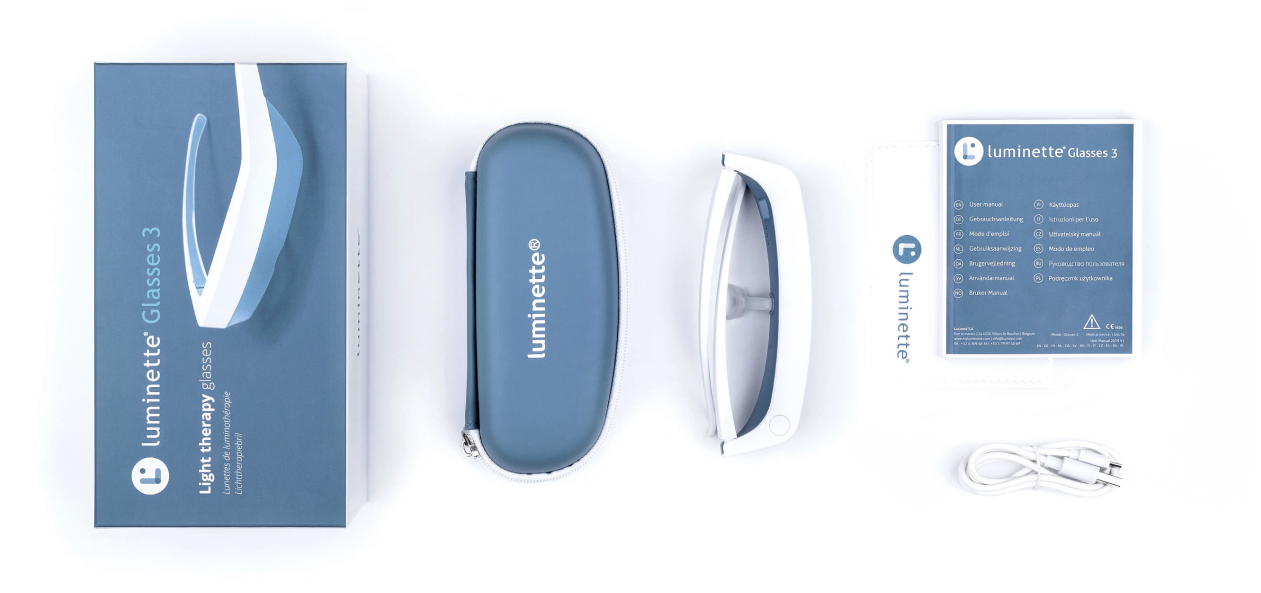
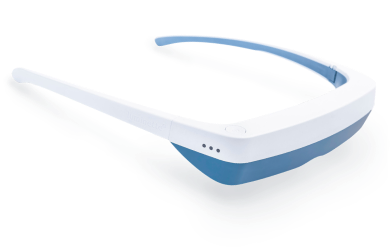
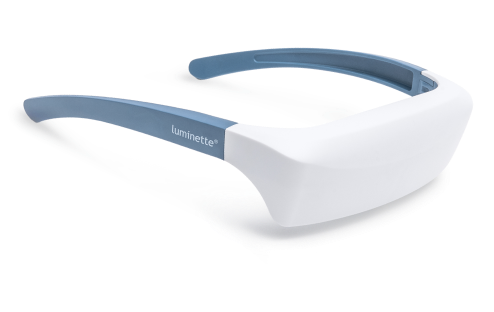
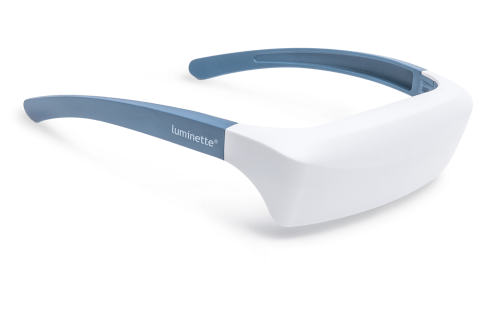
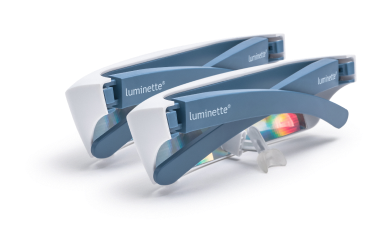
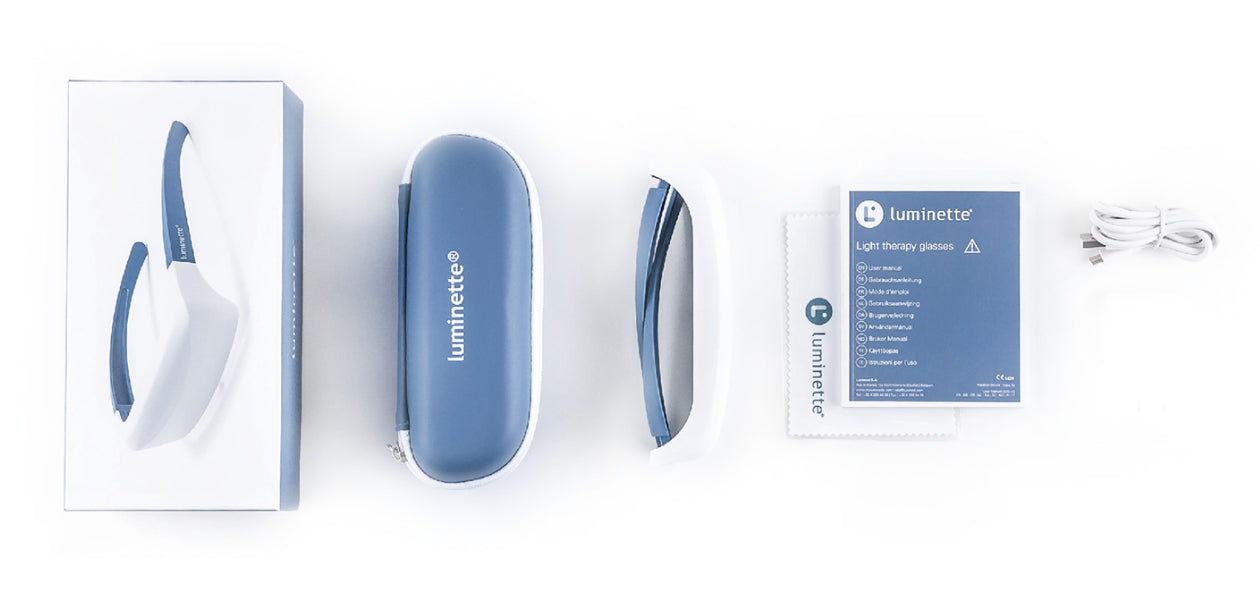
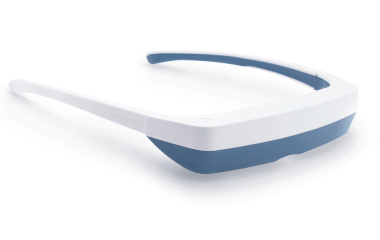
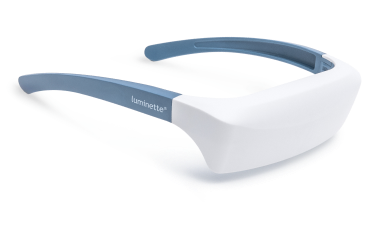
Get bright outdoor light or use a consistent bright-light routine (e.g., wearable options like Luminette 3 Light Therapy Glasses) |
| Consistent Wake Time |
Stabilizes the SCN’s daily schedule |
Every day (including weekends) |
Wake within the same 30–60 min window |
| Evening Darkness / Lower Light |
Supports nighttime timing and easier sleep onset |
2–3 hours before bed |
Dim lights, reduce bright screens, avoid strong overhead lighting |
| Meal Timing |
Helps align peripheral clocks (metabolic timing) with the master clock |
Morning + consistent daily timing |
Keep breakfast/lunch/dinner timing relatively stable |
| Physical Activity |
Reinforces daytime signaling and can strengthen rhythm stability | Daytime (earlier is often easier for sleep) |
Walk or train at a consistent time, avoid intense late-night workouts |
| Social Schedule / Routine |
Adds consistent daily structure (secondary cue) |
Daily consistency |
Similar work/start times, consistent evening wind-down |
Key Time Cues That Help the SCN Regulate Your Biological Clock
| Time Cue (Zeitgeber) |
Primary Influence On The Clock |
When It Matters Most |
Practical Example |
| Morning Light Exposure |
Anchors “day start,” supports earlier alertness and steadier sleep timing |
Within 30–90 minutes after waking |
Get bright outdoor light or use a consistent bright-light routine (e.g., wearable options like Luminette 3 Light Therapy Glasses) |
| Consistent Wake Time |
Stabilizes the SCN’s daily schedule |
Every day (including weekends) |
Wake within the same 30–60 min window |
| Evening Darkness / Lower Light |
Supports nighttime timing and easier sleep onset |
2–3 hours before bed |
Dim lights, reduce bright screens, avoid strong overhead lighting |
| Meal Timing |
Helps align peripheral clocks (metabolic timing) with the master clock |
Morning + consistent daily timing |
Keep breakfast/lunch/dinner timing relatively stable |
| Physical Activity |
Reinforces daytime signaling and can strengthen rhythm stability | Daytime (earlier is often easier for sleep) |
Walk or train at a consistent time, avoid intense late-night workouts |
| Social Schedule / Routine |
Adds consistent daily structure (secondary cue) |
Daily consistency |
Similar work/start times, consistent evening wind-down |
When these cues are consistent, the SCN has clear information and your rhythm becomes easier to maintain. When cues conflict (dim mornings + bright late nights + irregular wake times), the clock tends to drift—often showing up as groggy mornings and delayed sleep.
At the center of it all, what is a biological clock doing day to day? It’s keeping your internal timing aligned so you’re not fighting yourself — tired at the wrong time and wired when you want to sleep.
A simple definition of the circadian rhythm is a roughly 24-hour cycle that shapes daily patterns in sleepiness, alertness, body temperature, and many other biological signals. It’s the rhythm you feel as “my body likes this schedule.”
Your internal body clock is how that rhythm shows up in real life — your natural sense of when it’s morning, afternoon, or night, even without checking the time. The clearer the cues you give it (especially morning light), the more stable that timing tends to be.
What Is a Woman’s Biological Clock
In most everyday contexts, people use it as shorthand for time-sensitive aspects of reproduction — particularly the way fertility potential changes with age. While circadian timing can influence many daily hormones, the “biological clock” in fertility discussions usually refers to age-related changes in egg quantity and egg quality, as well as how those changes can affect the probability of conception and pregnancy outcomes.
It’s also important to avoid oversimplifications. There isn’t one universal deadline, and individuals vary widely based on genetics, overall health, medical history, and circumstances. Still, population-level trends are real, which is why the topic appears so often in planning decisions around relationships, career timing, and family goals.
This section is informational and not medical advice. If you’re actively planning pregnancy or have concerns about fertility, a licensed clinician is the right place for personalized guidance.
So, what does a woman's biological clock usually refer to?
It’s the way people describe the reality that fertility changes over time, and those changes can matter for planning.
The phrase fertility age limit is common online, but it often misleads because fertility doesn’t end on a single birthday. A more accurate framing is a gradual shift in probability over time, influenced by individual factors.
A female reproductive timeline is a clearer way to think about it: reproductive potential changes across adulthood, and planning tends to work best when it’s based on real information rather than myths or panic.
What Is a Biological Clock In Humans
In humans, the biological clock is a coordinated network. The SCN acts as the master timing center, and the body also contains “peripheral clocks” in organs and tissues that follow the SCN’s coordination. When the master clock is aligned, those peripheral rhythms tend to line up more smoothly — which is one reason consistent routines can make you feel more stable across the day.
The SCN relies heavily on light-related input, which is why light is often called the strongest “reset” lever. When that timing signal is consistent, it supports not only sleep timing but also broader daily coordination — including the timing of hormone production control that follows day-night patterns. That doesn’t mean you can “control hormones” at will; it means the timing of many signals is linked to the clock’s schedule.
Scientifically, what is a biological clock in humans? It’s the integrated timing system that coordinates daily physiology, anchored by the SCN and synchronized primarily by light.
The human circadian rhythm is the daily pattern you feel as predictable phases of alertness and sleepiness. When it’s stable, routines feel easier; when it’s disrupted, everything feels like friction.
The suprachiasmatic nucleus function is to coordinate the timing: it uses light information to set the schedule and then synchronizes rhythms across the body so multiple systems stay aligned.
If you’re looking for practical ways to make morning light exposure easier to repeat, these options can fit different routines:
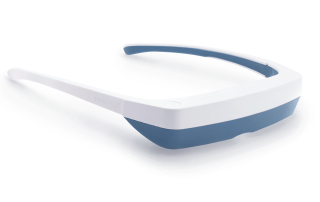
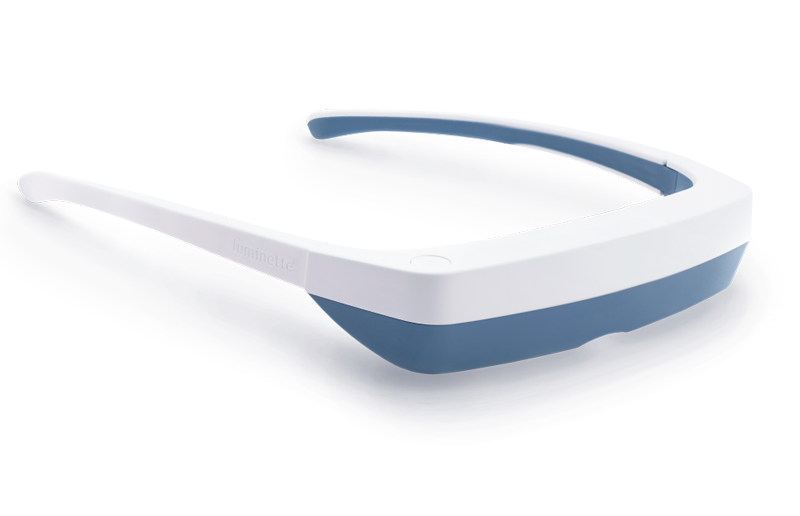
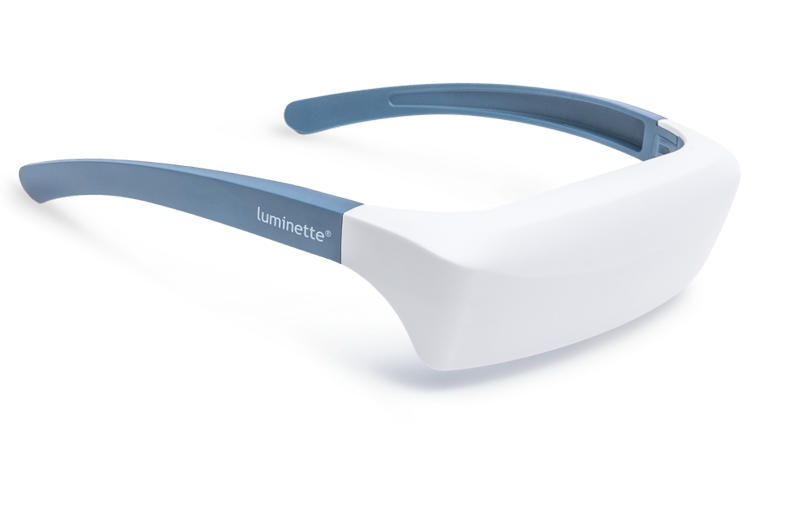
Wearable morning routine: Luminette 2 Light Therapy Glasses
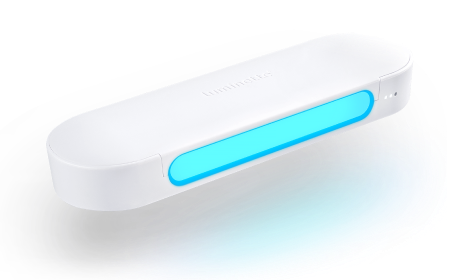
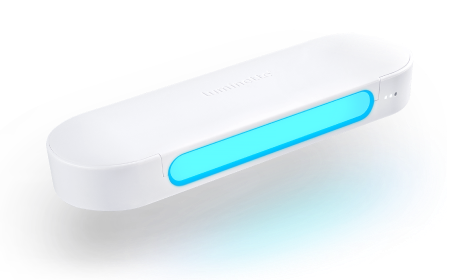
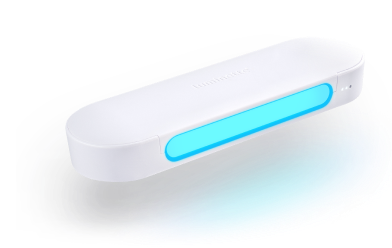
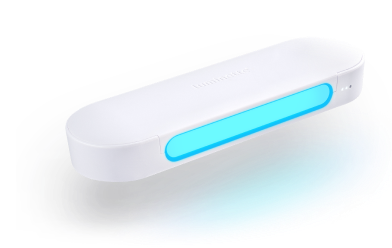
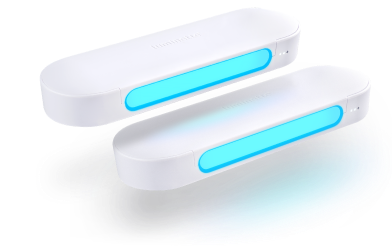
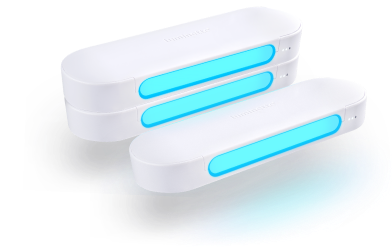
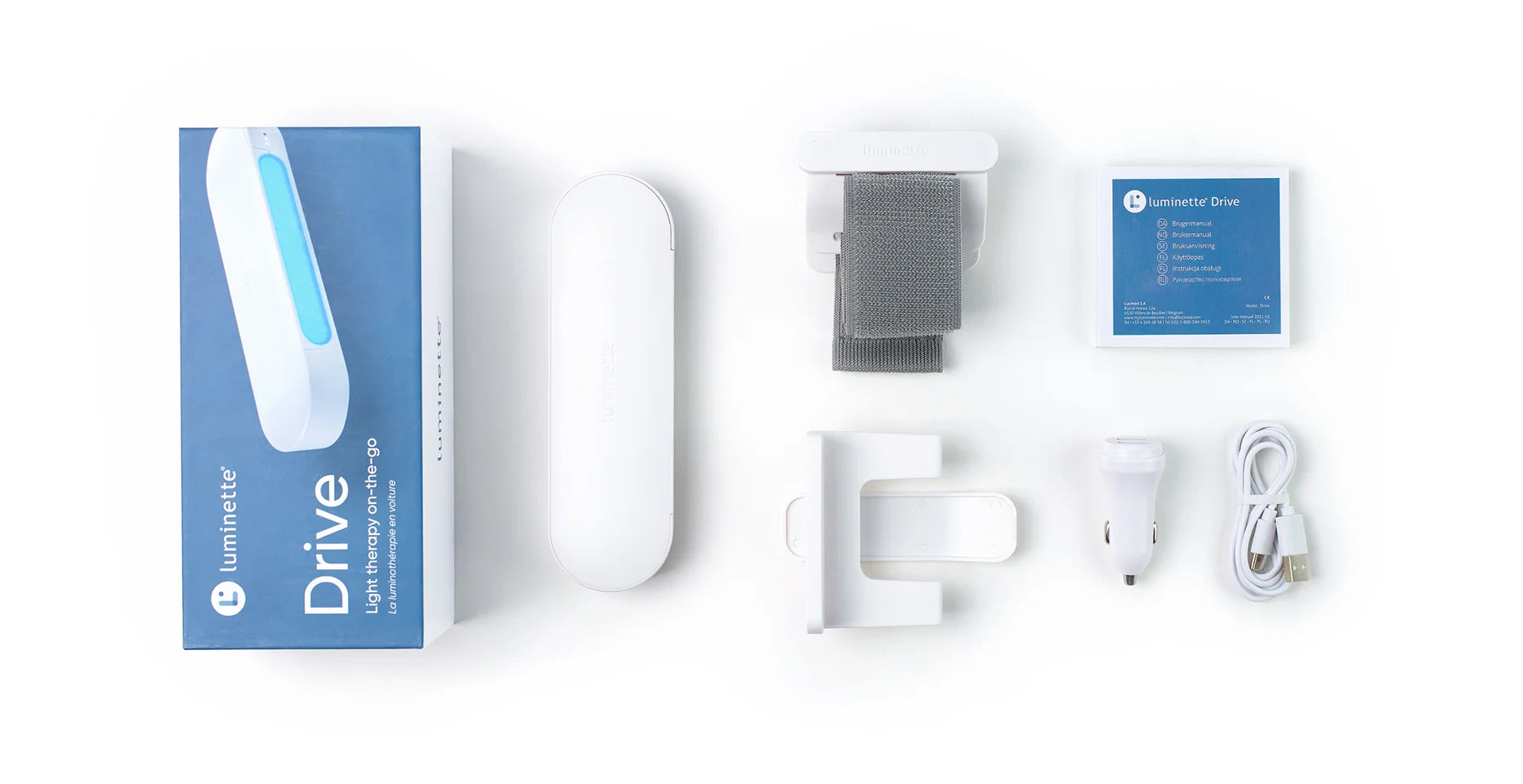
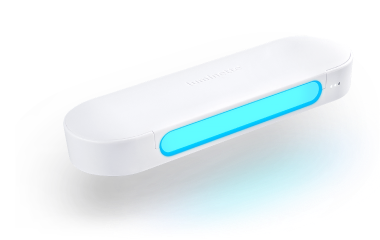
Portable lamp format: 2-in-1 Portable Light Therapy Lamp Drive
Biological timing is often misunderstood because it’s invisible — you only notice it when it’s disrupted. Traveling across time zones, staying up late with bright screens, irregular wake times, or weeks of dim mornings can all shift your rhythm in ways that feel like “random” fatigue or insomnia. The good news is that the clock is responsive: when you feed it with consistent cues, it typically becomes easier to stabilize.
The questions below focus on practical clarity: how the clock works, where it is, what circadian rhythm means, and what everyday actions tend to support better alignment.
Conclusion
Your biological clock is the foundation of your daily rhythm — not only sleep, but also how predictable your energy and recovery feel across the day. People often ask: what is the function of a biological clock? Its function is to coordinate timing so key biological processes happen at the most useful time within the day-night cycle.
And if you’re still asking what a biological clock is, the practical takeaway is simple: it’s your body’s timing system, and light is its strongest steering cue. When your cues are consistent, your rhythm becomes easier to maintain.
FAQ
The SCN in the brain coordinates daily timing using light as the strongest cue. That timing then helps align sleep, alertness, and many other daily rhythms across the body.
The master clock is located in the hypothalamus, in a region called the suprachiasmatic nucleus. The body also has peripheral clocks in organs and tissues that follow the SCN’s coordination.
The biological clock is the system that keeps time and coordinates timing signals. The circadian rhythm describes the 24-hour patterns produced by that system (sleepiness, alertness, temperature, and more).
Yes. The most reliable supports are consistent wake times, stronger morning light exposure, dimmer evenings, regular meal timing, and daily activity — repeated consistently — including weekends.


