



























How Sunlight Affects Mood: What the Science Says?

Step outside on a bright spring morning and something changes: you may feel more awake, more energetic, and ready to get the day started. This small lift is one way sunlight can influence mood, and it may help explain why several gray, overcast days can sometimes affect your energy. Most people notice the difference between a sunny morning and several days of gray skies without necessarily wondering why. This article looks at what we know about the link between sunlight and mood, what happens in the body when light reaches the eyes, and what you can do when natural light becomes harder to get.
What Happens in the Body When You Get Sunlight?
Light received by the eyes plays an essential role in regulating the body's internal clock. Specialized cells in the retina detect light and send signals to areas of the brain involved in regulating the circadian rhythm. This system helps the body distinguish between day and night and adjust alertness throughout the day.
Bright morning light also influences melatonin production, a hormone associated with sleepiness. When the eyes receive enough light early in the day, melatonin secretion decreases, which helps promote wakefulness. Light also plays a role in several biological mechanisms linked to mood, including mechanisms involving serotonin. But it would be too simple to reduce the effects of light on mood to a single hormone: several mechanisms work together.
Regular exposure to light in the morning also helps synchronize the circadian rhythm with the natural day-night cycle. When this internal clock remains well synchronized, it helps organize the balance between wakefulness and sleep and can contribute to a more regular daily rhythm.
Why Does Lack of Sunlight Affect Your Mood?
So what happens when natural light becomes less available? Light plays an important role in regulating the body's internal clock, and insufficient or poorly timed exposure can make this rhythm harder to maintain. This can affect alertness and sleep and, for some people, mood. The relationship between light and mood is more complex than a simple question of serotonin.
Morning light plays an important role in regulating the sleep-wake cycle. As days become shorter and exposure to light decreases, the light signal reaching the eyes may be weaker, particularly in the morning. This can make it harder to synchronize the internal clock with the natural day-night cycle and may contribute to feelings of fatigue or more difficult mornings.
Picture a typical December: you may leave for work before sunrise, spend much of the day indoors, and return home after dark. Your exposure to natural light can be significantly lower than in summer. For some people, this seasonal difference is accompanied by lower energy or a less positive mood, a link also described in resources on the benefits of sunlight for mood.
These changes are particularly noticeable in autumn and winter, when days become shorter, and can also affect people who spend little time outdoors during the day. When natural light is difficult to get regularly, light therapy offers another way to incorporate exposure to bright light into your routine.
How Much Light Do You Need to Feel Better?
So, does sunlight affect mood enough to be worth changing your morning routine? How light affects you depends on several factors, including its intensity, the duration of exposure, and when the exposure takes place. Rather than looking for one universal number of minutes, the main goal is to get regular exposure to sufficiently bright light early in the day.
Timing matters too. Light received in the morning plays an important role in synchronizing the circadian rhythm and helps promote alertness during the day. A morning walk is therefore a simple way to incorporate natural light into your routine, even when the sky is cloudy.
Intensity also makes a significant difference. Outdoor light is generally much brighter than indoor lighting, even on an overcast day. This is one reason why spending a few minutes outside can expose your eyes to much more light than staying in an artificially lit room. If getting outside regularly in the morning is difficult, a light therapy lamp or wearable device can offer another way to incorporate exposure to bright light into your routine.
Can Light Therapy Replace Sunlight for Mood?
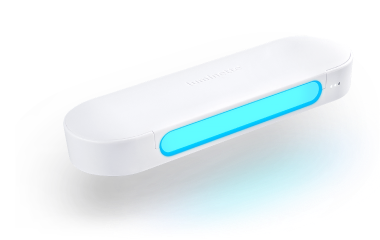
When natural light is difficult to get regularly, light therapy provides controlled exposure to bright light. It has been studied for its role in regulating the circadian rhythm and for its potential effects on mood. Protocols vary depending on the device and situation: intensity, duration, and especially timing all matter.
Light received by the eyes acts on the mechanisms that regulate the internal clock. This is why the timing of exposure is particularly important: bright light in the morning can help synchronize the sleep-wake rhythm with the day. This may be useful when days are short or when work and everyday commitments limit exposure to natural light. For night-shift workers or people who travel regularly, however, the timing of exposure needs to be adapted to their schedule and situation.
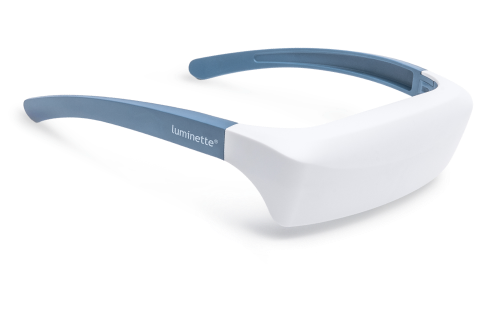
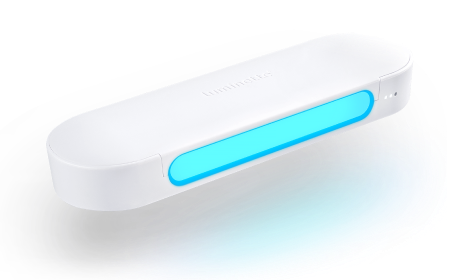
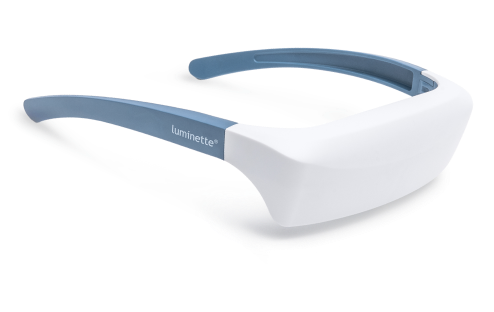
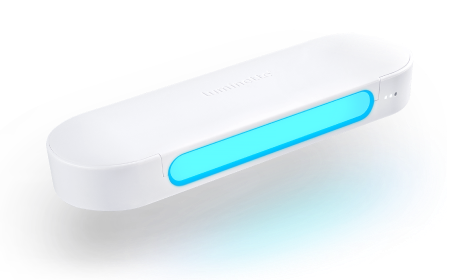
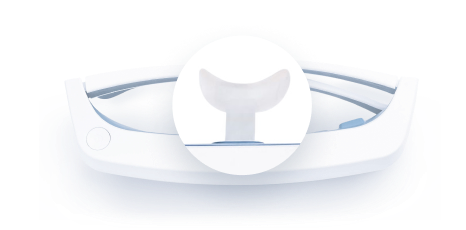
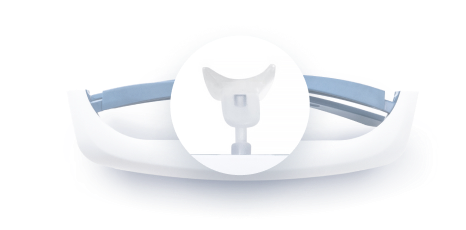
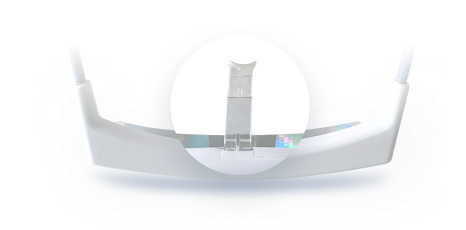
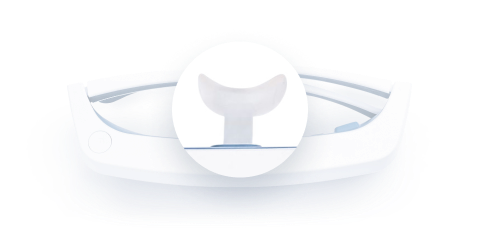
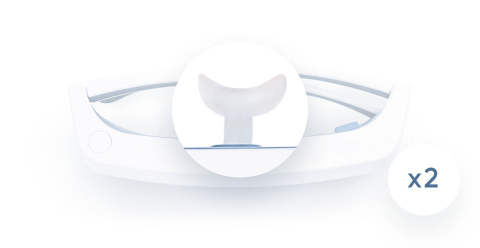
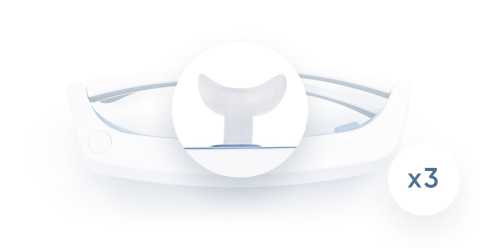
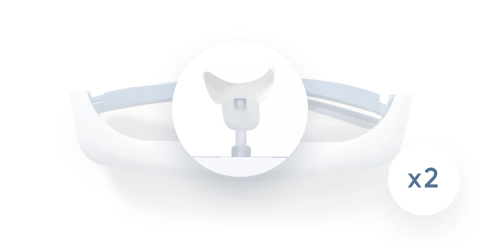
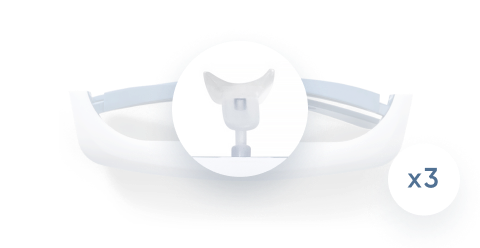
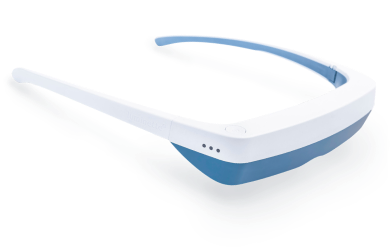
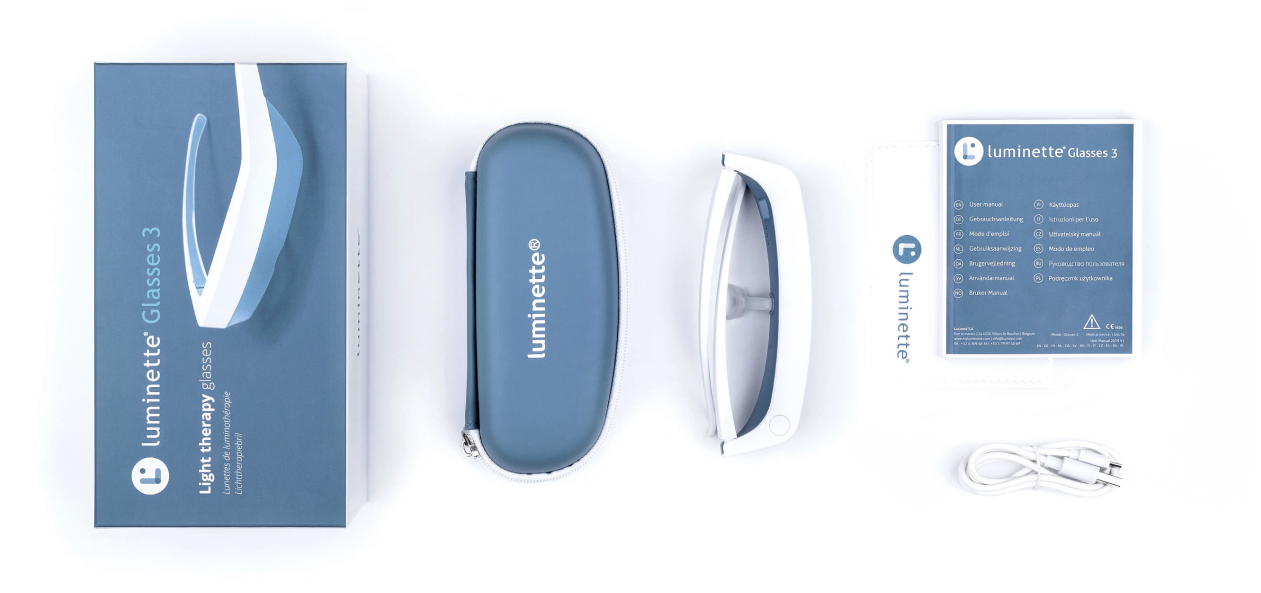
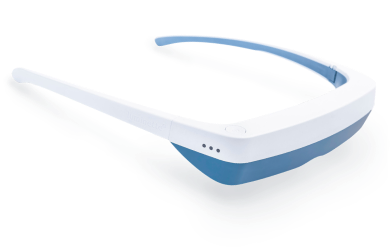
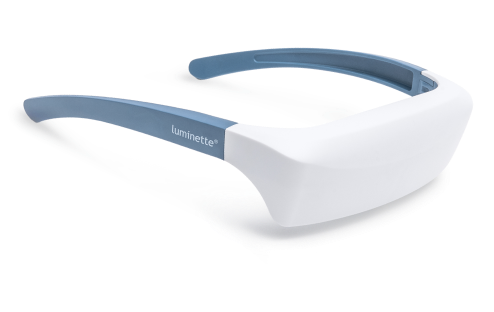
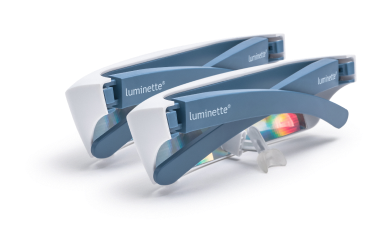
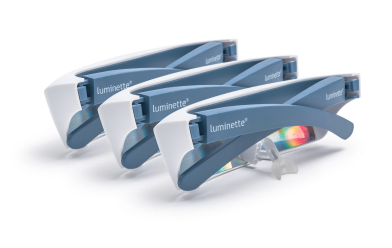
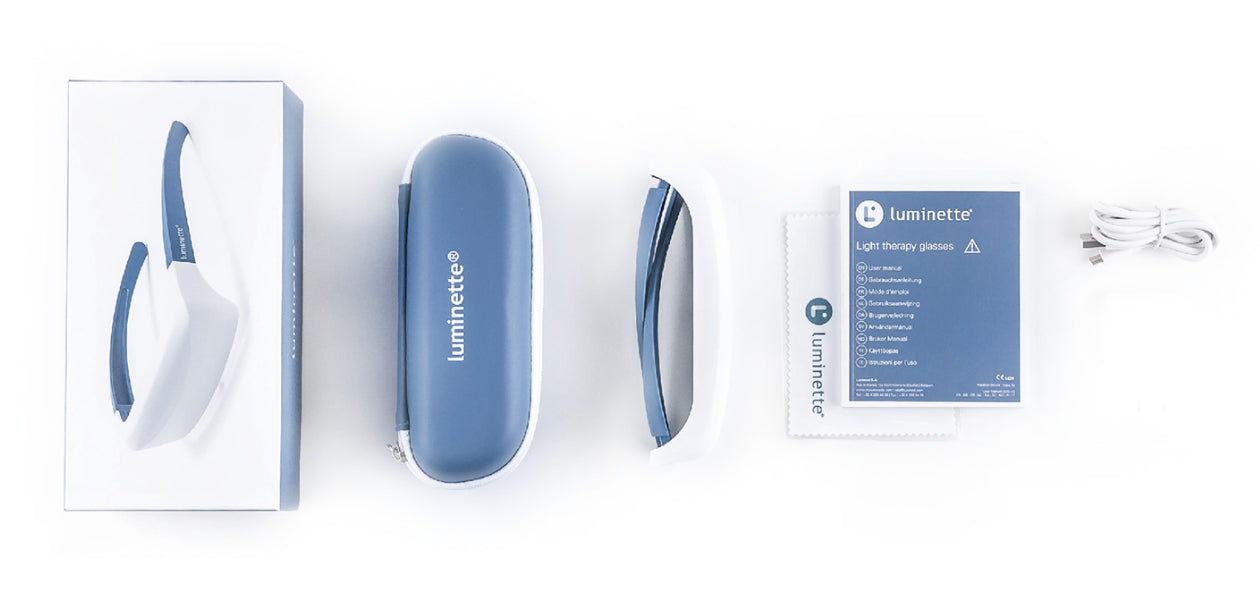
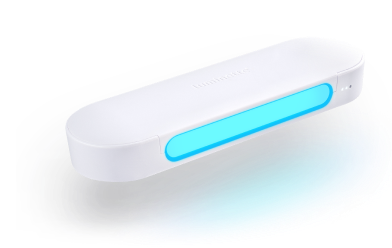
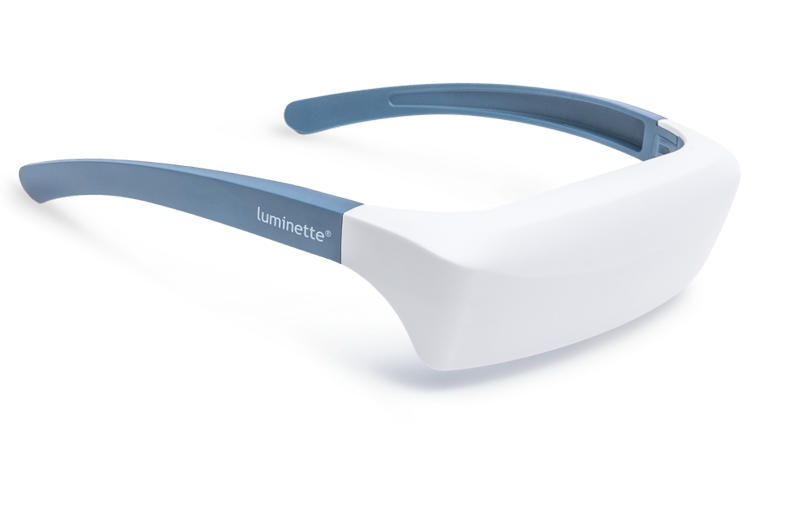
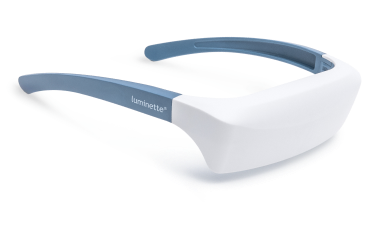
Among light therapy devices designed for everyday use, Luminette offers a portable approach. Luminette 3 uses blue-enriched white light, with a peak around 468 nm, and offers several intensity levels from 500 to 1,500 lux. Because the light source is integrated into the glasses, they can be used during everyday morning activities such as having breakfast or starting your workday. Luminette 2 also offers a portable way to incorporate light therapy into your routine.
Note: Light therapy has been studied for its effects on mood and alertness, but it does not replace professional support when this is needed.
Simple Habits That Help When Sunlight Is Limited
A few simple habits can help you get more regular exposure to light during the day.
Get outside in the morning. A walk after waking up is a simple way to get more natural light during the day, even when the sky is cloudy.
Sit near windows. When you work indoors, choose a spot near a window when possible to make the most of natural daylight.
Use a lamp or wearable device in the morning. When getting natural light is difficult to fit into your routine, light therapy can offer another way to get exposure to bright light. Follow the recommendations for your device.
Keep a regular wake-up time. Keeping relatively regular sleep hours can help maintain a stable sleep-wake rhythm, alongside regular exposure to light.
Exercise outdoors when possible. A walk or other physical activity outdoors allows you to combine movement with exposure to natural light.
These habits are simple to incorporate into daily life and can help you get more regular exposure to light during the months when it is less available. Morning light plays an important role in synchronizing the circadian rhythm and, together with other biological mechanisms, is involved in mood regulation. Regular sleep schedules and physical activity can also help maintain a consistent daily rhythm.
It is mainly through regularity and over time that these habits become part of your routine. You may not notice a difference from the very first day, but a lack of light can become more noticeable when dark mornings keep coming. When natural light is difficult to get, a light therapy device such as Luminette can easily fit into a morning routine.
FAQ
Yes, natural light can influence mood, partly by acting on the mechanisms that regulate the internal clock. Morning light helps synchronize the circadian rhythm and promote alertness during the day. It also influences melatonin, a hormone involved in the sleep-wake cycle, and plays a role in other mechanisms related to mood. Effects can vary from person to person and depend on factors including the amount, intensity, and timing of exposure.
Some effects of light can be felt quickly, particularly on alertness and wakefulness. Exposure to bright light in the morning may help you feel more alert, while effects linked to regular exposure develop over a longer period. A regular morning routine can help maintain a more stable sleep-wake rhythm. It is therefore more useful to think of light as a daily habit rather than a one-off effect.
Light can influence both the internal clock and several mechanisms linked to mood. Bright morning light promotes wakefulness and helps reduce melatonin secretion, a hormone associated with sleepiness. Sunny days also provide much more light than most indoor environments, even when the sky is cloudy. For some people, this greater exposure to natural light may contribute to a greater sense of well-being and energy.
A window lets natural light in, but exposure is generally lower than it is outdoors. Sitting near a window allows you to receive more natural light than being farther inside a room, but it generally does not provide the same amount of light as being outdoors. When going outside is not possible, a light therapy device such as Luminette provides a way to get controlled exposure to bright light indoors.
Start by making the most of daylight in the morning, whenever you can. Keep a regular wake time and get some physical activity outdoors if the weather allows. When short, dark days make natural light harder to get, a wearable device such as Luminette can offer another way to get exposure to bright light during your morning routine. If low mood persists or starts to weigh on you, talk to a healthcare professional.


