


















How to Get Over Jet Lag: Symptoms, Causes, and What Actually Works

You landed. You're somewhere new. But your body thinks it's 3 a.m., your head is pounding, and no amount of coffee is making you feel like a functional person.
That's jet lag - and if you've crossed more than two or three time zones, you already know how disorienting it can be. The good news is there's real science behind what makes it worse and what helps you recover faster.
This guide covers everything: what jet lag actually is, why it hits some people harder than others, and the most effective strategies to prevent, reduce, and get rid of it - before, during, and after your flight.
What Is Jet Lag?
Jet lag is a temporary sleep disorder caused by rapid travel across multiple time zones. Your body runs on an internal clock - called the circadian rhythm - that regulates when you feel awake, sleepy, hungry, and alert. That clock is anchored to light and darkness patterns in your home time zone.
When you fly across the world in a matter of hours, your body hasn't caught up. Your circadian rhythm is still operating on your departure city's schedule while your destination operates on a completely different one. The mismatch is what causes everything to feel off.
The more time zones you cross, the worse it tends to be. Most people need roughly one day of recovery per time zone crossed - though that varies significantly depending on direction of travel, age, and individual biology.

Jet Lag Symptoms: What You Might Be Feeling
Jet lag symptoms go beyond just feeling tired. The full picture includes:
Fatigue that doesn't respond to sleep - you sleep but still wake up exhausted
Difficulty falling or staying asleep at the local time
Daytime sleepiness at inconvenient moments
Difficulty concentrating or brain fog
Irritability or low mood
Digestive issues - nausea, constipation, or appetite changes
Headache
General malaise - that hard-to-describe feeling of being slightly wrong
Symptoms usually peak one to two days after arrival and can last anywhere from two days to two weeks depending on how far you traveled.
Eastward travel is typically harder than westward. Flying east asks your body to fall asleep earlier than it wants to. Flying west lets you stay up later - which is more naturally aligned with how most people's circadian clocks drift (slightly longer than 24 hours).
How to Prevent Jet Lag Before You Leave
The most underrated jet lag strategy is starting before you even board the plane.
Shift your schedule in advance
Two to three days before a long eastward trip, start going to bed 30–60 minutes earlier each night. For westward travel, shift bedtime slightly later. This pre-synchronization gives your circadian rhythm a head start.
Get strategic about light exposure
Light is the single most powerful cue your body uses to set its internal clock. In the days before departure, morning bright light exposure for eastward trips helps push your rhythm earlier. Evening light helps shift it later for westward trips.
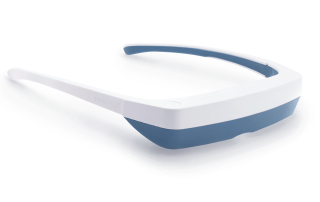
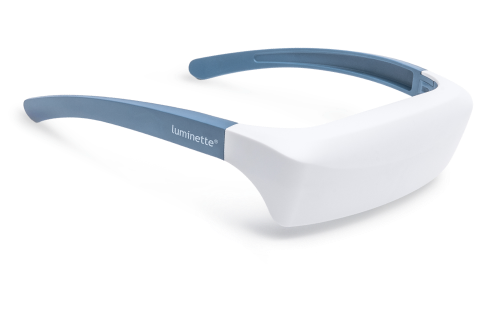
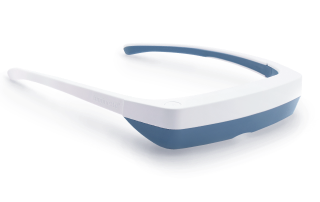
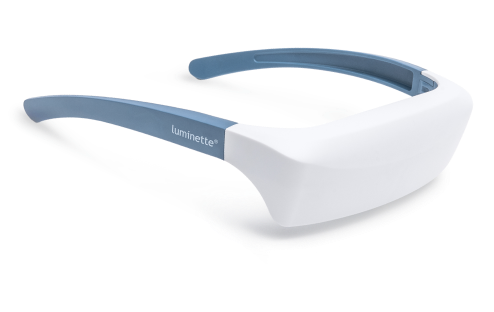
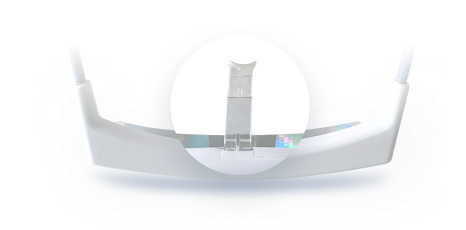
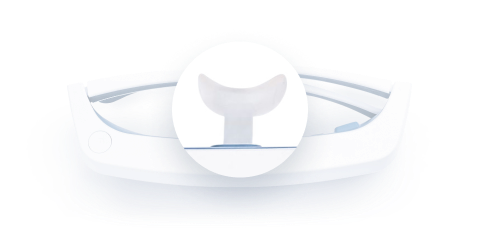
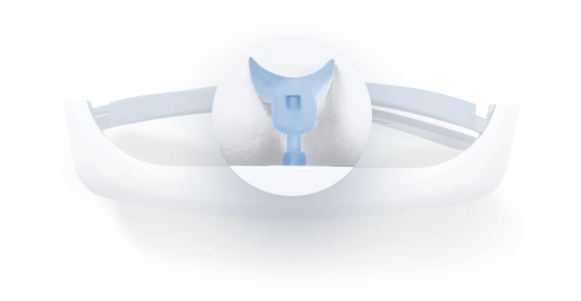
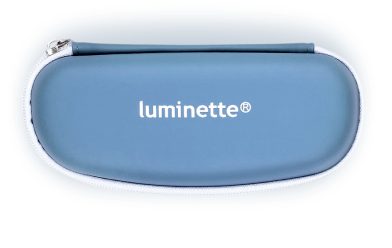
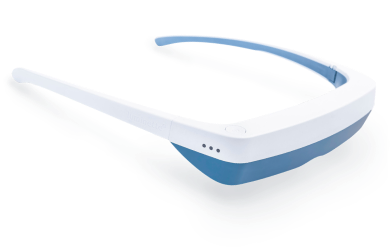
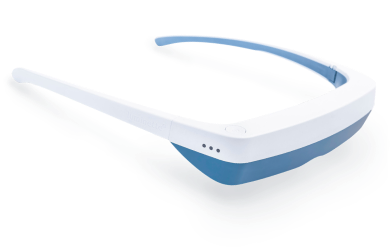
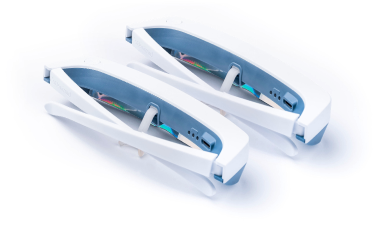
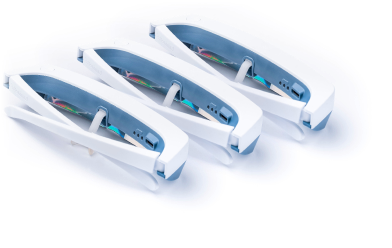
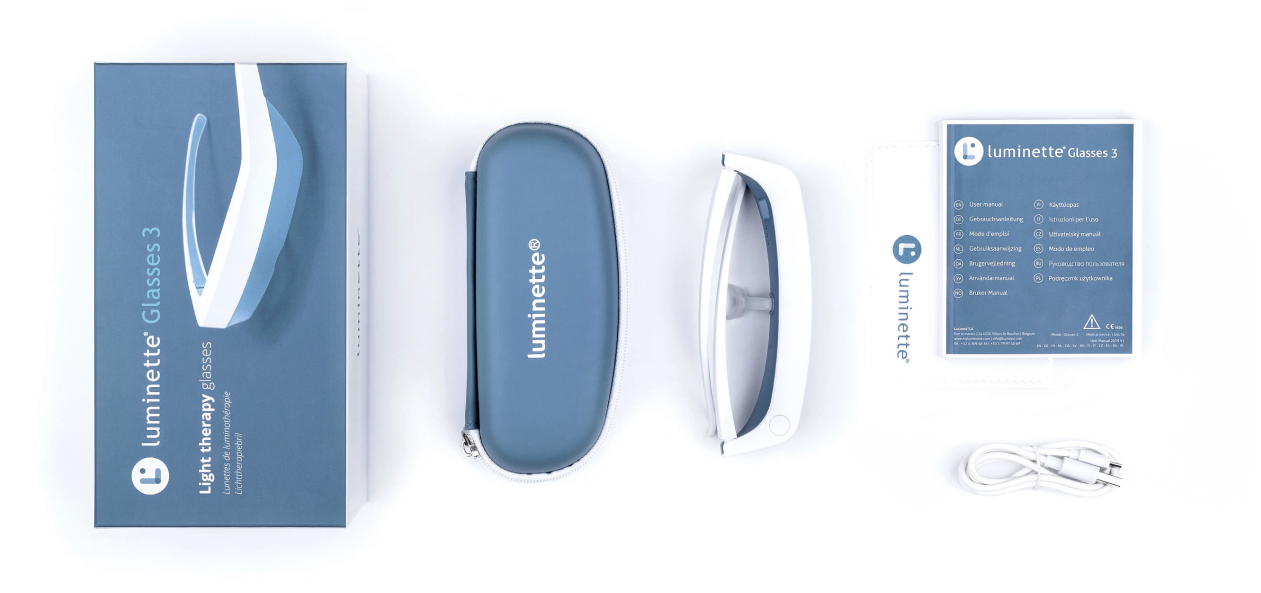
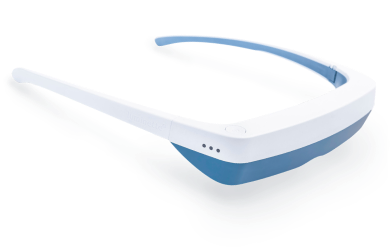
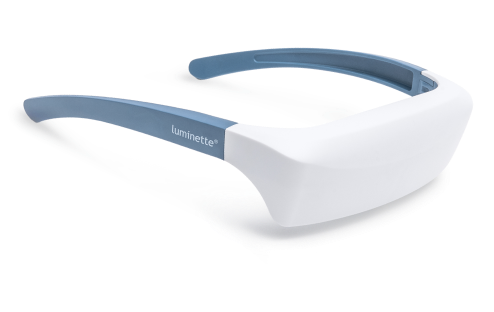
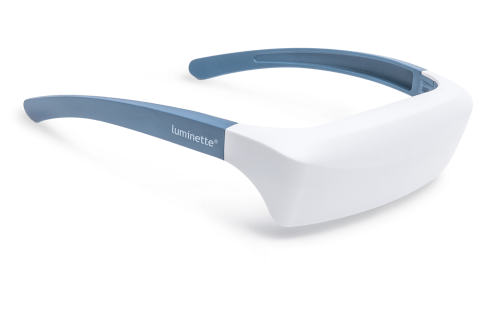
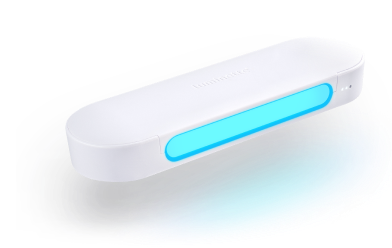
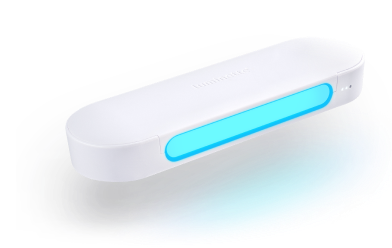
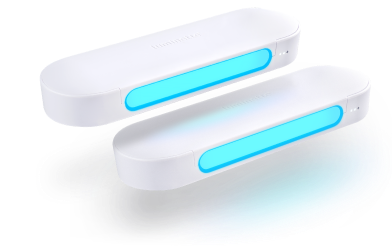
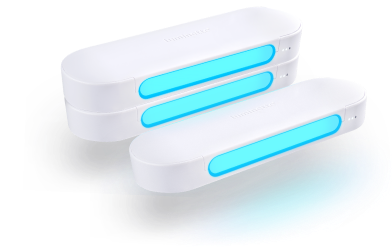
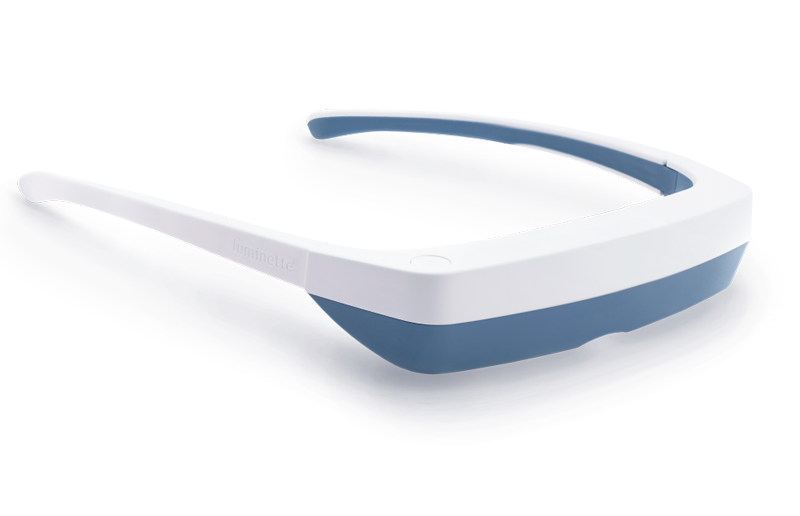
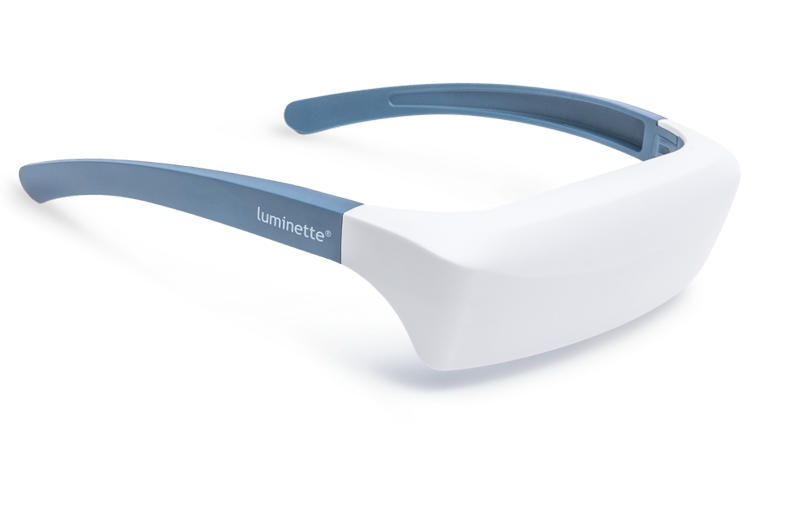
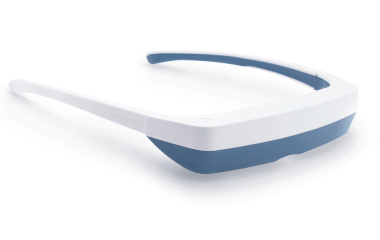
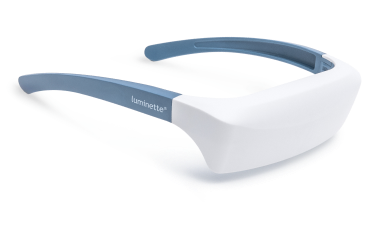
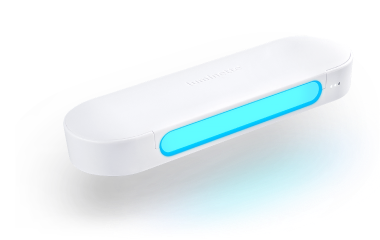
This is where a wearable light therapy tool becomes genuinely useful. The Luminette light therapy glasses let you get targeted light exposure hands-free during your morning routine - no sitting at a desk required. Pre-trip light scheduling is one of the more evidence-based jet lag prevention strategies available.
Don't arrive sleep-deprived
This sounds obvious but is frequently ignored. Flying exhausted makes jet lag significantly worse. If you have a red-eye flight, either plan to sleep on the plane or ensure you get decent sleep the night before.
Adjust your watch on boarding
The moment you board, mentally switch to your destination's time zone. Start eating, drinking, and sleeping according to that schedule rather than your home time. It's a small psychological shift that sets the stage for a faster adjustment.
How to Avoid Jet Lag During the Flight
Hydrate consistently
Aircraft cabin humidity hovers around 10–20% - well below the 30–65% that feels comfortable to humans. Dehydration amplifies every jet lag symptom. Drink water steadily throughout the flight. Avoid making alcohol your in-flight entertainment - it disrupts sleep quality significantly even if it helps you fall asleep faster.
Sleep strategically, not just when you're tired
If you need to sleep on the plane to align with your destination's night, sleep. If you're arriving in the morning and need to stay awake, push through. The goal isn't comfort on the plane - it's arriving in a state that helps your body adjust to local time.
A sleep mask, earplugs, and a neck pillow are not luxuries. They're tools. Quality sleep in a bright, noisy cabin is nearly impossible without them.
Move around
Sitting still for ten hours isn't just uncomfortable - it slows circulation and increases fatigue. Get up and walk the aisle every couple of hours. Stretch your legs, roll your ankles, do whatever it takes to keep blood moving.
Be careful with sleeping pills
Prescription or over-the-counter sleep aids on a plane can help you sleep, but they often leave you groggy on arrival and don't necessarily reset your circadian rhythm. Melatonin is generally a better option for most travelers - lower risk, targeted effect.

How to Get Over Jet Lag After You Arrive
This is where most people want the answer. You've landed. You feel terrible. What do you actually do?
Get outside in natural light immediately
Natural light on arrival is the fastest tool you have for resetting your body clock. If you arrive during the day, go outside within an hour. Even an overcast sky delivers far more light than an indoor environment.
The direction matters. For eastward travel, you want morning light. For westward travel, evening light helps delay your clock. Getting this wrong - for example, seeking bright light at the wrong time - can actually slow your adaptation.
Use light therapy glasses for precise timing
When natural light isn't available or you need more control over timing - early morning in winter, arriving to rain, or managing a complex multi-stop itinerary - light therapy glasses offer the same circadian signal as outdoor light, on your schedule.
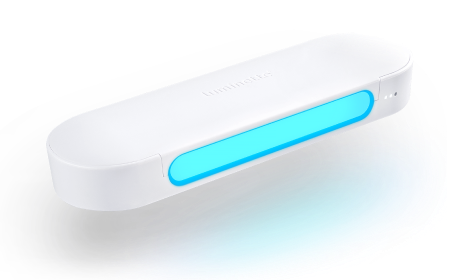
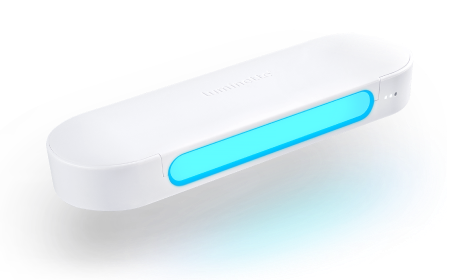
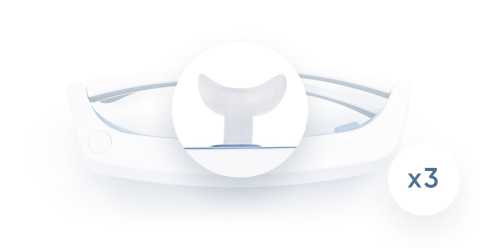
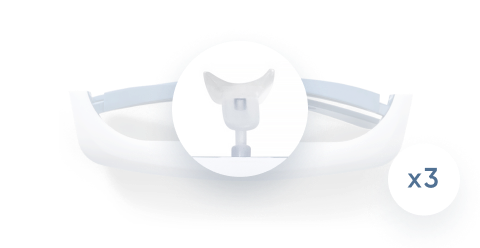
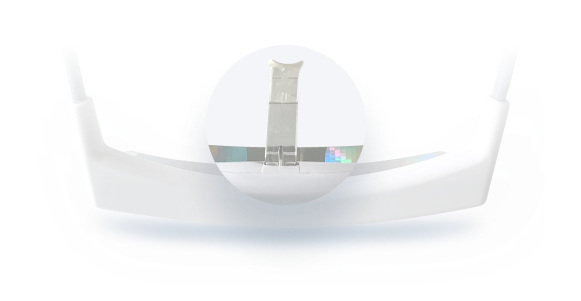
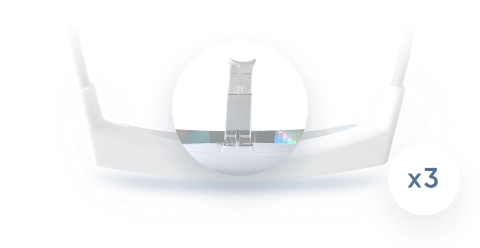
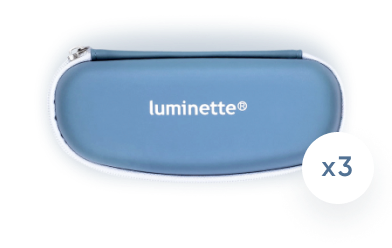
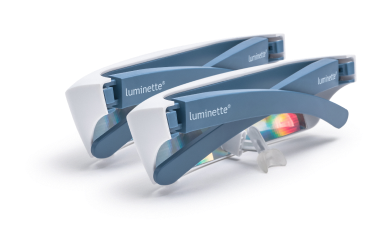
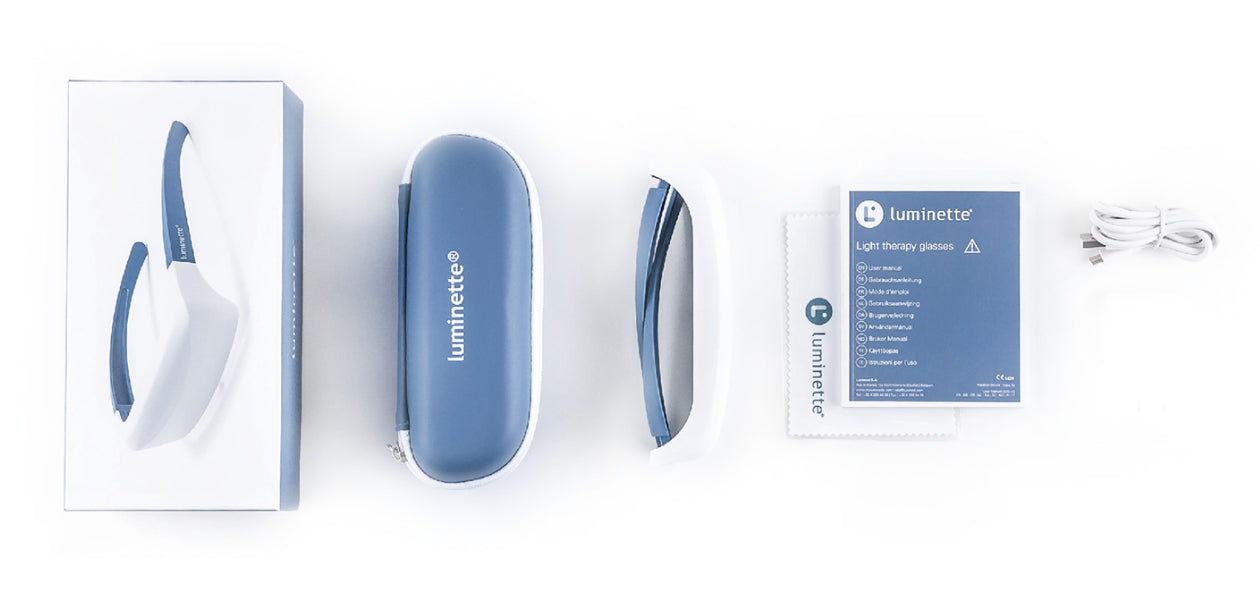
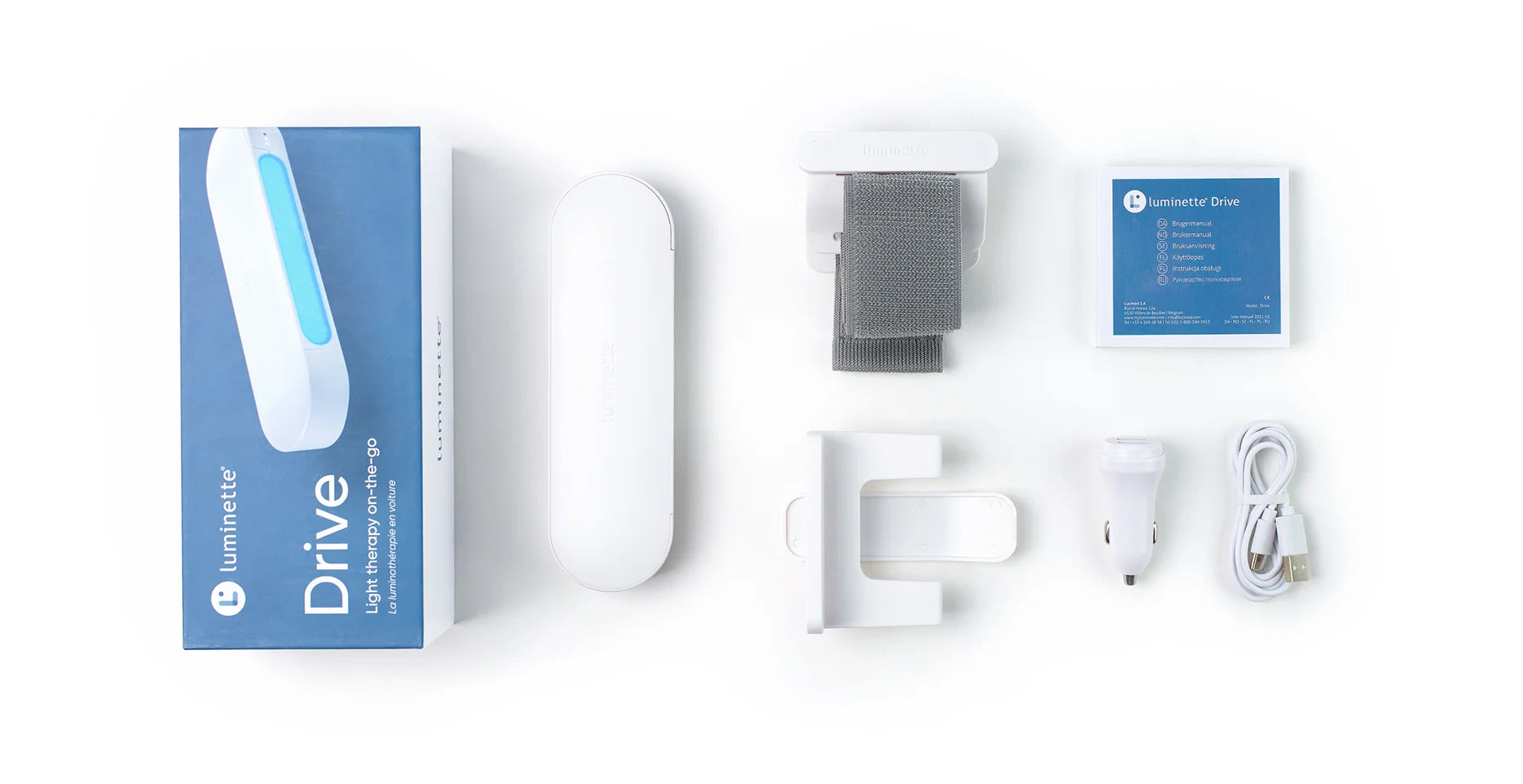
The Luminette 3 is designed exactly for this use case. You wear it for 20–30 minutes in the morning while going about your routine, and it delivers the light signal your brain needs to start adjusting to local time. For frequent travelers or anyone doing long-haul trips regularly, having jet lag glasses in your carry-on is a practical investment.
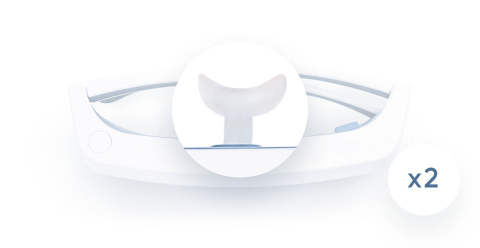
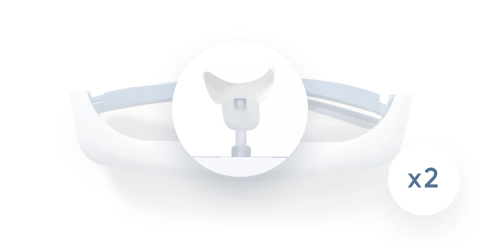
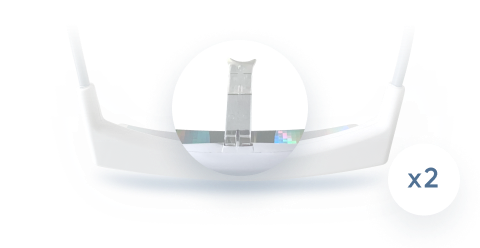
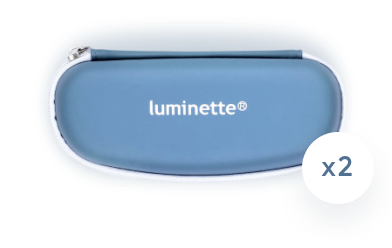
The Luminette 2 covers the same core function at a different price point - both use clinically validated light therapy to support circadian adaptation.
Stay awake until local bedtime - even when it's brutal
This is the hardest rule and the most important one. If you arrive in the morning and local bedtime is 10 p.m., you need to stay awake. Napping for three hours in the afternoon will delay your adaptation by a day or two.
If you absolutely need to rest, keep it under 20–30 minutes and set an alarm. A short nap reduces acute fatigue without significantly disrupting your night sleep.
Eat according to local time
Your digestive system is also on a circadian schedule. Eating at local mealtimes - even if you're not hungry at first - sends a secondary time cue to your body and helps reinforce the new rhythm. Avoid heavy meals late at night in the local time zone.
Use melatonin correctly
Melatonin is most effective as a jet lag treatment when timed correctly - not just taken randomly before bed. For eastward travel, taking 0.5–3 mg melatonin at the destination's local bedtime for the first few nights can meaningfully accelerate adaptation. For westward travel, the evidence is less clear.
Low doses (0.5–1 mg) tend to work as well as higher doses and cause less morning grogginess. Check with your doctor or pharmacist if you take other medications.
Exercise at the right time
Light exercise - a walk, a jog, some gentle movement - during daylight hours at your destination helps regulate cortisol and reinforces wakefulness signals. Avoid intense exercise within two to three hours of local bedtime.
Jet Lag Self-Care: The Basics You Can't Skip
Beyond the specific tactics, jet lag recovery relies on fundamentals that are easy to neglect when you're traveling:
Prioritize sleep quality over quantity. Eight hours of fragmented sleep in a noisy room is worse than six solid hours with blackout curtains and no phone.
Keep your room dark when it's time to sleep. Use the hotel blackout curtains. If there aren't any, eye mask. Light exposure at the wrong time actively delays circadian adaptation.
Avoid screens before bed. The blue light from phones and laptops suppresses melatonin. If you must use a screen, switch to night mode.
Don't use alcohol as a sleep aid. It shortens REM sleep and increases wakefulness in the second half of the night - making jet lag symptoms worse the following day.
Be patient with yourself. Jet lag is a physiological disruption, not a willpower problem. Aggressive scheduling and ignoring symptoms typically backfires.
Bottom Line
There's no single jet lag cure that works instantly - anyone selling that is oversimplifying. What there is: a set of well-researched tools that, used together and timed correctly, can cut your recovery time significantly.
Light is the most powerful one. Whether it's getting outside on arrival, using light therapy glasses like Luminette before or after your flight, or simply knowing when to seek and when to avoid bright light - managing your light exposure is the closest thing to a reliable, evidence-based jet lag treatment that actually moves the needle.
The rest - hydration, melatonin, schedule discipline, smart napping - builds on that foundation.
Plan it before you leave, stay consistent when you land, and your body will catch up faster than you expect.
FAQ
The most common symptoms include persistent fatigue that doesn't resolve with sleep, difficulty falling asleep or waking up at local times, daytime drowsiness, difficulty concentrating, irritability, digestive disruption, and headaches. Symptoms typically peak one to two days after arrival.
Most people recover within two to seven days, depending on how many time zones were crossed, the direction of travel, age, and how actively they manage recovery. Eastward travel typically takes longer to recover from than westward travel.
Yes, when timed correctly. For eastward travel, taking 0.5–3 mg of melatonin at the destination's local bedtime for the first two to three nights can accelerate adaptation. Timing matters more than dosage - taking it at the wrong time can disrupt your adjustment rather than help it.
The most effective combination is: immediate natural light exposure on arrival (timed to your direction of travel), staying awake until local bedtime, taking low-dose melatonin at local bedtime, eating at local mealtimes, and using light therapy in the morning if natural light isn't available. There's no single cure, but this combination significantly shortens recovery time.
Light therapy glasses like the Luminette deliver the same circadian-regulating light signal as outdoor daylight, with precise timing control. Light is the primary cue your brain uses to reset its internal clock, so targeted light therapy - used at the right time relative to your destination - is one of the most evidence-backed jet lag treatments available.
Eastward travel is generally harder for most people. It requires falling asleep earlier than your body wants to, which goes against the natural tendency of the circadian clock to drift slightly longer than 24 hours. Westward travel allows you to stay up later, which is easier to adapt to.
Completely preventing jet lag isn't realistic for long-haul travel, but you can significantly reduce its severity and duration. Starting circadian adjustments two to three days before departure, using strategic light exposure, staying hydrated, and following local time on arrival all reduce how hard jet lag hits and how long it lasts.


