


















Light Therapy for Shift Workers: How to Adjust Your Body Clock

It's 7am and your night shift has just ended. The sun is up, traffic is building, and everyone around you is starting their day just as yours comes to an end. You're tired, but the daylight reaching your eyes sends your body a signal that promotes wakefulness.
Whether you work in a hospital, a factory, security or behind a screen, night or irregular schedules can put your sleep-wake rhythm under strain. If you've ever worked nights, started very early in the morning or followed a rotating schedule, you may know the feeling of being pulled in two directions: your body is ready for rest while your environment is sending signals that promote wakefulness.
Light therapy can help you incorporate controlled light exposure into an irregular schedule and better align your sleep-wake rhythm. But how you use it depends on your working hours, your sleep schedule and the time of day. Here's how to approach it in different situations.
Why Does Shift Work Disrupt Sleep and Energy?
Your body runs on an internal clock of roughly 24 hours, mainly synchronized by environmental signals, with light playing a major role. This is the circadian rhythm at work: exposure to light and darkness helps signal to your body when it is time to be awake and when it is time to sleep.
Shift work can create a mismatch between your working hours and your biological clock. You may be awake at a time when your body would normally promote sleep, then try to sleep when environmental signals are promoting wakefulness. This mismatch can make sleep more difficult and contribute to feelings of fatigue or sleepiness during periods of activity.
Night-shift workers can face this challenge particularly after their shift. Getting home when daylight is already strong can promote wakefulness when the goal is to sleep. The mismatch between working hours, light exposure and your biological clock can therefore make it harder to sleep and adapt to an irregular schedule.
Light therapy has been studied as an approach for using light more strategically, depending on when you want to promote wakefulness or sleep.
How Does Light Therapy Work for Shift Workers?
The principle of light therapy is to expose your eyes to bright light at a specific time. Depending on when the exposure takes place, light can influence the signals that synchronize your circadian clock and contribute to changes in your sleep-wake rhythm.
Light therapy protocols can use different intensities, durations and light characteristics. Traditional light therapy lamps are often used at 10,000 lux, but intensity alone does not determine the effect of an exposure.
Depending on when it is used, light can contribute to advancing or delaying the circadian rhythm. Timing is therefore particularly important for shift workers: exposure to light that promotes wakefulness during a shift may not have the same effect if it takes place just before a sleep period.
The goal is to match the timing of the exposure to your own working and sleeping hours, rather than to the schedule of a typical day.
Here's how this can translate into different schedules. If you work nights, light can be used at certain points during your shift to influence wakefulness and circadian signals. If you start work very early in the morning, exposure after waking can help reinforce the signal that the day has begun. With rotating schedules, the timing of light exposure can be adjusted gradually as your working hours change.
The Sleep Foundation also recommends considering the timing of light exposure when managing irregular work schedules.
How to Use Light Therapy for Shift Work: Practical Guide
This is where things become more practical. When you work shifts, the timing of your light exposure is particularly important. The goal is to match it to your own working and sleeping hours. Here are some practical guidelines for the most common situations.
If you work nights: Use light therapy during the first part of your shift, for example around 10pm or 11pm if your shift starts in the evening. The aim is to promote wakefulness during the period when you are working, while avoiding unnecessary exposure to bright light as your shift comes to an end.
After your shift, reduce your exposure to bright light as much as possible. Sunglasses can help limit your exposure to outdoor light on the way home, provided you do not use them while driving if you are feeling sleepy. NIOSH also recommends managing light exposure during and after night shifts, including getting more light during work and reducing exposure after the shift.
Once you are home, a dark bedroom and dim lighting can also help create an environment that is more conducive to sleep. Avoid a light therapy session in the hours immediately before your planned sleep period.
If you work early mornings: If you get up around 4am or 5am to start your day very early, a light therapy session can be incorporated into your routine after waking. With Luminette, the session duration depends on the intensity selected: the different settings correspond to sessions of 20, 30 or 45 minutes.
You do not need to remain still during the session. You can use Luminette while doing some of your usual morning activities, such as having breakfast or getting ready.
If you work rotating shifts: Gradually adjust the timing of your sessions as your working hours change, rather than changing everything at once. When possible, keep a relatively stable routine for a few days before adjusting the timing again. The aim is to give your sleep-wake rhythm time to adapt progressively to the new schedule.
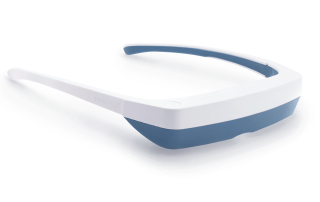
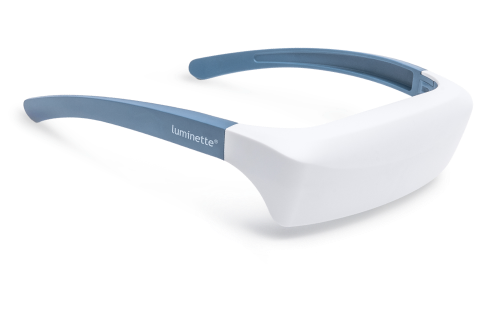
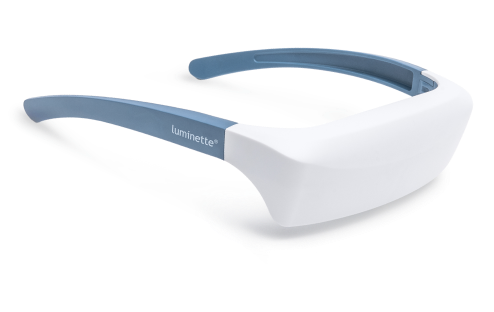
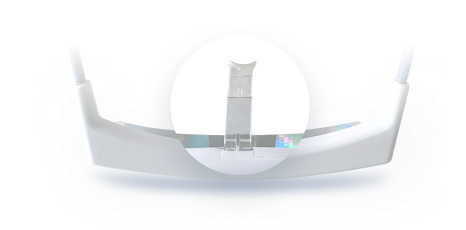
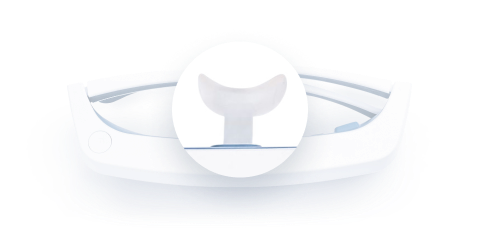
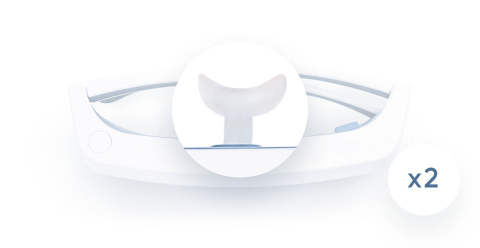
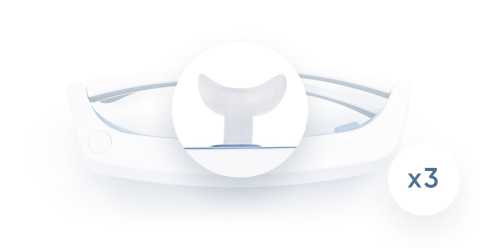
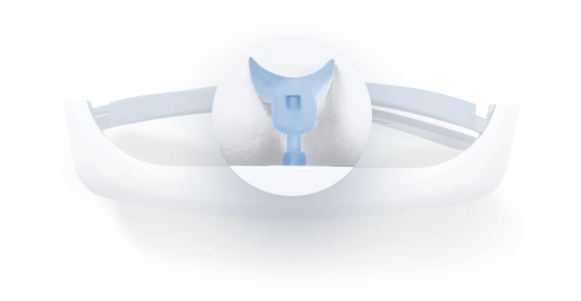
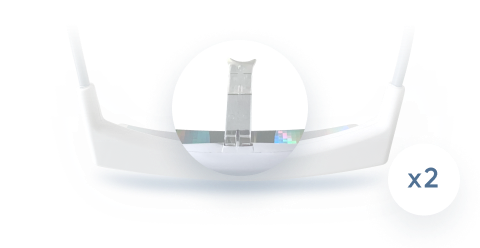
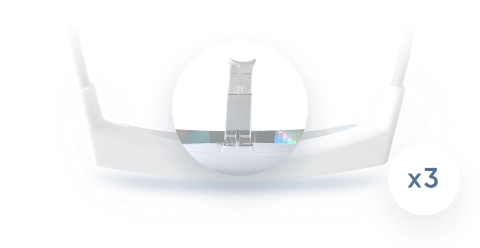
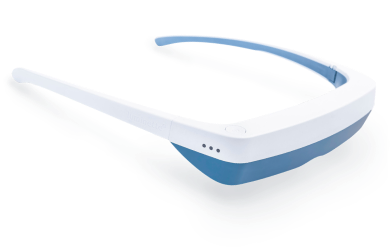
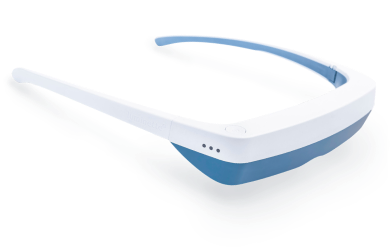
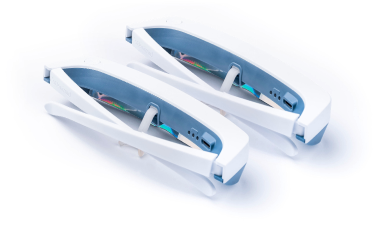
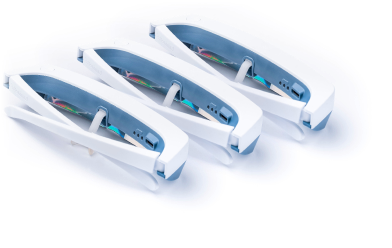
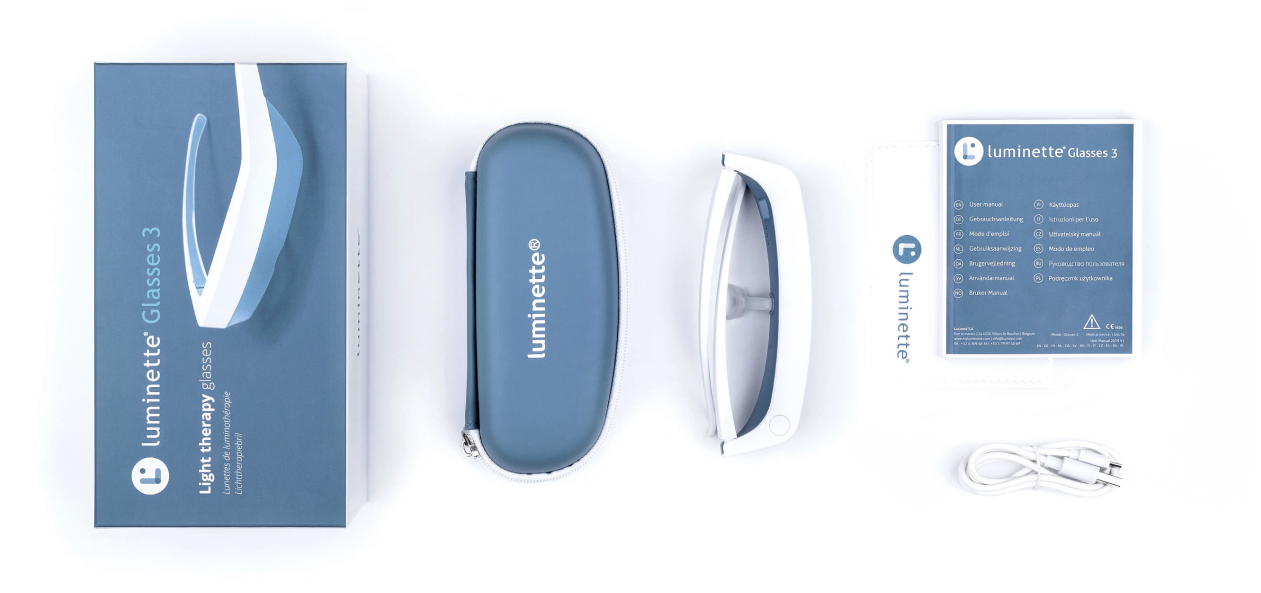
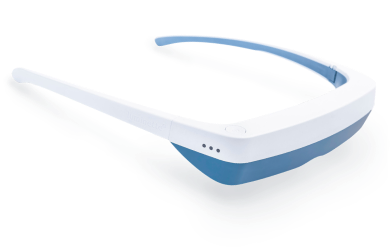
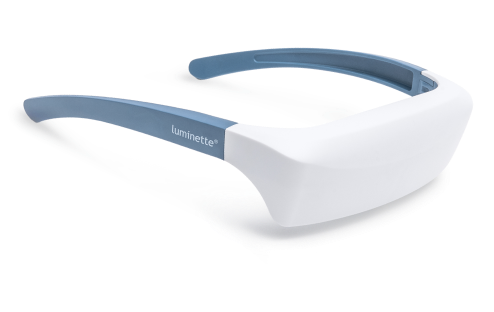
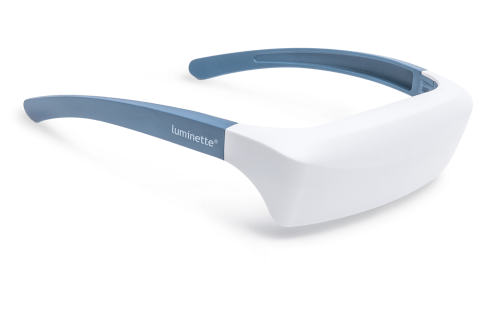
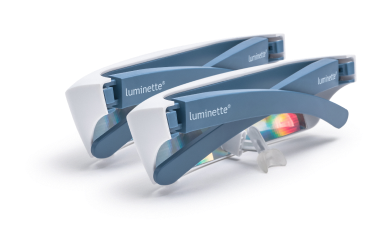
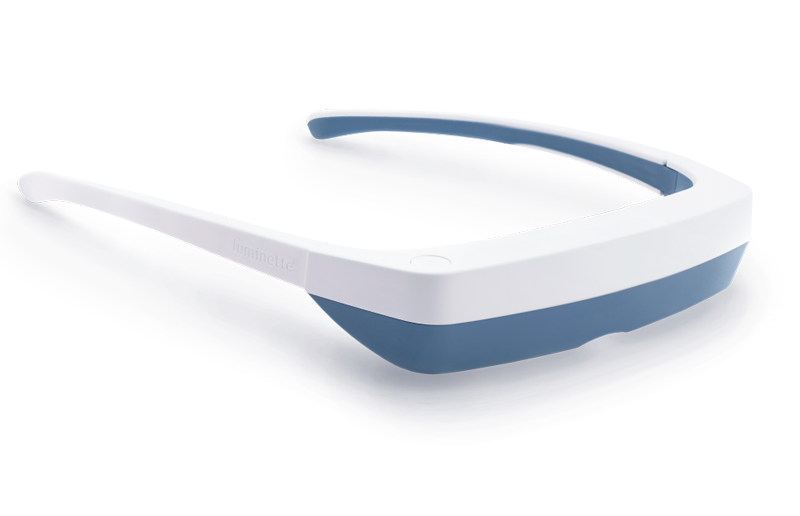
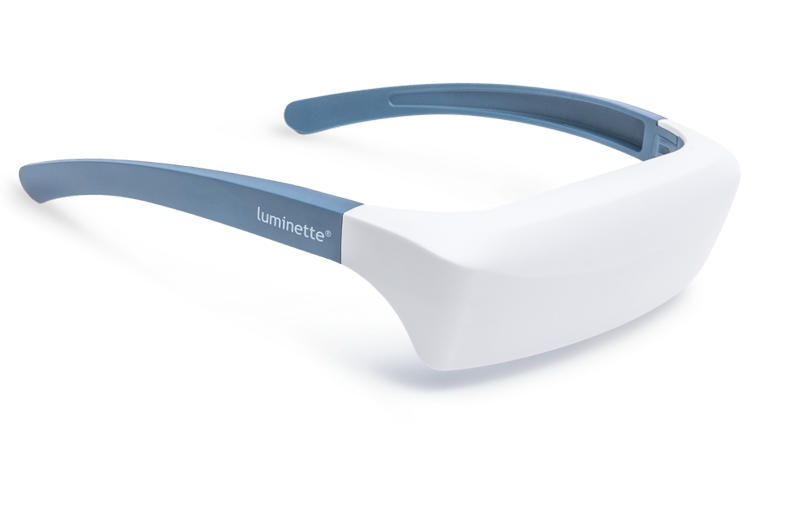
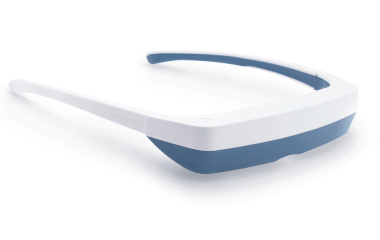
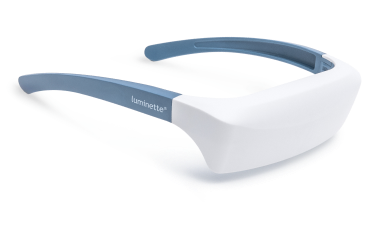
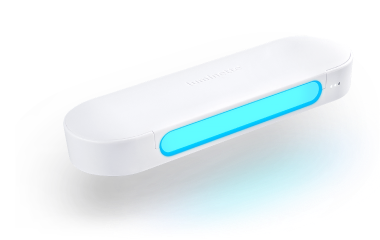
This is where a wearable device can be useful. The Luminette 3 and Luminette 2 use blue-enriched white light, with a peak around 468 nm. Their position close to the eyes allows you to keep your hands free during a session and continue with certain everyday activities.
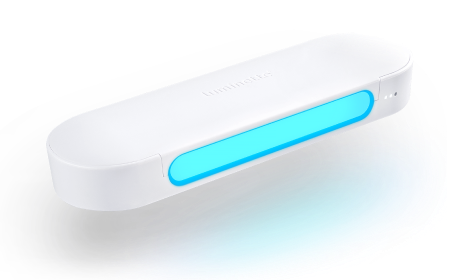
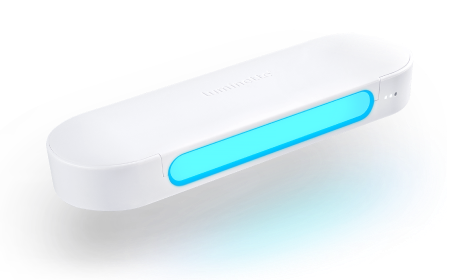
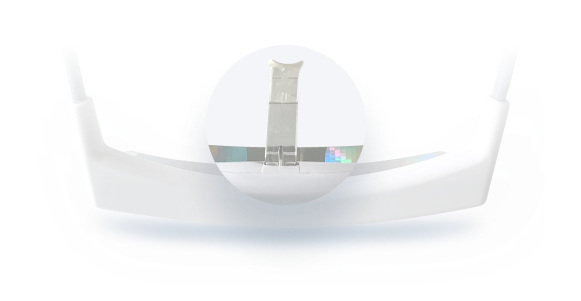
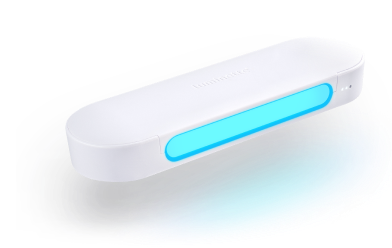
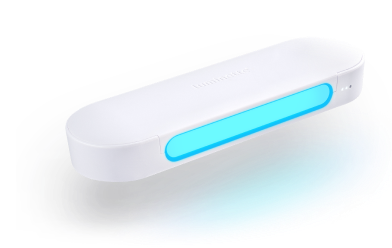
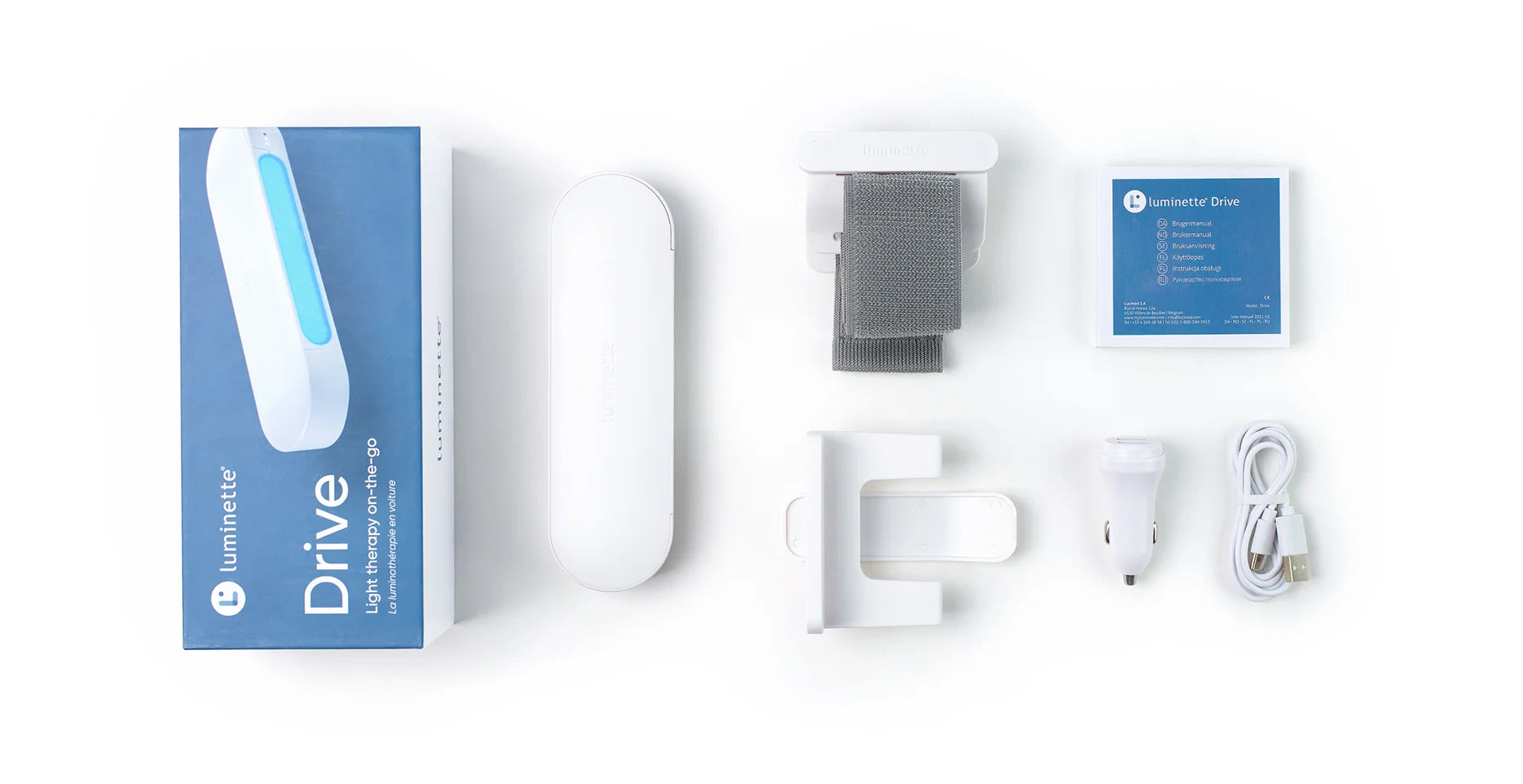
The Drive is also designed for use while travelling. For people whose schedules do not follow a typical daily routine, these formats can make it easier to incorporate a light therapy session into everyday life.
You can compare the different light therapy devices to find the format that best fits your schedule.
Light plays an important role, but other habits can also make daytime sleep easier.
Create a dark sleeping environment. Blackout curtains, a sleep mask or a combination of both can help limit light exposure during your rest period.
Keep your sleep and wake times as regular as possible. Very different schedules on days off can make it harder to adapt to an already irregular rhythm.
Watch your caffeine intake. Avoid consuming caffeine in the hours before your planned sleep period if you find that it interferes with falling asleep.
Tell the people around you about your sleep window. Family, housemates and friends cannot protect a schedule they do not know about. A note on the door and silenced notifications can help avoid unnecessary interruptions.
Finally, consistency is important when incorporating light into a shift-work routine. Rather than using it only when fatigue is particularly strong, try to maintain an exposure schedule that is consistent with your working hours. This can help make light therapy a consistent part of your daily routine.
Conclusion
Shift work asks your sleep-wake rhythm to adapt to working hours that do not always match the natural signals of the day. Light therapy can help incorporate controlled light exposure into this routine and may contribute to better alignment of the circadian rhythm when the timing of exposure is appropriate.
A portable format such as Luminette can make this easier to integrate, particularly when working hours change regularly or when your day is difficult to organize around a stationary lamp.
The key is to choose an appropriate time for your light exposure and incorporate it into a routine that fits your working and sleeping hours.
FAQ
Yes, light therapy can help manage night-shift schedules, particularly by influencing the signals involved in wakefulness and the circadian rhythm.
Studies in night-shift workers have investigated the use of bright light during the shift and its effects on sleepiness and adaptation to night work. Results depend on the timing and conditions of exposure, which is why the timing of light exposure is particularly important.
After the shift, limiting exposure to bright light can also help prepare for the subsequent sleep period.
For a night shift that starts in the evening, a session can be used during the first part of the shift, for example around 10pm or 11pm. The aim is to promote wakefulness during the working period while gradually reducing exposure to bright light as the shift comes to an end.
NIOSH also recommends getting more light during the first part of a night shift and reducing exposure during the second part, particularly to help with sleep after returning home.
After your shift, avoid significant exposure to bright light during the hours before your planned sleep period. If you return home after sunrise, sunglasses can help limit exposure to outdoor light, but only if you are not driving yourself while feeling sleepy. NIOSH recommends wearing dark sunglasses after a night shift only when someone else is driving, because of the risks associated with drowsy driving.
Yes, light therapy can also be incorporated into a rotating-shift routine.
As your working hours change, you can gradually adjust the timing of your sessions to your new schedule rather than changing everything at once. When possible, keeping the same timing for a few days before adjusting it again can help maintain a more regular routine.
A portable device such as Luminette can be particularly practical in this situation, since the timing of the session can easily follow changes in your working hours.
The first effects may be noticed after a few days, but adapting to a new schedule can take longer. The timeframe depends on factors such as how much your schedule changes, the timing of light exposure and how consistently the routine is followed.
Luminette indicates that some users may begin to notice effects after around 4 to 7 days of regular use.
For sleep, adaptation may take longer, particularly when working hours change significantly or frequently.
There is no single light therapy device that is right for every shift worker. The choice depends on factors such as the light intensity, format, session duration and how easily the device can be incorporated into your routine.
For irregular schedules, a portable device can be useful because it allows you to have a light therapy session without staying in one place in front of a stationary lamp.
The Luminette 3 and Luminette 2 allow you to keep your hands free during a session, while Luminette Drive is designed for use while travelling.


