

















Light Therapy Benefits: What It Does and Who It's For

In winter, it is not always easy to start the day when the alarm goes off before sunrise. But limited light exposure is not only an issue during the darkest months. Shift work, long-haul travel, or spending most of the day indoors can also reduce our exposure to natural light.
Light plays an important role in how our biological clock works. In particular, it helps the body distinguish between day and night and synchronise the sleep-wake cycle. When light exposure is insufficient or occurs at an unusual time, maintaining a regular rhythm can become more difficult.
This is where light therapy may be useful. It involves exposure to sufficiently bright light to send a signal to the biological clock. Depending on the time of day and the device used, this exposure may help support alertness, help adjust the sleep-wake cycle, and make periods with less natural light easier to manage.
But what can you realistically expect from light therapy? How does it work, when may it be useful, and what is the difference between a light therapy lamp and light therapy glasses? In this article, we take a closer look at its main uses, while also addressing a common question: can light therapy devices also be used for the skin?
How Does Light Therapy Work?
Light plays an essential role in regulating our biological clock. Certain cells in the retina contain a pigment called melanopsin. They detect light and transmit information to brain structures involved in synchronising the sleep-wake cycle.
Light received at the right time influences, among other things, the production of melatonin, a hormone involved in sleep regulation. It can also affect mechanisms related to alertness and mood. In practice, exposure to light in the morning helps the body identify the beginning of the day and may contribute to supporting a more regular sleep-wake rhythm.
In many protocols, light therapy uses an intensity of 10,000 lux for approximately 30 minutes, generally in the morning. However, this is not a universal rule: the duration and intensity depend on the device, the distance from the light source, the light spectrum and the purpose of use.
For comparison, ordinary indoor lighting often provides only a few hundred lux, while outdoor light can be much more intense, even on an overcast day. Light therapy devices can therefore be useful when exposure to natural light is limited or difficult to incorporate into daily life. However, a light therapy lamp and light therapy glasses do not produce exactly the same type of exposure.
For more information, see this overview of how light therapy works.
What Are the Main Benefits of Light Therapy?
The potential benefits of light therapy depend on the timing of the exposure, the device used and the individual’s needs. The most common uses relate to seasonal changes in daylight, sleep-wake rhythms, morning alertness and changes in schedule.
Supporting mood during the darker months.
Shorter days and reduced exposure to natural light can affect how some people feel during autumn and winter. A morning light therapy session may help support mood during these periods by providing a bright-light signal when daylight is limited. Light therapy is not a substitute for professional support when someone is experiencing persistent or significant changes in mood.
Supporting a more regular sleep-wake rhythm.
Light is one of the main signals that helps regulate the biological clock. Exposure to bright light at the appropriate time—often in the morning—can help the body distinguish the beginning of the day from the evening and may support a more regular sleep-wake rhythm. The timing is important: light exposure later in the day can have a different effect.
Promoting morning alertness and energy.
Morning light helps signal to the body that the day has started. For people who find it difficult to wake up, particularly during the darker months or when mornings begin before sunrise, light therapy may help support alertness and make the transition into the day easier. A session is generally most useful when incorporated into a consistent morning routine.
Helping the body adjust to changes in schedule.
Travel across time zones, shift work and irregular working hours can expose the body to light at unusual times. Carefully timed light exposure may help support the adjustment of the biological clock to a new schedule. The appropriate timing depends on the direction of travel, the working hours and the desired adjustment, so a general morning routine is not suitable for every situation. Mayo Clinic provides a clear, sourced overview of the evidence behind these uses of light therapy.
Are There Benefits of Light for Skin?
Light can also be used for specific skin-related purposes, but the wavelengths and devices involved are different from those used in bright-light therapy for the biological clock.
The research on light and skin describes several applications. Red and blue light are also studied for certain skin-related applications, but these generally involve dedicated devices designed to illuminate the skin directly. They should not be confused with bright-light therapy devices designed to influence the biological clock.
It is important to distinguish these approaches from the bright white light used in light therapy to support the sleep-wake rhythm and alertness. The effects depend on the wavelength, intensity, duration and intended use of the device.
If your main goal is to address a specific skin concern, a dermatologist can help you determine which approach may be appropriate. If your goal is to support your biological clock, morning alertness or sleep-wake rhythm, bright-light therapy is the relevant application.
What Are the Benefits of Light Therapy Glasses Compared to Lamps?
Traditional light therapy lamps can be a practical option, but using them generally requires staying close to the light source and maintaining the recommended distance and position throughout the session. This may be easy to incorporate when you have a few quiet minutes in the morning, but less practical when the day already starts at a busy pace.
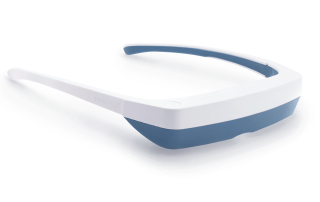
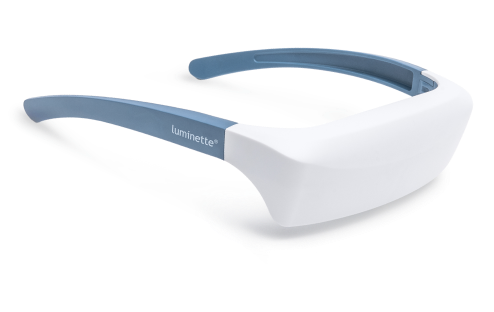
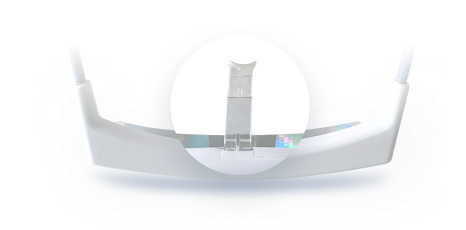
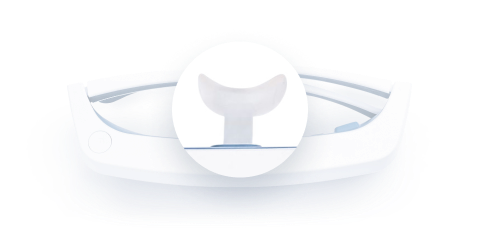
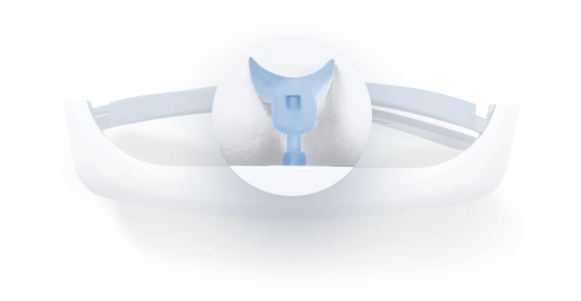
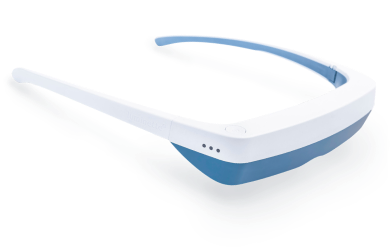
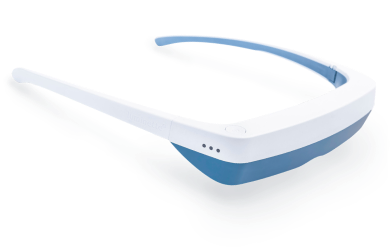
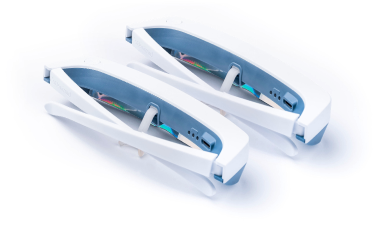
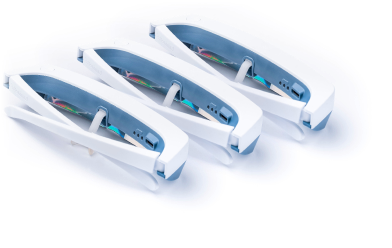
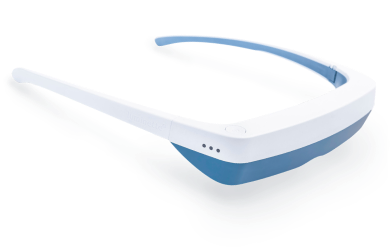
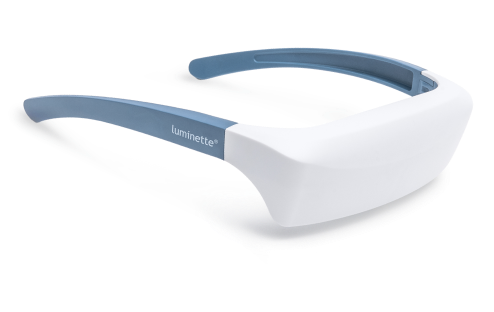
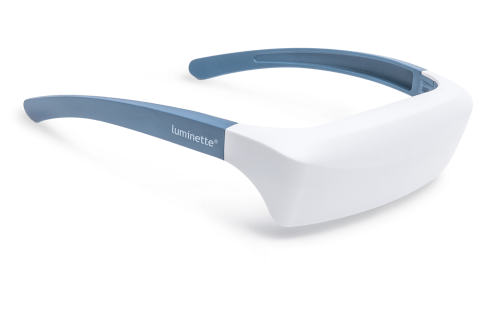
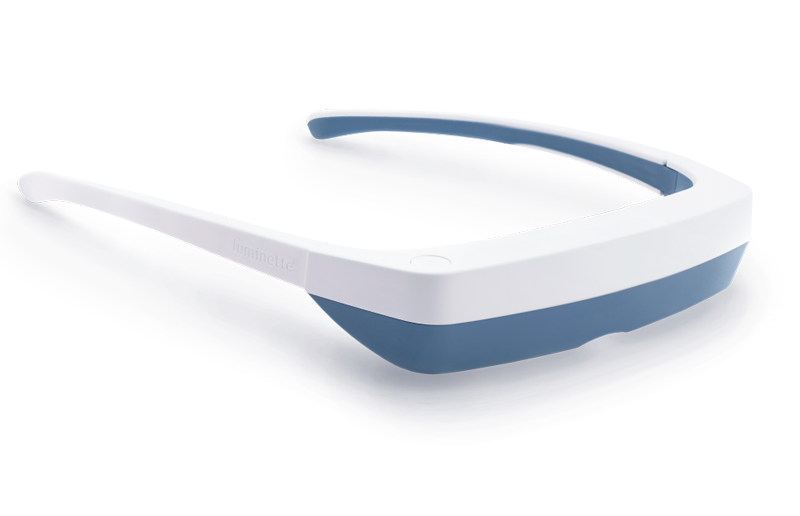
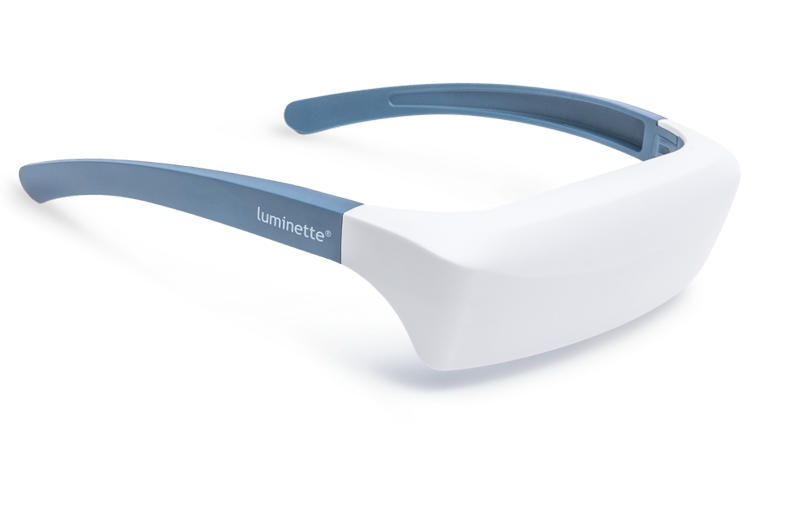
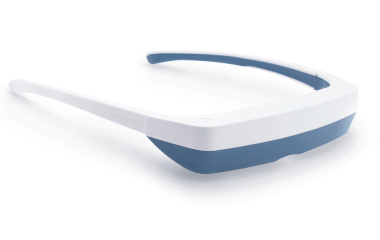
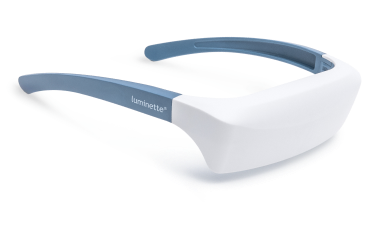
Light therapy glasses address this limitation by allowing you to receive light while keeping your hands free. Their light source is integrated into the glasses and directed towards the eyes from above, so you can continue with certain activities during the session.
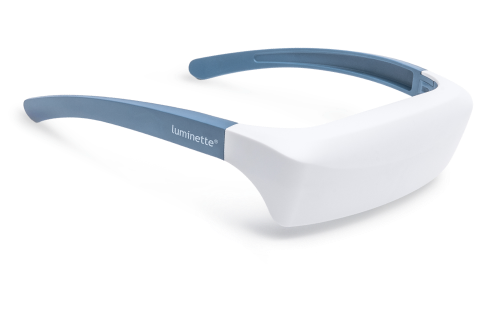
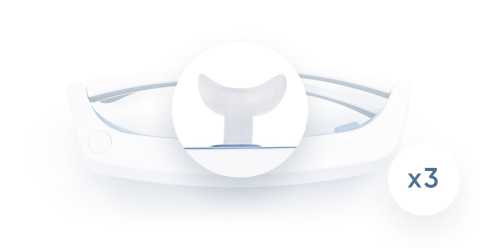
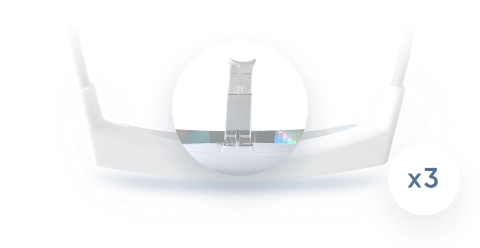
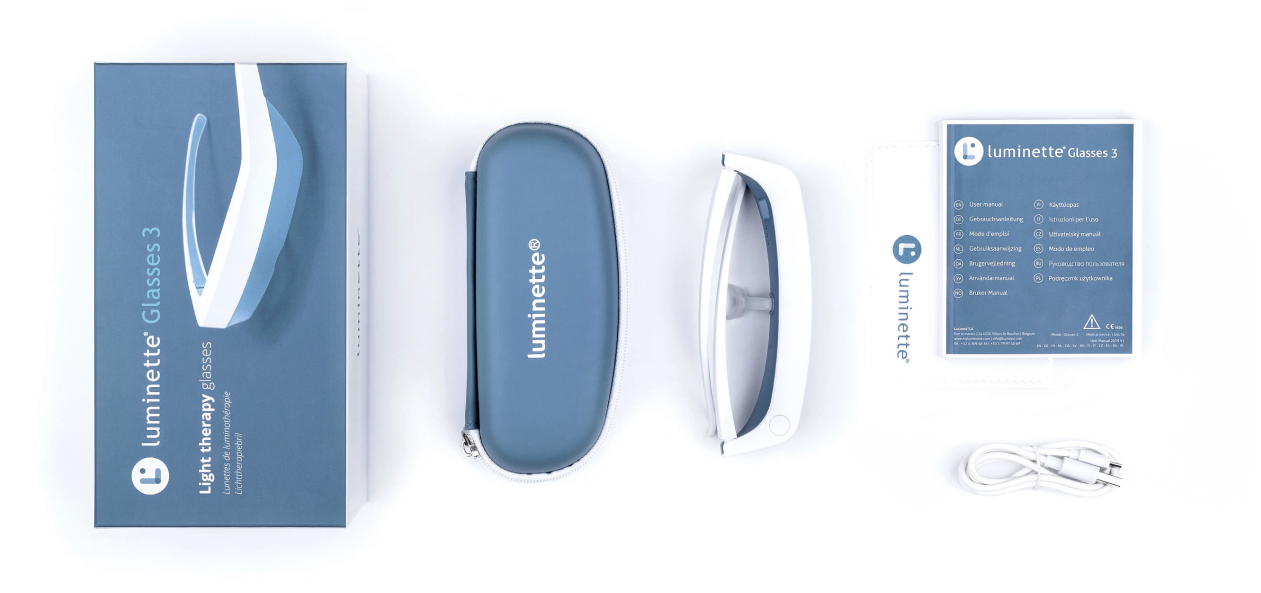
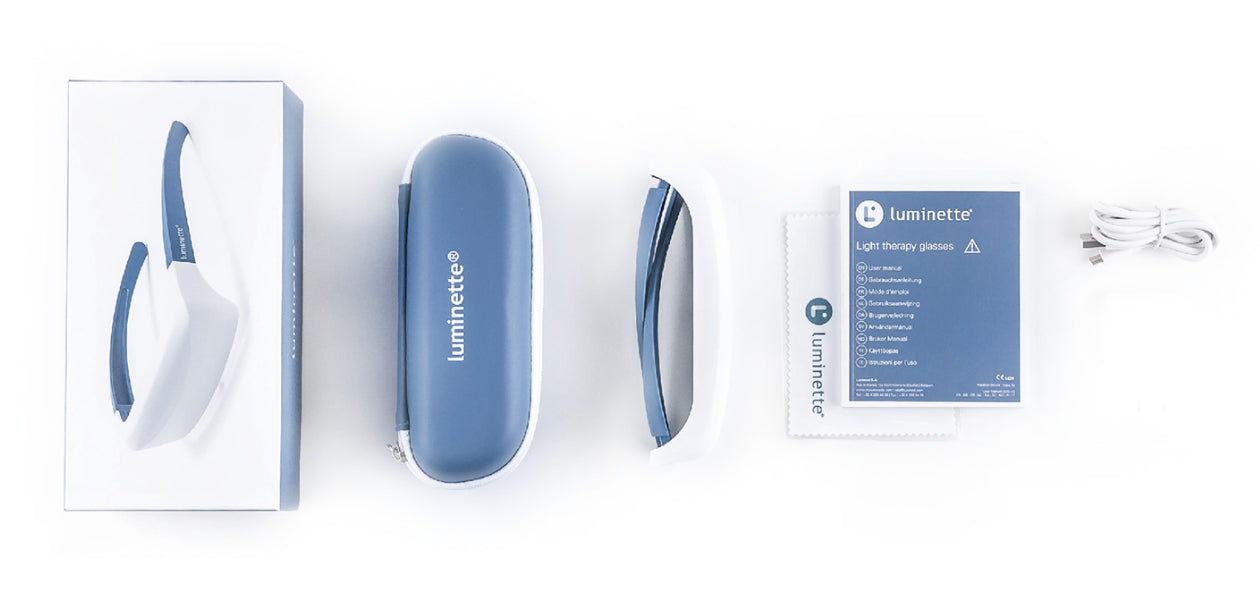
The Luminette 3 illustrates this portable approach. It emits white light enriched with blue light, with three intensity levels ranging from 500 to 1,500 lux. Because the light source is positioned close to the eyes, it operates at a nominal intensity that differs from that of a lamp used at a greater distance. However, both types of devices rely on distinct exposure methods and should be used according to the manufacturer’s recommendations.
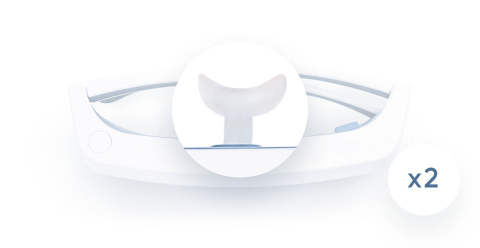
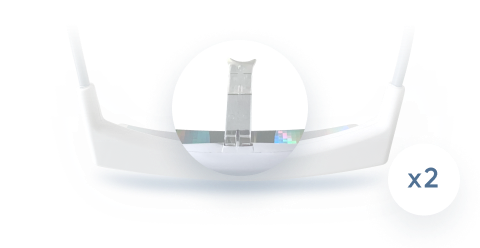
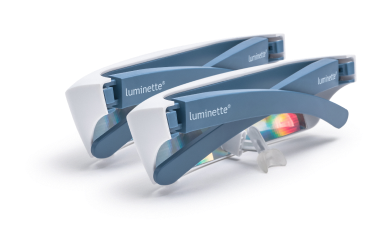
The Luminette 2 is based on the same principle and offers a more affordable alternative for those who want to discover light therapy at a lower price. The Luminette 3, meanwhile, features a newer design, improved comfort and improved battery autonomy.
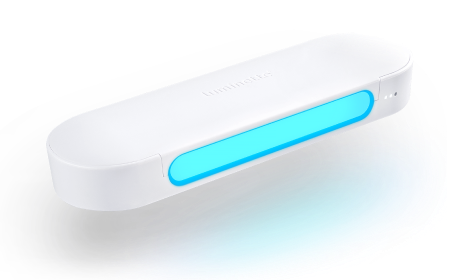
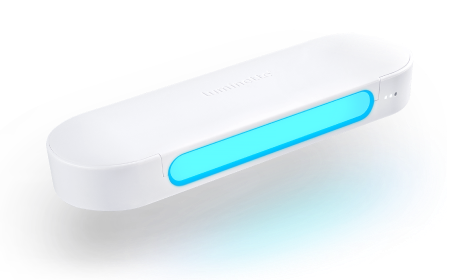
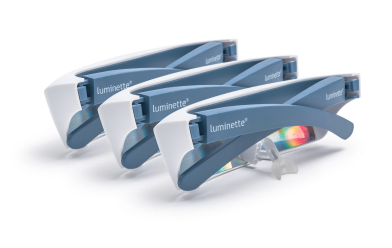
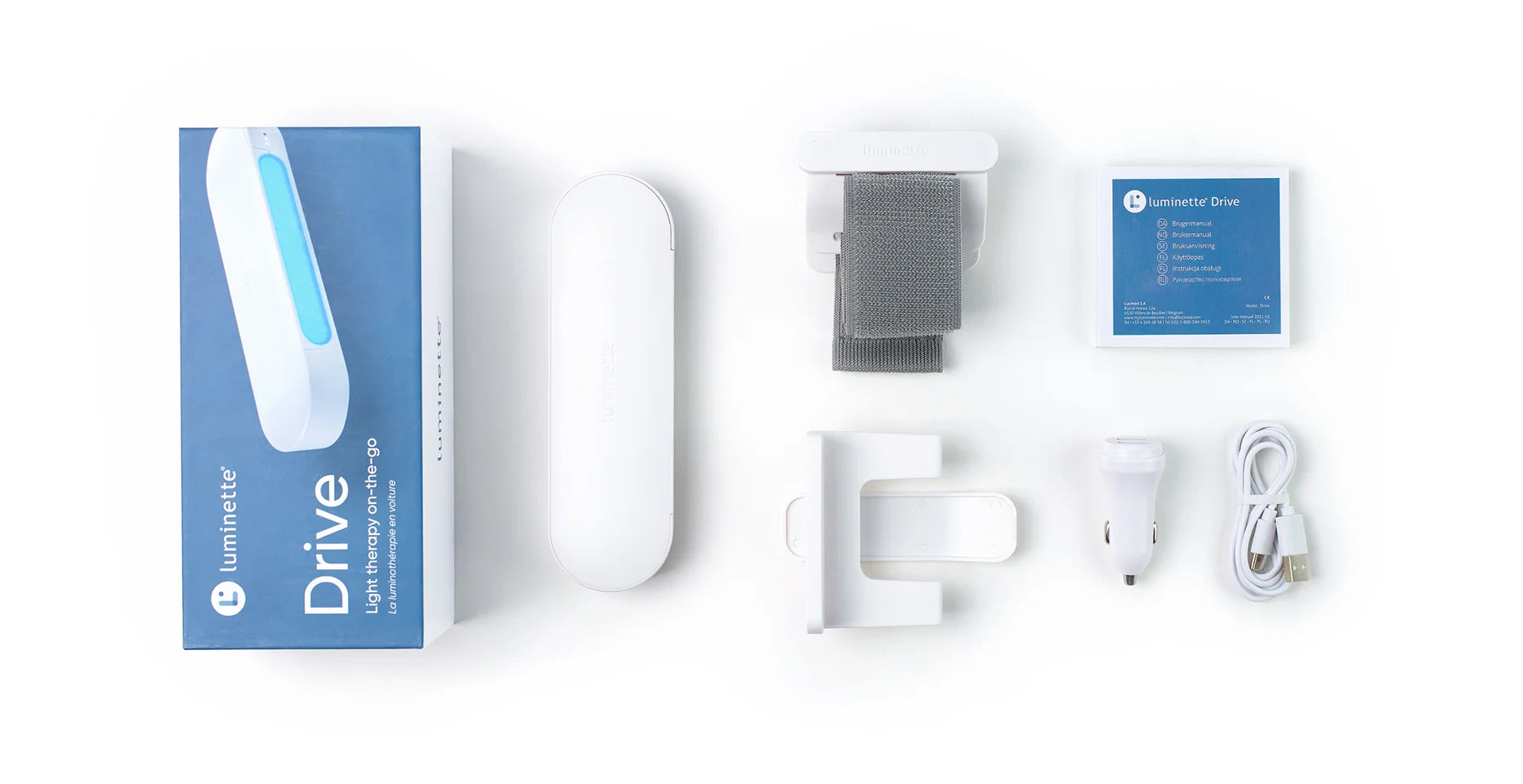
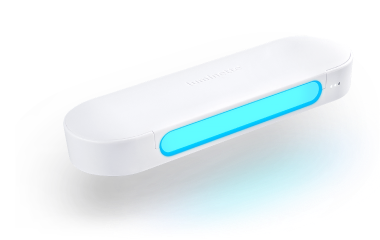
The Luminette 2 and Luminette 3 are therefore designed to offer flexibility in everyday life, while the Drive is intended for more specific use during travel or in front of a computer.
By combining portability with freedom of movement, these light therapy devices can be easier to incorporate into everyday routines, even when mornings are already busy.
Who Can Benefit from Light Therapy?
Light therapy may be useful for people whose exposure to natural light is limited or whose daily schedule makes it difficult to support a more regular sleep-wake rhythm. Its relevance depends on the individual’s needs, the timing of the exposure and the type of device used.
People affected by shorter days.
During autumn and winter, reduced daylight can make it more difficult to get enough bright light, particularly in the morning. A light therapy session may help support alertness, energy and mood when natural light is limited.
People who struggle with early mornings.
Those who wake up before sunrise or find it difficult to feel alert at the start of the day may benefit from incorporating bright light into their morning routine. Used at the appropriate time, it can help signal the beginning of the day to the biological clock.
People with irregular schedules.
Shift workers, people with early or late working hours and those whose schedules change frequently may use carefully timed light exposure to help support adjustments to their sleep-wake rhythm. The timing should be adapted to the person’s working hours and desired schedule.
Travellers crossing time zones.
Long-distance travel can temporarily disrupt the biological clock. Light therapy may help support the adjustment to a new time zone when used at the appropriate time, depending on the direction of travel and the schedule you want to follow.
People who spend most of the day indoors.
Working in an office, studying or spending long periods inside can reduce exposure to natural daylight. A light therapy device may provide an additional source of bright light when going outside is difficult or when indoor lighting is not sufficiently intense.
Light therapy is not suitable for every situation. If you have an eye condition, take medication that increases sensitivity to light or have a medical condition for which bright light may be inappropriate, seek advice from a healthcare professional before using a light therapy device.
FAQ
Reduced exposure to natural light, particularly during autumn and winter, can affect how some people feel. Light therapy may help support mood during these periods by providing a bright-light signal when daylight is limited.
Its effects are thought to be linked to the way light interacts with the biological clock and mechanisms involved in alertness and mood. However, light therapy is not a substitute for professional support if you are experiencing persistent or severe changes in mood.
The time it takes to notice an effect from light therapy varies depending on the individual, the purpose of use and the device. Some people may notice changes in alertness relatively quickly, while other effects may require regular use over several days or weeks.
Consistency and timing are important. For general morning use, incorporating light therapy into a regular routine may help the body adjust progressively to the light signal. If you are using light therapy for a specific concern or to adjust your sleep-wake schedule, the expected timeframe will depend on the situation and the recommended protocol.
For many devices, light therapy can be used every day when the manufacturer’s instructions are followed. Regular use is often important because the effects of light exposure depend on consistency and timing.
For general morning use, a daily session may help support alertness and maintain a more regular sleep-wake rhythm, particularly during periods when natural daylight is limited. The recommended duration and intensity depend on the device, so it is important to follow the manufacturer’s instructions.
If you experience discomfort, headaches, eye strain or unusual sensitivity to light, stop the session and seek advice from a healthcare professional before continuing. People with certain eye conditions or taking medication that increases sensitivity to light should also consult a healthcare professional before starting light therapy.
A 10,000 lux lamp provides bright light that may help support mood during darker months, morning alertness and a more regular sleep-wake rhythm. When used at the right time, it may also help the body adjust to changes in schedule.
The results depend on using the lamp correctly, including the recommended distance, duration and timing. Follow the manufacturer’s instructions and consult a healthcare professional if you have specific health concerns.
For the appropriate uses—winter mood support, sleep timing and circadian adjustment—light therapy has been studied extensively. It is not a miracle fix, and results depend on using it correctly: bright enough, long enough and early enough in the day. Many people find it easy to incorporate into an existing morning routine. If you have specific health concerns, consult your healthcare provider.


