























Circadian Rhythm Sleep Disorder: Symptoms, Causes, and How to Fix It
Sleep

Most people think of sleep problems as either insomnia or oversleeping. But there's a third category that gets far less attention - and affects far more people than most realize: circadian rhythm sleep disruption.
If you consistently can't fall asleep until 2 or 3 a.m., or you're wide awake at 4 a.m. without an alarm, or you work nights and feel perpetually jet-lagged even without flying anywhere - you may not have a "bad sleep habit." You may have a disrupted circadian clock.
This article explains what circadian rhythm disruptions actually are, what causes them, how to recognize the symptoms, and what treatments - including light therapy - actually move the needle.
What Is a Circadian Rhythm Disruption?
Your circadian rhythm is your body's internal 24-hour clock. It governs the timing of sleep and wakefulness, hormone release (including melatonin and cortisol), body temperature, digestion, and dozens of other biological processes. Under normal conditions, this clock is synchronized to the light-dark cycle of your environment - daylight signals wakefulness, darkness signals sleep.
A circadian rhythm disruption - also called a circadian rhythm sleep-wake disfunction - occurs when this internal clock is misaligned with the external environment or with the sleep schedule a person needs to maintain. The clock itself isn't broken. It's just set to the wrong time.
The result: you're trying to sleep when your body thinks it's daytime, or trying to stay awake when your body is convinced it's the middle of the night.
Types of Circadian Rhythm Sleep Disruption
Not all circadian disruptions look the same. There are several distinct subtypes:
Delayed Sleep Phase Disruption (DSPD)
The most common type, particularly among adolescents and young adults. The person's sleep-wake cycle is shifted significantly later than conventional times - they can't fall asleep until 2–6 a.m. and can't wake up until late morning or afternoon without feeling unwell. Often misdiagnosed as insomnia or laziness.
Advanced Sleep Phase Disruption (ASPD)
The opposite of DSPD. Sleep onset happens very early - 6–9 p.m. - and waking occurs in the early morning hours, 2–5 a.m. More common in older adults.
Circadian Rhythm Sleep Disruption - Shift Work Type
One of the most widespread and underdiagnosed forms. Shift workers who regularly work nights, early mornings, or rotating schedules experience chronic misalignment between their work schedule and their biological clock. The body never fully adapts to irregular hours, resulting in ongoing sleep deprivation and health consequences.
Jet Lag Disruption
Temporary but acute misalignment caused by rapid travel across multiple time zones. Unlike the other subtypes, jet lag resolves on its own - though it can be significantly shortened with the right interventions.
Irregular Sleep-Wake Rhythm Disruption
A fragmented pattern with no consistent sleep period. Common in people with neurological conditions, dementia, or those in care environments without regular light exposure.
Non-24-Hour Sleep-Wake Rhythm Disruption
The internal clock runs slightly longer or shorter than 24 hours and is not re-anchored by light cues. Most prevalent in people who are totally blind, since they lack the visual light input that normally keeps the clock synchronized.
Circadian Rhythm Disruption Symptoms
The symptoms of a circadian rhythm disruption are often mistaken for other conditions - depression, insomnia, anxiety, chronic fatigue. Recognizing the pattern is key.
Sleep-related symptoms:
Inability to fall asleep at a socially conventional time
Inability to wake up at required times without extreme difficulty
Sleeping at unusual hours that feel natural to the individual
Non-restorative sleep even after adequate duration
Excessive daytime sleepiness at specific times of day
Daytime symptoms:
Cognitive impairment - brain fog, poor memory, slow reaction times
Mood disturbances - irritability, low mood, symptoms overlapping with depression
Difficulty functioning at work or school during expected hours
Persistent fatigue that doesn't improve with more sleep
Physical symptoms:
Gastrointestinal disturbances
Appetite dysregulation - hunger and fullness signals at the wrong times
Elevated blood pressure and metabolic changes (particularly in shift workers)
Weakened immune function over time
The critical distinction: people with circadian rhythm disruptions can often sleep perfectly well - just not at the times the outside world requires. A night owl with DSPD sleeping from 3 a.m. to 11 a.m. may sleep eight solid hours and feel fine. Force them to sleep 11 p.m. to 7 a.m. and they'll feel like they have insomnia.

Causes of Circadian Rhythm Sleep Disruption
Understanding what drives circadian misalignment helps explain both why it happens and how to address it.
Light exposure - the primary driver
Light is the dominant environmental cue that synchronizes the circadian clock. Specifically, it's the presence or absence of light detected by specialized cells in the retina (intrinsically photosensitive retinal ganglion cells) that signals to the brain's master clock - the suprachiasmatic nucleus (SCN) - what time it is.
Too much artificial light in the evening suppresses melatonin and delays the clock. Screens, LED lighting, and brightly lit indoor environments after dark are significant contributors to widespread circadian disruption in modern populations.
Too little light in the morning means the clock never gets a clear "start the day" signal. This is particularly pronounced in winter at higher latitudes, or for people who commute before dawn and spend the day in offices with inadequate lighting.
Genetics
Circadian chronotype - the natural tendency to be an early riser or night owl - has a significant genetic component. Mutations in clock genes (PER3, CLOCK, CRY) have been identified in people with delayed sleep phase disorder. In other words, for some people, this isn't a lifestyle choice or bad habit. It's biology.
Shift work and irregular schedules
Circadian rhythm sleep disruption shift work type is caused by the direct conflict between work hours and the body's biological night. Unlike jet lag, which eventually resolves, shift work disorder is chronic - it recurs every time the person returns to work. The body's melatonin rhythm doesn't fully invert even after years of night work.
Age
The circadian clock changes across the lifespan. Adolescents experience a biological delay in sleep timing - the drive to stay up late and sleep in isn't defiance, it's physiology. Older adults tend to shift earlier. These age-related changes can become problematic when they conflict with social and occupational demands.
Medical conditions and medications
Neurological conditions (Parkinson's, Alzheimer's, traumatic brain injury), mood disorders, blindness, and certain medications that affect melatonin or cortisol can all disrupt circadian function.

How to Fix Circadian Rhythm Disruption: Treatment Options
Circadian rhythm disruptions are treatable. The approach depends on the specific subtype and severity, but several interventions have strong evidence behind them.
Light Therapy for Circadian Rhythm Disruption
Light therapy is the most evidence-based non-pharmacological treatment for circadian rhythm disruptions - and for many subtypes, it's the first-line recommendation. However, treatment approaches vary by individual. Always consult a qualified healthcare professional before beginning any therapy.
The mechanism is direct: exposure to bright light at the right time shifts the circadian clock either earlier or later, depending on when the light is delivered. Morning light advances the clock (makes you sleepy and wakeful earlier). Evening light delays it (pushes sleep later).
For DSPD: Bright light exposure in the early morning - as soon as possible after waking - is the core treatment. The goal is to gradually advance the sleep-wake cycle to earlier times.
For shift work disorder: Strategic light exposure during night shifts (to promote wakefulness) combined with light avoidance after shifts (to allow daytime sleep) can partially compensate for circadian misalignment.
For ASPD: Evening light therapy delays the clock and can help push sleep onset to a more conventional time.
Practical application: Natural sunlight is ideal but not always available - particularly in winter, for early risers, or for shift workers whose schedule doesn't align with outdoor daylight. This is where a wearable light therapy device becomes a practical solution.
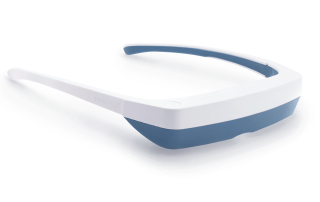
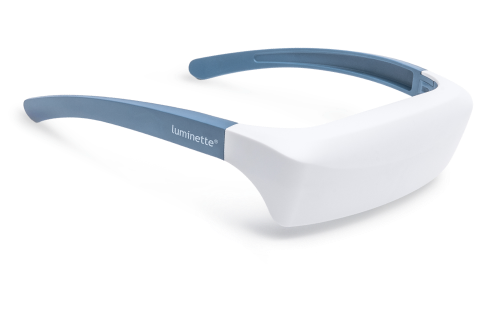
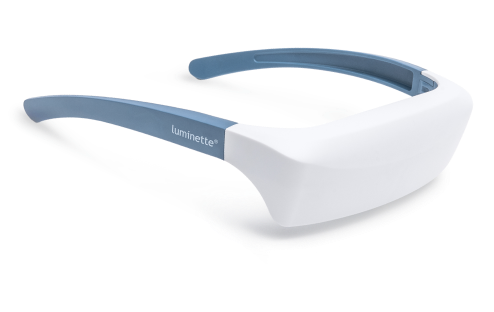
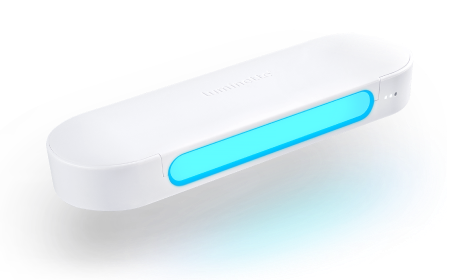
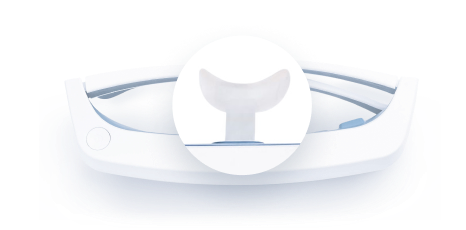
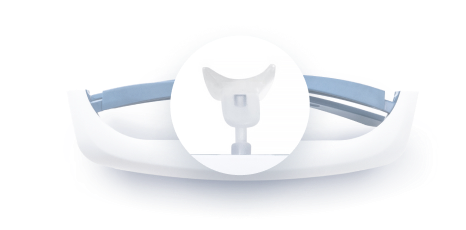
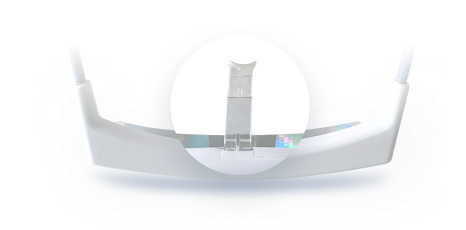
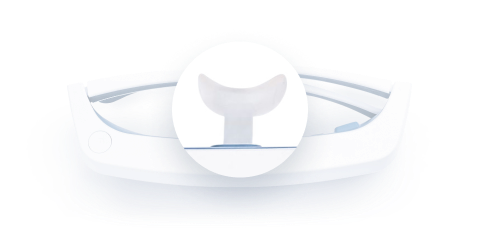
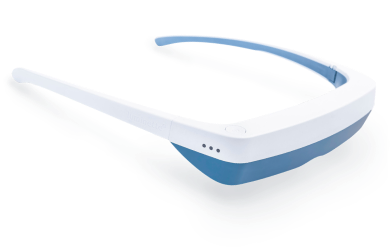
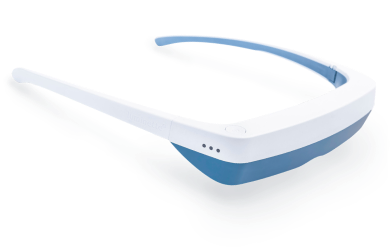
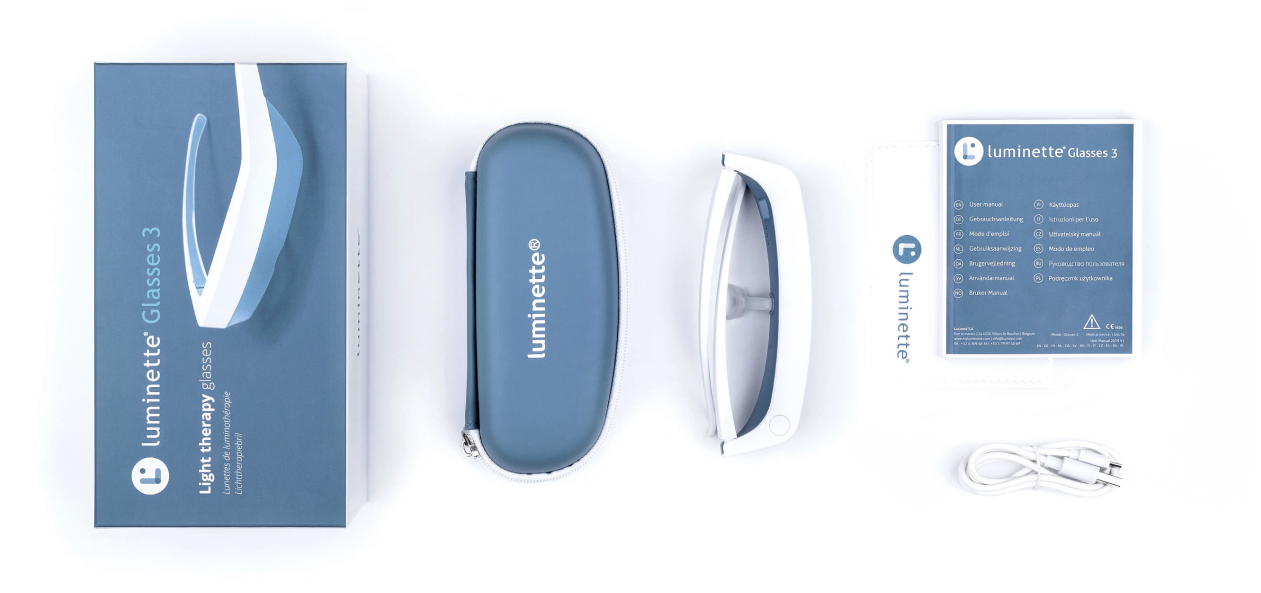
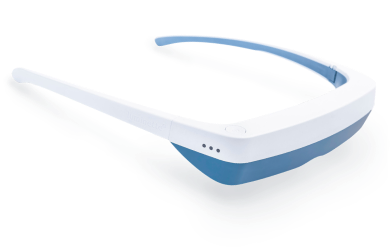
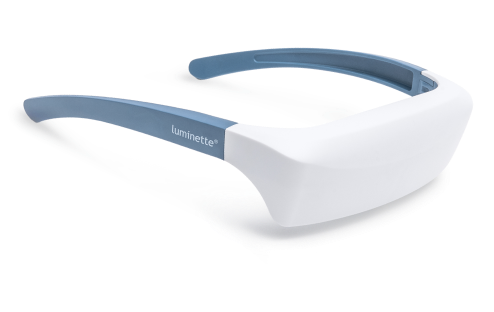
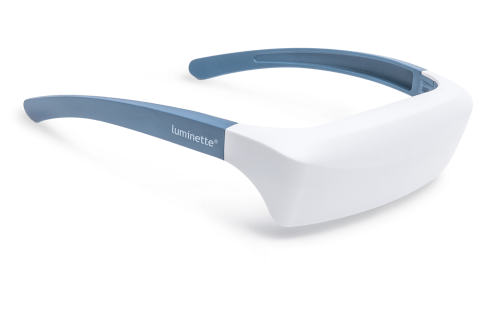
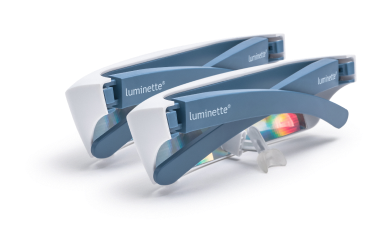
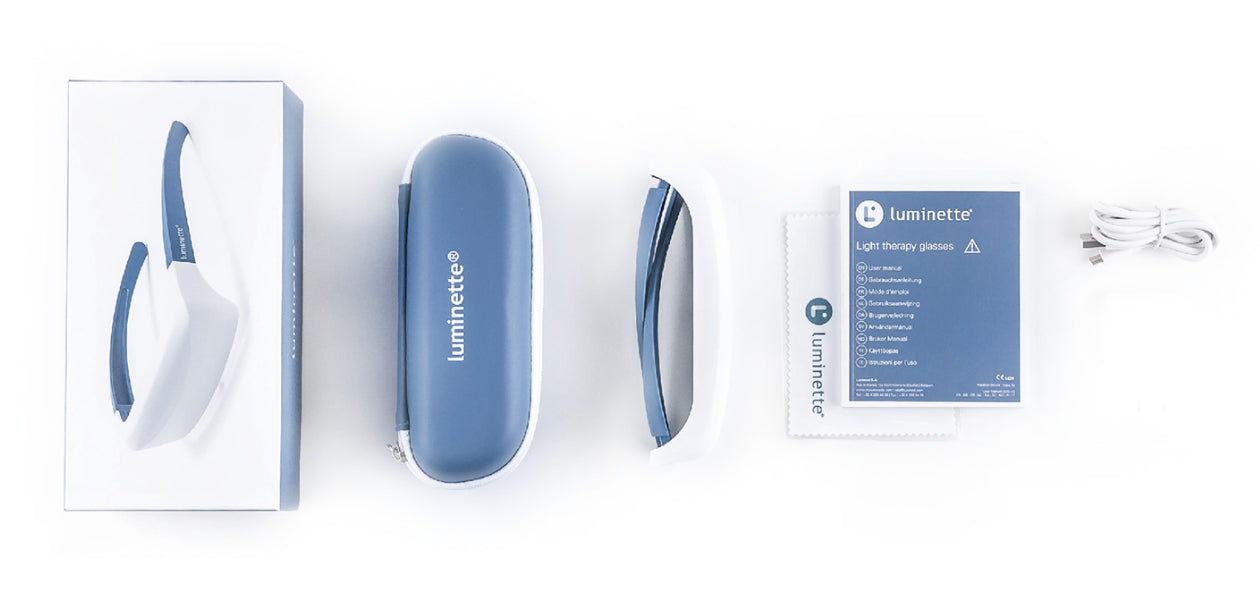
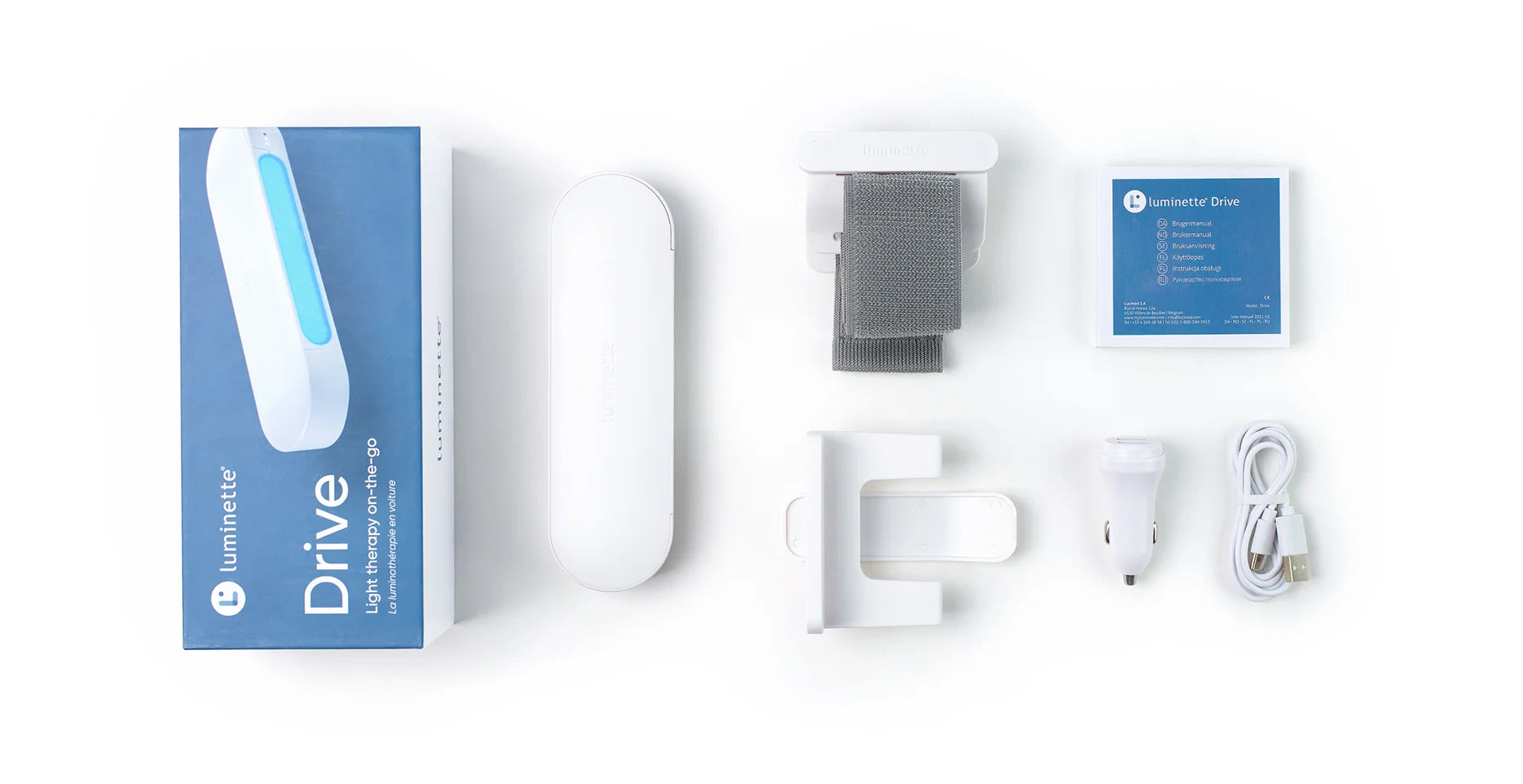
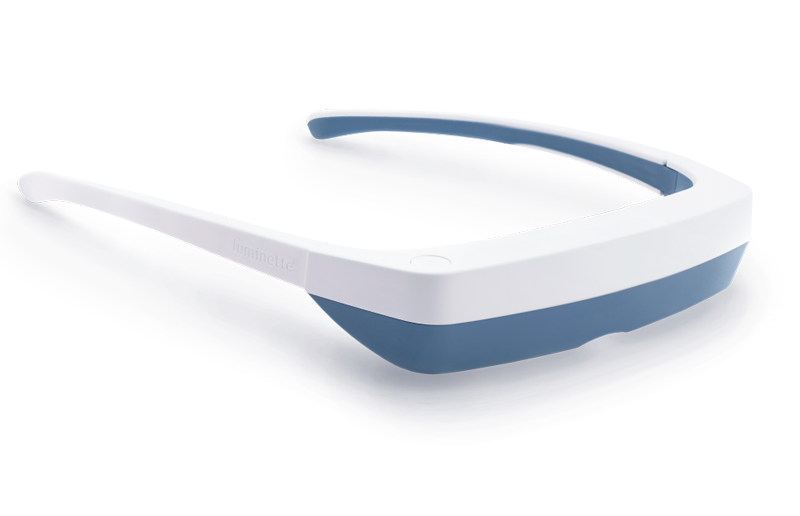
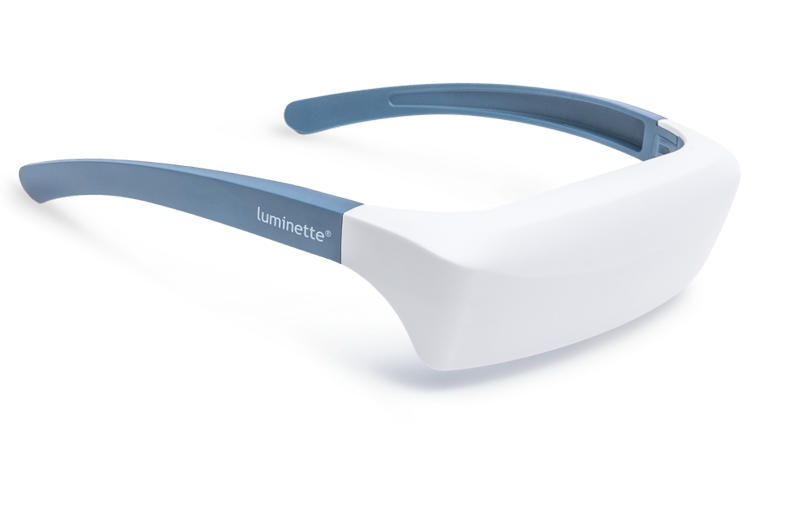
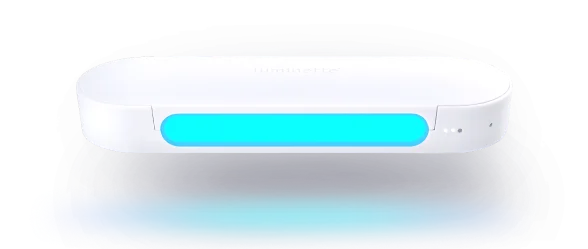
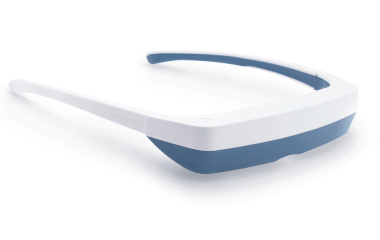
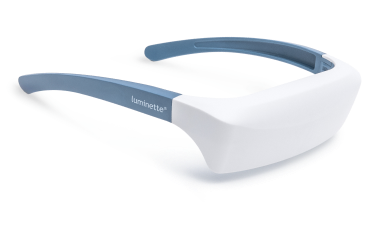
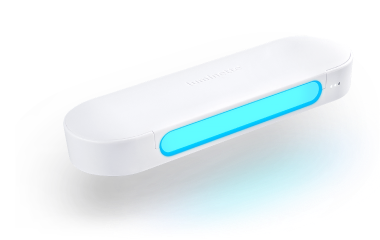
The Luminette light therapy glasses are designed specifically for this use. Rather than requiring you to sit in front of a stationary lamp, Luminette delivers clinically effective light therapy while you move through your morning routine - eating, exercising, getting ready. The portability matters because compliance matters: a therapy that's inconvenient gets skipped.
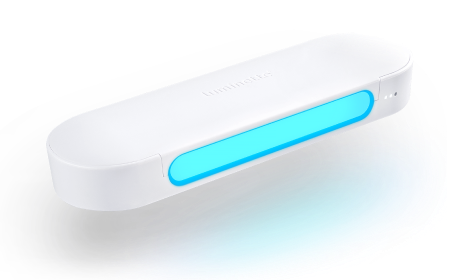
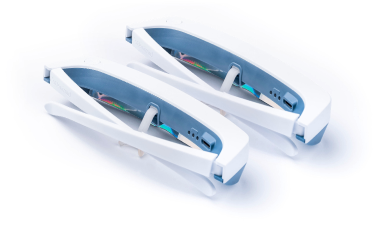
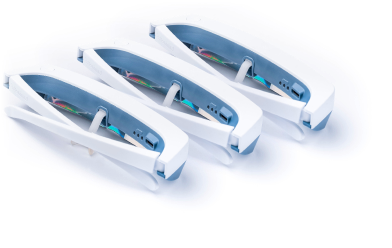
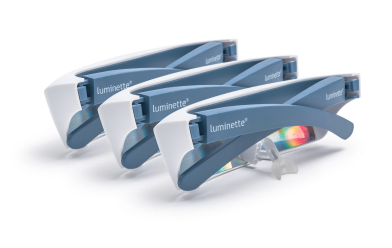
The Luminette 3 is the current flagship model, with three adjustable intensity levels to suit different sensitivity levels and use cases. For those looking for a more accessible entry point, the Luminette 2 provides the same core light therapy function at a different price point. Both deliver light at the wavelength and intensity required for circadian entrainment.
A consistent 20–30 minute morning session is the standard recommendation for most circadian applications.
Melatonin
Melatonin is not primarily a sleep drug - it's a circadian signal. Taken at the right time, it can shift the clock in the desired direction. Consult a healthcare professional for personalized guidance on timing and dosage.
For DSPD: Low-dose melatonin (0.5–1 mg) taken 5–6 hours before desired sleep onset can gradually advance the clock. This is most effective when combined with morning light therapy.
For shift work: Low-dose melatonin before daytime sleep can help the body treat daytime as nighttime, improving sleep quality for night workers.
Important: The dose and timing of melatonin for circadian disorders are very different from using it as a general sleep aid. Too much, taken at the wrong time, can worsen misalignment. Working with a sleep specialist or physician is advisable for anything beyond short-term use.
Chronotherapy
Chronotherapy involves progressively shifting sleep timing in the desired direction - either advancing or delaying - by moving bedtime and wake time by 15–30 minutes every few days until the target schedule is reached.
For severe DSPD, a more aggressive approach involves progressively delaying sleep by 2–3 hours every day until the target time is reached - effectively going "around the clock." This requires a controlled environment and professional supervision.
Sleep Hygiene Adjustments Specific to Circadian Disruptions
Standard sleep hygiene advice (consistent schedule, dark room, no screens) is necessary but not sufficient for circadian disruptions. Additional measures that matter specifically for circadian function:
Control evening light aggressively. Dim overhead lights after 8 p.m. Use blue-light-blocking glasses if screen use is unavoidable. The goal is to stop signaling "daytime" to your circadian system in the hours before bed.
Maximize morning light. Open curtains immediately on waking. Step outside if possible. If it's dark or winter, use a light therapy device. The morning light signal is the most powerful tool available for advancing the circadian clock.
Keep your schedule consistent on weekends. Social jet lag - going to bed and waking significantly later on weekends - undoes weekday progress and is one of the most common reasons circadian-directed efforts fail.
Anchor your mealtimes. Food timing is a secondary circadian cue. Eating at consistent, appropriate times reinforces the sleep-wake signal.
Cognitive Behavioral Therapy for Insomnia (CBT-I)
CBT-I is the gold standard treatment for insomnia and has applications for circadian disruptions where learned sleep anxiety has developed alongside the biological misalignment. A sleep psychologist can help disentangle what's circadian from what's behavioral.
Prescription Treatments
For severe or persistent circadian rhythm disruptions, prescription treatments may be available and appropriate. In certain cases - particularly those that do not respond to behavioral or light-based interventions - a sleep specialist or healthcare provider may recommend medication to help regulate the sleep-wake cycle.
If you believe your symptoms may require medical treatment, speak with your doctor or a qualified sleep specialist. They can evaluate your specific situation and advise on whether a prescription approach is suitable for you.

How to Cure Circadian Rhythm Sleep Disruption: Realistic Expectations
"Cure" is a strong word for most circadian rhythm disorders. A few important distinctions:
Jet lag disruption resolves completely on its own, faster with intervention.
Shift work disruption persists as long as shift work continues. It can be managed but not eliminated without a schedule change.
DSPD and ASPD can often be significantly improved - sometimes to the point of near-normal function - with consistent light therapy, melatonin, and schedule discipline. However, many people have an underlying genetic chronotype that will always tend in a particular direction. Maintenance therapy is often needed.
Irregular sleep-wake rhythm in neurological conditions is the most challenging and usually requires a multi-pronged approach with medical supervision.
Realistic outcomes for most people with DSPD or shift work disorder who consistently apply light therapy and melatonin: meaningful improvement in sleep timing within 2–4 weeks, significant quality of life improvement within 1–3 months.
Circadian Rhythm Sleep Disruption and Shift Work: A Closer Look
Shift work affects a substantial portion of the working population - healthcare, manufacturing, emergency services, hospitality, transport. And circadian rhythm sleep disruption shift work type is consistently one of the most underdiagnosed occupational health issues.
The problem isn't just fatigue. Chronic circadian misalignment from shift work is associated with:
Increased risk of metabolic syndrome and type 2 diabetes
Higher rates of cardiovascular disease
Elevated cancer risk (particularly breast and colorectal)
Impaired immune function
Depression and anxiety
Increased accident and error rates on the job
These aren't minor inconveniences. They're serious long-term health consequences of living out of sync with your biology for years.
For shift workers, the practical interventions are:
During the night shift: Bright light exposure in the first half of the shift maintains alertness and helps the body partially adapt to nighttime wakefulness.
After the night shift: Light-blocking glasses on the commute home prevent morning sunlight from resetting the clock and disrupting daytime sleep.
Before daytime sleep: A cool, dark room and low-dose melatonin help the body treat daytime as biological nighttime.
On days off: The question of whether to maintain the night schedule or revert to a day schedule is genuinely difficult. Maintaining it is better for circadian consistency but socially isolating. A gradual transition with strategic light exposure is usually the most practical compromise.
Quick Reference: Circadian Rhythm Disruption by Type
Type |
Core Feature |
First-Line Treatment |
DSPD |
Sleep onset too late |
Morning light therapy + low-dose melatonin |
ASPD |
Sleep onset too early |
Evening light therapy |
Shift work type |
Schedule conflicts with biology |
Strategic light/darkness management |
Jet lag |
Travel-induced misalignment |
Morning light + melatonin at destination bedtime |
Non-24-hour |
Clock drifts without anchoring |
Prescription treatment (blind); light therapy (sighted) |
Irregular sleep-wake |
Fragmented, no clear cycle |
Structured light exposure + melatonin |
The treatments listed above are for general informational purposes only and do not constitute medical advice. Individual needs may vary. Always consult your doctor or a qualified sleep specialist before starting, changing, or stopping any treatment.
Bottom Line
Circadian rhythm sleep disruptions are real, common, and frequently misunderstood - by sufferers and clinicians alike. They're not insomnia. They're not laziness. They're a misalignment between an internal biological clock and the external world.
The most powerful tool for correcting that misalignment is light - specifically, bright light delivered at the right time, consistently, over weeks. Morning light therapy for delayed types, evening light for advanced types, strategic light management for shift workers.
Wearable solutions like Luminette make that daily light exposure practical enough to actually maintain - which is ultimately what determines whether any treatment works. Consistency over weeks and months is what shifts a circadian clock. A therapy that's too inconvenient to sustain doesn't help anyone.
If your sleep timing has felt off for a long time and nothing you've tried has worked, the answer may not be better sleep hygiene. It may be that your clock needs a different kind of signal - and light therapy is the closest thing available to giving it one.
FAQ
A circadian rhythm sleep disorder occurs when a person's internal biological clock is misaligned with their required sleep schedule or the external light-dark environment. The clock itself functions normally - it's simply set to the wrong time, causing difficulty sleeping or staying awake at socially required hours.
The most recognizable symptoms are difficulty falling asleep at a normal time, inability to wake at required times, excessive sleepiness at specific parts of the day, and feeling alert at hours when sleep is expected. Many people also experience cognitive impairment, mood disturbances, and digestive issues caused by the ongoing biological desynchronization.
The main causes include insufficient morning light exposure, excessive artificial light in the evening (particularly blue light from screens), genetic chronotype differences, shift work schedules that conflict with biological night, age-related clock changes, and neurological conditions. Shift work disruption is specifically caused by chronic conflict between work hours and the body's natural sleep-wake timing.
Light therapy works by delivering a timed light signal to the retina that resets the brain's master clock - the suprachiasmatic nucleus. Morning light shifts the clock earlier; evening light shifts it later. Used consistently at the right time, bright light therapy can gradually realign circadian timing without medication. It's the first-line treatment for delayed sleep phase disorder and shift work disruption.
Results vary by subtype and consistency of treatment. Most people with DSPD or mild shift work disorder notice meaningful improvement in sleep timing within 2–4 weeks of daily light therapy and melatonin use. Significant quality of life improvement typically takes 1–3 months. Some people with genetic chronotype tendencies require ongoing maintenance to sustain progress.
Shift work disorder can be significantly managed without a schedule change. Strategic bright light exposure during the first half of night shifts, light avoidance after shifts, and low-dose melatonin before daytime sleep can partially compensate for the biological misalignment. Complete normalization isn't possible while shift work continues, but symptom burden can be substantially reduced.
They work best together. Light therapy is the more powerful circadian signal and should be the foundation of any treatment plan. Melatonin, taken at low doses at the right time, complements light therapy by reinforcing the desired clock direction. Melatonin alone without attention to light exposure typically produces limited results for established circadian disruptions.


