

























Sleep Hygiene: How to Actually Improve Your Sleep, Energy, and Daily Rhythm
Sleep

How to Actually Improve Your Sleep
Sleep advice tends to cluster around the same short list: go to bed earlier, cut caffeine after noon, put your phone down, keep your room cool and dark. All of it is correct. Most of it is ignored, not because people are lazy, but because knowing what helps and actually changing ingrained habits are two different challenges.
Sleep hygiene isn't really about rules. It's about understanding why your body sleeps well or badly, and then working with that biology rather than against it. When you understand the mechanism, the habits start making more sense - and they're easier to stick to because you can see why they're working.
Your Body Clock Is Running the Show
The foundation of good sleep hygiene isn't what you do at bedtime. It's what happens in the sixteen hours before you go to sleep.
Your circadian rhythm - the internal clock that governs sleep and wake cycles - is set primarily by light. Morning light signals to your brain that the day has begun, triggering cortisol release, suppressing residual melatonin, and starting the countdown toward evening sleepiness. Without a clear morning light signal, that entire cascade gets fuzzy. The timing of sleepiness shifts later. Waking up feels harder. Daytime energy becomes inconsistent.
This is why people who spend most of their day indoors - which is most people in modern working environments - often feel like their rhythm is slightly off even when they're technically sleeping enough hours. Indoor lighting, even in a bright office, typically delivers 200–500 lux. Outdoor morning light delivers 10,000 lux or more. The body clock was calibrated for the outdoor version, and it notices the difference.
The practical implication is that improving sleep often starts with the morning, not the evening.
Morning Light - Why It's the Lever Most People Miss
Getting outside within an hour of waking is one of the highest-impact habits for circadian health. Even on an overcast day, outdoor light is dramatically brighter than indoor light and provides enough signal to set the body clock properly. The effect compounds over time: consistent morning light exposure makes it progressively easier to fall asleep at a consistent hour, because the body knows when the day started.
The obstacle is that this advice is easy to understand and hard to execute. Many people's mornings involve getting ready, commuting, handling children, or sitting in front of a screen - not standing outside. In winter at northern latitudes, it's dark when they wake up anyway.
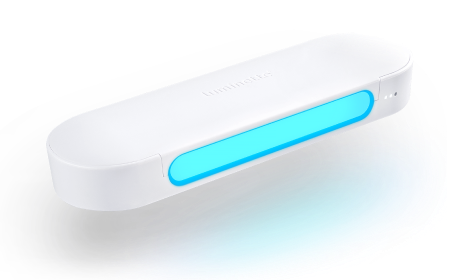
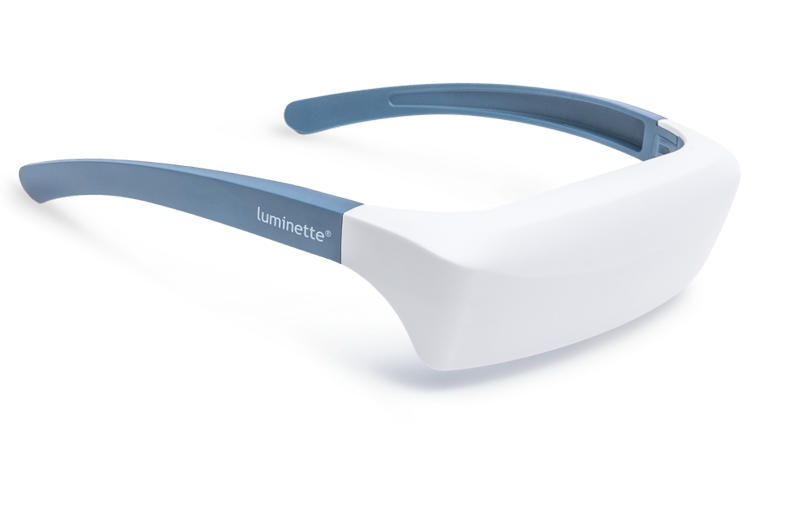
This is where bright light therapy fills a genuine gap. A clinical-grade bright light therapy device delivers 10,000 lux of blue-enriched, UV-filtered light to the retina - the same signal the body clock is looking for, produced artificially when sunlight isn't available or accessible. The research on this is solid: consistent morning light exposure, whether natural or from a therapeutic device, supports more stable sleep timing, easier morning waking, and better daytime energy.
The format matters, though. Stationary bright light lamps require you to sit within a foot or two of the device for 20–30 minutes. That's workable if your mornings include a long, seated breakfast or desk routine. For most people it isn't - which is why lamps often get used inconsistently, which is also why the results are inconsistent.
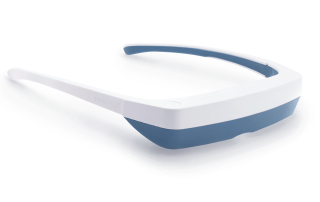
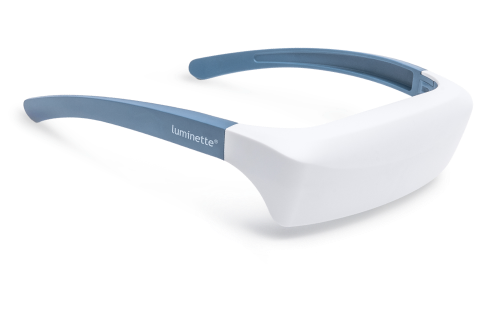
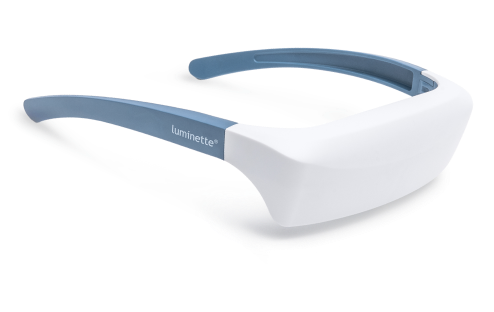
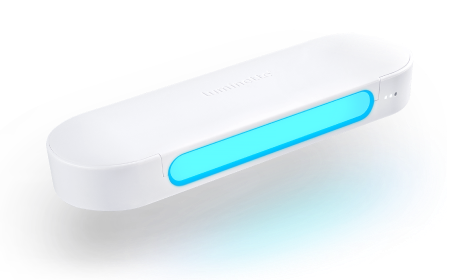
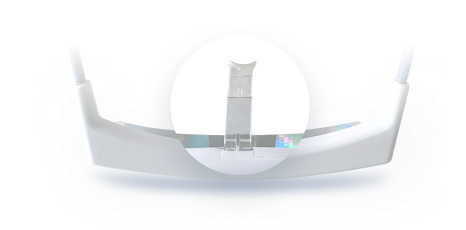
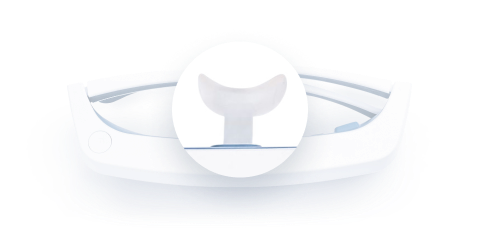
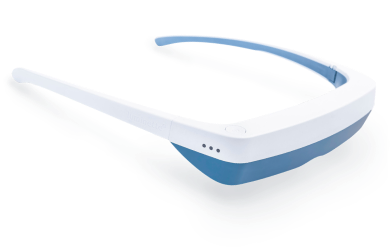
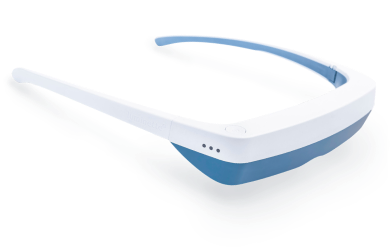
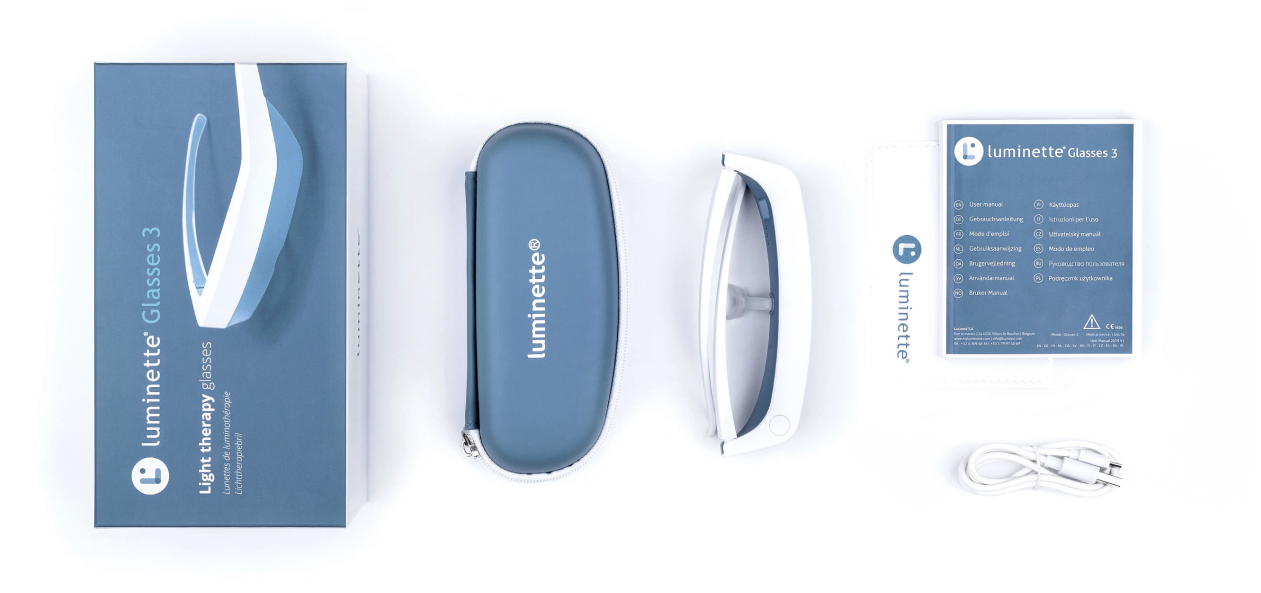
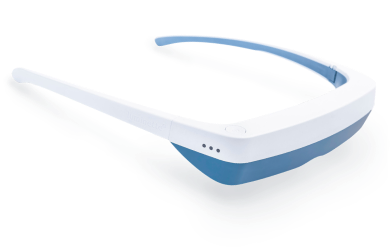
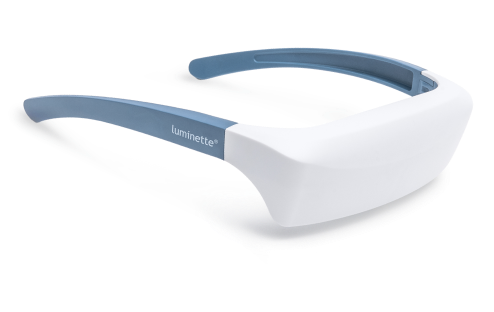
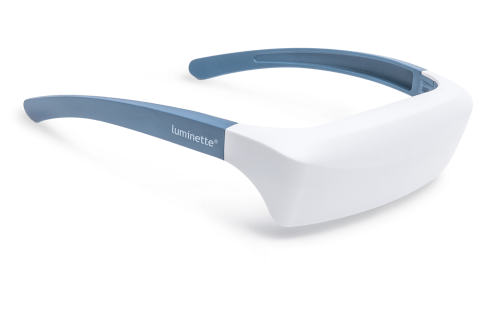
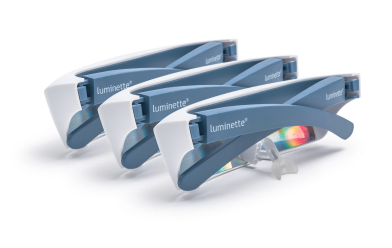
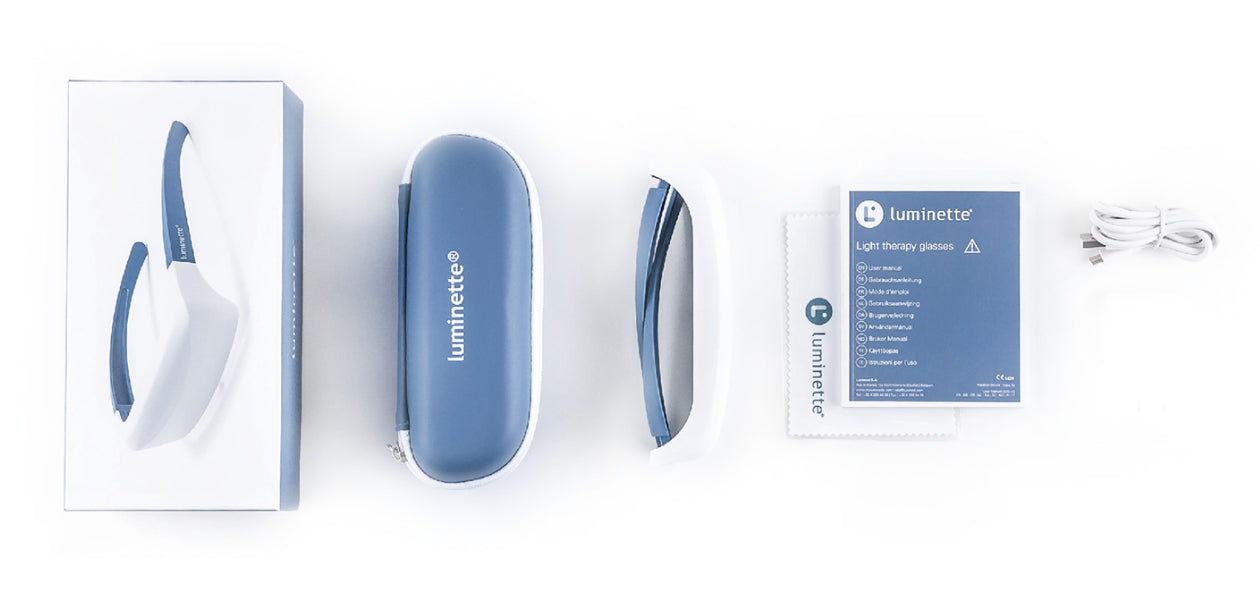
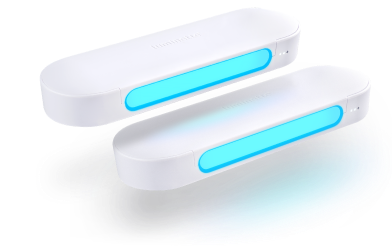
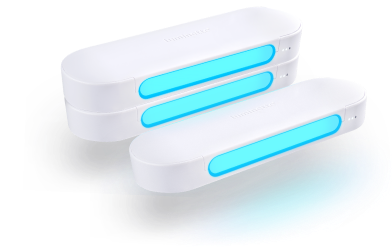
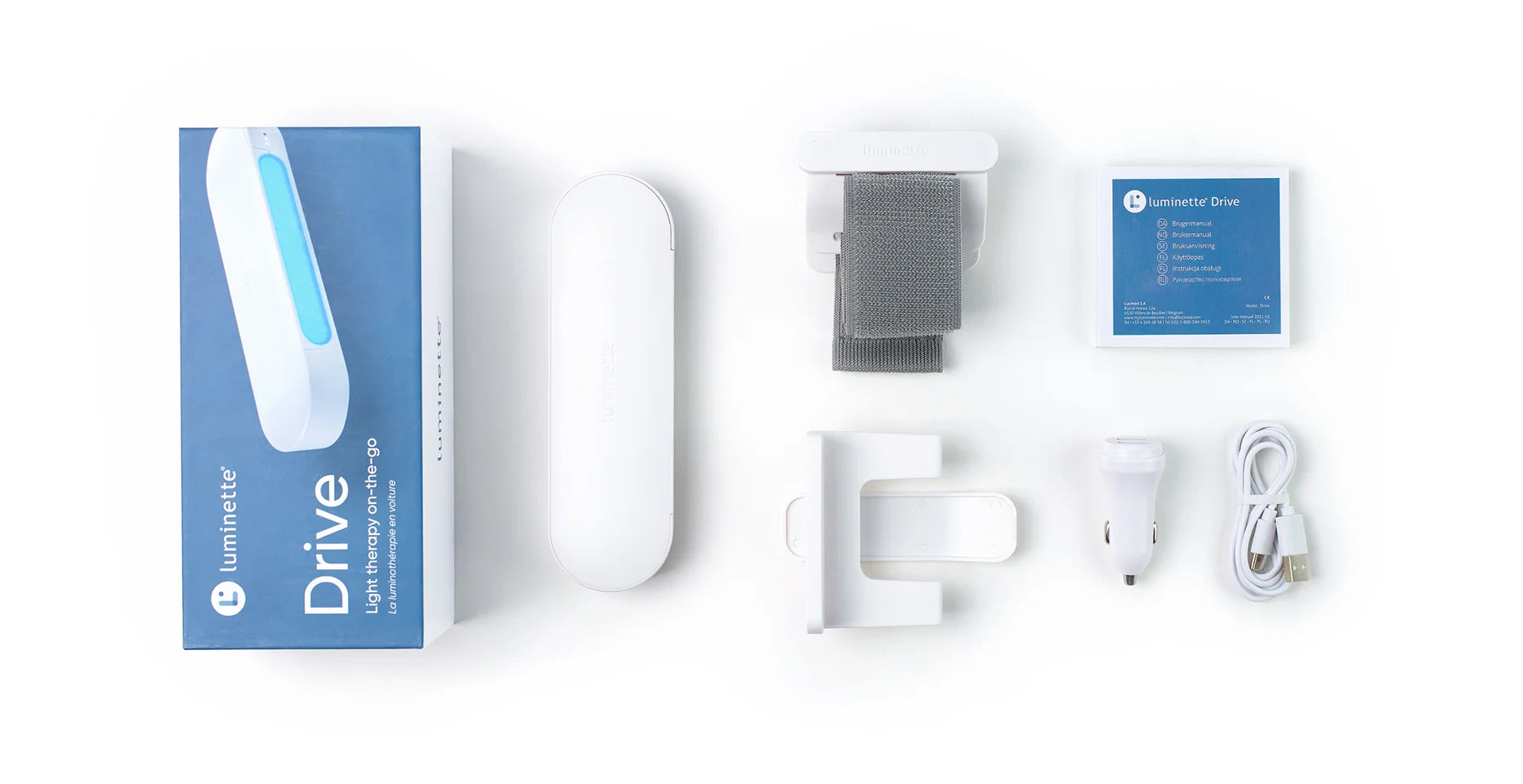
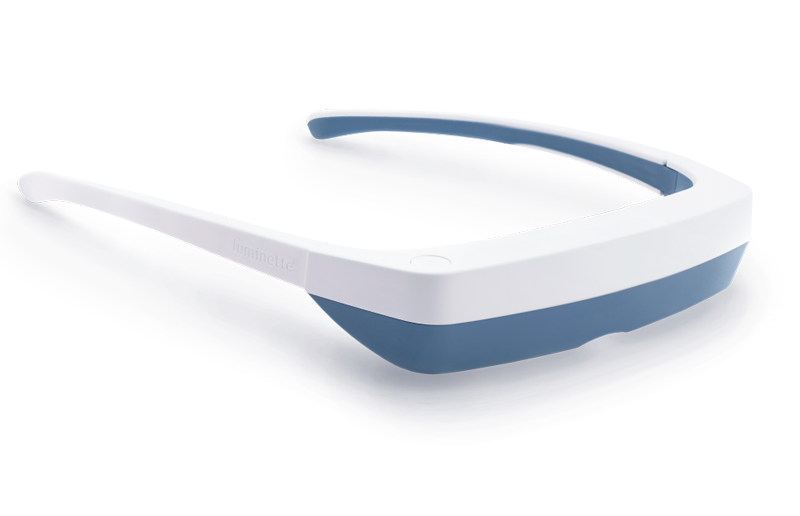
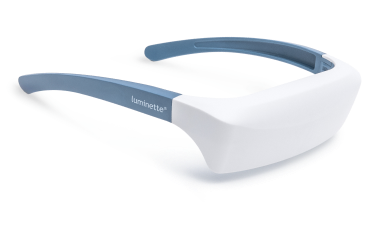
Luminette built their product line around this exact problem. Their light therapy glasses deliver the required therapeutic intensity at eye level while you move through your morning normally - making coffee, getting dressed, doing a school run, whatever the morning actually involves. The session happens in the background. You don't reorganize your morning around the device; the device fits into whatever your morning already is.

Why You Keep Waking Up at Night
Night waking is one of the most common sleep complaints, and it usually points to one of a few things.
Circadian misalignment. If your body clock is running late relative to when you're trying to sleep, you may fall asleep fine but experience lighter, more fragmented sleep in the early morning hours when your clock thinks the day should be starting. This is particularly common in people who are natural night owls or who have drifted into late schedules. Consistent morning light is the primary intervention.
Sleep pressure issues. Sleep pressure - the biological drive toward sleep that accumulates during waking hours - is partly a function of adenosine buildup. Napping too late in the day, or sleeping in significantly on weekends, can reduce sleep pressure enough that nighttime sleep becomes lighter and more interrupted.
Environmental factors. Temperature, noise, and light all affect sleep architecture. The body naturally cools during sleep, and a room that's too warm can cause more frequent partial waking. Even small amounts of light - a streetlight through curtains, a charging indicator on a device - can affect sleep quality in some people.
Late caffeine. Caffeine has a half-life of roughly five to six hours, meaning that a coffee at 3pm still has half its caffeine in your system at 8 or 9pm. People vary considerably in how quickly they metabolize caffeine, so this affects some people far more than others. If you're a slower metabolizer and you're waking in the middle of the night, caffeine timing is worth examining.
Building an Evening Routine That Actually Works
The purpose of an evening routine isn't to perform relaxation. It's to gradually reduce the stimulation that keeps your nervous system activated, so sleep comes when you lie down rather than 45 minutes later.
Light management in the evening is the most important piece. Bright light in the two to three hours before bed - especially overhead light and screen light - suppresses melatonin and delays sleep onset. Switching to dimmer, warmer lighting after dinner makes a concrete difference for most people. Some people use blue-light filtering glasses in the evening, which reduces the circadian-disrupting effects of screens without eliminating them.
Consistency in timing matters more than the specific time. Going to bed at midnight and waking at 8am every day is better for your circadian health than going to bed at 10pm on weekdays and 2am on weekends. The body clock adapts to the schedule you actually keep, not the one you intend to keep.
Slow breathing genuinely helps. The physiological sigh - a double inhale through the nose followed by a long exhale - is one of the fastest ways to activate the parasympathetic nervous system and reduce the low-level arousal that makes it hard to fall asleep. It's not complicated and it works. A few minutes of slow, extended exhale breathing while lying down is enough for most people to feel the shift.
Revenge bedtime procrastination is worth naming explicitly. This is the habit of staying up late not because you're not tired, but to reclaim personal time after a day that didn't leave room for it. It's extremely common among parents, people with long work hours, and anyone whose days feel fully occupied by other people's needs. The solution isn't just telling yourself to go to bed - it requires actually creating some personal time earlier in the day so the late-night reclamation doesn't feel necessary.
Resetting a Disrupted Sleep Schedule
If your schedule has drifted - staying up later and later, waking later, struggling to pull it back - resetting it gradually is more sustainable than a sudden forced change.
The general approach: decide on your target wake time and stick to it every day, including weekends, regardless of when you fell asleep. Don't nap. Get bright light as soon as possible after waking. The combination of consistent wake time and morning light exposure will gradually shift your sleep onset earlier without requiring you to force an earlier bedtime - the sleepiness will start arriving earlier on its own as the body clock adjusts.
This process takes one to two weeks to produce a noticeable shift. The temptation to sleep in on days when you slept poorly is the main obstacle - doing so resets the process and is why people feel like they can never get ahead of a disrupted schedule.
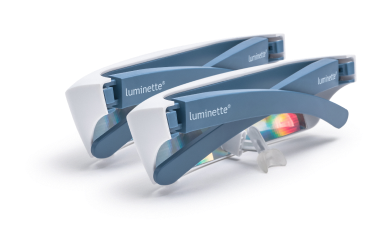
For people who've struggled with this for a long time, or who are dealing with a significant circadian shift (night owls wanting to become morning people, for example), consistent morning light therapy can accelerate the process. Luminette's light therapy glasses are worth considering here specifically because the format makes daily use realistic - you're not adding a 20-minute seated session to an already difficult morning, you're putting on glasses while doing what you'd do anyway.

The Scandinavian sleep method - using separate duvets for couples - has gotten a lot of attention recently. The underlying logic is sound: body temperature differences between partners cause frequent disruption when sharing a single blanket. Separate duvets reduce that friction. It's a simple environmental change that genuinely helps a lot of couples.
Sleeping on the floor occasionally interests people for various reasons, usually related to back support. The evidence here is limited and highly individual. Some people find it helpful; others find it simply uncomfortable. There's no universal benefit.
Sleeping without clothing reduces the risk of body temperature rising too high during the night, which can disrupt sleep architecture. Whether this is worth it depends on room temperature and individual preference - the temperature management is what matters, not the specific method.
These trends are worth knowing about, but none of them substitute for the foundational work: consistent schedule, morning light, controlled evening light, and a room that's dark and cool.
Let’s discuss this in more detail in this blog and understand scientifically backed strategies for helping you wake up refreshed and rested.
FAQ
It's the collection of habits that shape your sleep quality - your schedule, your light environment, how you manage stimulation in the evenings, and how consistent your routine is. It's not about following a strict protocol; it's about understanding that your body clock is real and responds to real inputs, and giving it consistent, appropriate signals.
Usually one of a few things: circadian misalignment (your body clock thinks the day is starting earlier than you want to wake up), insufficient sleep pressure, a room that's too warm or too light, or late caffeine. Identifying which applies to you is easier if you track your sleep patterns for a week and look for patterns in timing and conditions.
Fix your wake time first - pick a time and stick to it every day regardless of how the night went. Add morning bright light exposure immediately after waking, either outdoors or with a bright light therapy device. Avoid napping. The sleep onset time will gradually move earlier without forcing it.
Yes - specifically through circadian mechanisms. Morning bright light therapy doesn't make you sleepy; it sets the body clock earlier, which means sleepiness arrives at an earlier hour in the evening. For people whose sleep timing has drifted later, or who feel unrested despite adequate hours, the circadian reset is often what was missing. Luminette makes devices designed specifically for this - effective enough for clinical use, practical enough for daily life.
Consistent wake time, combined with morning light exposure. Every other intervention is secondary. If those two things are stable, the rest of the system tends to follow.


