













Full Spectrum Lamp: What It Actually Is, What It Does, and What to Buy

Walk into any lighting store or scroll through any retailer and you'll find bulbs and lamps labeled "full spectrum," "daylight," "natural light," and "light therapy lamp" sitting next to each other as if they're interchangeable. They're not.
The differences matter - especially if you're buying a lamp for health reasons: mood, sleep, energy, or seasonal mood swings. The wrong type of lamp won't hurt you, but it won't help you either. And given the price of some of these products, that's worth understanding before you spend anything.
This guide breaks down what full spectrum actually means, what different lamp formats do, who each type is for, and where light therapy fits into the picture.
A restful night’s sleep hinges on the interplay between genetics, sleep hygiene, and personalised morning routines. While you don’t have control over genetics, you can do a lot to get the other two factors right.
Understanding the science of sleep and effective morning habits is vital if you find mornings challenging and want to wake up with all cylinders firing.
What Does "Full Spectrum" Actually Mean?
The term "full spectrum" refers to light that covers the complete range of wavelengths visible to the human eye - from the long wavelengths we perceive as red, through orange, yellow, green, and blue, to the shorter wavelengths at the violet end of the spectrum. Natural sunlight is the benchmark: it contains all of these wavelengths in roughly balanced proportions.
A full spectrum light lamp attempts to replicate this balance. The goal is light that renders colors accurately, feels natural to the eye, and - in the case of health-focused products - delivers the wavelengths the human body actually responds to biologically.
This is different from what most "daylight" bulbs do. Daylight bulbs are often just cool-white bulbs with a high color temperature (around 5000–6500K). They look bright and slightly blue-white, which we associate with daylight, but they don't necessarily cover the full wavelength range of sunlight. Many sacrifice color accuracy for efficiency and brightness.
One way to measure this difference is the Color Rendering Index (CRI) - a scale from 0 to 100 that measures how accurately a light source renders the colors of objects compared to natural light. Standard "daylight" bulbs often score around 80. Quality full spectrum lamps typically score 95–98. Natural sunlight scores 100.
A CRI gap of 15–20 points sounds technical, but you notice it in practice: colors look slightly off, spaces feel either harsh or flat, and the light doesn't feel quite right even when it's bright enough.
Full Spectrum vs. UV Lamp: An Important Distinction
A point of consistent confusion: full spectrum lamps and UV lamps are not the same thing, and the distinction has real health implications.
Most consumer full spectrum lamps - including those sold for light therapy - filter out ultraviolet radiation. They deliver visible light across the full wavelength range but deliberately exclude UV. This makes them safe for prolonged daily use near the face.
A UV lamp, by contrast, intentionally emits ultraviolet light. UV-A and UV-B lamps are used in specific applications: tanning, phototherapy for skin conditions (psoriasis, eczema), sterilization, and - in medical settings - vitamin D synthesis. These are not the same as light therapy lamps and should not be used as substitutes.
If you're looking for full spectrum UV lamp suppliers, it's worth being clear about what you actually need. For general lighting and mood/sleep benefits, a UV-filtered full spectrum lamp is what you want. For medical phototherapy or vitamin D treatment, you need a specific UV device prescribed or recommended by a dermatologist.
There are several biological, environmental, and psychological factors at play when you transition from sleep to wakefulness. One of the less-talked-about phenomena that might make this transition difficult for you is sleep inertia.
Types of Full Spectrum Lamps: What's Available and What Each Does
Full Spectrum Desk Lamp
The most common format for work and home use. A full spectrum desk lamp sits on your work surface and provides task lighting with better color rendering and a more natural feel than standard office lighting.
The practical benefits are real, though modest: less eye strain during extended work, better color accuracy for design and art tasks, and a more comfortable visual environment in spaces with poor natural light. Some people notice mood and alertness improvements when switching from cool fluorescent office lighting to a full spectrum alternative.
Worth noting: a desk lamp format delivers light at relatively low intensity - typically 500–2500 lux at working distance. This is fine for lighting purposes but falls short of what's needed for clinically effective light therapy (10,000 lux). A desk lamp labelled "full spectrum" is not automatically a light therapy lamp.
Full Spectrum Floor Lamp
A full spectrum floor lamp serves the same purpose as the desk version but illuminates a larger area from standing height. Useful for living rooms, reading corners, or any space where ambient full spectrum light is wanted across a larger area. The same ceiling on lux output applies - better than standard bulbs for comfort and color rendering, but not a substitute for a dedicated light therapy device.
Full Spectrum LED Lamp
LED technology has changed what's possible in full spectrum lighting. Early LED bulbs had notorious gaps in their spectral output - particularly in the red and green wavelengths - which gave them a slightly cold, unnatural quality despite their efficiency.
Modern full spectrum LED lamps use phosphor coatings and multi-chip designs to fill in those spectral gaps and achieve CRI scores above 95. They combine the efficiency and longevity advantages of LED with the spectral quality previously only achievable with fluorescent or incandescent sources.
For most everyday lighting purposes - offices, homes, studios - a high-CRI full spectrum LED is the current best option. They run cooler, last longer, and use significantly less energy than fluorescent alternatives.
Full Spectrum Grow Lamp
A full spectrum grow lamp is designed for plant cultivation rather than human use. Plants need specific wavelengths for photosynthesis - primarily in the blue range (400–500nm) for vegetative growth and the red range (600–700nm) for flowering. A grow lamp optimized for plants concentrates output in these bands.
Some grow lamps market themselves as "full spectrum" to indicate they cover both blue and red ranges (versus single-spectrum lamps that only do one). This is accurate in the context of plant lighting, but the spectral profile is very different from a full spectrum lamp designed for human health or general illumination.
Do not use a grow lamp as a light therapy device. The wavelength distribution is wrong for circadian effects, and some grow lamps produce UV output unsuitable for close human exposure.
So, how do you feel rested by reinforcing this natural cycle?
Try to get sunlight exposure for at least 30 minutes daily, preferably in the morning after you wake up. It will help your body regulate the levels of the sleep hormone melatonin, making it easier for you to fall and stay asleep and wake up with energy.
Light therapy is a perfect alternative for those who can’t get enough natural sunlight. It is a great way to mimic sunlight exposure to regulate your melatonin and align your day-night cycle.
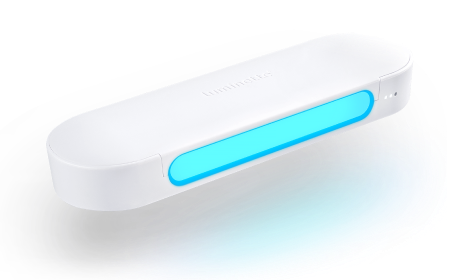
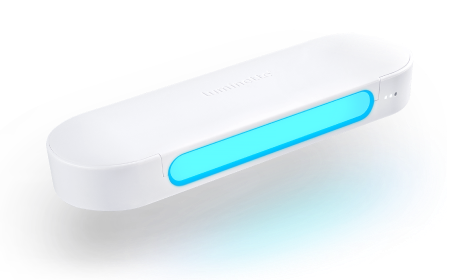
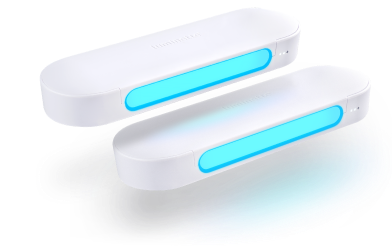
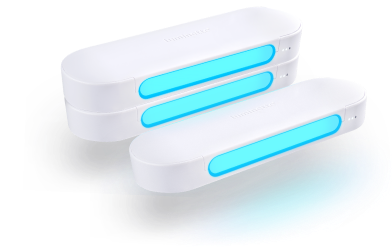
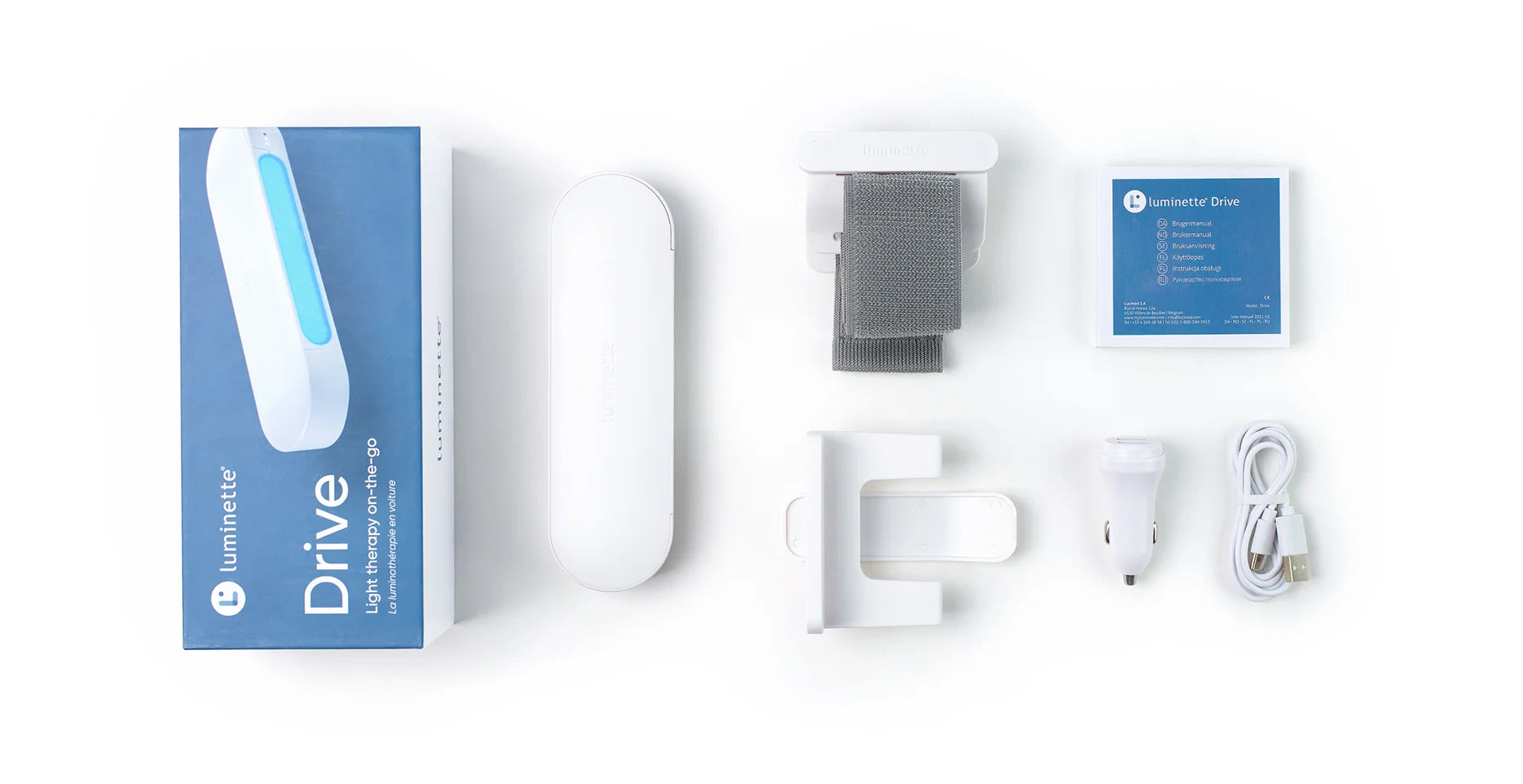
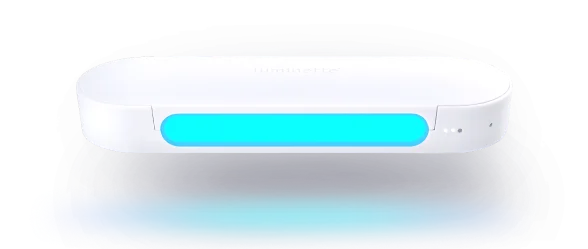
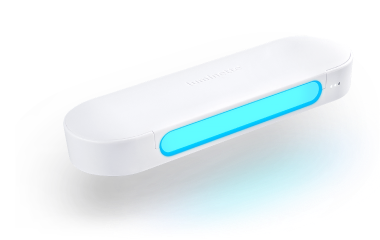
When you use systems like light therapy Lamp Drive from Luminette, it signals the brain to wake up, reinforcing a regular sleep-wake cycle.
Light therapy can be especially useful if you live in an area with scarce natural morning light or if your work schedule makes it impossible to enjoy natural light.
Using light therapy systems daily can significantly improve your sleep, helping you wake up more fresh and energized.
Full Spectrum Light Therapy Lamp: The Health Use Case
This is where the distinction between general full spectrum lighting and dedicated light therapy becomes important.
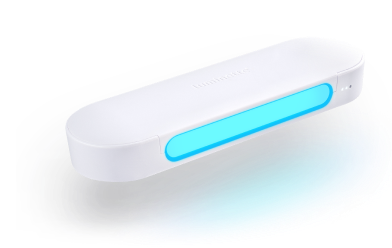
A full spectrum light therapy lamp is specifically designed to deliver a measured dose of bright, UV-filtered light at therapeutic intensity - typically 10,000 lux at a specified distance. This is the category that has genuine clinical evidence behind it, particularly for:
Seasonal Mood Swings. Mood swings are the clearest use case for light therapy. The reduced daylight of autumn and winter disrupts melatonin and serotonin production, shifting circadian timing and lowering mood. Bright light therapy - used for 20–30 minutes each morning - is considered a first-line treatment for seasonal mood swings..
Non-seasonal blues. Growing evidence supports light therapy as a useful adjunct for non-seasonal blues, particularly when combined with other treatments.
Circadian rhythm disruptions. Delayed sleep phase disruption, shift work sleep disruption, and jet lag all involve misalignment of the internal clock. Morning bright light therapy is one of the primary tools for resetting circadian timing.
Sleep quality. Regular morning light exposure helps anchor the circadian rhythm, which in turn regulates melatonin onset in the evening and overall sleep quality. This is relevant not just for diagnosed sleep problems but for anyone who sleeps poorly or feels groggy in the mornings.
Energy and alertness Light therapy in the morning increases cortisol (the wake-up hormone) and suppresses residual melatonin, producing measurably improved alertness and energy levels for several hours after the session.

The Problem with Standard Light Therapy Lamps
Traditional light therapy boxes work - but they have a compliance problem.
To get the therapeutic dose, you need to sit within a specific distance (typically 30–50cm) of a relatively large panel for 20–30 minutes every morning. For some people, this slots neatly into a breakfast or reading routine. For many others, it means sitting still doing nothing useful at the start of an already busy day - and sessions get skipped, then abandoned.
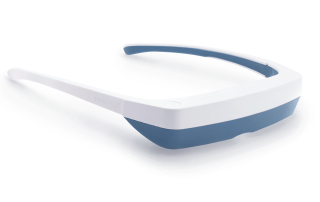
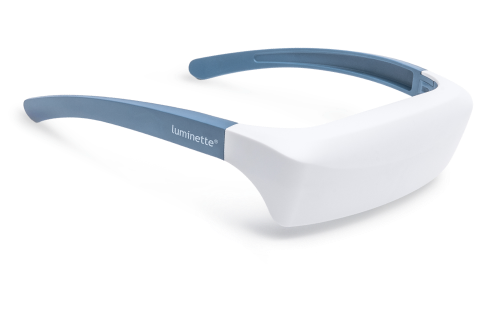
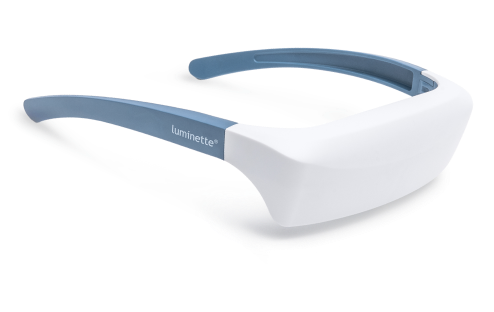
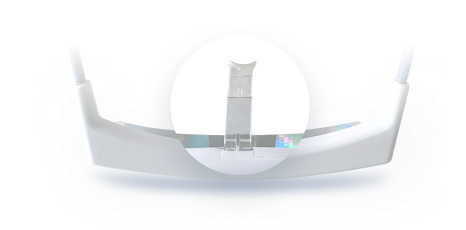
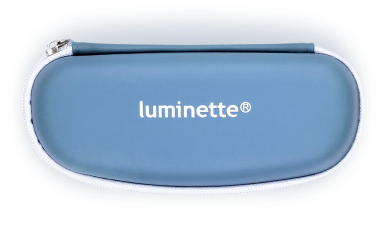
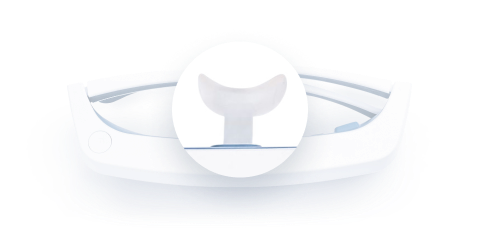
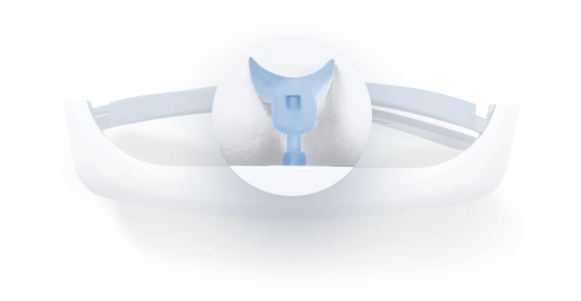
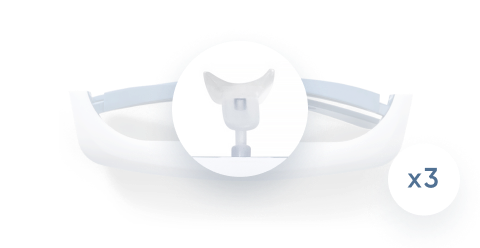
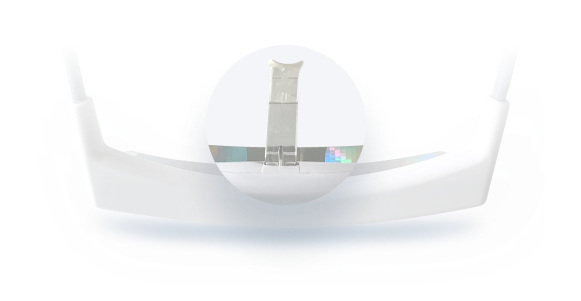
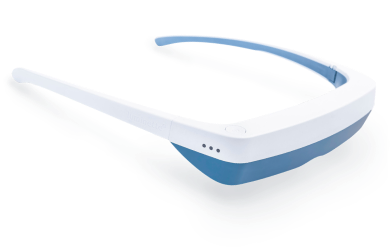
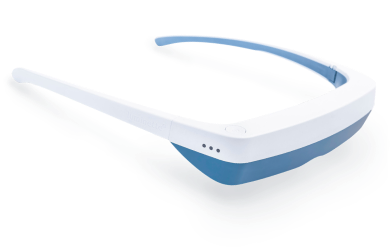
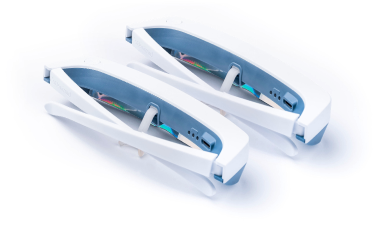
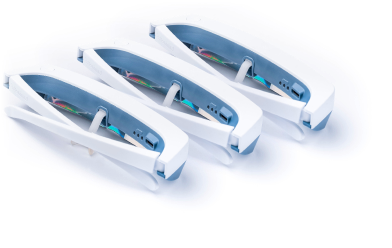
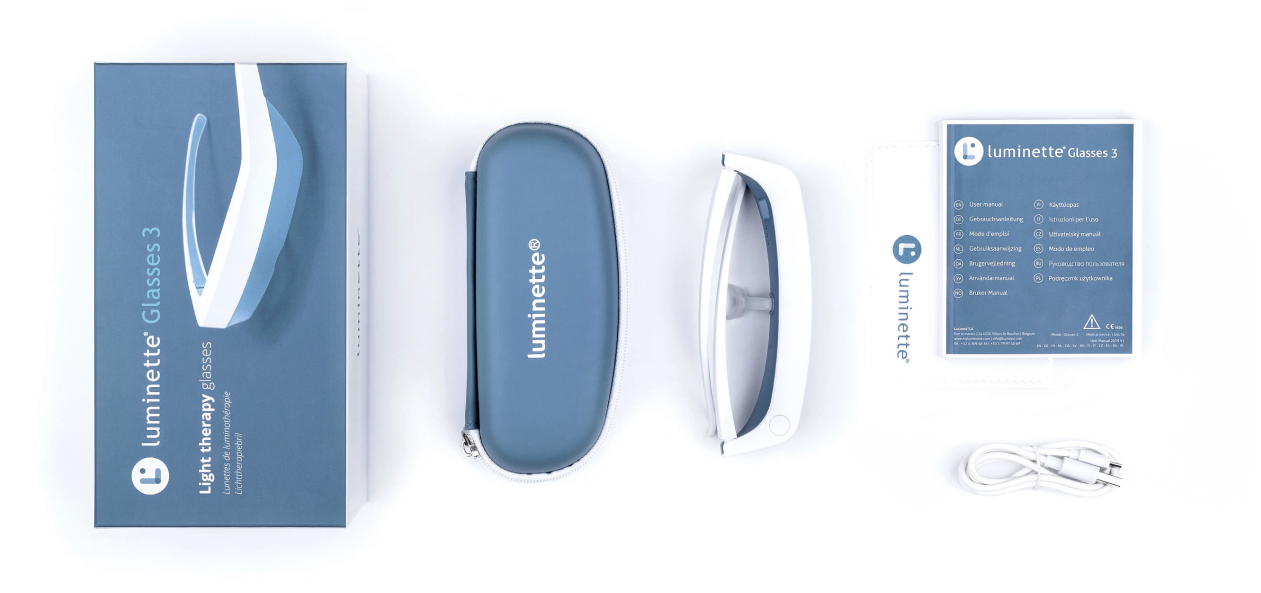
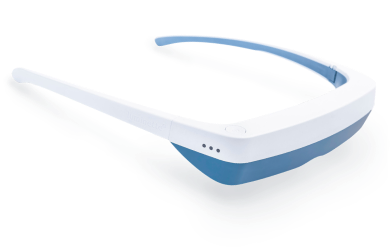
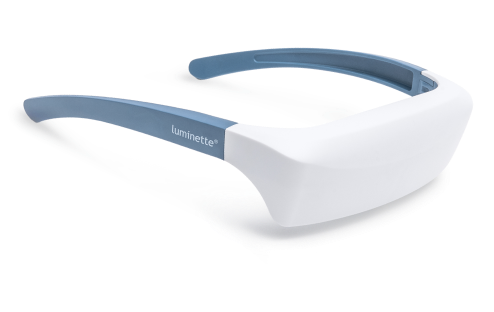
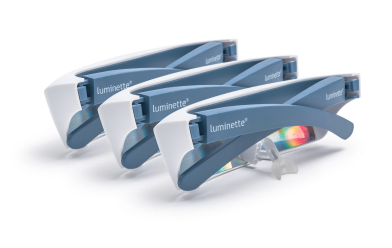
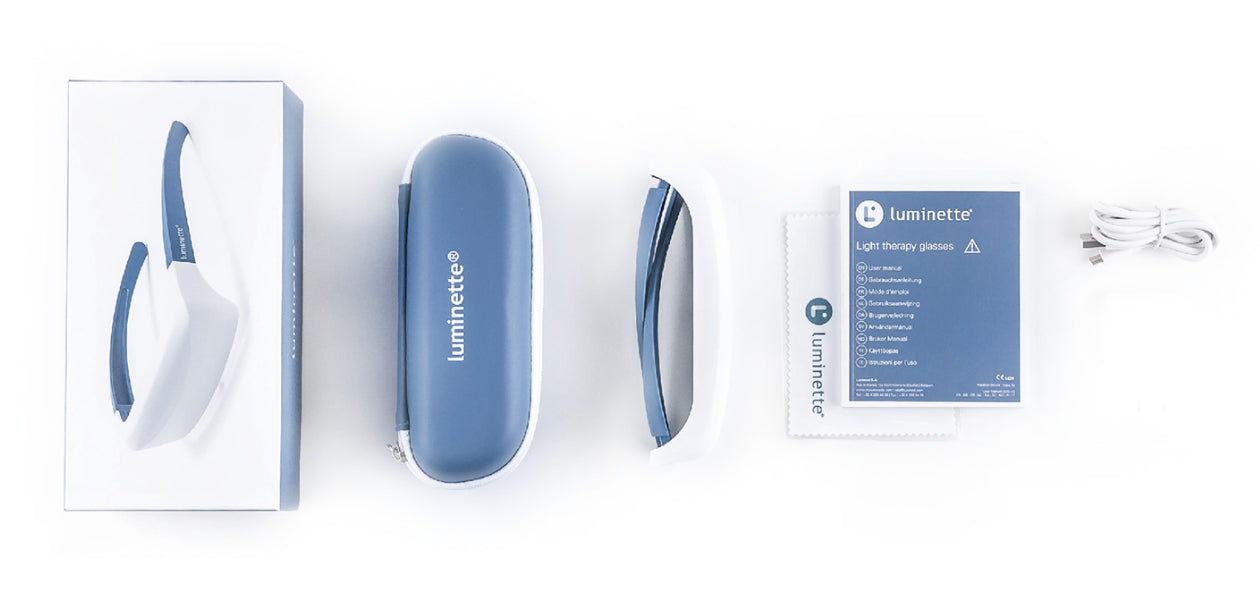
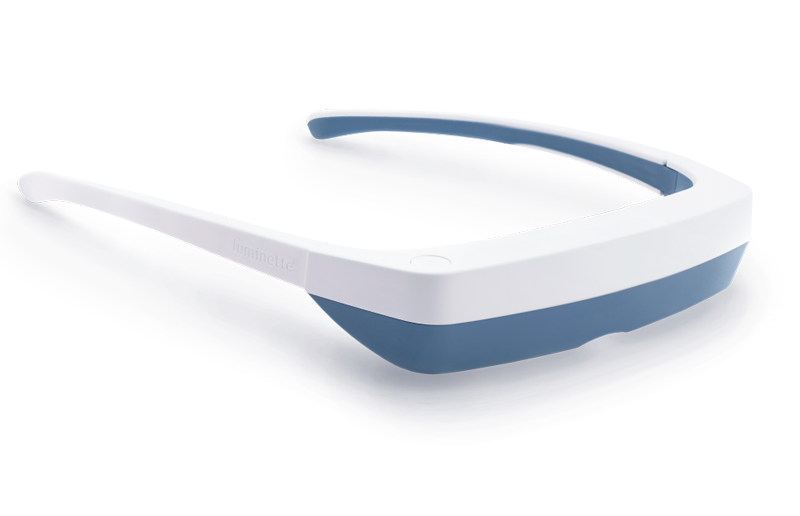
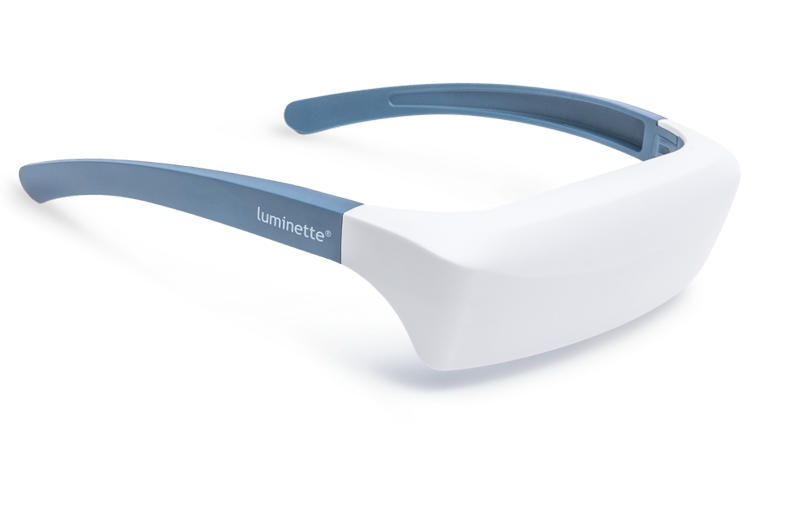
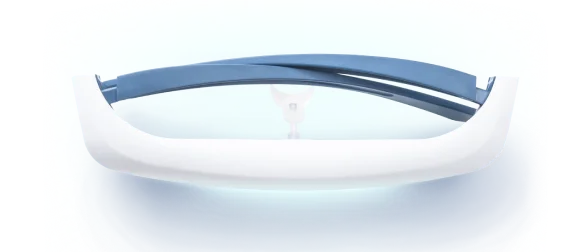
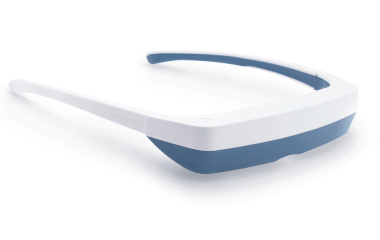
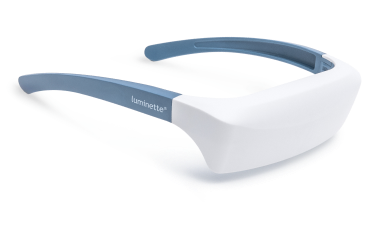
This is where wearable light therapy changes the calculation. The Luminette light therapy glasses deliver the same clinically validated light signal - positioned close to the eyes where it's needed - while you move through your morning routine normally. You get your light therapy while making coffee, exercising, getting dressed, or commuting.
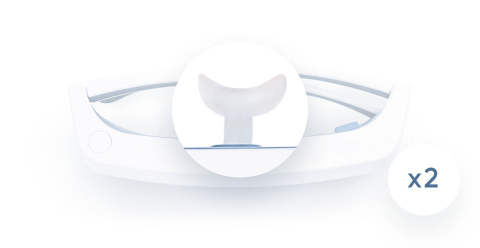
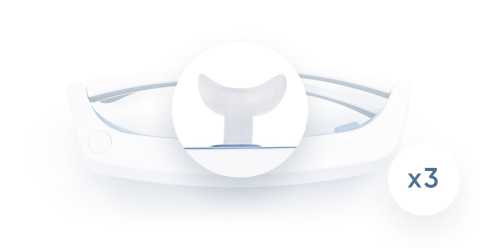
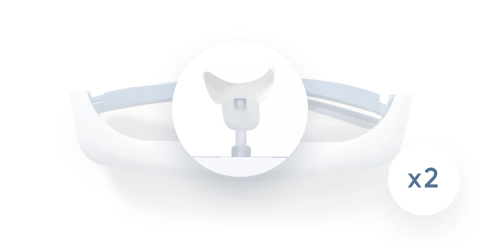
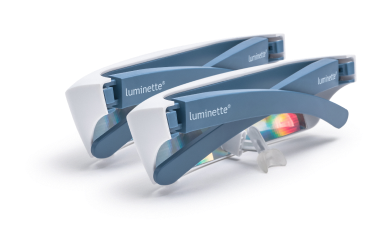
The Luminette 3 is the current generation, with three adjustable intensity settings to accommodate different sensitivity levels and seasonal needs. The Luminette 2 covers the same therapeutic function at a more accessible price point.
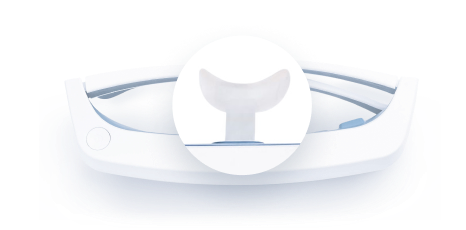
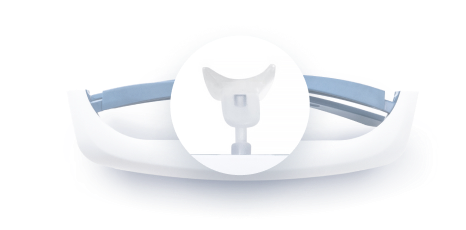
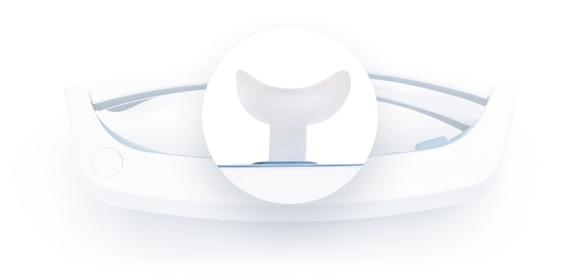
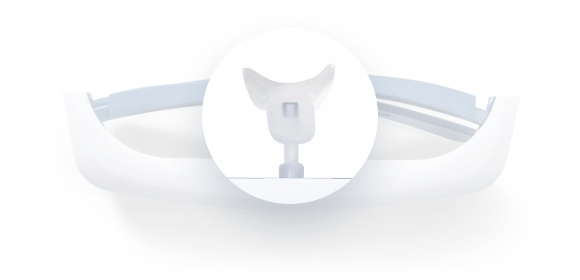
Both use light positioned at the optimal angle relative to the retina - delivering effective stimulation without requiring you to stare in a fixed direction. For people who find traditional light boxes impractical, the wearable format is often what actually gets used consistently.
How to Choose: Matching Lamp Type to Purpose
The confusion in this category mostly comes from using the wrong lamp for the intended purpose. Here's a straightforward way to think about it:
- For better quality everyday lighting (home, office, studio) → High-CRI full spectrum LED bulb (CRI 95+, 3000–5000K depending on preferred warmth) → Full spectrum desk lamp or floor lamp with a quality LED source
- For plant growing → Dedicated full spectrum grow lamp with optimized blue/red output → Not a human light therapy device
- For non-seasonal mood swings, winter blues, and sleep support → Dedicated light therapy device at 10,000 lux → Wearable option (Luminette) if compliance with a stationary box is a problem
- For circadian rhythm adjustment → 10,000 lux light therapy, timed precisely to the desired direction of clock shift → Morning use for delayed sleep phase; evening use for advanced phase
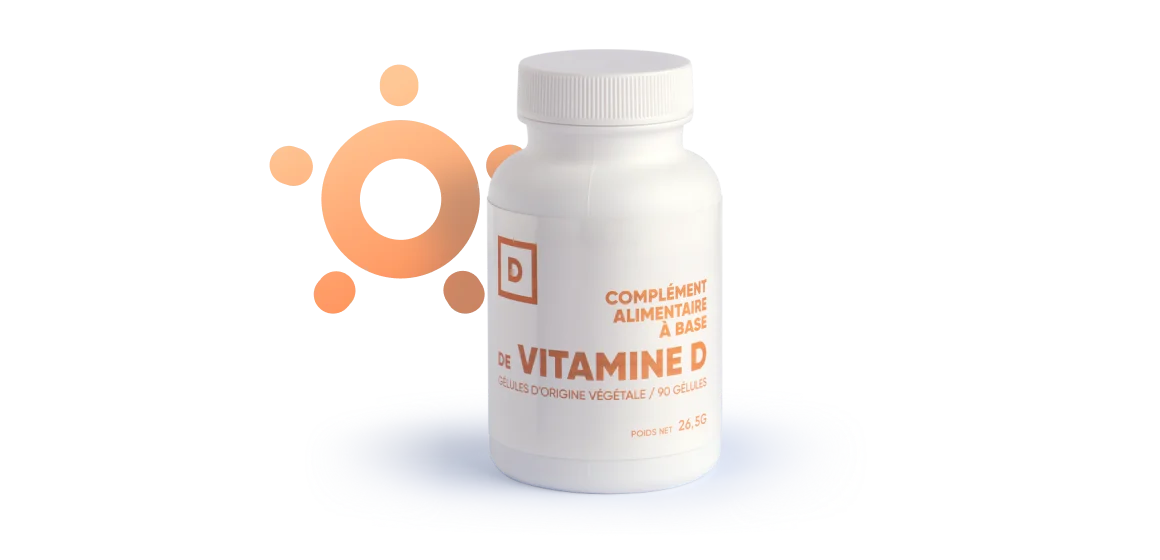
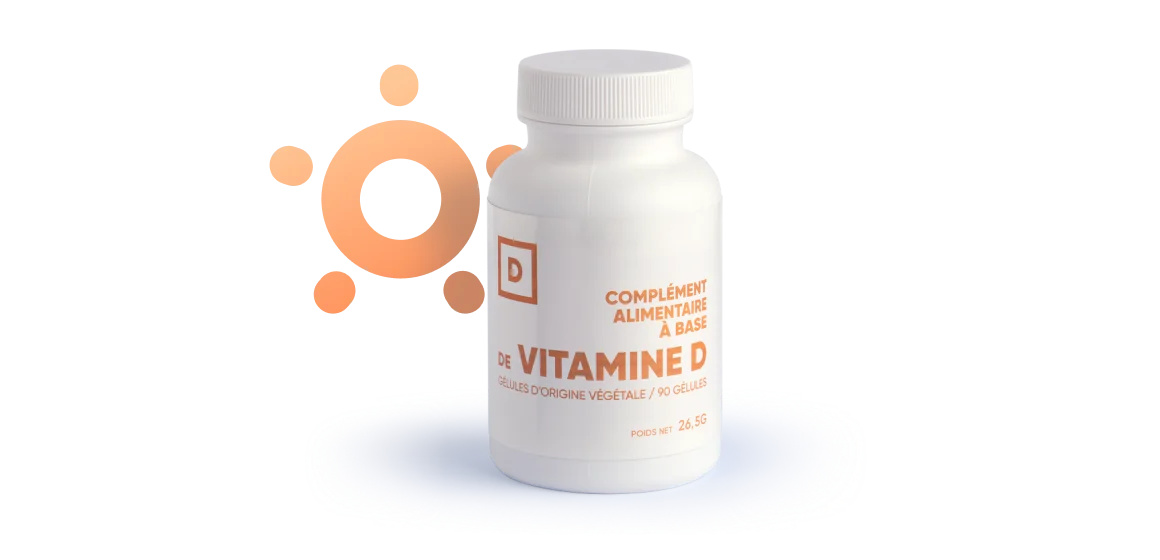
- For vitamin D → Supplementation or medically supervised UVB phototherapy → No consumer full spectrum lamp achieves meaningful vitamin D synthesis
What Full Spectrum Lamps Won't Do
A few persistent claims about full spectrum lighting are worth addressing directly.
- Vitamin D synthesis: Standard full spectrum lamps - including those marketed for seasonal mood swings - do not emit sufficient UVB radiation to trigger meaningful vitamin D production in the skin. They are UV-filtered for safety reasons. Vitamin D requires UVB exposure, either from sunlight or supervised phototherapy.
- Replace sunlight entirely: Full spectrum lamps approximate the spectral quality of daylight but don't replicate every effect of actual sunlight. Outdoor light also varies dynamically - in intensity, angle, and spectral composition - in ways that static indoor sources don't. For circadian purposes, outdoor morning light remains the most potent available signal.
- Treat severe disruptions independently: Light therapy is an adjunct treatment, not a replacement for professional mental health care in moderate-to-severe cases. It works best as part of a broader approach that may include therapy, medication, and lifestyle changes.
Getting the Most from a Full Spectrum Lamp
Whether you're using a light therapy device for health reasons or a full spectrum lamp for general lighting quality, a few practical points matter:
- For light therapy specifically: Use it in the morning - within an hour of waking. Consistency matters more than any single session length. Twenty minutes daily for six weeks produces more reliable results than an hour once a week.
- For desk and floor lamps: CRI matters more than color temperature for visual comfort. A 4000K lamp with CRI 97 will feel more natural than a 5000K lamp with CRI 80, even though the latter is technically "cooler" and closer to daylight.
- For any full spectrum application: Match the lamp to the actual use case. The category is broad enough that a grow lamp, a mood swings lamp, and a high-CRI desk lamp all technically qualify as "full spectrum" - but they serve completely different purposes and are not interchangeable.
Bottom Line
"Full spectrum" is a useful description when it's accurate and a marketing label when it isn't. The meaningful version - a lamp that genuinely covers the visible wavelength range with high color rendering - does have real benefits for visual comfort, mood, alertness, and in dedicated therapeutic versions, for mood and sleep disruptions.
The key is matching the right type of full spectrum lamp to what you actually need. A beautiful high-CRI floor lamp improves your living room. It won't treat seasonal mood swings. A 10,000 lux light therapy lamp will help your circadian rhythm. It won't grow your plants.
And if the traditional light therapy box format doesn't fit your lifestyle, Luminette offers the same evidence-based therapeutic light in a format designed for how people actually spend their mornings - which ultimately determines whether any treatment works at all.
FAQ
Daylight bulbs typically have a high color temperature (blue-white light) but don't necessarily cover the complete visible wavelength range of sunlight. Full spectrum lamps aim to replicate the full balance of wavelengths in natural light, usually achieving a CRI of 95 or higher compared to around 80 for standard daylight bulbs. The practical difference is more accurate color rendering and a more natural visual environment.
A dedicated full spectrum light therapy lamp - rated at 10,000 lux and used for 20–30 minutes each morning - has strong clinical evidence for mood disruptions .. General full spectrum desk lamps and floor lamps operate at much lower intensities and don't produce the same therapeutic effect. The distinction between a general lighting product and a clinical light therapy device matters.
No. Consumer full spectrum lamps - including light therapy lamps - filter out ultraviolet radiation for safety. Vitamin D synthesis requires UVB exposure, which these lamps don't provide. For vitamin D, supplementation is the most practical option for people in low-sunlight environments.
A full spectrum lamp emits visible light across the complete wavelength range but filters out UV radiation, making it safe for prolonged daily use. A UV lamp intentionally emits ultraviolet light and is used for tanning, medical phototherapy, or sterilization. They are not interchangeable and serve completely different purposes.
For therapeutic use, look for a device rated at 10,000 lux, UV-filtered, with white light output. Wearable options like the Luminette glasses offer the same clinical benefit as stationary boxes with the added advantage of allowing you to move around during your session - which significantly improves daily compliance.
No. Grow lamps are optimized for plant photosynthesis - specifically blue and red wavelengths - not for human circadian or mood effects. Some may also emit UV radiation unsuitable for close human exposure. Use a dedicated light therapy device for health applications.
The standard recommendation for a 10,000 lux device is 20–30 minutes within an hour of waking. Shorter sessions may be sufficient at higher intensities; lower-lux lamps require longer exposure to achieve the same effect. Daily consistency over several weeks produces the most reliable results for mood and sleep benefits.


