






























Ljusterapi på morgonen: fördelar, tidpunkt och hur du kommer igång

Ljusterapi på morgonen används ofta för att strukturera sömn- och vakenhetsrytmen och börja dagen med en lämplig ljussignal. Men en givande session beror på mer än bara dess varaktighet: tidpunkten, ljusintensiteten och regelbundenheten i användningen spelar också roll.
Ljus är en av de viktigaste externa signalerna som hjälper kroppens inre klocka att hålla sig synkroniserad med dygnsrytmen. Exponering på morgonen kan därför bidra till att förstärka signalerna som förknippas med dagens början, särskilt när exponeringen för naturligt ljus är begränsad.
I den här artikeln förklarar vi när man ska använda ljusterapi på morgonen, hur länge en session bör pågå, hur den kan införlivas i en daglig rutin och vad man bör tänka på innan man väljer en ljusterapilampa eller bärbar enhet.
Varför fungerar ljusterapi på morgonen?
Vår kroppsklocka fungerar enligt en cykel på ungefär 24 timmar, som kallas dygnsrytm. Det hjälper till att organisera perioder av vakenhet, sömn och förändringar i vakenhetsgrad under dagen. För att förbli synkroniserad med omgivningen förlitar den sig på flera externa signaler, som ofta kallas ”zeitgebers” eller tidssignaler. Ljus är en av de viktigaste.
Ljusterapi, särskilt när det används på morgonen, förser kroppen med en ljussignal som förknippas med dagens början.. Forskning har visat att ljus spelar en viktig roll för att synkronisera kroppsklockan och reglera sömn- och vakenhetscykeln.
Exponering för ljus vid rätt tidpunkt kan därför bidra till att gradvis justera sömn- och vakenhetsrytmen, särskilt när dagarna är korta, exponeringen för naturligt dagsljus är begränsad eller de dagliga rutinerna är oregelbundna.
Ljus påverkar också produktionen av melatonin, ett hormon som naturligt förknippas med förberedelsen inför sömn. Exponering för ljus vid rätt tidpunkt kan minska den biologiska signal som förknippas med sömn och stödja ett mer lämpligt vakentillstånd i början av dagen. Denna effekt beror dock på flera faktorer, däribland ljusintensitet, exponeringens varaktighet, tidpunkten för exponeringen och den individuella rytmen.
Ljus påverkar också serotoninaktiviteten, vilket kan bidra till att förklara varför ljusterapi på morgonen förknippas med vakenhet och humör. Forskning har visat att exponering för ljus har ett direkt samband med serotoninaktiviteten, även om individuella reaktioner varierar beroende på faktorer som tidpunkt, varaktighet och ljusintensitet.
Tidpunkten för exponeringen är därför viktig. Morgonljus verkar inte exakt på samma sätt som ljus som tas emot på kvällen. Dess effekt på kroppsklockan beror bland annat på exponeringstidpunkten och varje persons individuella rytm. Därför bör en ljusbaserad rutin ta hänsyn till sömn- och uppstigningstider i stället för att följa samma regel för alla.
Ljusterapi ersätter inte naturligt dagsljus, men kan vara ett praktiskt komplement när naturligt ljus inte räcker till eller är svårt att få in i den dagliga rutinen.
Bästa tiden för ljusterapi: Hur tidigt är tillräckligt tidigt?
För en ljusterapirutin som är utformad för att stödja sömn- och vakenhetsrytmen är morgonen i allmänhet den mest praktiska tiden. Ljusexponering efter uppvaknandet ger en signal som kan bidra till att stödja tidpunkten för kroppens inre klocka. Det är inte nödvändigt att börja sessionen under de första minuterna efter att du har vaknat. Ett praktiskt sätt är att lägga in ljusterapi under morgonens första del, helst efter uppvaknandet och innan dagen har kommit alltför långt. Den lämpligaste tidpunkten beror också på din vanliga uppstigningstid, exponering för naturligt dagsljus och din individuella sömn- och vakenhetsrytm.
| Uppstigningstid |
Idealt tidsintervall för ljusterapi |
| 06:00 |
06:00 - 07:00 |
| 07:00 |
07:00 - 08:00 |
| 08:00 |
08:00 - 09:00 |
| 09:00 eller senare |
Inom 60 minuter efter uppvaknandet |
| Uppstigningstid |
Idealt tidsintervall för ljusterapi |
| 06:00 |
06:00 - 07:00 |
| 07:00 |
07:00 - 08:00 |
| 08:00 |
08:00 - 09:00 |
| 09:00 eller senare |
Inom 60 minuter efter uppvaknandet |
Dessa tidsintervall är praktiska riktlinjer, inte strikta regler. Om du vaknar senare kan du fortfarande lägga in en session på morgonen. Det viktigaste är att välja en tid som du kan hålla konsekvent.
Den idealiska tidpunkten kan också variera beroende på ditt mål. Den som försöker strukturera om sitt sömnschema följer kanske inte samma rutin som någon som vaknar mycket tidigt eller arbetar oregelbundna tider. I alla fall är det viktigt att vara konsekvent och anpassa rutinen efter sin egen rytm.
Ljusexponering senare på dagen är inte automatiskt ineffektiv eller problematisk. Effekten på kroppsklockan kan dock variera beroende på tidpunkt, intensitet och exponeringens längd. För en ljusterapirutin som är avsedd att stödja dagens början är det därför bättre att prioritera morgonen och undvika att systematiskt flytta sessionen till sen eftermiddag eller kväll.
Så skapar du en morgonrutin med ljusterapi
En morgonrutin med ljusterapi behöver inte vara komplicerad. Det viktiga är att göra den lätt att upprepa och att använda enheten enligt anvisningarna.
- Håll en konsekvent uppstigningstid. Ett regelbundet schema ger kroppen en mer förutsägbar struktur. Försök att vakna ungefär samma tid varje dag, även på helger när det är möjligt.
- Använd enheten tidigt på dagen. Ta på dig glasögonen eller ställ fram lampan snart efter att du har vaknat. Om morgonen är stressig kan du försöka använda den under den första timmen i stället för att vänta på ett helt lugnt tillfälle.
- Kombinera sessionen med något du redan gör. Du kan använda tiden till att äta frukost, dricka kaffe, läsa nyheterna eller klä på dig. Med bärbara ljusterapienheterkan du röra dig under sessionen i stället för att sitta framför en lampa.
- Följ den rekommenderade sessionslängden. Den lämpliga varaktigheten beror på enheten, dess intensitet och avståndet från ljuskällan. Följ tillverkarens instruktioner i stället för att anta att en längre session alltid är bättre. Att använda en timer eller automatisk avstängning kan hjälpa dig att vara konsekvent.
- Var konsekvent. En kortare session som passar ditt schema är i allmänhet lättare att upprätthålla än en enstaka, längre session. Om du missar en dag återgår du helt enkelt till din vanliga rutin nästa morgon.
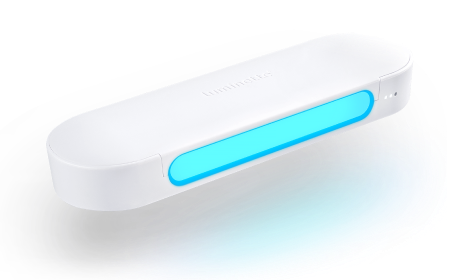
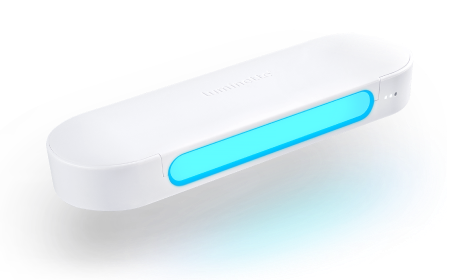
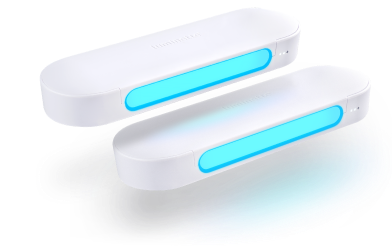
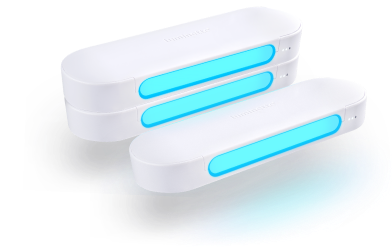
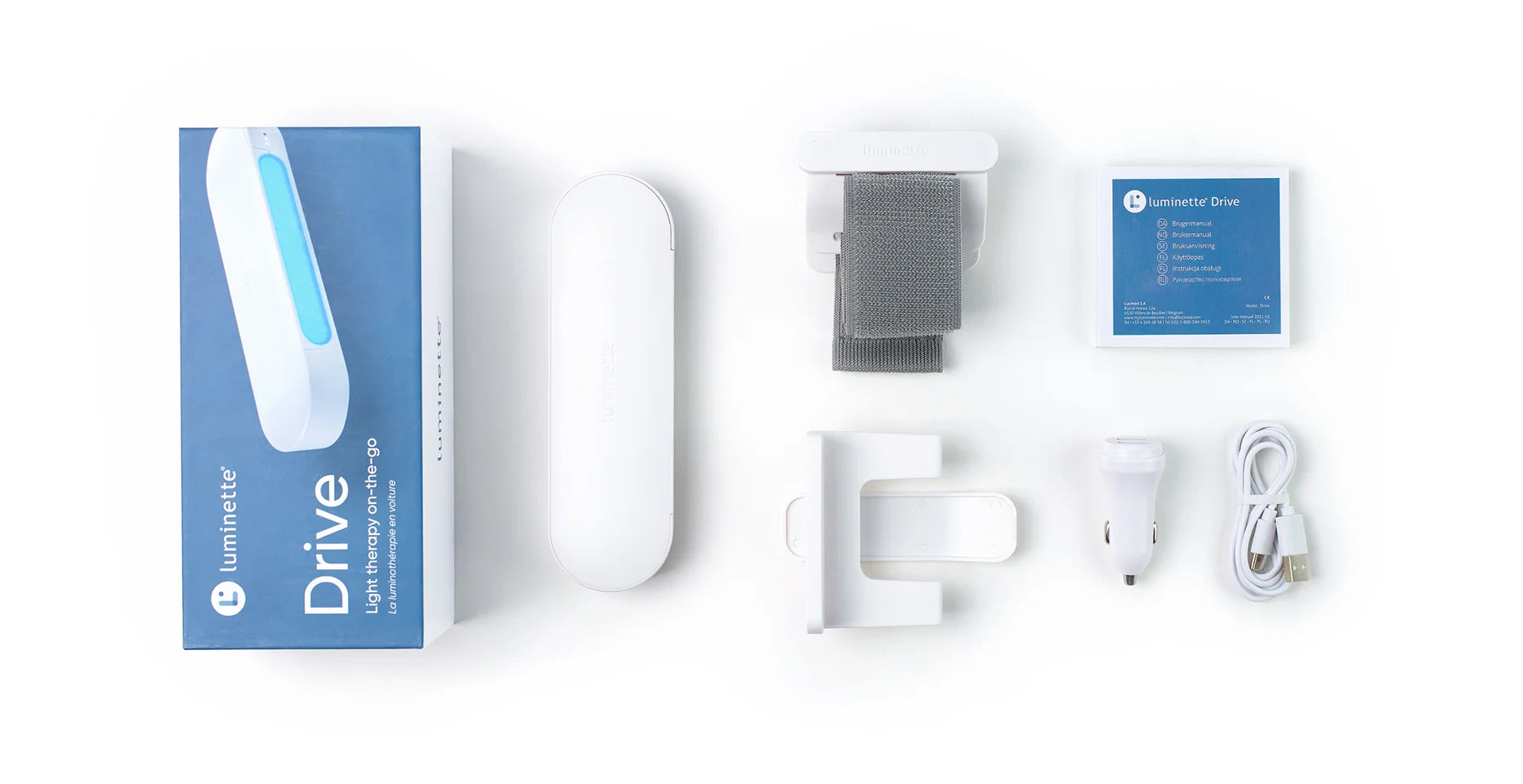
En person som arbetar hemifrån kan till exempel använda Luminette medan hen förbereder kaffe och kollar e-post före det första mötet. En pendlare kan använda Luminette Drive under en bilfärd på morgonen, förutsatt att den används enligt produktens säkerhetsanvisningar och inte stör körningen.
Fördelar med ljusterapi på morgonen: Vad du kan förvänta dig och när
Ljusterapi på morgonen ger inte nödvändigtvis en omedelbar, märkbar förändring. Effekterna kan utvecklas gradvis beroende på faktorer som ditt sömnschema, din ljusexponering, hur konsekvent du använder den och din individuella känslighet.
Här är vad du kan märka över tid:
Under de första dagarna. Du kanske ännu inte märker någon tydlig skillnad. Kroppens inre klocka reagerar på upprepade ljussignaler, så en konsekvent rutin är mer användbar än att bedöma resultaten efter en eller två sessioner.
Efter en till två veckor. Vissa börjar märka att morgnarna känns mer hanterbara eller att de känner sig piggare tidigare på dagen. Dessa förändringar kan vara subtila och varierar mellan individer.
Efter två till fyra veckor. Vid regelbunden användning rapporterar vissa användare förändringar i sin dygnsrytm, som att känna sig sömniga vid en mer förutsägbar tid på kvällen eller att det blir lättare att vakna på morgonen.
På längre sikt. Den främsta fördelen med att upprätthålla en rutin är att ge kroppen en konsekvent ljussignal på morgonen. Om du slutar använda ljusterapi kan eventuella fördelar du upplevt gradvis bli mindre märkbara, särskilt när exponeringen för naturligt dagsljus är begränsad.
Konsekvens är därför viktigt. Att använda din enhet regelbundet enligt instruktionerna är i allmänhet mer effektivt än att ha enstaka, längre sessioner.
Ljusterapi på morgonen med Luminette: Utformad för alla scheman
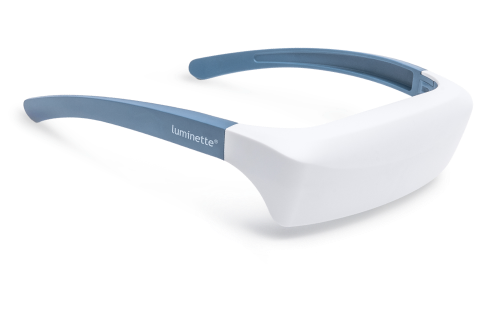
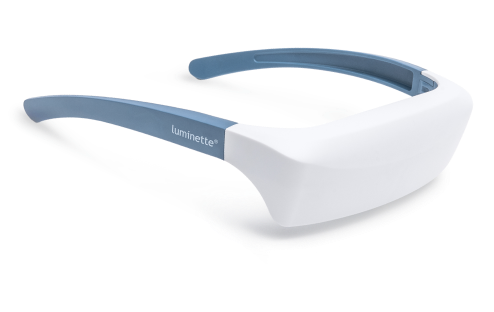
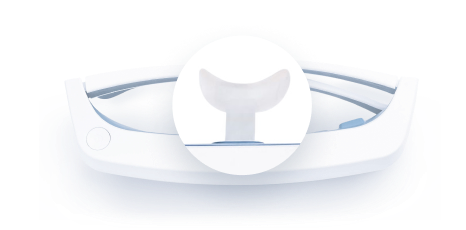
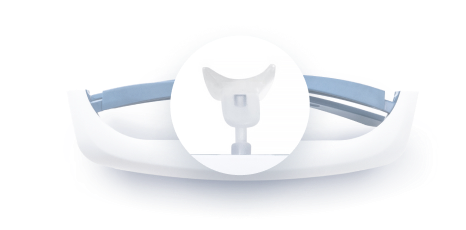
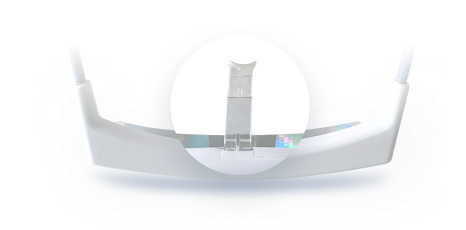
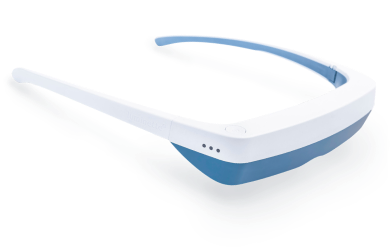
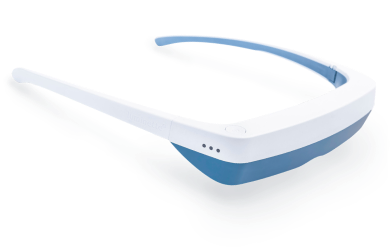
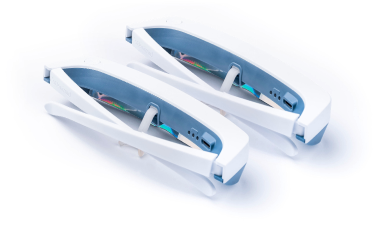
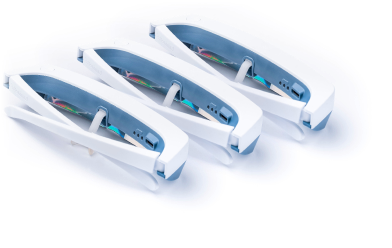
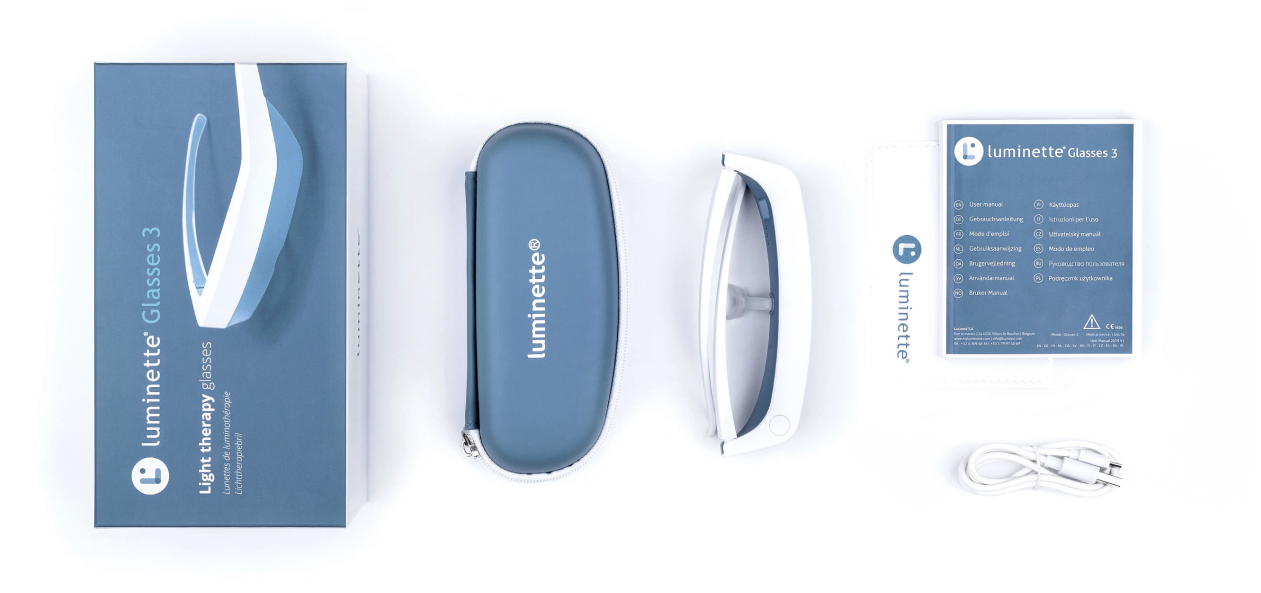
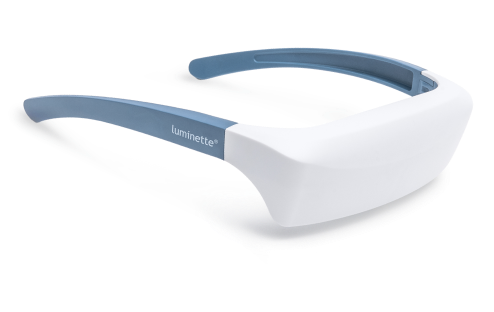
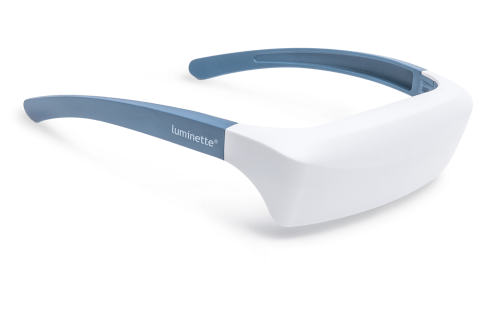
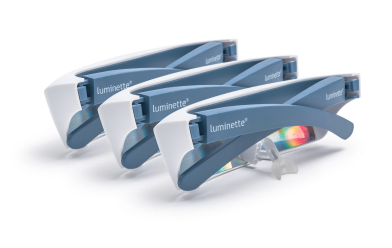
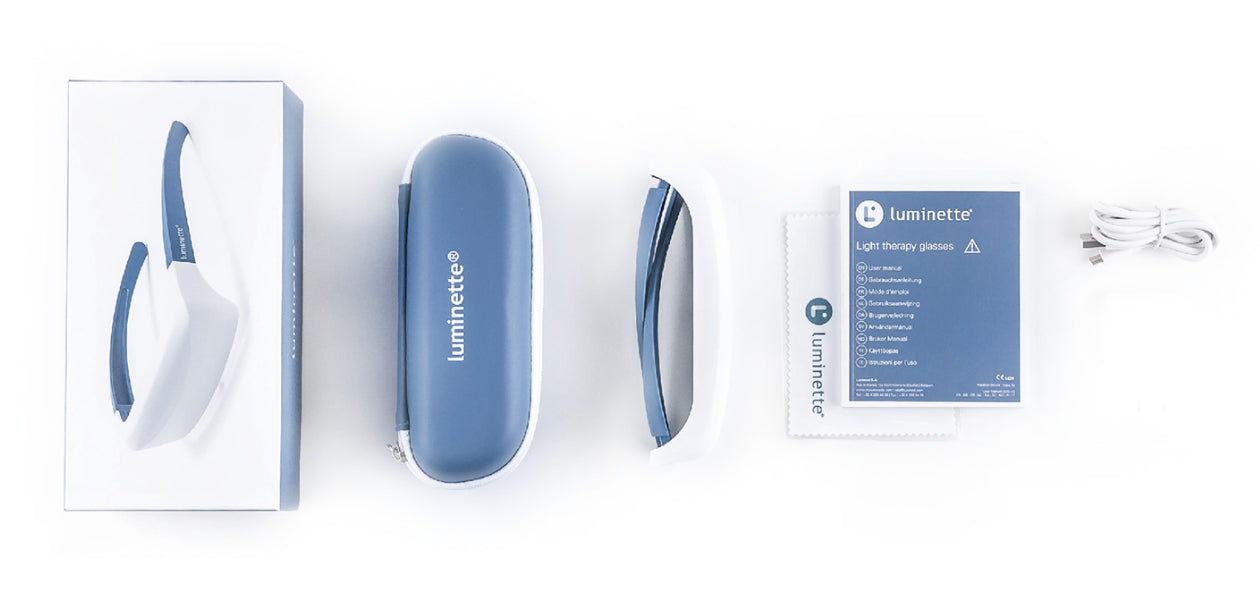
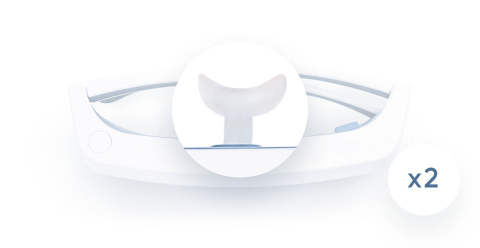
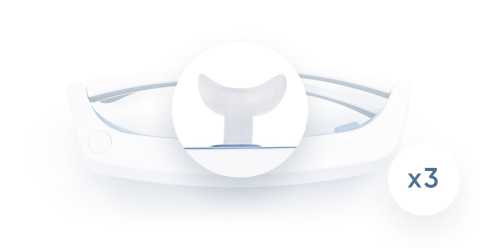
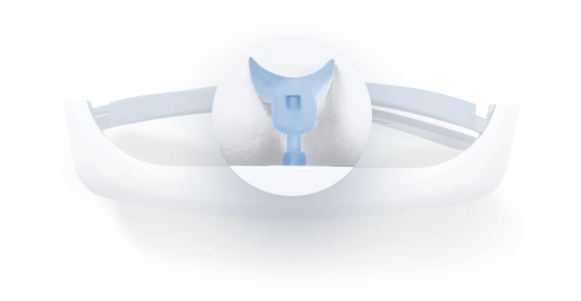
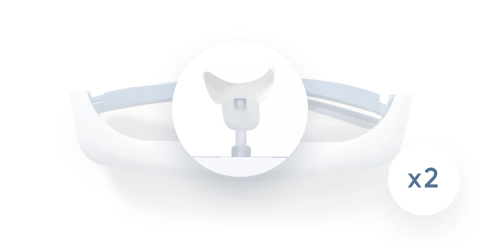
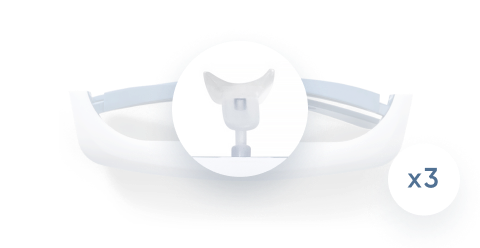
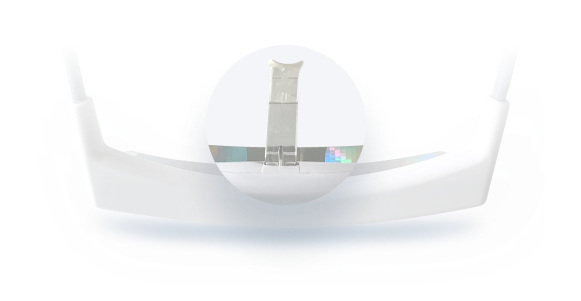
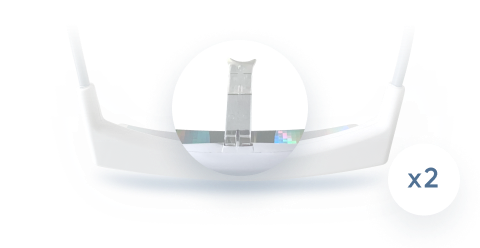
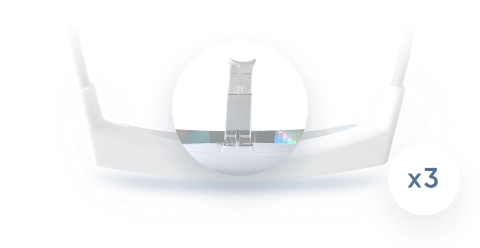
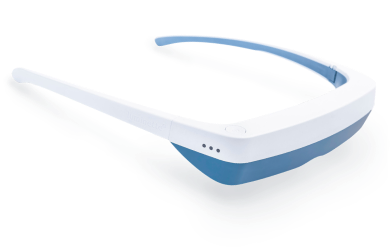
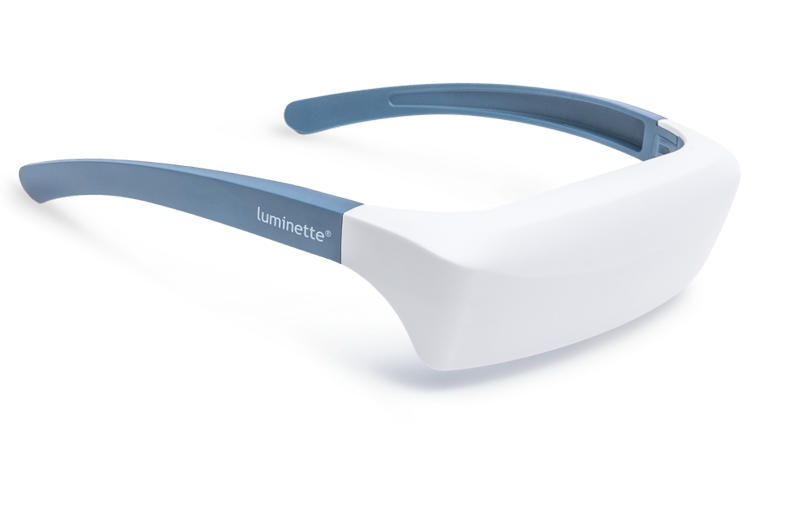
Att integrera en ljusterapisession i din dagliga rutin kan vara utmanande när du behöver pendla, börja arbeta tidigt eller börja dagen utan tillgång till en traditionell ljusterapilampa. Luminette bärbara ljusterapiglasögon är utformade för att erbjuda en mobil lösning som enkelt passar in i olika morgonaktiviteter.
Praktiska funktioner:
Vikt: 51 g för Luminette 3, 65 g för Luminette 2 - så lätta att du ofta glömmer att du har dem på dig.
Sessionens längd: 20-60 minuter, med en automatisk timer.
Tre intensitetsnivåer för att hjälpa dig att vänja dig gradvis i stället för att börja med maximal ljusstyrka den första dagen.
Fungerar över glasögon med styrka.
För att komma igång tar du på dig glasögonen när du har vaknat och väljer den intensitet som rekommenderas i instruktionerna. Sessionens längd beror på den valda intensiteten och tillverkarens rekommendationer.
Tre scenarier som visar hur detta kan se ut i vardagliga morgonsituationer:
Användare som arbetar hemifrån. Tar på sig Luminette under den första halvtimmen när han eller hon går igenom e-post. Ingen skrivbordslampa. Inget avbrott.
Förälder med små barn. Använder Luminette medan han eller hon förbereder skolfrukostar och klär på alla. Händerna förblir fria. Sessionen är klar när det är dags att lämna hemmet.
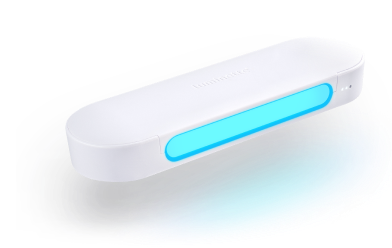
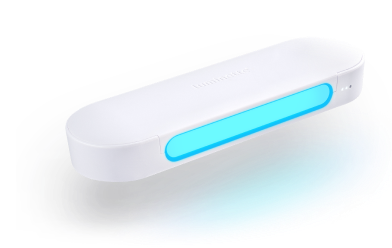
Pendlare. Fäster Luminette Drive på bilens solskydd och använder den under morgonkörningen.
Tanken är inte att lägga till ännu en uppgift på morgonen. Det handlar om att koppla ljusexponeringen till något du redan gör.
Ljusterapi på morgonen används vanligtvis tidigt på dagen eftersom ljusets effekt på dygnsrytmen i hög grad beror på när exponeringen sker. En session på 20 till 60 minuter kan vara lämplig beroende på enheten, dess intensitet och tillverkarens rekommendationer. Den största utmaningen är att hitta ett sätt att få in sessionen i en hektisk morgon.
Luminette är utformad för att överbrygga det gapet: en enhet som du kan använda medan du gör något annat, vilket gör det lättare att upprätthålla en regelbunden rutin.
Luminette ersätter inte naturligt dagsljus, men kan vara ett praktiskt komplement när det naturliga ljuset är begränsat eller svårt att få in i den dagliga rutinen. Som med alla ljusterapiapparater ska du följa de rekommenderade instruktionerna och avbryta sessionen om du upplever obehag.
Vanliga frågor
Ljusterapi på morgonen innebär att man använder en stark ljuskälla kort efter att man vaknat för att signalera dagens början och stödja tidpunkten för kroppens inre klocka. Det används ofta av personer som vill stödja sin morgonpigghet under mörkare månader, efter resor över tidszoner, vid skiftarbete eller när deras sömnschema har förskjutits till senare än önskat. Traditionella ljusterapilampor ger vanligtvis omkring 10 000 lux på skrivbordsavstånd och kräver att du sitter nära lampan. Bärbara enheter som Luminette ger 500-1 500 lux närmare ögonen, vilket gör att du kan röra dig under sessionen samtidigt som du får en praktisk ljusexponering utformad för att stödja dygnsrytmen.
Ljusterapi på morgonen kan bidra till ökad vakenhet på morgonen, energinivåerna under dagen, sömnens tidpunkt och humöret, särskilt under mörkare månader eller när exponeringen för naturligt dagsljus är begränsad. Den används också ofta efter resor över tidszoner, vid skiftarbete eller när sömnschemat har förskjutits. Resultaten varierar beroende på individuell känslighet, det ursprungliga sömnschemat och hur regelbundet behandlingen används. Regelbundenhet är viktigare än att förlänga sessionen utöver tillverkarens rekommendationer.
En vanligt rekommenderad metod är att använda ljusterapi under morgonens första del, ofta inom den första timmen efter att du vaknat. Morgonljus ger en signal som förknippas med dagens början och kan bidra till att stödja tidpunkten för kroppens inre klocka. Om du använder ljusterapi före eller under frukosten blir det lättare att införliva den i din rutin. Tidigare exponering är i allmänhet mer användbar när man vill stödja ett tidigare sömn- och vakenhetsschema, medan senare exponering kan ha andra effekter på dygnsrytmens timing. Om du vaknar sent kan du helt enkelt försöka använda ljusterapi inom 60 minuter efter att du vaknat. Regelbundenhet och rätt tidpunkt är viktigare än att följa ett strikt schema.
De flesta sessioner varar i 20-60 minuter, oavsett om du använder en traditionell ljusterapilampa på 10 000 lux eller en bärbar produkt som Luminette. Längre sessioner är inte nödvändigtvis mer fördelaktiga, vilket är anledningen till att en regelbunden ljusterapirutin är viktigare än enstaka, längre sessioner. Luminette har en automatisk timer, så sessionen avslutas av sig själv. Det gör det lättare att följa den rekommenderade behandlingstiden och upprätthålla en regelbunden morgonrutin, även under stressiga dagar.
Ljusterapi på morgonen kan bidra till att stödja sömntidpunkten genom att påverka dygnsrytmens timing. Vissa personer kan märka att kvällströttheten infaller tidigare och att det blir lättare att vakna efter flera veckors regelbunden användning. För att stödja sömnen bör du använda ljusterapi tidigt på morgonen, följa den rekommenderade behandlingstiden och undvika starkt ljus för nära läggdags. Det kan vara särskilt användbart om ditt sömnschema har förskjutits till senare tider än önskat. Resultaten varierar, och regelbundenhet är viktigare än enstaka längre sessioner.


