







 Bitte beachte








Luminette: Pioniere
der Lichttherapie
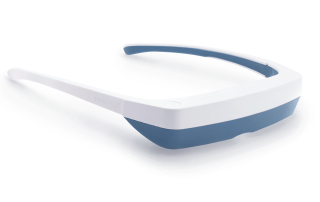
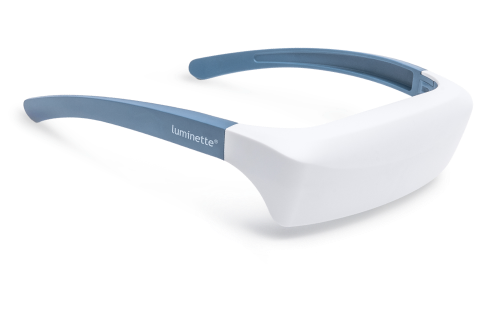
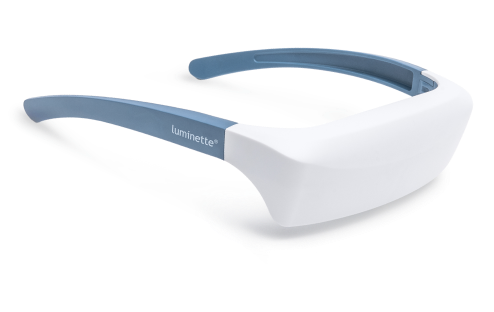
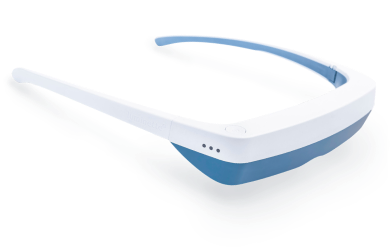
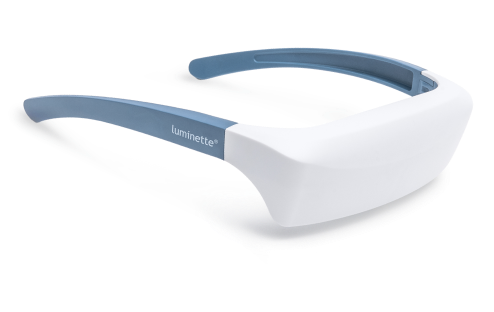
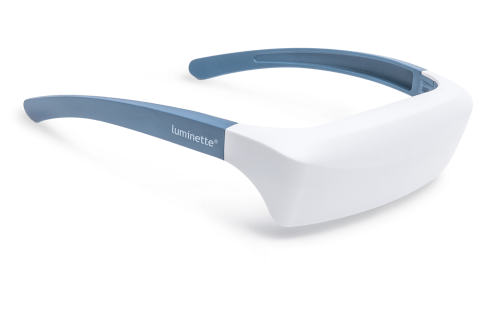
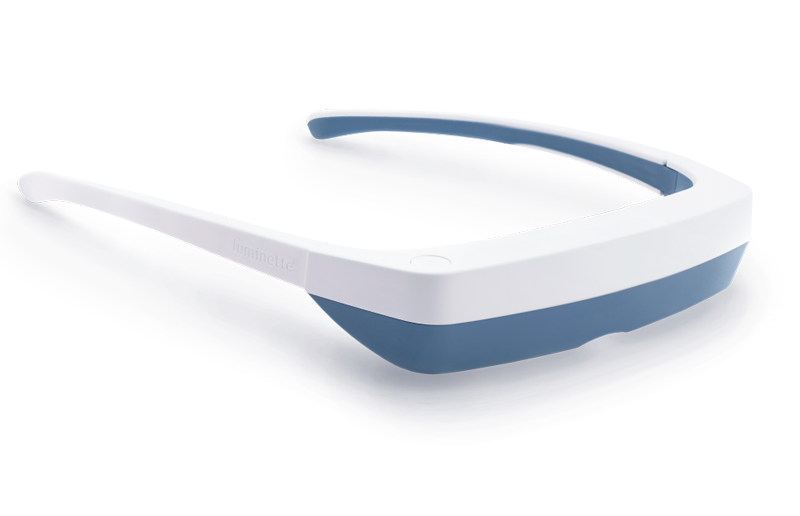
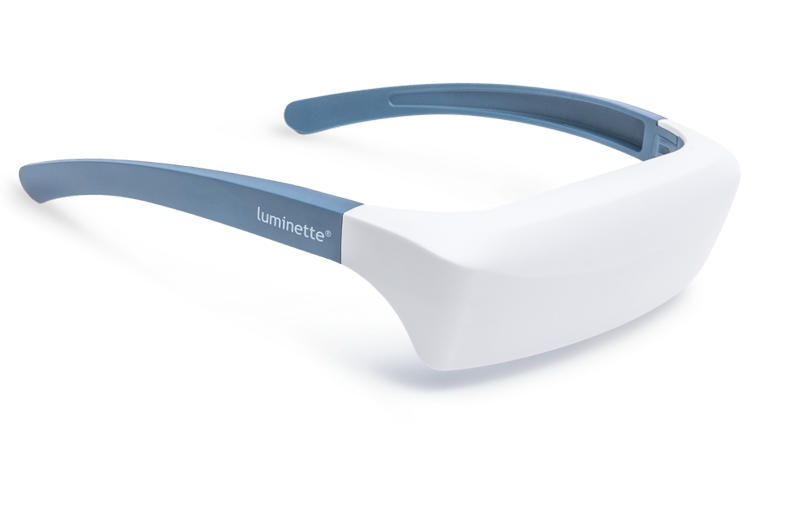
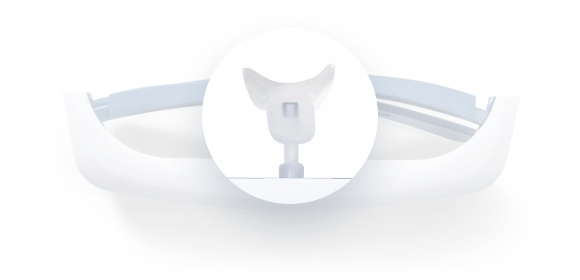
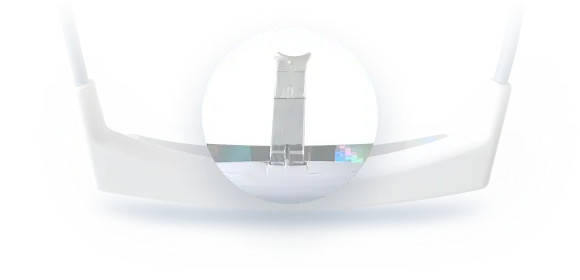
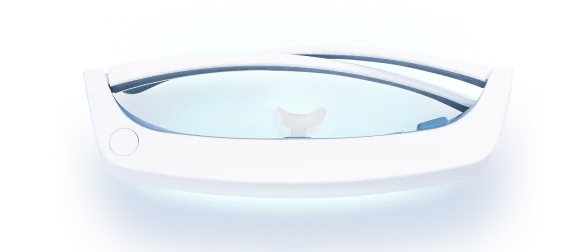
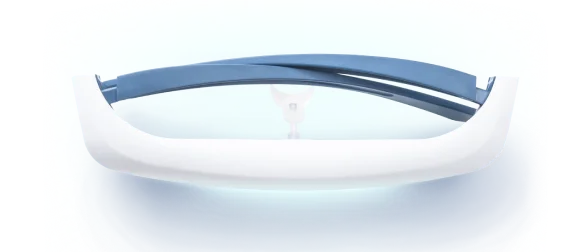
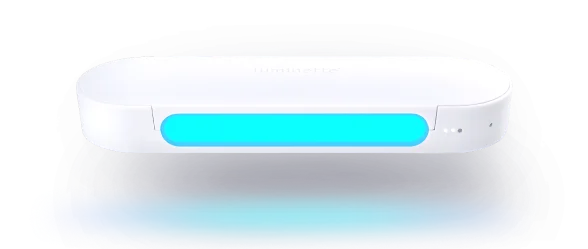
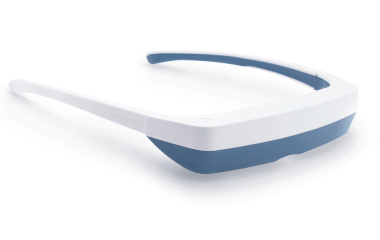
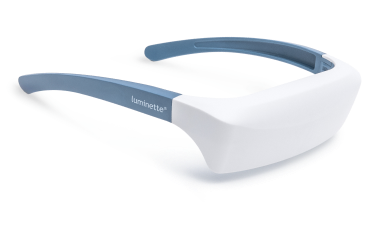
Seit 2006 ist Luminette führend im Bereich der tragbaren Lichttherapie. Unsere patentierten Brillen, entwickelt an der Universität Lüttich, bieten eine bewährte, tragbare Lösung zur Steigerung von Energie, Stimmung und Schlaf.
Wir genießen das Vertrauen von Experten und Anwendern in über 20 Ländern und machen Lichttherapie einfach, effektiv und zu einem festen Bestandteil des Alltags.

Wir unterstützen regelmäßig wissenschaftliche Studien.

4 Jahre Forschung für eine Innovation
Luminette wurde als sorgfältig konzipierte Lichttherapielösung entwickelt und 2017 als innovativstes Gerät für psychische Gesundheit des Jahres ausgezeichnet. Diese Entwicklung wurde durch die Beteiligung führender Professoren und Fachleute ermöglicht:
Luminette ist eine sorgfältig konzipierte Lichttherapielösung, die 2017 als innovativstes Gerät für psychische Gesundheit ausgezeichnet wurde und in Zusammenarbeit mit führenden Fachleuten entwickelt wurde.
Robert Poirrier
Neurologe und Leiter des Schlaflabors der Universität Lüttich sowie führender Spezialist für Schlaf-Wach-Erkrankungen.

Gilles Vandewalle
FNRS-Forschungsstipendiatin, erforscht die Schlaf-Wach-Regulation und den Einfluss von Licht auf Wachheit und Kognition.

Yvon Renotte
Physiker, ehemaliger Leiter des Optiklabors der Universität Lüttich – Experte für optische Physik und Photonik.

Vincent Moreau
Dr. Vincent Moreau besitzt einen Doktortitel in Physik. Er ist spezialisiert auf optische Physik und Luft- und Raumfahrttechnik.

Robert Poirrier
Neurologe und Leiter des Schlaflabors der Universität Lüttich sowie führender Spezialist für Schlaf-Wach-Erkrankungen.
Gilles Vandewalle
FNRS-Forschungsstipendiatin, erforscht die Schlaf-Wach-Regulation und den Einfluss von Licht auf Wachheit und Kognition.
Yvon Renotte
Physiker, ehemaliger Leiter des Optiklabors der Universität Lüttich – Experte für optische Physik und Photonik.
Vincent Moreau
Dr. Vincent Moreau besitzt einen Doktortitel in Physik. Er ist spezialisiert auf optische Physik und Luft- und Raumfahrttechnik.
Studien
Wählen Sie die relevanten Themen aus:
Entdecken Sie die Wissenschaft hinter Luminette – veröffentlichte Studien über seine Auswirkungen auf Schlaf, Energie, Stimmung und Kognition.
Wählen Sie die relevanten Themen aus:


2025
Helle Lichtexposition und
STIMMUNGSREGULATION
Diese 10-wöchige Studie untersuchte, wie Teilnehmende mit Stimmungsschwankungen auf die Anwendung von Luminette® am Morgen oder zur Mittagszeit reagierten. Stimmungsbezogene Scores zeigten in beiden Zeitfenstern positive Trends. Die meisten Teilnehmenden vertrugen die Sitzungen gut. Bei einer kleinen Anzahl traten vorübergehende Stimmungsschwankungen auf, die sich nach einer Anpassung der Lichtexposition besserten.


2024
SCHLÄFRIGKEIT
nach Nachtschichten
Diese explorative Studie begleitete 21 Personen, die Nachtschichten arbeiteten und ihre wahrgenommene Schläfrigkeit stündlich von 21:00 bis 07:30 dokumentierten. Die Teilnehmenden nutzten entweder Luminette® oder ein Referenzlicht während einer kurzen Sitzung zwischen 05:00 und 05:30. Nach der Lichtsitzung zeigte sich in der Gruppe, die blauangereichertes Licht erhielt, eine länger anhaltende Reduktion der Schläfrigkeit.


2023
Unterstützung durch helles Licht für die
ERHOLUNG NACH DER GEBURT
Diese Studie begleitete 114 Frauen nach der Entbindung über sechs Wochen, während sie ihre nächtliche Erholung und ihr tägliches Wohlbefinden beobachteten. Teilnehmende, die Luminette®-Sitzungen zusammen mit Wellness-Anleitungen integrierten, berichteten über stärkere Verbesserungen der wahrgenommenen Schlafqualität als jene, die ihre üblichen Routinen beibehielten. Diese positiven Muster blieben während der Nachbeobachtungsphase erhalten, und die Sitzungen wurden insgesamt gut angenommen.


2021
Arbeitsbezogenes
WOHLBEFINDEN von Pflegekräften
Diese Studie begleitete 84 OP-Pflegekräfte über zwei vierwöchige Zeiträume: einen mit Luminette®-Anwendung und einen ohne Lichtexposition. Der wahrgenommene Stress wurde vor und nach jedem Zeitraum erhoben. Die Teilnehmenden berichteten über größere positive Veränderungen in den Zeiträumen, die die Anwendung von Luminette® einschlossen, und dieses Muster zeigte sich konsistent in beiden Studienphasen.


2019
Akuter
SCHLAFENTZUG
Diese Studie untersuchte, wie Personen nach einer Nacht ohne Schlaf auf frühe morgendliche Lichtexposition reagierten. Die Teilnehmenden wurden um 5:00 Uhr unterschiedlichen Lichtbedingungen ausgesetzt, und ihr Schläfrigkeitsniveau sowie weitere aufmerksamkeitsbezogene Messgrößen wurden bis in den Morgen hinein erfasst. Im Vergleich zu gedimmtem Licht waren sowohl Luminette® als auch eine traditionelle Lichttherapiebox mit einer verbesserten Schläfrigkeit und Aufmerksamkeit während der frühen Morgenstunden verbunden. Die Lichtsitzungen wurden von den Teilnehmenden insgesamt gut vertragen.


2018
WACHHEIT
ohne STRESS
Diese Studie untersuchte, wie gesunde junge Erwachsene auf unterschiedliche Arten der Lichtexposition in den zwei Stunden vor dem Zubettgehen reagierten. Die Teilnehmenden erlebten entweder eine blauangereicherte Lichtbedingung oder eine Rotlichtbedingung mit geringerer Intensität. Im Vergleich zur Rotlichtbedingung war blauangereichertes Licht mit Veränderungen in aufmerksamkeitsbezogenen Messgrößen verbunden, und Indikatoren, die mit Stress und dem allgemeinen Komfort zusammenhängen, blieben zwischen den Bedingungen weitgehend ähnlich.


2015
Helles Licht und
FOKUS NACH DEM MITTAGESSEN
Diese Studie untersuchte, wie unterschiedliche Strategien Aufmerksamkeit und Fokus nach dem Mittagessen beeinflussten. Die Teilnehmenden ruhten sich aus, machten ein kurzes Nickerchen oder wurden unterschiedlichen Lichtbedingungen ausgesetzt, bevor sie aufmerksamkeitsbasierte Aufgaben bearbeiteten. Im Vergleich zu Kontrollbedingungen waren sowohl kurze Nickerchen als auch helle Lichtexposition mit einem konsistenteren Fokus nach dem Mittagessen und geringeren Ermüdungsgefühlen verbunden. Die Lichtsitzungen wurden insgesamt gut vertragen.


2025
NETZHAUTSICHERHEIT
während der Lichttherapie
Diese Studie untersuchte Netzhautreaktionen bei Teilnehmenden, die über einen Zeitraum von acht Wochen ein tragbares Lichtgerät verwendeten. Die Netzhautfunktion wurde zu mehreren Zeitpunkten im Verlauf der Studie gemessen und mit einer Placebo-Bedingung (gedimmtes rotes Licht) verglichen. Über den Studienzeitraum hinweg wurden keine bedeutsamen Unterschiede zwischen Teilnehmenden beobachtet, die Luminette® verwendeten, und jenen, die das Placebo-Gerät nutzten.


2024
GLEICHGEWICHT & KOORDINATION
bei älteren Erwachsenen
In einer Pilotstudie mit vier Bedingungen absolvierten ältere Erwachsene eine Aufgabe zur motorischen Koordination vor und nach einer der folgenden Expositionen: 1) visuelles, mit blau angereichertes Licht, 2) transkranielles Licht, 3) eine Kombination aus beidem oder 4) ein Placebo. Die visuelle Lichtbedingung war mit einer statistisch signifikanten Verringerung der Gesamtbewegungszeit im Vergleich zum Placebo verbunden. Die transkranielle Bedingung unterschied sich nicht signifikant vom Placebo, und die Kombination zeigte keinen zusätzlichen Nutzen über das visuelle Licht allein hinaus. Da es sich um eine kleine Pilotstudie mit einer einzigen Sitzung handelt, sind diese Ergebnisse vorläufig und müssen in größeren, unabhängigen Studien bestätigt werden.


2022
SCHLAFSTÖRUNGEN
während der Chemotherapie
In dieser randomisierten kontrollierten Studie wurden 101 Frauen unter Chemotherapie entweder einer kombinierten kognitiven Kurzzeit-Verhaltenstherapie mit Lichttherapie (KVT-I + Licht) oder der üblichen Behandlung mit Entspannungsaudio (TAU+) zugewiesen. Beide Gruppen verbesserten sich gegenüber dem Ausgangswert, ohne signifikanten Unterschied nach 3 Monaten. Kurz nach Beginn der Intervention berichtete die KVT-I + Licht-Gruppe über eine höhere Schlafeffizienz und stärkere Verbesserungen bei Müdigkeit und tagesbezogenen Schlafmesswerten als die TAU+-Gruppe.


2020
Kopfverletzungsbedingte
FATIGUE
In dieser randomisierten Studie wurden 20 Erwachsene mit schweren Kopfverletzungen für vier Wochen entweder einer täglichen Exposition gegenüber blau angereichertem Licht mittels Luminette oder keiner Intervention zugewiesen. Die Teilnehmer der Lichtgruppe absolvierten täglich 30-minütige Sitzungen. Die Werte auf der Fatigue Severity Scale (FSS) nahmen in der Lichtgruppe stärker ab als in der Gruppe ohne Intervention. Da es sich um eine kleine Studie handelte, sollten die Ergebnisse als vorläufig betrachtet werden.


2019
TAGESMÜDIGKEIT
bei neurologischen Erkrankungen
Diese randomisierte Crossover-Studie umfasste 16 Patienten mit einer neurologischen Erkrankung. Die Teilnehmer erhielten einen Monat lang eine Exposition gegenüber hellem Licht mit Luminette 3 und einen Monat lang Placebo-Licht (gedimmtes rotes Licht), getrennt durch eine Auswaschphase.
Die Ergebnisse deuten darauf hin, dass die Werte für die Schläfrigkeit nach der Helllichttherapie abnahmen, während das Placebo keine nennenswerte Veränderung zeigte. Schlafqualität, Angst- und Depressionswerte unterschieden sich nicht signifikant zwischen den Bedingungen.


2018
STIMMUNG & SCHLAF
bei Jugendlichen
Diese Machbarkeitsstudie begleitete 39 Jugendliche mit Depressionen, die 4 Wochen lang Luminette-Brillen nutzten. Die Symptome der Stimmungsinstabilität und die Schlafqualität verbesserten sich im Verlauf der 4 Wochen. Die Ergebnisse waren laut den Autoren ähnlich positiv wie bei der Verwendung herkömmlicher Lichtboxen in derselben Klinik.


2014
Verzögerte SCHLAFMUSTER
bei Jugendlichen
In einer kleinen, einfachblinden Pilotstudie mit Jugendlichen mit späten Schlaf-Wach-Mustern berichtete die Luminette-Gruppe über einen früheren Einschlafzeitpunkt und eine längere Gesamtschlafdauer als die Placebogruppe. Die Teilnehmer berichteten zudem über Verbesserungen der Schlafqualität in den Wochen 2 bis 3. Diese Ergebnisse stammen aus einer kleinen Pilotstudie und sollten als vorläufig interpretiert werden.


2013
Helles Licht reduziert
TAGESMÜDIGKEIT
Diese Intra-Subjekt-Studie begleitete 25 Mitarbeiter einer Strahlentherapie-Abteilung ohne Zugang zu natürlichem Tageslicht. Die Teilnehmer wechselten zwischen einem Monat mit Luminette-Nutzung und einem Monat ohne Lichtexposition. In den Monaten, in denen Luminette verwendet wurde, berichteten die Teilnehmer über geringere Werte für Tagesmüdigkeit und Veränderungen bei mehreren Wohlbefindenswerten (wie der allgemeinen Gesundheitswahrnehmung) im Vergleich zu den Monaten ohne Lichtnutzung.


2017
KOGNITIVE ERMÜDUNG
Nach Lichttherapie
Diese Crossover-Studie untersuchte 20 Erwachsene in zwei Sitzungen: 20 Minuten helles Licht mit Luminette oder gedimmtes Licht (Placebo), gefolgt von einer hochanspruchsvollen Dual-Working-Memory-Aufgabe. Schläfrigkeit und geistige Ermüdung wurden vor und nach der Lichtexposition sowie erneut nach der Aufgabe bewertet. Das Ergebnis zeigte, dass helles Licht nicht besser abschnitt als gedimmtes Licht. Nach der anspruchsvollen Aufgabe berichteten die Teilnehmer in beiden Bedingungen über höhere Schläfrigkeit und kognitive Ermüdung. Die Autoren vermuten, dass das Ausbleiben beobachteter Effekte mit Faktoren des Studiendesigns zusammenhängen könnte, wie den gewählten Aufgaben, der Dauer der Lichtexposition und den gut ausgeruhten Tagesbedingungen (im Gegensatz zu Schlafentzug) der Teilnehmer.


2021
GEBRECHLICHKEIT
während der ADT bei Prostatakrebs
Achtzehn Männer im Alter von ≥65 Jahren, die eine Hormonentzugstherapie (ADT) begannen, wurden für 12 Wochen einer täglichen 30-minütigen Helllichtexposition (Luminette) oder gedimmtem Licht zugewiesen. Im Vergleich zur Gruppe mit gedimmtem Licht zeigte die Helllichtgruppe eine höhere Handkraft und eine geringere Zunahme des Taillenumfangs über den Studienzeitraum (3 Monate). Da es sich um eine kleine Pilotstudie handelt, die in Form eines Abstracts veröffentlicht wurde, sollten diese Ergebnisse als vorläufig betrachtet werden.
* Diese Studie liegt derzeit лише als Konferenz-Abstract vor. Das vollständige Manuskript wurde noch nicht in einer Fachzeitschrift mit Peer-Review-Verfahren veröffentlicht; die Ergebnisse sollten daher als vorläufig betrachtet werden.


2014
Nach
SCHLAFENTZUG
Diese Crossover-Studie mit 24 gesunden Erwachsenen verglich drei morgendliche Lichtbedingungen nach einer Nacht mit vollständigem Schlafentzug: Luminette, eine Lichtbox und gedimmtes Licht (Kontrolle). Schläfrigkeit, Reaktionszeit und Melatoninspiegel wurden gemessen. Die Ergebnisse zeigten, dass die morgendliche Lichtexposition die subjektive Schläfrigkeit erhöhte und die Aufgabenleistung im Vergleich zu gedimmtem Licht verbesserte. Melatonin sank unter Lichtexposition früher und deutlicher, aber die Senkung unterschied sich nicht signifikant zwischen den Bedingungen.
* Diese Studie liegt derzeit лише als Konferenz-Abstract vor. Das vollständige Manuskript wurde noch nicht in einer Fachzeitschrift mit Peer-Review-Verfahren veröffentlicht; die Ergebnisse sollten daher als vorläufig betrachtet werden.


2026
Bewertung von tragbarem hellem Licht auf
STIMMUNG und SCHLAF
Diese doppelblinde, placebokontrollierte Studie untersuchte den Einsatz eines tragbaren Lichtgeräts (Luminette) bei Erwachsenen mit Major Depression. Achtzehn Teilnehmer wurden zugewiesen, um über 8 Wochen hinweg täglich 30 Minuten lang entweder ein aktives Gerät ($n = 6$) oder ein visuell ähnliches Placebogerät ($n = 12$) zu verwenden, während sie ihre übliche Behandlung fortsetzten.
Im Verlauf des Studienzeitraums veränderten sich die Werte für die Schlafqualität in der Gruppe mit dem aktiven Gerät, während sie in der Placebogruppe weitgehend unverändert blieben. Bei den Messungen der Stimmung oder Angst wurden keine nennenswerten Unterschiede zwischen den Gruppen beobachtet.
Aufgrund der geringen Stichprobengröße, des Ungleichgewichts der Gruppen und der Studienbeschränkungen (einschließlich Unterschieden zu Baseline sowie Heterogenität bei Diagnosen und Begleitbehandlungen) sind diese Ergebnisse vorläufig. Es können keine Schlussfolgerungen hinsichtlich der Wirksamkeit gezogen werden, und weitere Forschung ist erforderlich, um potenzielle Effekte besser zu verstehen.


2024
Lichttherapie für morgendliche
ENERGIE
und das Aufwachen
Diese randomisierte Crossover-Studie mit Messwiederholung untersuchte, ob Luminette® dazu beitragen kann, die Schlafträgheit unter realen häuslichen Bedingungen zu verringern. 36 Teilnehmende durchliefen bei getrennten Terminen sowohl eine aktive Lichtbedingung als auch eine Kontrollbedingung und schlossen die Studie ab.
Die Teilnehmenden wurden etwa 45 Minuten nach dem Einschlafen geweckt und trugen die Luminette®-Brille mit eingeschaltetem oder ausgeschaltetem Licht für etwa 40 Minuten, während sie Tests zu Wachheit, Stimmung und kognitiver Leistung absolvierten.
Die Teilnehmenden berichteten, sich mit aktivem Licht wacher und energiegeladener zu fühlen als in der Kontrollbedingung. Bei Teilnehmenden, die aus dem Tiefschlaf (N3) geweckt wurden, war die Lichtexposition zudem mit einer besseren Leistung bei einer Arbeitsgedächtnisaufgabe verbunden.
Die Lichtexposition verbesserte jedoch nicht die Leistung bei einer visuellen psychomotorischen Vigilanzaufgabe. Tatsächlich reagierten die Teilnehmenden in der Kontrollbedingung schneller und hatten weniger Aufmerksamkeitsaussetzer.

2022
Bewertung der an die
zirkadiane Phase
angepassten Lichttherapie
Diese randomisierte kontrollierte Pilotstudie untersuchte den Einsatz der Luminette®-Lichttherapiebrille bei Patienten mit leichter bis mittelschwerer Alzheimer-Krankheit. Die Teilnehmenden (16 Teilnehmende, davon n=13 in die abschließende Analyse einbezogen) nutzten über 4 Wochen entweder eine Brille mit aktivem Licht (n = 8) oder eine Placebobrille (n = 5). Die Lichtexposition wurde entsprechend dem individuellen zirkadianen Rhythmus jedes Teilnehmenden geplant, und die Wirkung der zirkadianen Verschiebung wurde anhand des Beginns der Melatoninsekretion bei schwachem Licht (DLMO) gemessen.
Die Studie ergab, dass die aktive Lichtexposition bei den meisten Teilnehmenden mit messbaren Verschiebungen des zirkadianen Rhythmus verbunden war. Teilnehmende in der Gruppe mit aktivem Licht berichteten zudem über eine bessere subjektive Schlafqualität, und die Forschenden beobachteten positive Veränderungen bei den Werten der kognitiven Beurteilung. Objektive Schlafmessungen, einschließlich Schlafeffizienz und Gesamtschlafzeit, zeigten in der Studie keine signifikanten Veränderungen.
Da es sich um eine kleine Pilotstudie handelte, wurden die Ergebnisse als vorläufig eingestuft. Weitere groß angelegte Forschung ist erforderlich, um die möglichen Effekte einer an die zirkadiane Phase angepassten Lichtexposition in dieser Population besser zu verstehen.


Sind Sie im Gesundheitswesen tätig? Wechseln Sie zur wissenschaftlichen Sichtweise.
Arbeiten Sie im Gesundheitswesen?
Wechseln Sie zur wissenschaftlichen Sichtweise.


Wir sind auf führenden Health- & Tech-Konferenzen vertreten
Triff die Luminette auf führenden Konferenzen zu Schlaf, mentaler Gesundheit und Medizintechnik – erlebe Live-Demos, entdecke neue klinische Ergebnisse und sprich mit unserem Team über Forschung oder Partnerschaften.
Einige Institutionen, die Luminette verwenden
Einige Institutionen,
die Luminette verwenden


Ärzte, Psychologen
und Schlafspezialisten
Falls Sie Luminette® an Ihren Patienten mit Winterdepressionen oder Schlafstörungen testen möchten, kontaktieren Sie uns bitte – wir helfen Ihnen gerne weiter.


Vielen Dank für Ihre Bewerbung.
Behalten Sie Ihren Posteingang im Auge!
Vielen Dank für Ihre Bewerbung. Behalten Sie Ihren Posteingang im Auge!
Grund für die Kontaktaufnahme
Beruf

Beilage und Material
zu Luminette®
