












Luminette: Pionierzy
w Terapii Swiatłem
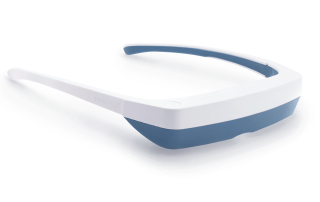
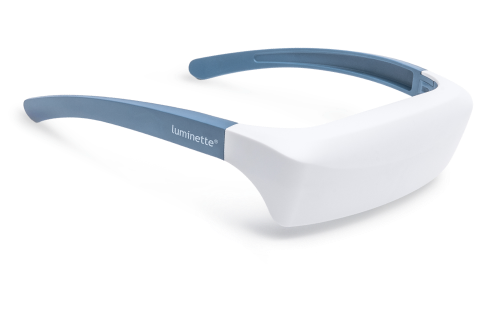
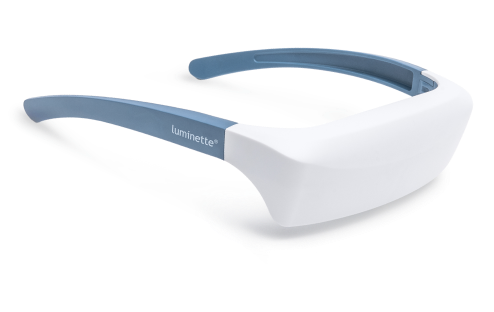
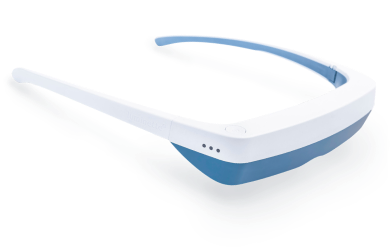
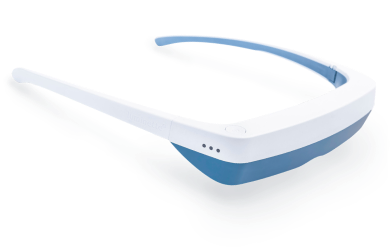
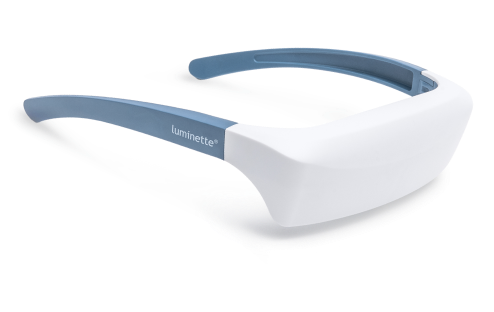
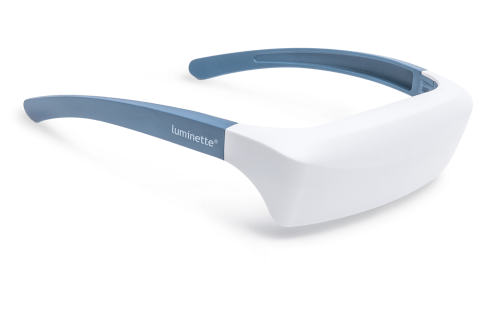
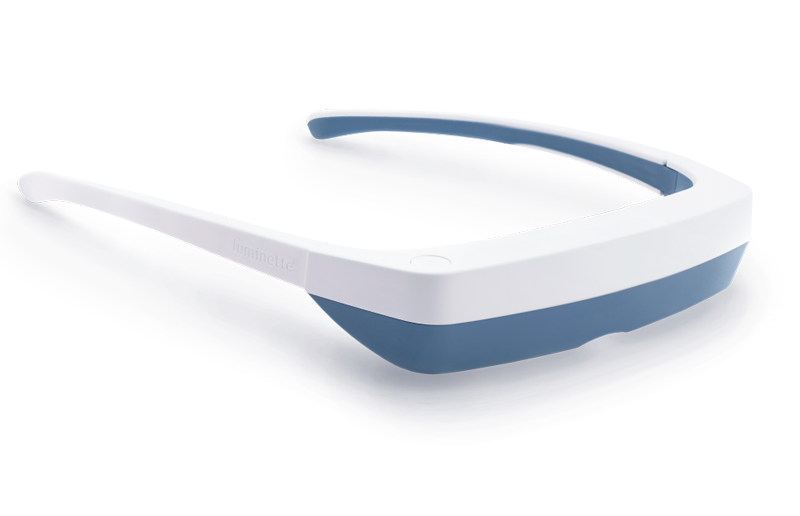
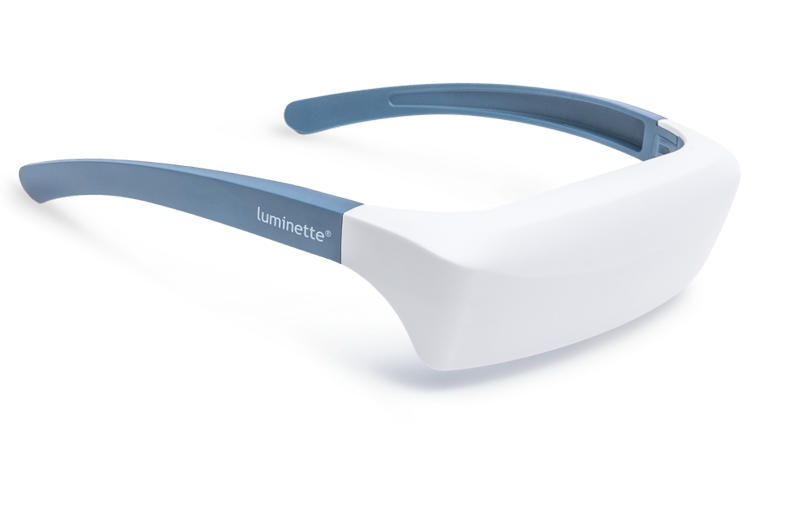
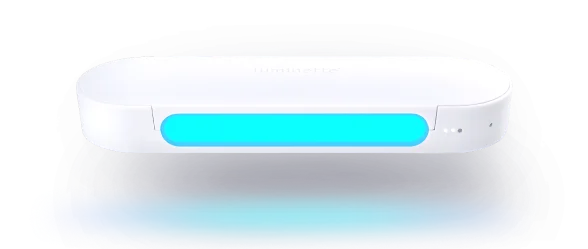
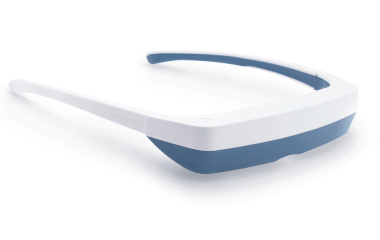
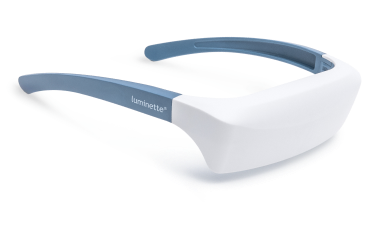
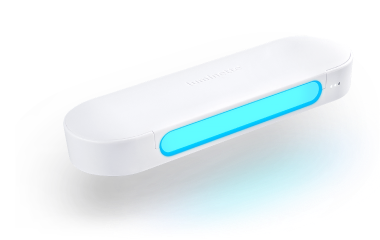
Od 2006 roku Luminette wyznacza standardy w przenośnej terapii światłem. Opracowane na Uniwersytecie w Liège, nasze opatentowane okulary oferują sprawdzone, noszone rozwiązanie wspomagające energię, nastrój i sen.
Zaufane przez ekspertów i użytkowników w ponad 20 krajach, sprawiamy, że terapia światłem jest prosta, skuteczna i częścią codziennego życia.

Regularnie wspieramy badania naukowe

4 lata badań nad innowacją
Luminette została stworzona jako starannie zaprojektowane rozwiązanie do terapii światłem, uznane w 2017 roku za Najbardziej Innowacyjne Urządzenie Zdrowia Psychicznego Roku. Jej rozwój był możliwy dzięki zaangażowaniu czołowych profesorów i specjalistów:
Luminette to starannie zaprojektowane rozwiązanie do terapii światłem, nazwane Najbardziej Innowacyjnym Urządzeniem do Zdrowia Psychicznego 2017 roku, opracowane we współpracy z czołowymi specjalistami
Robert Poirrier
Neurolog i dyrektor laboratorium snu UH Liège oraz czołowy specjalista ds. snu i czuwania.

Gilles Vandewalle
Stypendysta badawczy FNRS, bada regulację snu i czuwania oraz wpływ światła na czujność i funkcje poznawcze.

Yvon Renotte
Fizyk, były kierownik laboratorium optyki na ULiège — ekspert w dziedzinie fizyki optycznej i fotoniki.

Vincent Moreau
Doktor Vincent Moreau posiada tytuł doktora fizyki. Specjalizuje się w fizyce optycznej oraz inżynierii kosmicznej.

Robert Poirrier
Neurolog i dyrektor laboratorium snu UH Liège oraz czołowy specjalista ds. snu i czuwania.
Gilles Vandewalle
Stypendysta badawczy FNRS, bada regulację snu i czuwania oraz wpływ światła na czujność i funkcje poznawcze.
Yvon Renotte
Fizyk, były kierownik laboratorium optyki na ULiège — ekspert w dziedzinie fizyki optycznej i fotoniki.
Vincent Moreau
Doktor Vincent Moreau posiada tytuł doktora fizyki. Specjalizuje się w fizyce optycznej oraz inżynierii kosmicznej.
Badania
Wybierz odpowiednie problemy:
Odkryj naukę stojącą za Luminette — opublikowane badania dotyczące jej wpływu na sen, energię, nastrój i funkcje poznawcze
Wybierz odpowiednie problemy:


2025
Bright Light Exposure and
MOOD REGULATION
This 10-week study examined how participants with mood variability responded to using Luminette® either in the morning or at midday. Mood-related scores showed positive trends across both timing options. Most participants tolerated the sessions well. A small number experienced temporary mood changes, which improved after adjusting light exposure.


2024
Post-Night
SHIFT SLEEPINESS
This exploratory study followed 21 individuals working night shifts, who recorded their perceived sleepiness hourly from 21:00 to 07:30. Participants used either Luminette® or a reference light during a short session between 05:00 and 05:30. Following the light session, in the group who received blue-enriched light, sleepiness displayed a more prolonged reduction.


2023
Bright Light Support for
POSTPARTUM REST
This study followed 114 postpartum women over six weeks as they monitored their nightly rest and daily well-being. Participants who incorporated Luminette® sessions alongside wellness guidance reported greater improvements in perceived sleep quality compared with those following usual routines. These positive patterns were maintained during the follow-up period, and the sessions were generally well received.


2021
Nurse Work-Related
WELL-BEING
This study followed 84 operating-room nurses across two four-week periods: one with Luminette® use and one without light exposure. Perceived stress was assessed before and after each period. Participants reported larger positive changes during the periods that included Luminette® use, and this pattern was consistent across both study phases.


2019
Acute
SLEEP DEPRIVATION
This study examined how individuals responded to early-morning light exposure after a night without sleep. Participants were exposed to different light conditions at 5:00 a.m., and their levels of sleepiness and other attention related measurements were monitored into the morning. Compared with dim light, both Luminette® and a traditional light box were associated with improved sleepiness and attention during the early morning hours. The light sessions were generally well tolerated by participants.


2018
ALERTNESS
without stress
This study explored how healthy young adults responded to different types of light exposure during the two hours before bedtime. Participants experienced either a blue-enriched light condition and a lower-intensity red-light condition. Compared with the red-light condition, blue-enriched light was associated with changes in attention-related measurements, and indicators linked to stress and overall comfort remained broadly similar between conditions.


2015
Bright Light Boosts Post-Lunch
FOCUS
This study examined how different strategies influenced attention and focus after lunch. Participants either rested, took a short nap, or were exposed to different light conditions before completing attention-based tasks. Compared with control conditions, both short naps and bright light exposure were associated with more consistent post-lunch focus and reduced feelings of fatigue. The light sessions were generally well tolerated.


2025
RETINAL SAFETY
During Light Therapy
This study examined retinal responses in participants using a portable light device over an eight-week period. Retinal function was measured at several points during the study and compared with a placebo (dim red light) condition. Across the study period, no meaningful differences were observed between participants using Luminette® and those using the placebo device.


2024
BALANCE & COORDINATION
in Older Adults
In a four-condition pilot study, older adults completed a motor-coordination task before and after exposure to one of the following: 1) visual blue-enriched light, 2) transcranial light, 3) a combination of both, or 4) placebo. The visual light condition was associated with a statistically significant reduction in total movement time compared with the placebo. The transcranial condition did not differ significantly from placebo, and the combination did not show additional benefit beyond visual light alone. As a small, single-session pilot study, these findings are preliminary and require confirmation in larger, independent studies.


2022
SLEEP DIFFICULTIES
During Chemotherapy
In this randomized controlled trial, 101 women undergoing chemotherapy were assigned to either combined brief cognitive-behavioral and bright-light therapy (CBT-I + Light) or treatment as usual with relaxation audio (TAU+). Both groups improved from baseline, with no significant difference in 3 months. Shortly after the intervention began, the CBT-I + Light group reported higher sleep efficiency and greater improvements in fatigue and daytime sleep-related measurements than those observed in TAU+ group.


2020
Head Injury-Related
FATIGUE
In this randomized study, 20 adults with severe head injury were assigned to either daily blue-enriched light exposure using Luminette or no intervention for four weeks. Participants in the light group completed 30-minute sessions each day. Fatigue scores on the Fatigue Severity Scale (FSS) decreased more in the light group than in the no-intervention group. As this was a small study, the findings should be interpreted as preliminary.


2019
Daytime SLEEPINESS
in Neurological Disorder
This randomized crossover study included 16 patients with a neurological disorder. Participants received one month of bright-light exposure using Luminette 3 and one month of placebo light (dim red light), separated by a washout period.
Results suggested that sleepiness scores decreased after bright-light therapy, while the placebo showed no meaningful change. Sleep quality, anxiety, and depression scores were not significantly different between conditions.


2018
Adolescent Inpatient
LOW MOOD & SLEEP
This inpatient feasibility study followed 39 adolescents with moderate-to-severe depression who used Luminette light therapy glasses for 4 weeks alongside usual care.
Mood-related symptoms, sleep, and circadian-related factors were assessed at baseline, mid-treatment, and post-treatment. Mood instability symptoms improved over the 4 weeks. Sleep quality also improved. Circadian-related measurements did not change significantly. The authors described the outcomes as similarly positive in patients using traditional light boxes at the same clinic.


2014
DELAYED SLEEP
patterns in Adolescents
In a small, single-blind pilot study of adolescents with late sleep–wake patterns, the Luminette group reported earlier sleep onset and longer total sleep duration than the placebo group. Participants also reported improvements in sleep quality during weeks 2 to week 3. These findings come from a small pilot study and should be interpreted as preliminary.


2013
Bright light reduces
DAYTIME SLEEPINESS
This within-subject study followed 25 staff in a radiotherapy department with no access to natural daylight. Participants alternated between one month using Luminette and one month without light exposure. During the months when Luminette was used, participants reported lower daytime sleepiness scores and changes in several well-being measures (such as general health perception) compared with months without light use.


2017
COGNITIVE FATIGUE
After Light Therapy
This crossover study exposed 20 adults to two sessions: 20 minutes of bright light with Luminette or dim light (placebo), followed by a highly demanding dual working-memory task. Sleepiness and mental fatigue were rated before and after light, and again after the task.Its result showed that bright light did not outperform dim light. After the demanding task, participants in both conditions reported higher sleepiness and cognitive fatigue. The authors suggested the lack of observed effects may be related to study design factors such as the tasks chosen for the participants, the duration of light exposure, and the well-rested daytime conditions (rather than sleep-deprivation) of participants.


2021
FRAILTY
During Prostate Cancer ADT
Eighteen men aged ≥65 years initiating androgen-deprivation therapy (ADT) were assigned to bright light exposure (Luminette) or dim light for 30 minutes daily for 12 weeks. Compared with the dim-light group, the bright-light group showed higher hand-grip strength and smaller increases in waist circumference over the study period (3-month). As a small pilot study reported in abstract form, these findings should be considered preliminary.
*This study is currently available as a conference abstract. The full manuscript has not yet been published in a peer-reviewed journal, and the results should therefore be considered preliminary.


2014
After
SLEEP DEPRIVATION
This crossover study in 24 healthy adults compared three morning light conditions after a full night of sleep deprivation: Luminette, a light box, and dim light (control). Sleepiness, reaction time and melatonin levels were measured. Results showed that morning light exposure increased subjective sleepiness and improved task performance compared with dim light. Melatonin fell earlier and more markedly under light exposure, but the reduction was not significantly different between conditions.
*This study is currently available as a conference abstract. The full manuscript has not yet been published in a peer-reviewed journal, and the results should therefore be considered preliminary.


2026
Evaluation of portable bright light for
MOOD and SLEEP
This double-blind, placebo-controlled study explored the use of a portable light device (Luminette) in adults with major depressive disorder. Eighteen participants were assigned to use either an active device (n = 6) or a visually similar placebo device (n = 12) for 30 minutes per day over 8 weeks, while continuing their usual care.
Over the study period, sleep quality scores changed within the active device group, while remaining largely unchanged in the placebo group. No meaningful differences between groups were observed for measures of mood or anxiety.
Given the small sample size, group imbalance, and study limitations (including baseline differences and heterogeneity in diagnoses and concomitant treatments), these findings are preliminary. No conclusions can be drawn regarding effectiveness, and further research is required to better understand any potential effects.


2024
Light Therapy for Morning
ENERGY
and Awakening
This randomized, within-subject crossover study investigated whether Luminette® could help reduce sleep inertia in a real-world, at-home setting. 36 participants experienced both an active light condition and a control condition on separate occasions and completed the study.
Participants were awakened approximately 45 minutes after going to sleep and wore Luminette® glasses with the light switched on or off for approximately 40 minutes while completing alertness, mood and cognitive assessments.
Participants reported feeling more alert and energetic when using the active light compared with the control condition. Among participants who were awakened from deep (N3) sleep, light exposure was also associated with improved performance on a working-memory task.
However, light exposure did not improve performance on a visual psychomotor vigilance task. In fact, participants responded faster and had fewer lapses in the control condition.

2022
Evaluation of
CIRCADIAN
Phase Tailored Light Therapy
This randomized controlled pilot study explored the use of Luminette® light therapy glasses in patients with mild-to-moderate Alzheimer’s disease. Participants (16 participants and n=13 included in the final analysis) used either active light glasses (n = 8) or sham glasses (n = 5) for 4 weeks. Light exposure was scheduled according to each participant’s circadian timing, and the effect of circadian shift was measured using dim light melatonin onset (DLMO).
The study found that active light exposure was associated with measurable shifts in circadian timing in most participants. Participants in the active light group also reported better subjective sleep quality, and researchers observed positive changes in cognitive assessment scores. Objective sleep measures, including sleep efficiency and total sleep time, did not show significant changes in the study.
As this was a small pilot study, the findings were considered preliminary. Further large-scale research is needed to better understand the potential effects of circadian phase-tailored light exposure in this population.

Jesteś pracownikiem ochrony zdrowia? Przełącz na widok naukowy.
Pracujesz w ochronie zdrowia?
Przełącz na widok naukowy.


Wystawiamy się na czołowych konferencjach poświęconych zdrowiu i technologii
Poznaj Luminette na czołowych konferencjach poświęconych snu, zdrowiu psychicznemu i technologiom medycznym — zobacz pokazy na żywo, poznaj nowe wyniki badań klinicznych i porozmawiaj z naszym zespołem o badaniach lub współpracy.
Niektóre instytucje, które korzystają z Luminette
Niektóre instytucje, które
korzystają z Luminette


Lekarze, psycholodzy
i specjaliści ds. snu
Jeśli chcieliby Państwo przetestować Luminette® u swoich pacjentów cierpiących na zimową depresję lub zaburzenia snu, prosimy o kontakt — chętnie pomożemy w każdy możliwy sposób.


Dziękujemy za zgłoszenie.
Sprawdzaj swoją skrzynkę odbiorczą!
Dziękujemy za zgłoszenie. Sprawdzaj swoją skrzynkę odbiorczą!
Powód kontaktu
Zawód

Ulotka i materiały
dotyczące Luminette®