













Principles and benefits
Light therapy, also known as phototherapy or lux therapy, literally means treatment through light. We distinguish two types of light therapy: that which passes through the skin (by means of ultraviolet or infrared rays) and that which passes through the eyes. It is the latter that interests us.
Light therapy uses the therapeutic properties of light (see the role of light chapter) and finds its way when it is not possible to access natural light, whether it is because of their schedule or because the person lives in a region where light is rare in winter. Artificial light provides a light spectrum close to that of sunlight but is completely devoid of ultraviolet and infrared rays due to safety reasons.
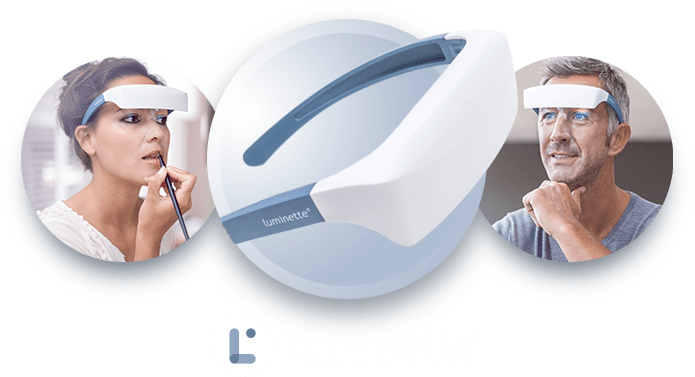
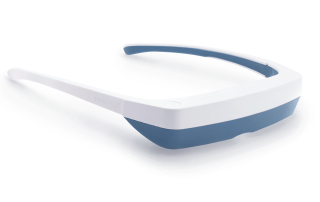
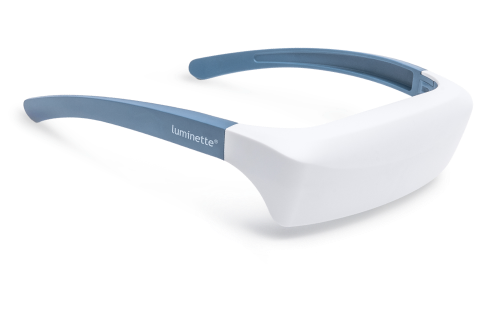
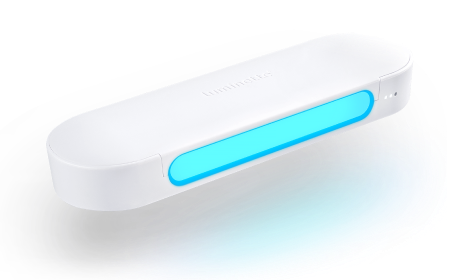
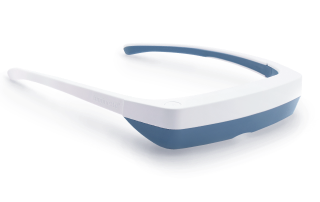
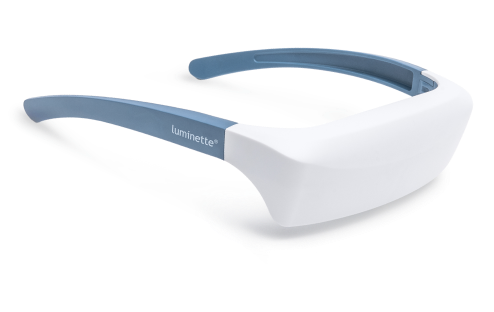
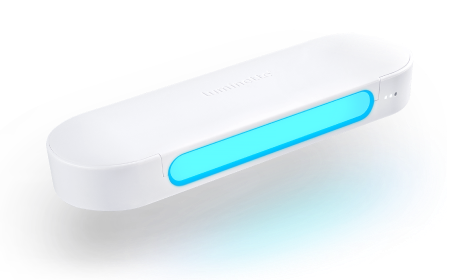
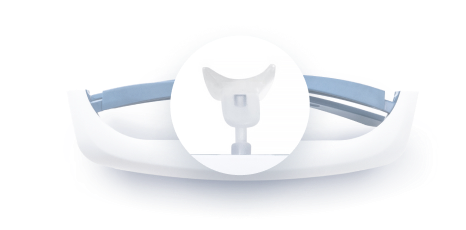
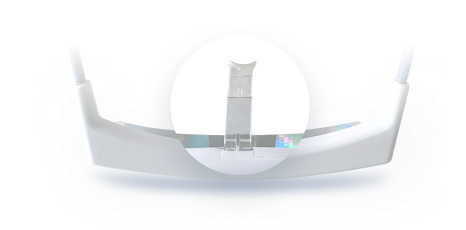
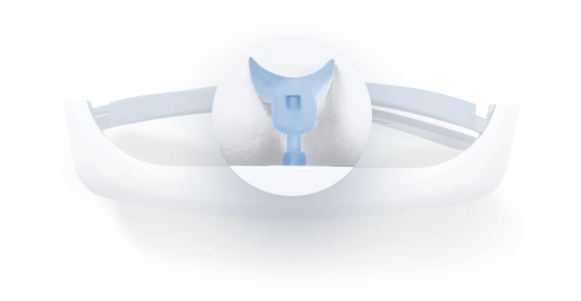
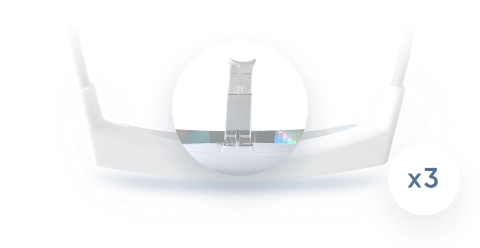
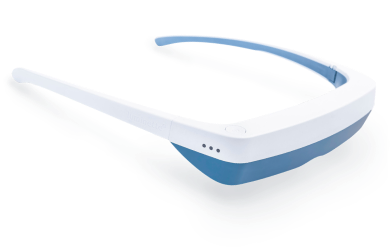
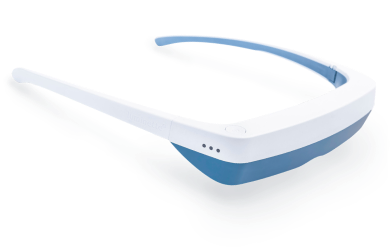
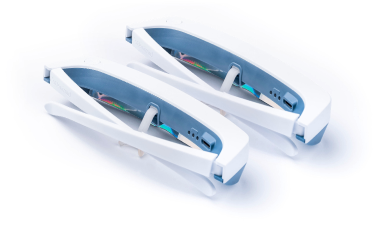
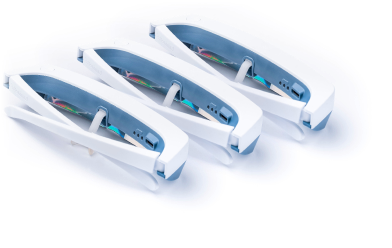
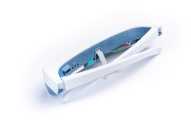
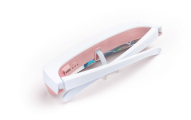
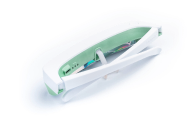
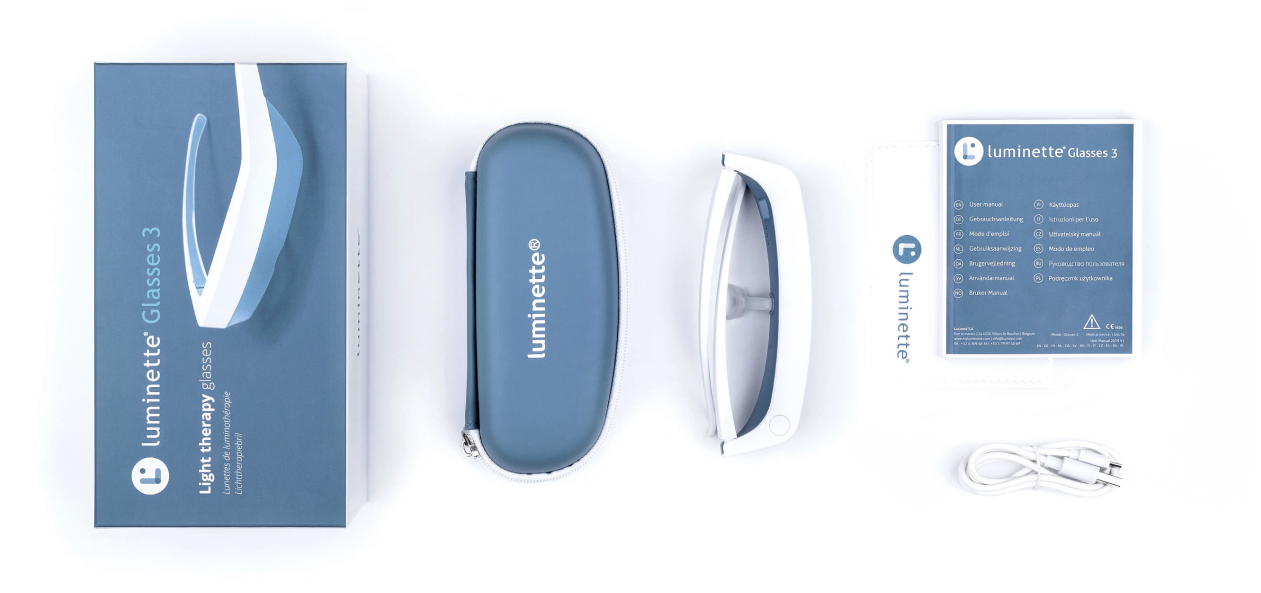
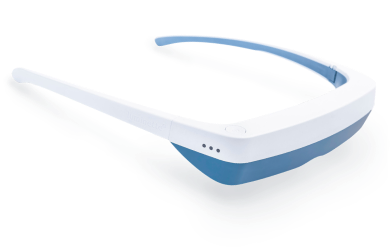
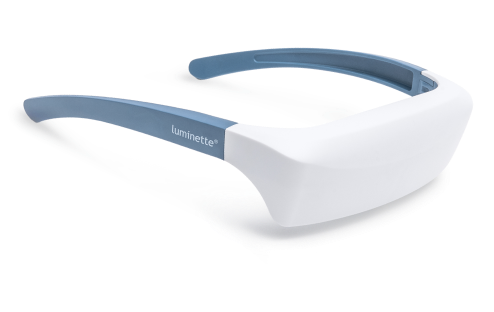
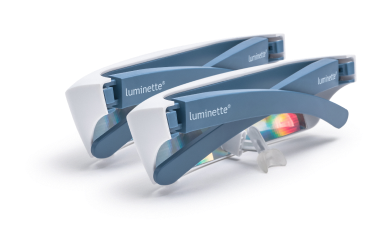
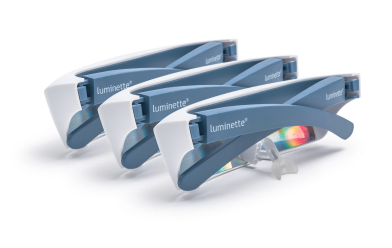
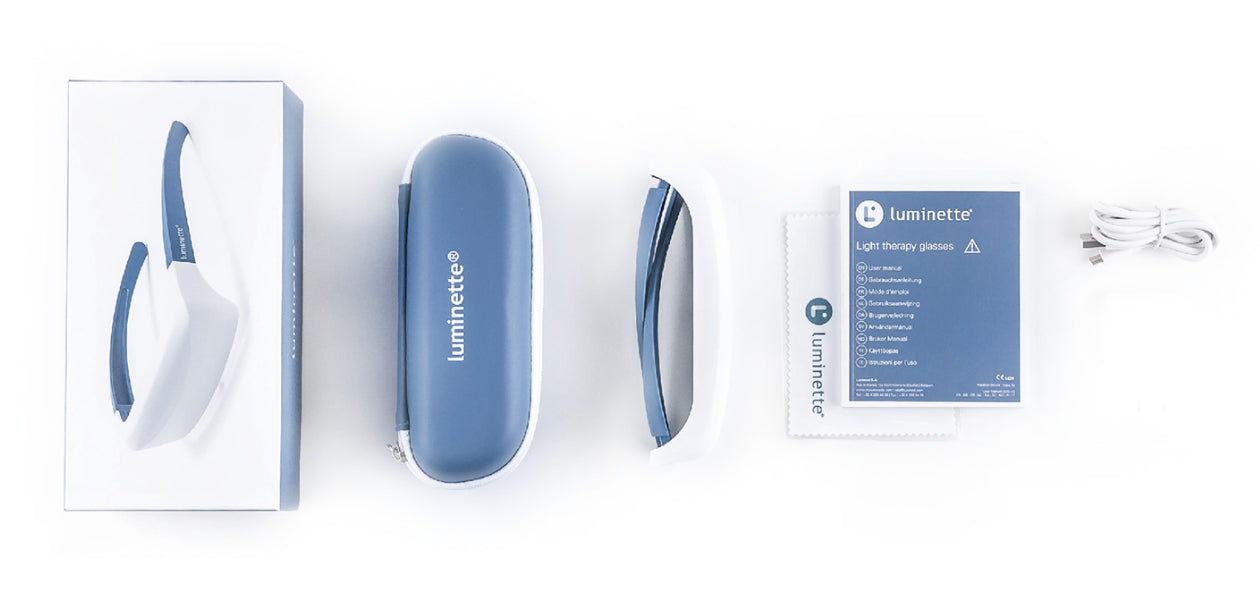
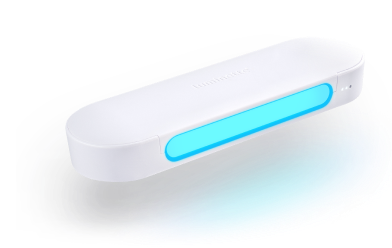
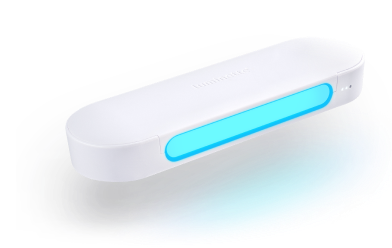
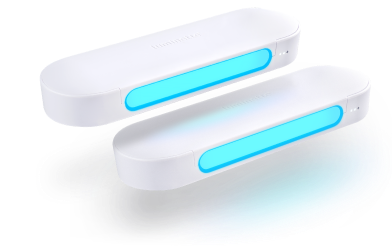
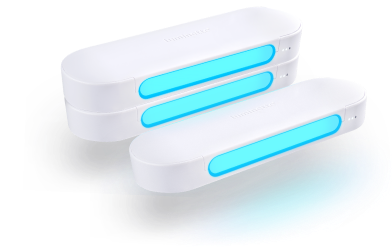
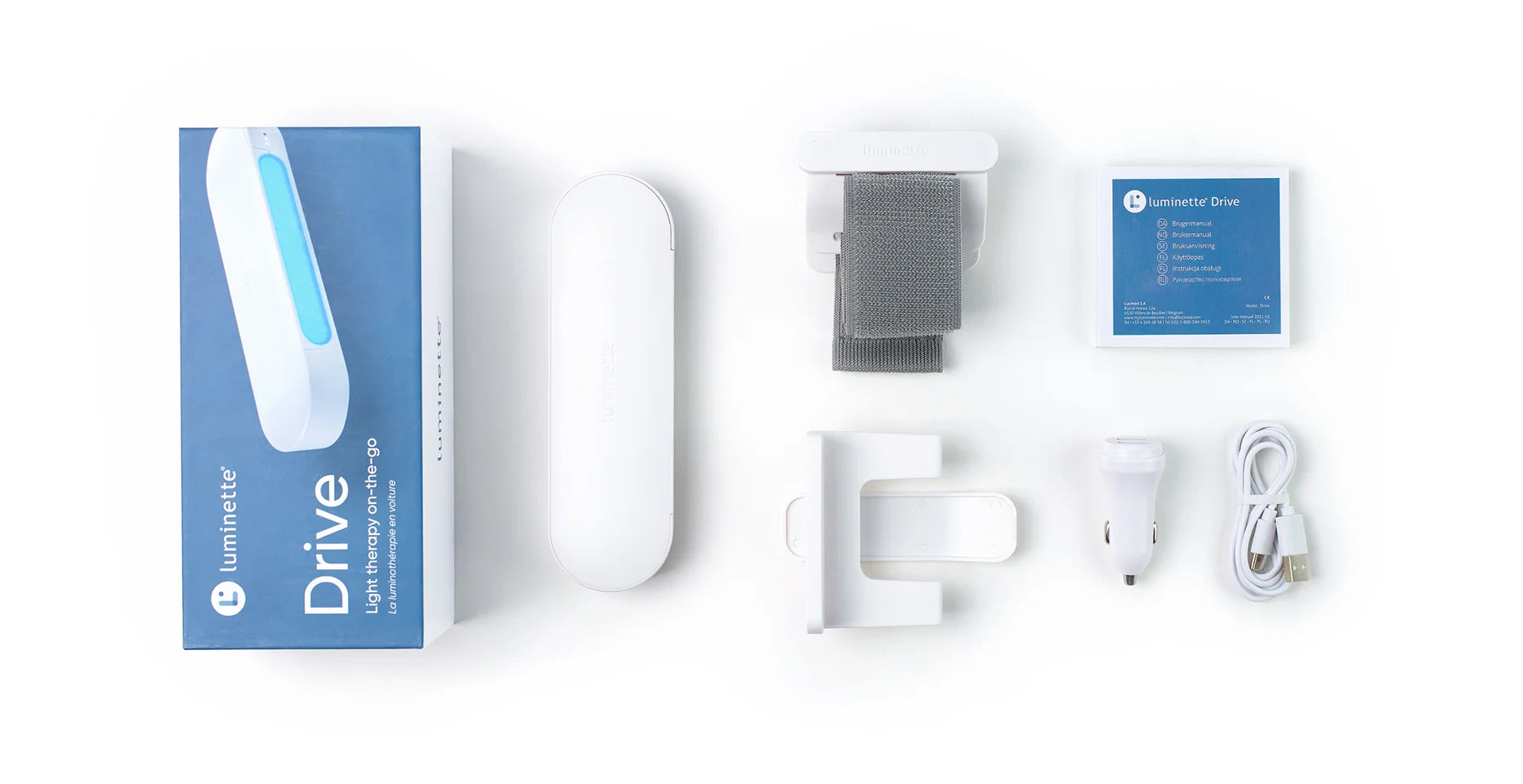
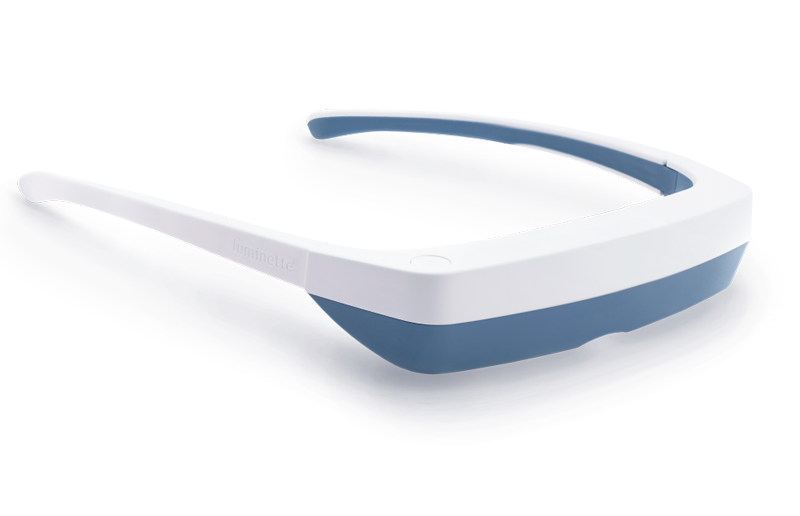
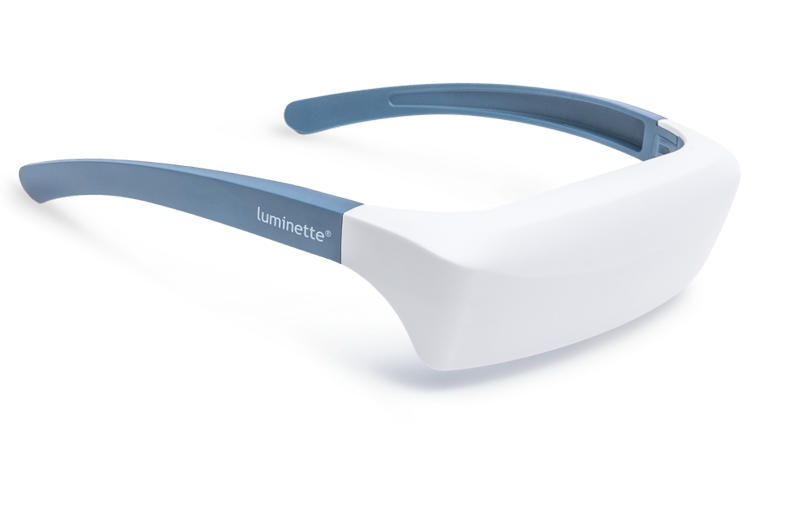
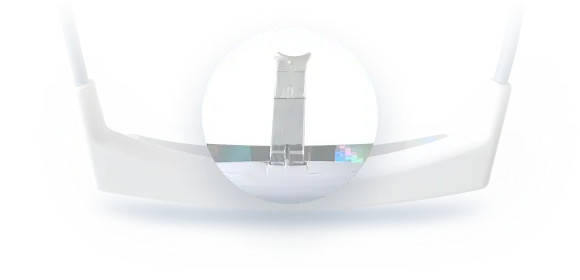
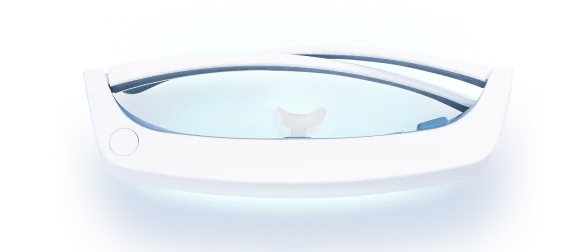
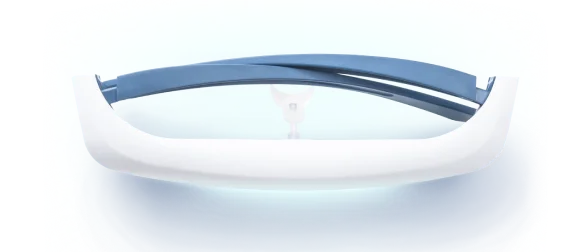
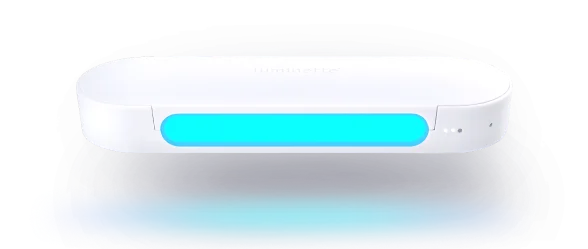
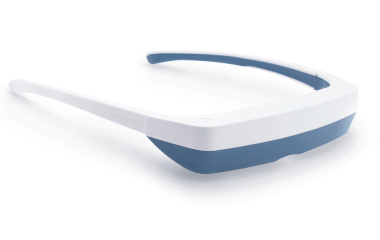
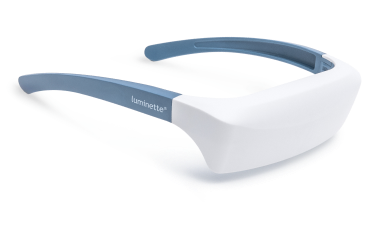
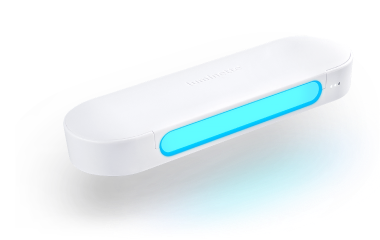
In concrete terms, light therapy consists of exposing the eyes to a source of light that has a specific spectrum and intensity over a determined length of time. This source of light is generally a light therapy lamp. This could be all sizes (from a wall panel to a simple LED) and all forms (from a static lamp to glasses).
Discover what role light plays on the body,
with Roland Pec - sleep specialist and chrono-therapist